


Zoom Magician Cost: How to Get the Most From a Fixed Budget
Zoom Magician Cost: How to Get the Most From a Fixed Budget
Most articles about pricing explain what drives a quote, which is useful if you're still deciding whether to book anything. It's considerably less useful if you already have a number, that number is fixed, and your actual question is what you can get for it.

That's a different problem, and it has a different answer. I'm Magical Katrina, an award winning magician and mentalist, and I want to work through the practical version: where the genuine trade offs sit in a zoom magician cost, which economies are sensible, and which ones quietly ruin the thing you're paying for.
Start With a Real Anchor
Vagueness doesn't help anyone budgeting, so here's a concrete figure to work from: my own virtual shows start around $1,400, with the exact number depending on length, audience size, and customization.
That gives you something to plan against rather than a page of considerations. If your budget is comfortably above that, you have room to add customization or length. If it's below, you have options worth exploring before concluding it isn't possible, several of which are below. And if you're gathering quotes, having a real anchor makes it easier to judge whether something is suspiciously cheap, which is worth knowing.
Shorten Before You Downgrade
The first principle of working to a fixed number. If your budget won't stretch to what you first imagined, reduce the length rather than the quality of the performer.
A shorter session with someone genuinely excellent gives your audience the experience you wanted, whereas a longer one with someone cheaper gives them a longer version of something that doesn't land. Audiences remember whether it was good, not whether it was forty five minutes or thirty. Among ways of managing a zoom magician cost, shortening is the economy that costs you least, and thirty minutes of genuine astonishment is a perfectly complete event.
Share Across Teams, Sites, or Chapters
The most underused option, and often the one that solves the problem entirely. A virtual show costs roughly the same whether thirty people watch or three hundred, which means the cost per person falls sharply as you add attendees.
So if your department can't justify the spend alone, ask whether two departments could run it jointly. If one office can't, ask about several offices. Associations do this across chapters, schools across branches, and companies across regions. Splitting a zoom magician cost three ways turns an uncomfortable figure into a straightforward one, and it usually produces a better event, since a bigger audience makes the occasion feel more significant.
Look at the Date
Timing affects availability and sometimes pricing, and it's the easiest variable to move if your event isn't tied to a specific occasion.
December is the busiest month by a wide margin, and prime dates in it are the most contested of the year. January, February, and August are considerably quieter. If your event is an internal celebration, a team session, or anything that could happen in one month as easily as another, asking about a quieter period is worth doing. It also tends to buy you a more attentive planning conversation, since a performer with fewer competing enquiries has more time for yours.
Skip the Customisation, Not the Performer
Customization is genuinely valuable, particularly for corporate events, but it's real work and it's reflected in the quote.
If your budget is tight, this is a reasonable thing to forgo. A standard show performed brilliantly is considerably better than a customized show performed adequately, and most audiences will never know what they didn't get. Among ways to manage a zoom magician cost, dropping the bespoke elements while keeping the quality is a sensible order of priorities. You can always add it another year when the budget allows.
Combine Occasions
A practical option organizations frequently miss. If you were planning a separate wellbeing session, a team social, and an end of year celebration, consider whether one properly funded event serves better than three thinly funded ones.
Three mediocre sessions consume more budget in total and produce less than one that people genuinely enjoyed. This works particularly well when the occasions are adjacent anyway, an all hands with a celebration attached, or a recognition moment folded into a social. Consolidating lets a modest zoom magician cost buy something good rather than spreading the same money into three forgettable hours.
What Not to Economize On
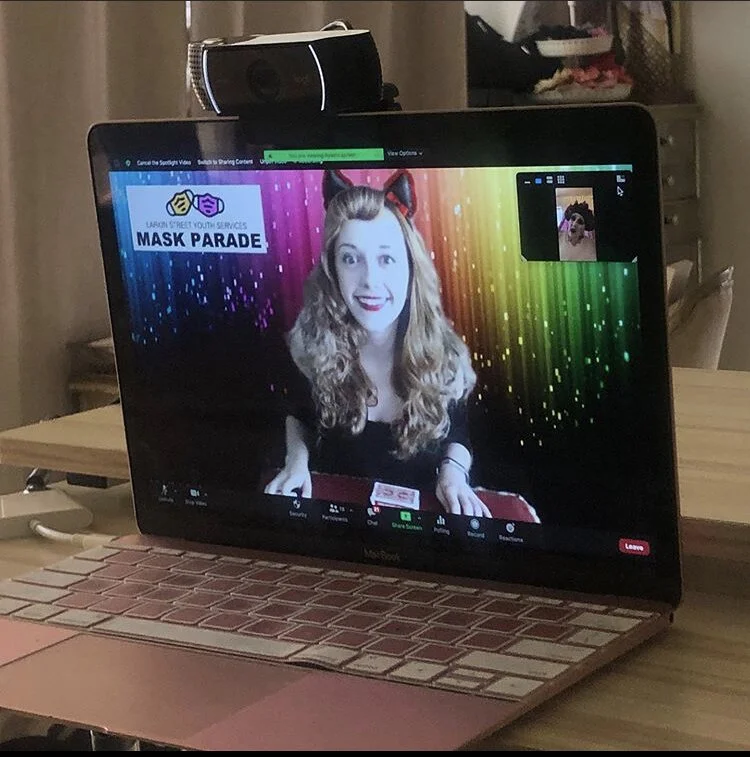
Worth stating plainly, since these are the economies that don't work. Don't book someone without genuine footage of live virtual performances, whatever the saving, because virtual performing is a distinct skill and plenty of excellent in person performers are weak on video.
Don't accept a performer without a proper technical setup, since poor camera and audio quality is immediately visible and reflects on your event rather than on them. And be wary of quotes dramatically below everything else you've received, since that difference reflects something, usually inexperience. Entertainment that falls flat costs you the entire spend rather than the difference you saved.
Ask What Your Number Buys
The most practical advice here, and the one people are oddly reluctant to follow. Tell performers your budget rather than asking for a quote and hoping.
A professional will tell you honestly what's achievable at that level, whether that's a shorter session, a standard show without customization, or a recommendation to wait until you have more. That conversation takes two minutes and saves the awkward round of quotes that all come back above your figure. Most performers would rather work within a real budget than not hear from you, and being upfront about a zoom magician cost ceiling usually produces better options than concealing it.
Why Book Magical Katrina
If you're working to a fixed figure, here's my case. I'm a member of the Magic Circle in London and the Academy of Magical Arts in Hollywood, I've earned multiple magic awards, and I've performed for companies including Formula 1, the Olympics, Porsche, Zapier, and the Ritz Carlton, with appearances on Penn & Teller: Fool Us. My virtual shows start around $1,400, and I'll tell you honestly what that buys and what it doesn't. I'm happy to discuss shorter formats, shared sessions across teams or sites, and quieter dates, and if your budget genuinely doesn't stretch to something worth doing, I'll say so rather than selling you a compromised version.
Frequently Asked Questions
What does a virtual show actually cost?
My own virtual shows start around $1,400, with the exact figure depending on length, audience size, and customization. That gives you a concrete anchor to plan against rather than a page of considerations. If you're comparing quotes, having a real number also helps you judge whether something is suspiciously cheap, which usually reflects inexperience rather than a bargain.
Should we shorten the show or find someone cheaper?
Shorten, every time. A shorter session with someone genuinely excellent delivers the experience you wanted, whereas a longer one with a cheaper performer gives your audience more of something that doesn't land. People remember whether it was good, not whether it ran thirty or forty five minutes. Among ways of managing a zoom magician cost, reducing length is the economy that costs you least.
How can we stretch the budget further?
Share it. A virtual show costs roughly the same for thirty people as for three hundred, so the cost per person falls sharply as you add attendees. If one department, office, chapter, or site can't justify the spend alone, ask whether several could run it jointly. Splitting three ways turns an uncomfortable figure into a straightforward one, and a larger audience usually makes the occasion feel more significant too.
Does the date affect what we pay?
It affects availability and sometimes pricing. December is by far the busiest month and its prime dates are the most contested of the year, while January, February, and August are much quieter. If your event isn't tied to a specific occasion, asking about a quieter period is worth doing, and it usually buys a more attentive planning conversation as well as better availability.
Is customization worth paying for on a tight budget?
Not if the alternative is compromising on the performer. Customization is genuinely valuable, particularly for corporate events, but it's real work and it's reflected in the quote. A standard show performed brilliantly beats a customized show performed adequately, and most audiences never know what they didn't get. Drop the bespoke elements, keep the quality, and add customization another year.
What should we never economize on?
Genuine footage of live virtual performances, since virtual performing is a distinct skill and many excellent in person performers are weak on video. A proper technical setup, because poor camera and audio quality is immediately visible and reflects on your event. And treat quotes dramatically below everything else with caution, since entertainment that falls flat costs you the whole spend rather than the difference you thought you were saving.
Should we tell performers our budget?
Yes, and people are oddly reluctant to. A professional will tell you honestly what's achievable at your level, whether that's a shorter session, a standard show, or a recommendation to wait. That conversation takes two minutes and saves a round of quotes that all come back above your figure. Most performers would rather work within a real budget than not hear from you at all.
How do I get a quote from you?
Send me your event date, platform, approximate audience size, how long you'd like, and your budget if you have a fixed one. I'll come back quickly with what's achievable at that level, and I'd rather tell you honestly that something isn't possible than sell you a compromised version of it. If a shorter format or a shared session across teams would make it work, I'll suggest that.

Spend the Number You Have Well
Working to a fixed figure isn't a matter of finding the cheapest performer, it's a matter of deciding what to trade. Shorten before you downgrade, share the cost across teams or sites, move the date if you can, drop customization before quality, and consider consolidating several thin events into one good one. What holds a zoom magician cost together is the performer being genuinely good, and that's the one variable worth protecting.
If you have a number and want to know honestly what it buys, just ask.
Reach out with your details and your budget, and I'll tell you what's possible.