


Women's History Month Event Ideas for Shift Based and Frontline Workforces
Women's History Month Event Ideas for Shift Based and Frontline Workforces
There's an uncomfortable pattern in a lot of organizations. The workforce is majority women, most of them working shifts in wards, stores, depots, kitchens, or care settings, and the Women's History Month program consists of a lunchtime panel at head office attended by forty people from the corporate functions.
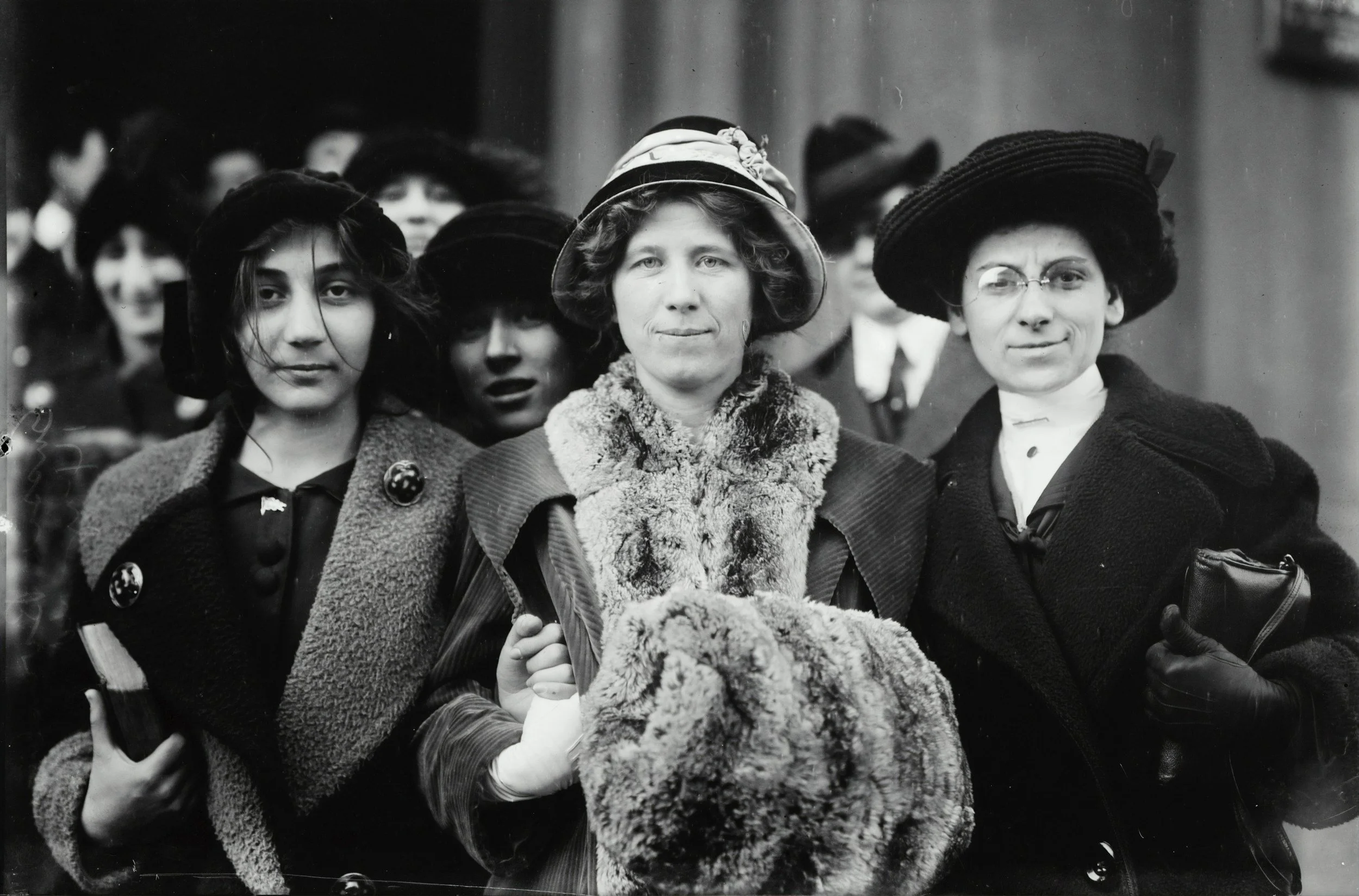
The women the month is nominally about are at work, on their feet, and unaware it's happening. I'm Magical Katrina, an award winning magician and mentalist, and I want to offer Women's History Month event ideas designed for shift based and frontline workforces, since almost everything written on the subject assumes a desk.
Notice Who Your Program Actually Reaches
Start with an honest audit, since it's usually clarifying. Take last year's March program and work out what proportion of your female workforce could realistically have attended anything.
For many organizations the answer is a small minority, and the ones excluded are frequently those in the lowest paid roles with the least autonomy over their time. That's worth knowing before planning this year, because a program that celebrates women while reaching mainly the ones with desks and diaries is making a statement nobody intended. Among Women's History Month event ideas, the first useful one is measuring the gap.
The Barriers Are Practical, Not Cultural
Worth being clear, since organizations sometimes conclude frontline staff aren't interested. They generally are, and they can't attend a midday webinar because they're with a patient, on a checkout, or driving.
The barriers are specific: no desk, no work laptop, no email they check regularly, no control over when they take a break, and no ability to leave the floor. Any programming that requires a scheduled hour at a fixed time excludes them by design rather than by choice. Solve those constraints and attendance follows, because the appetite was never the problem.
Repeat Short Sessions Around Rosters
The single most effective change. A one hour session at two in the afternoon reaches whoever happens to be on that shift and nobody else, which in a twenty four hour operation is a small fraction.
Two or three shorter sessions across a day, including one timed for a shift changeover and ideally one covering nights, reaches considerably more people. Twenty minutes repeated three times beats an hour delivered once, and it signals that the whole workforce was considered rather than the daytime portion of it. Ask site or ward managers when their genuine quiet windows fall rather than scheduling from a central calendar.
Go to Them
The approach that works when bringing people to a session doesn't. Rather than asking staff to attend something, put something where they already are: a break room, a staff area, a depot canteen, a ward corridor.
That might be a display, a short talk, a visitor, or something delivered in fifteen minutes during a handover. It's less impressive than a program and it reaches people who would otherwise get nothing. Among Women's History Month event ideas for frontline settings, physically going to where staff are is worth more than any amount of invitation.
Recognition Reaches Further Than Content
Worth knowing what this workforce actually values, which frequently differs from what corporate programming offers. A panel discussion about barriers is less useful to someone on a ward than being told, specifically, that their work is noticed.
Genuine recognition costs nothing and travels: naming individuals for something real, having a senior person visit a site rather than sending a message, or asking teams who they'd nominate and then acting on it. Among things you could do in March, specific and personal recognition of women doing demanding jobs lands harder than a session about women in general.
Use the Channels They Actually See
Practical, and it's where a great deal of programming quietly fails. If your staff don't check work email, an email announcing your program reaches nobody.
What works: physical notices where people take breaks, team briefings at handover, the manager telling their team directly, and whatever messaging app that workforce genuinely uses. Ask a frontline manager how information actually reaches their team and use that, rather than the channel head office prefers. It's an unglamorous fix and it changes participation more than the content does.
Include the People Who Deliver It
Worth noting, since it's a common blind spot. In many organizations the people who would organize a March event locally are themselves frontline staff or first line managers, and asking them to run something is adding unpaid work to a demanding job.
If you want site level activity, resource it: provide something ready to run, give people paid time to do it, and don't expect a ward manager to build a program around a full workload. Among Women's History Month event ideas for large organizations, supplying something central that sites can run locally is considerably more realistic than asking each site to invent its own.

Be Honest About Gestures
The point this workforce will apply whether or not you do. Frontline staff have a well developed sense for gestures substituting for substance, and a March program lands very differently depending on what else is happening.
If the same organization has women on insecure hours, unequal pay bands, or persistent understaffing, an event will be received as exactly what it is. That doesn't mean doing nothing, it means being honest about what an event is and isn't, and pairing it with something real if you can. A modest event honestly framed is welcome. A month of programming presented as commitment while the substantive issues go unaddressed is worse than silence.
Something Enjoyable Counts
Worth saying, since programming for this workforce tends to be earnest. People working demanding shifts frequently receive training, briefings, wellbeing content, and surveys, and comparatively little that's simply good.
An enjoyable session that asks nothing of them, reaches them where they are, and doesn't require them to reflect on anything is a genuine offering rather than a lesser one. Among Women's History Month event ideas for frontline teams, something people enjoyed is remembered considerably longer than something they were told, and it doesn't need to carry a message to be worth doing.
Where My Work Fits
Briefly, since it's relevant to that last point. I perform magic and mentalism and speak about building a career in a field that has been overwhelmingly male, in person or virtually, in sessions short enough to run more than once across a day.
For dispersed or shift based workforces, a virtual session reaches every site at the same cost, needs one screen per location rather than a device per person, and can be repeated to cover roster. It demonstrates the point rather than delivering it, which suits an audience with limited patience for being told things. If you're planning March, I'm glad to talk it through.
Frequently Asked Questions
How do we know if our program is reaching people?
Take last year's program and work out what proportion of your female workforce could realistically have attended anything. For many organizations it's a small minority, and the ones excluded are frequently in the lowest paid roles with the least control over their time. That measurement is the most useful thing you can do before planning this year.
Why don't frontline staff attend?
Practical barriers rather than lack of interest. No desk, no work laptop, no email they check regularly, no control over break times, and no ability to leave the floor. Any programming requiring a scheduled hour at a fixed time excludes them by design. Solve those constraints and attendance follows, because the appetite was never the problem.
What's the most effective change we could make?
Repeating short sessions around roster rather than running one long one. A single hour at two in the afternoon reaches whoever is on that shift and nobody else, whereas twenty minutes repeated three times, including one timed for a changeover and ideally one covering nights, reaches considerably more people and signals the whole workforce was considered.
What if we can't bring people to a session at all?
Go to them. Put something where staff already are: a break room, a depot canteen, a staff area, delivered in fifteen minutes during a handover. It's less impressive than a program and it reaches people who would otherwise get nothing, which is the actual measure. Among Women's History Month event ideas for frontline settings, that's frequently the only thing that works.
What do frontline staff actually value?
Specific recognition more than content. A panel about barriers is less useful to someone on a ward than being told plainly that their work is noticed, and genuine recognition costs nothing: naming individuals for something real, a senior person visiting a site rather than sending a message, or asking teams who they'd nominate and acting on it.
How should we communicate it?
Through channels staff actually see, since an email announcing your program reaches nobody if they don't check work email. Physical notices where people take breaks, team briefings at handover, managers telling their teams directly, and whatever messaging app the workforce genuinely uses. Ask a frontline manager how information reaches their team and use that.
Isn't this all just a gesture?
It can be, and this workforce will apply that test whether or not you do. If the same organization has women on insecure hours, unequal pay bands, or persistent understaffing, an event is received as exactly what it is. Be honest about what an event is and isn't, pair it with something substantive where you can, and don't present a program as commitment.

Program for the Whole Workforce
The test for Women's History Month event ideas in a shift based organization isn't whether the program was good, it's what proportion of your women could have attended any of it. Measure that first, then design around the actual constraints: repeat short sessions across roster, go to where staff work rather than asking them to come to you, use the channels they see, resource the people who'd deliver it locally, and recognize individuals specifically.
And include something people simply enjoy, since a workforce receiving a great deal of training and very little else will notice which one you offered.
Reach out with your sites and roster, and let's work out what could actually reach everyone.