

What to Expect From a Women's Month Magic Show
What to Expect From a Women's Month Magic Show
If you've booked a magician for your organization's Women's History Month programming, or you're considering it, there's a reasonable question you may not want to ask directly: what actually happens? Most descriptions are written to persuade rather than inform, which leaves programmers approving something they can't quite picture.
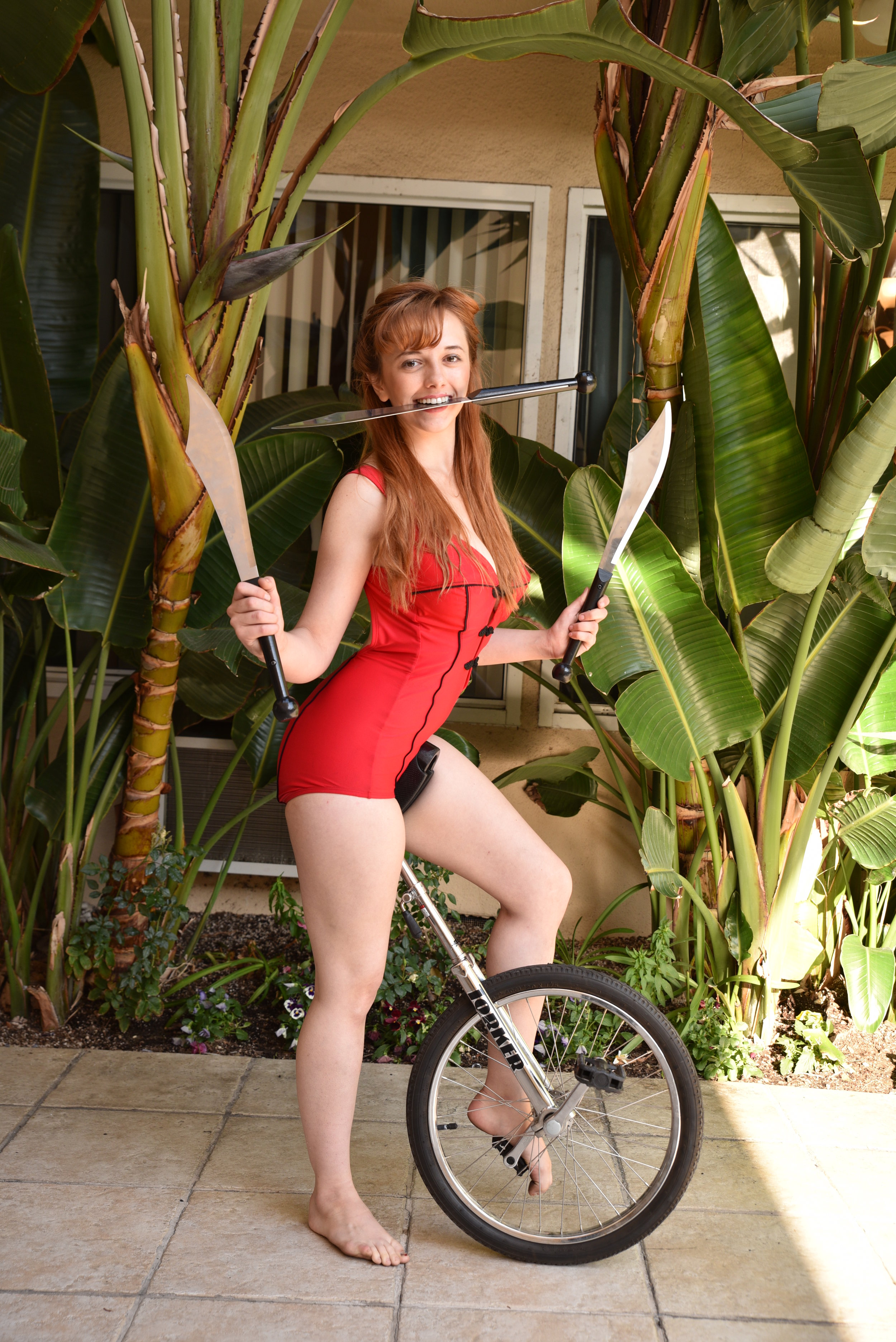
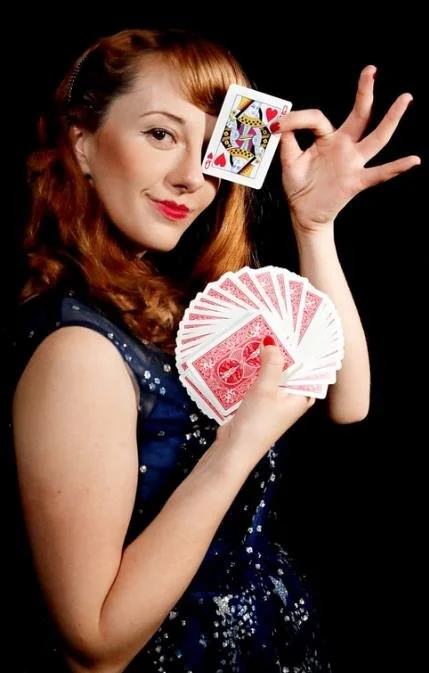
So here's the honest version. I'm Magical Katrina, an award winning magician and mentalist, and I want to describe what a women month magic show actually contains, how the personal story sits alongside the performance, and what it isn't, so you can decide whether it suits your program.
It Is, First, a Magic Show
Worth establishing before anything else. The session is a genuine performance by someone whose profession is magic and mentalism, not a talk with a few tricks inserted to hold attention.
That matters because the thematic value depends entirely on the performance being good. A women month magic show where the magic is mediocre doesn't demonstrate anything except that the booking was made for the theme, which audiences detect instantly. What makes it work is that the astonishment is real, and everything else follows from that. If you're evaluating options, assess the magic first and the message second, in that order.
The Story Is Woven In, Not Delivered
The most common concern from programmers, and a fair one. Nobody wants a session that stops being entertaining and becomes a lecture about barriers, however sincere.
The way this works is that the story surfaces through the performance rather than interrupting it. Magic has been overwhelmingly male for its entire history, so a woman performing it at a high level is already saying something without a word being spoken, and the spoken elements are brief, specific, and personal rather than general and instructive. A women month magic show should demonstrate the point and let the audience draw the conclusion, which is more persuasive than being told it and considerably more enjoyable.
You Choose the Balance
Practically, this is adjustable, and you should decide deliberately rather than leaving it to chance.
At the lighter end, it's essentially a performance with the resonance implicit and only a few sentences of context. In the middle, there's a woven narrative running through the show, with the story of building a career in a field where women were the exception surfacing between pieces. At the substantive end, it's closer to a keynote with magic throughout, carrying a genuine argument. Tell whoever you book which you want, since the same performer can pitch a women month magic show at any of those and the right choice depends entirely on what else is in your program.
The Audience Takes Part
Expect participation, though not the kind people fear. Nobody is asked to share how they feel, discuss their experiences, or speak in front of colleagues.
Participation means holding an object, making a choice, thinking of something, and then being astonished when it's revealed. That distinction matters for a workplace audience, particularly around this subject, since sessions requiring personal disclosure exclude the people least comfortable speaking up, who are frequently the ones the programming is meant to reach. A women month magic show puts everyone on the same footing regardless of seniority or confidence.
It's Calibrated to Your Room
A session for a hundred employees at an all hands, a lunchtime employee resource group meeting of twenty, a leadership audience, and a conference plenary are genuinely different rooms, and the same material would land differently in each.
Expect a performer to ask about your audience: who's attending, roughly how senior, whether it's voluntary attendance, and what else is in your program. A women month magic show delivered without that information is generic by default. If you've told them the room contains mostly senior leaders, or mostly early career women, or a genuinely mixed group including plenty of men, the session should reflect that.
What It Isn't
Worth being clear, because expectations vary. This is not diversity training, and it shouldn't be counted as such. It doesn't cover policy, unconscious bias, inclusive hiring, or anything requiring expertise I don't have and wouldn't claim.
It also isn't a substitute for the substantive work of an inclusion program, and I'd be uncomfortable with an organization presenting it that way. What it is: an hour that people genuinely enjoy, delivered by someone whose career happens to illustrate the theme, which gives your Women's Month programming something people attend willingly rather than dutifully. That's a real contribution, and a limited one.
How It Ends
Usually on the magic rather than on a summary, which is deliberate. Sessions that conclude with a list of takeaways tend to flatten the effect of everything preceding them, and audiences don't need a message restated after they've watched it demonstrated.
Expect a women month magic show to finish with something strong, a brief closing thought if the format calls for it, and time for questions if your program has room. Some organizations follow it with a short discussion, which works well precisely because people are warmed up and talking rather than sitting in silence waiting for someone brave to begin.
Practical Details
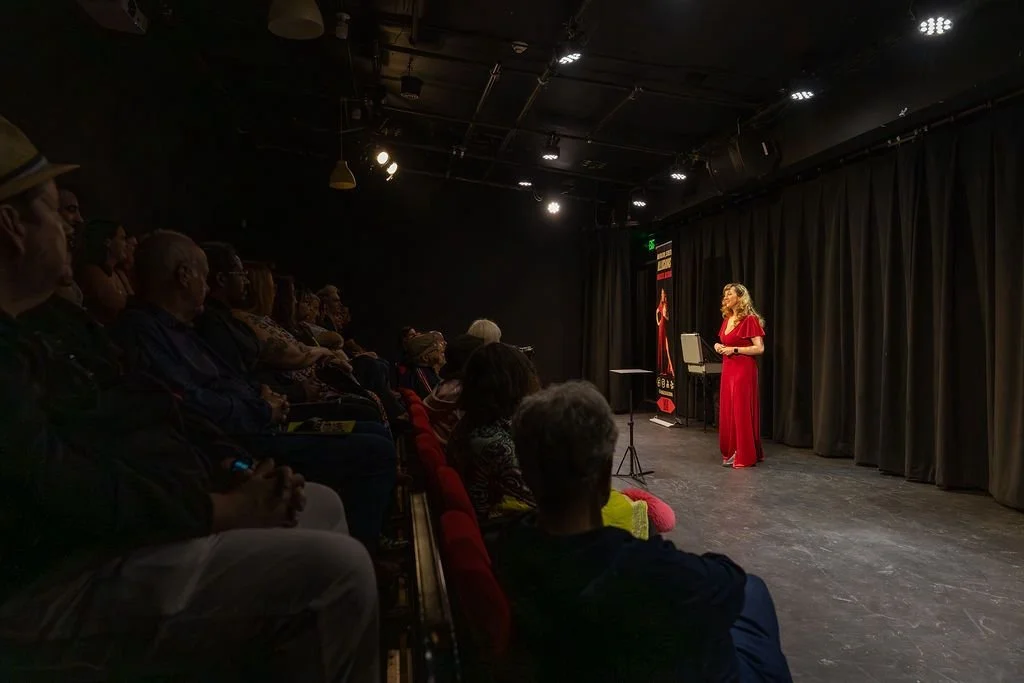
The session typically runs thirty to forty five minutes as a performance, longer if you've chosen the keynote weighting. It works in person or virtually, which matters if your workforce is distributed.
In person, it needs no stage, sound, or setup for close up work, and minimal for a stage set. Virtually, it runs on your existing platform with everyone participating using ordinary household objects. Either way there's nothing for your team to arrange beyond a room or a link, and a women month magic show shouldn't add to the workload of whoever is already coordinating a month of programming.
Frequently Asked Questions
Is it a magic show or a talk?
Primarily a performance, by someone whose profession is magic and mentalism rather than a speaker who uses tricks to hold attention. The balance is adjustable: a performance with implicit resonance, a woven narrative running through the show, or something closer to a keynote with magic throughout. Decide which you want when booking, since the right choice depends on what else is in your program.
Will it turn into a lecture about barriers?
It shouldn't. The story surfaces through the performance rather than interrupting it, and the spoken elements are brief, specific, and personal rather than general and instructive. Magic has been overwhelmingly male for its entire history, so a woman performing it well already says something before anyone speaks. A women month magic show should demonstrate the point and let the audience draw the conclusion.
Does anyone have to share personal experiences?
No, and that's an important distinction for a workplace audience. Participation means holding an object, making a choice, or thinking of something, then being astonished when it's revealed. Nobody is asked to discuss how they feel or speak in front of colleagues. Sessions requiring disclosure exclude the people least comfortable speaking up, who are frequently the ones the programming is meant to reach.
Can it count as diversity training?
No, and it shouldn't be presented that way. It doesn't cover policy, unconscious bias, inclusive hiring, or anything requiring expertise a performer doesn't have. It also isn't a substitute for the substantive work of an inclusion program. What it offers is an hour people genuinely enjoy, delivered by someone whose career illustrates the theme, which is a real contribution and a limited one.
How does it suit different audiences?
Through briefing. A hundred employees at an all hands, an employee resource group of twenty, a leadership audience, and a conference plenary are genuinely different rooms. Expect a performer to ask who's attending, roughly how senior, whether attendance is voluntary, and what else is in your program. A women month magic show delivered without that information will be generic by default.
How long is it, and what do we need to provide?
Typically thirty to forty five minutes as a performance, longer with keynote weighting. In person it needs no stage, sound, or setup for close up work and minimal for a stage set. Virtually it runs on your existing platform with everyone participating using ordinary household objects. There's nothing for your team to arrange beyond a room or a link.
How do I book you, and what do you need to get started?
Reach out with your date or timeframe, location or platform, expected attendance, who's in the room, and which balance you'd like between performance and story. That's enough for me to check availability and send a quote. I'm happy to talk through the options before you commit, particularly if you're unsure how much narrative weighting suits your program. March books up early, so enquiring in January or before helps.
Know What You're Approving
A women month magic show is a genuine performance with a story running through it, pitched at whatever weighting you choose, requiring no disclosure from your audience and nothing from your team beyond a room or a link. It isn't training, it isn't a substitute for the harder work of an inclusion program, and it doesn't pretend to be either.
What it is, when the magic is genuinely good, is the session in your Women's Month program that people attend because they want to rather than because they were asked to, and remember afterwards.
Reach out with your details, and I'll tell you honestly whether it suits your program.