

Corporate Magician or Keynote Speaker: Which Does Your Event Need?
Corporate Magician or Keynote Speaker: Which Does Your Event Need?
Plenty of organisations searching for a corporate magician know they want something memorable and haven't worked out what kind of memorable. That matters more than it appears, because entertainment and a keynote are different purchases with different objectives, budgets, and places in a programme, and booking one when you needed the other is a common and avoidable mistake.

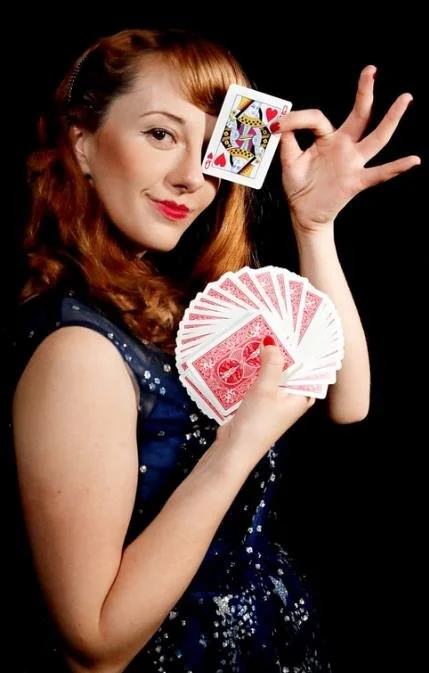
I'm Magical Katrina, an award winning magician and mentalist who does both, and I want to set out the difference honestly, including which events genuinely need neither.
They Solve Different Problems
Start with the distinction underneath everything else. Entertainment exists to improve an experience: to warm a reception, connect people who don't know each other, fill the gaps in an evening, and give guests something to enjoy.
A keynote exists to convey something. There's a message, an argument, or an idea you want an audience to leave with, and the performance is the mechanism for delivering it rather than the point. Both are legitimate, they're priced differently and briefed differently, and the useful question isn't which is better but which problem your event actually has.
When You Need Entertainment
Straightforwardly, when the objective is the experience itself. A holiday party, a client reception, an awards dinner, a summer event, a trade show floor, or a celebration where you want guests to enjoy themselves and remember the evening.
In those settings a corporate magician performing close up magic among your guests does the job better than a speaker would, because nobody at a drinks reception wants a message delivered at them. Entertainment is also the right answer when your program has no slot, since strolling magic works in the gaps that already exist rather than requiring one.
When You Need a Keynote
When your event has a slot and something to say. A conference, a leadership meeting, a sales kickoff, a company wide gathering, or an internal event built around a theme you want people to retain.
The difference from entertainment is that you're buying retention rather than atmosphere. A keynote delivered through magic demonstrates ideas to an audience rather than describing them, which means the point survives longer than a slide would. If you've built a program around a message and worry that delegates will forget it by the following week, that's a keynote problem rather than an entertainment one.
The Budgets Are Different
Worth being clear about, since it surprises people. A keynote is generally a higher figure than an entertainment booking of similar length, and for good reason: it involves writing to a brief, shaping content around your audience and theme, and delivering something bespoke rather than a set that works anywhere.
Entertainment is priced on time and coverage. A keynote is priced on preparation and content. That means a two hour strolling booking and a forty minute keynote can cost similar amounts despite the obvious difference in duration, which makes sense once you understand that most of a keynote's work happens before the day.
The Briefing Is Different Too
A practical distinction that affects your workload. Entertainment needs logistics: numbers, timings, venue, guest ages, anything sensitive. That's ten minutes and it substantially improves the result.
A keynote needs a genuine conversation about your theme, your audience, what you want them to leave with, and what else is on the program. Expect a call rather than an email exchange, and expect to be asked questions about your organization. If a speaker doesn't want that conversation, you're being sold a fixed set with your logo on the first slide, which is not the same product.
Placement Differs
Where each belongs in an agenda. Entertainment goes where your guests are mingling and unstructured: the reception, the drinks before dinner, the gaps between program items, the trade show floor.
A keynote goes in a slot with a seated audience: the opening session, the post lunch stretch where attention collapses, or the closing address. Among decisions about booking a corporate magician, getting placement right matters as much as choosing the format, since a keynote in a mingling reception fails and strolling magic during a plenary is impossible.
Can You Have Both
At a larger event, yes, and it's a common structure. A keynote in the program and close up magic during the reception cover different parts of the day and serve different objectives.
That's two bookings' worth of work and priced accordingly, though usually more economical from one performer than from two. It suits conferences and multi part events with both a seated program and social portions. For a single evening party it's unnecessary, and for a conference with a difficult afternoon and a busy exhibition hall it can be the right answer to two separate problems.
When Neither Is Right
Worth saying, since the honest answer is sometimes no. If your event is built around dancing, music comes first. If you want purely ambient atmosphere while people talk business, a musician suits better.
If your keynote needs detailed technical content, industry analysis, or a specific expert credential, you need a subject matter expert rather than a speaker whose expertise is elsewhere. And if your team is exhausted and would rather have the hour back, giving them the hour is better value than anything you could book. A performer who tells you that is worth more than one who takes the booking.

How to Decide in One Question
If you want a shortcut, ask what you'd count as success. If the answer is that guests enjoyed themselves and the event felt considered, book entertainment.
If the answer is that people left thinking about something specific, book a keynote. That single question resolves most of the confusion, and it's the one worth asking before comparing quotes, since a corporate magician and a keynote speaker will both quote you a figure and only one of them will be answering the question your event is actually posing.
Why Book Magical Katrina
If you're weighing the two, here's my case. I'm a member of the Magic Circle in London and the Academy of Magical Arts in Hollywood, I've earned multiple magic awards, and I've performed and spoken for organizations including Formula 1, the Olympics, Porsche, Prada, Zapier, and the Ritz Carlton, with appearances on Penn & Teller: Fool Us and Masters of Illusion, across events in over 20 countries. I do both, which means I have no interest in selling you the wrong one, and I'll tell you honestly which suits your event or whether you need something else entirely.
Frequently Asked Questions
What's the actual difference?
Objective. Entertainment exists to improve an experience: warming a reception, connecting people, filling gaps, giving guests something to enjoy. A keynote exists to convey something, with a message you want an audience to leave with and the performance as the delivery mechanism. Both are legitimate, and the useful question is which problem your event has rather than which is better.
Which does a holiday party need?
Entertainment, almost always. Parties, receptions, awards dinners, and celebrations exist for the experience itself, and nobody at a drinks reception wants a message delivered at them. It's also the right answer when your program has no slot, since strolling magic works in the gaps that already exist rather than requiring one to be created.
When is a keynote the better booking?
When your event has a slot and something to say: a conference, leadership meeting, sales kickoff, or gathering built around a theme you want retained. You're buying retention rather than atmosphere, since a keynote delivered through magic demonstrates ideas rather than describing them, and the point survives longer than a slide. If you fear delegates will forget the message, that's a keynote problem.
Why does a keynote cost more for less time?
Because it's priced on preparation and content rather than time and coverage. A keynote involves writing to a brief, shaping content around your audience and theme, and delivering something bespoke rather than a set that works anywhere, so most of the work happens before the day. A two hour strolling booking and a forty minute keynote can reasonably cost similar amounts.
How does the booking process differ?
Entertainment needs logistics: numbers, timings, venue, anything sensitive, which takes ten minutes and substantially improves the result. A keynote needs a genuine conversation about your theme, audience, and what you want people to leave with. Expect a call rather than an email exchange, and if a speaker doesn't want that conversation, you're being sold a fixed set with your logo added.
Can we book both for one event?
At a larger event, yes, and it's a common structure: a keynote in the program and close up magic during the reception, covering different parts of the day and different objectives. That's two bookings' worth of work priced accordingly, though usually more economical from one performer than two. For a single evening party it's unnecessary.
How do I decide quickly?
Ask what you'd count as success. If it's that guests enjoyed themselves and the event felt considered, book entertainment. If it's that people left thinking about something specific, book a keynote. That question resolves most of the confusion, and it's worth asking before comparing quotes, since both will quote a figure and only one answers what your event is actually asking.

Buy the Outcome, Not the Category
Searching for a corporate magician returns two genuinely different products, and the term covers both. Entertainment improves an evening and a keynote delivers a message, they're priced and briefed differently, they belong in different parts of a program, and choosing between them is a matter of what you'd count as success rather than which sounds more impressive.
Work that out first and the rest becomes straightforward, including the possibility that your event needs neither.
Reach out with what you're trying to achieve, and I'll tell you honestly which one fits.