


Magicians in Las Vegas: Booking a Keynote Speaker for Your Conference
Magicians in Las Vegas: Booking a Keynote Speaker for Your Conference
Conference organisers searching for magicians in Las Vegas are usually looking for entertainment: something for the reception, the gala dinner, or the exhibition floor. That's a legitimate booking and it isn't what this page is about.

This is about the other thing a magician can do at a conference, which is deliver the keynote. I'm Magical Katrina, an award winning magician and mentalist, and I want to explain what a magic led keynote actually involves, why it holds a room differently from a conventional talk, and how to judge whether it suits your program.
A Speaker Who Uses Magic, Not an Act With a Message
Worth establishing the distinction immediately, because both exist and they're different products. One is an entertainer who adds a few remarks about teamwork at the end, which audiences recognize instantly and discount.
The other is a keynote with genuine content, where the magic is the delivery mechanism rather than the interval. Ideas are demonstrated rather than described, points are illustrated with something happening in front of the room rather than on a slide, and the performance and the argument are the same object. That's what I do, and it's worth asking any speaker you're considering which of the two they're offering.
Your Delegates Have Sat Through Three Sessions Already
The practical problem a keynote has to solve, particularly in the Vegas conference context where programs run long and days start early.
By the time your keynote begins, delegates have absorbed several hours of content, eaten, and possibly been out late. A speaker relying on slides and delivery is working against all of that. A magic led keynote does not, because the room cannot predict what's coming next, and unpredictability is the one thing that reliably holds a tired audience. That's a scheduling advantage as much as an entertainment one.
Demonstration Beats Assertion
The mechanism underneath the format. A conventional keynote asserts things: that perception is unreliable, that attention is narrower than we assume, that expectation shapes what we notice, that certainty and accuracy are different.
A magic led keynote demonstrates them, to the audience, in real time, using the audience's own experience as the evidence. Delegates don't accept the point because a speaker made it convincingly, they accept it because it just happened to them. Among reasons organizers book magicians in Las Vegas as speakers rather than as entertainment, that difference in how the argument lands is the substantive one.
People Remember It
The outcome organizers actually care about, and the honest reason to consider this format. Conference content decays quickly, and by the following week most delegates retain a handful of impressions rather than the substance of what they heard.
What people retain is what surprised them. A point attached to a moment of genuine astonishment survives in a way a point attached to a slide does not, which means the message you wanted delivered is still there in a month. If your keynote exists to convey something rather than to fill a slot, that retention is the whole argument for the format.
The Topics
Worth being clear about what I speak on, since a keynote needs subject matter rather than only a device. My talks draw on building a career in an unusual field and cover areas including marketing and attention, entrepreneurship and building something without a template, communication and how people actually receive information, and ADHD and working with the way your own mind operates.
Those are tailored to the audience and the brief rather than delivered as fixed sets, and the right emphasis depends on who's in the room. If your conference has a theme, tell me at the enquiry stage and I'll tell you honestly whether I can serve it well or whether you need a different speaker.
It Suits an Analytical Room
Worth knowing when assessing fit. Conference audiences are frequently professional, technical, or skeptical, and that's an advantage rather than an obstacle here.
Someone applying genuine analytical attention who still cannot account for what happened experiences the demonstration more forcefully than a casual observer, because their certainty was better founded. For a room of engineers, clinicians, lawyers, or executives, a keynote that shows rather than tells lands harder than a talk that asks them to take a claim on trust, which they're professionally disinclined to do.
Where It Sits in a Program
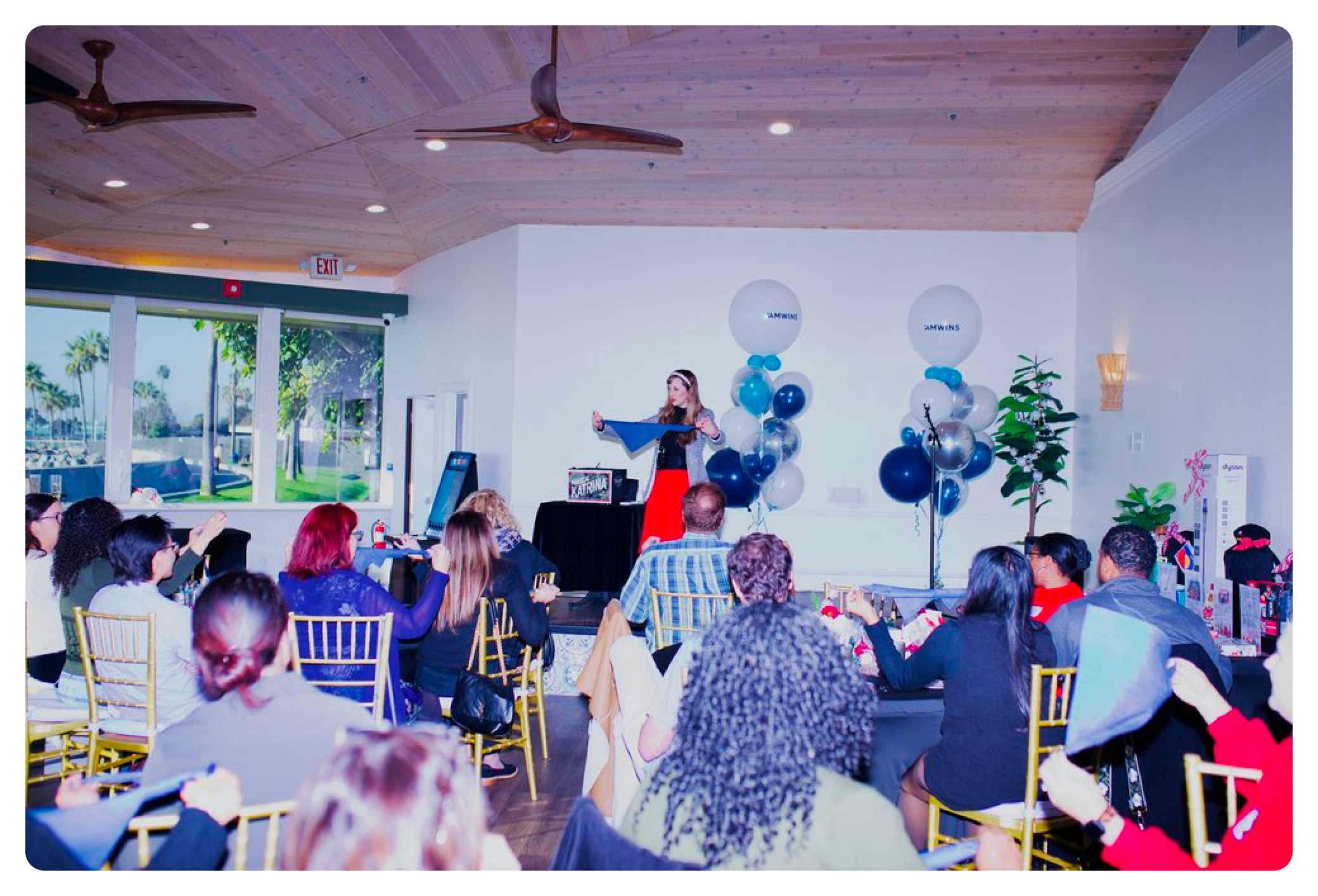
Practically, a magic led keynote works in several positions. The opening slot, where it sets a tone and signals that this conference isn't the usual sequence of presentations.
The post lunch session, where attention reliably collapses and a conventional speaker struggles most. The closing keynote, where it sends delegates away with something they'll describe rather than a summary they'll forget. And the second morning of a multi day event, where attendance itself frequently dips. Among placements for magicians in Las Vegas speaking rather than performing, the difficult slots are where this earns most.
What It Needs From Your Venue
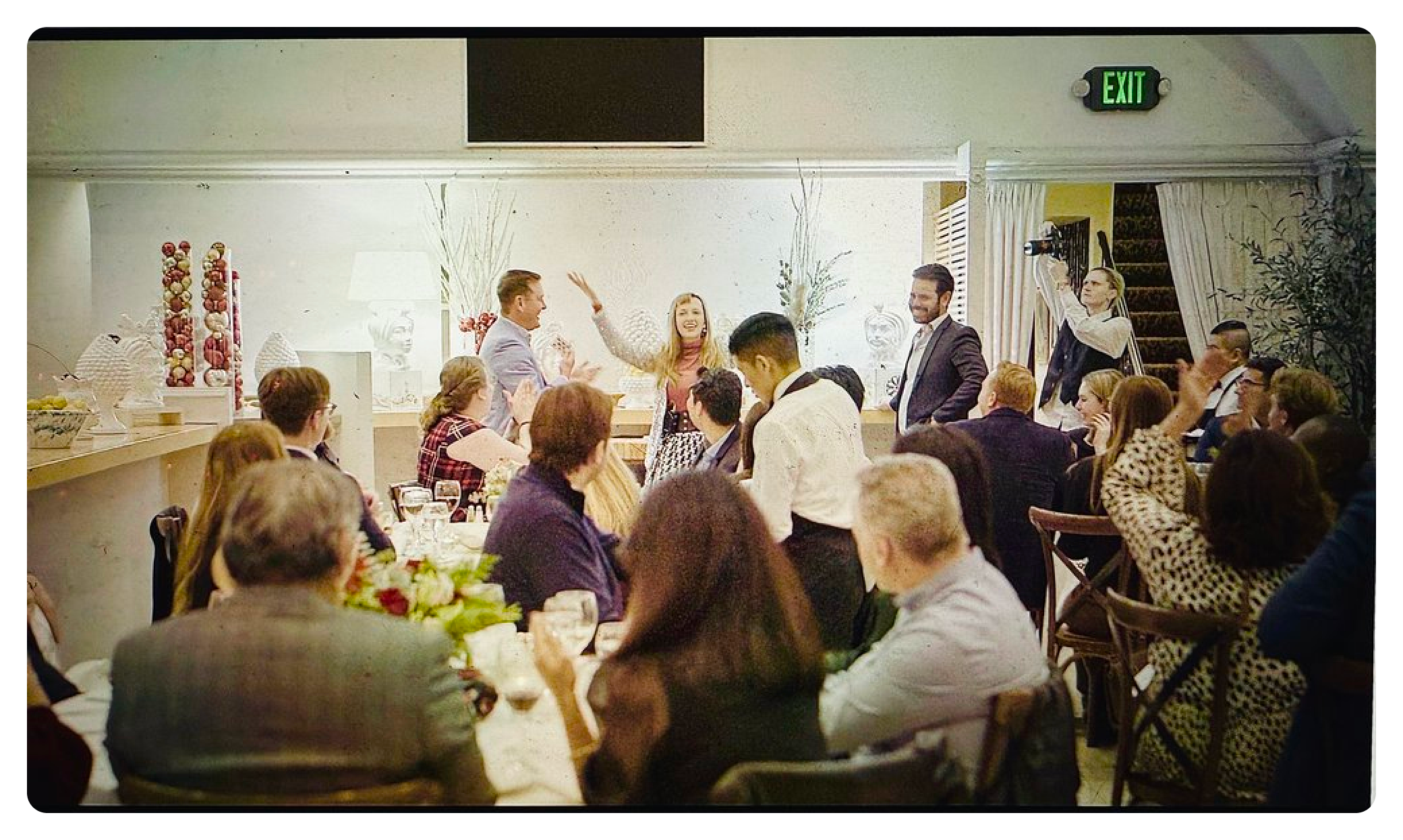
Less than most keynotes, which matters in Vegas where hotel production costs are set at convention scale. A keynote needs a microphone and the staging you already have for your other speakers, and nothing beyond that.
There's no additional rigging, no special lighting requirement, no technical rehearsal beyond a normal sound check, and nothing that adds a line to your AV invoice. For an organizer who has already discovered what a convention hotel charges for staging, a speaker who works with what's in the room is worth knowing about.
How to Judge Whether It Fits
A short set of questions. Does your program have a slot where a conventional speaker would struggle. Is your audience analytical, skeptical, or tired of standard conference delivery. Do you have a message you want delegates to retain rather than merely hear.
If yes to those, this format suits you. If your keynote needs to deliver detailed technical content, industry specific analysis, or a particular expert credential, it doesn't, and I'd say so rather than take the booking. A keynote that's wrong for the brief is a worse outcome for both of us than an honest conversation at the enquiry stage.
A Note on "Local vs. Traveling In"
Worth knowing: I'm based in the Los Angeles area and travel to Las Vegas regularly for conferences, with travel discussed openly and factored into the quote rather than appearing later. Convention weeks book out early across every category, so if your conference falls in one, an early enquiry genuinely helps.
Why Book Magical Katrina
If you're considering a keynote, here's my case. I'm a member of the Magic Circle in London and the Academy of Magical Arts in Hollywood, I've earned multiple magic awards, and I've performed and spoken for organizations including Formula 1, the Olympics, Porsche, Prada, and the Ritz Carlton, with appearances on Penn & Teller: Fool Us and Masters of Illusion, across events in over 20 countries. I write to the brief rather than delivering a fixed set, I need only the staging your other speakers use, and I'll tell you honestly if another speaker would serve your theme better.
Frequently Asked Questions
Is this a keynote or a magic show?
A keynote, with magic as the delivery mechanism rather than the interval. There's a version of this that's an entertainer adding remarks about teamwork at the end, which audiences recognize and discount immediately. The version worth booking has genuine content where the performance and the argument are the same object. Ask any speaker you're considering which they're offering.
Why does it hold an audience better?
Because the room cannot predict what's coming next, and unpredictability is the one thing that reliably holds a tired audience. By the time your keynote begins, delegates have absorbed several hours of content and possibly been out late, which a speaker relying on slides and delivery is working against. That's a scheduling advantage as much as an entertainment one.
What does it actually deliver beyond enjoyment?
Retention. Conference content decays quickly, and what people keep is what surprised them, so a point attached to a moment of genuine astonishment survives where a point attached to a slide doesn't. If your keynote exists to convey something rather than fill a slot, the message still being there in a month is the substantive argument for the format.
What topics do you cover?
Talks drawing on building a career in an unusual field, covering marketing and attention, entrepreneurship and building something without a template, communication and how people actually receive information, and ADHD and working with the way your own mind operates. These are tailored to the audience and brief rather than delivered as fixed sets, so tell me your theme and I'll say whether I can serve it well.
Will it suit a technical or skeptical audience?
Particularly well. Someone applying genuine analytical attention who still cannot account for what happened experiences the demonstration more forcefully than a casual observer, because their certainty was better founded. For a room of engineers, clinicians, lawyers, or executives, showing rather than telling lands harder than a talk asking them to take a claim on trust.
Where should it sit in our program?
Wherever a conventional speaker would struggle: the opening slot to set a tone, the post lunch session where attention collapses, the closing keynote so delegates leave with something they'll describe, or the second morning of a multi day event where attendance dips. Among the placements available, the difficult slots are where this format earns most.
What do you need from our venue?
A microphone and the staging your other speakers are already using. There's no additional rigging, no special lighting, no technical rehearsal beyond a normal sound check, and nothing that adds a line to your AV invoice, which matters in Las Vegas where convention hotel production costs are set at scale.
How do I book you, and what do you need to get started?
Reach out with your conference dates, the venue, delegate numbers, your theme, and which slot you're considering. That's enough for me to check availability, discuss how the talk would be shaped for your audience, and send a quote including travel. If your keynote needs detailed technical content or a specific expert credential I don't have, I'll tell you rather than take the booking.
A Keynote They'll Still Be Quoting in a Month
Most conference content is delivered competently and forgotten within a fortnight, which is a poor return on a program organizers spend months building. Booking among magicians in Las Vegas as a keynote speaker rather than as entertainment addresses that directly: a room that can't predict what's next, points demonstrated on the audience rather than asserted at them, an argument that lands with a skeptical audience precisely because they were scrutinizing it, and nothing added to your production budget.
If you have a difficult slot or a message you need to stick, I'd be glad to hear what you're planning.
Reach out with your dates and theme, and let's talk about the room.