


Female Magician in San Francisco for Galas and Fundraisers
Female Magician in San Francisco for Galas and Fundraisers
Bay Area benefit rooms contain two donor populations who don't entirely overlap. There's the established circuit that supports the arts, hospitals, and universities, and there's newer money from technology, much of it giving at scale without much history of attending this kind of evening.
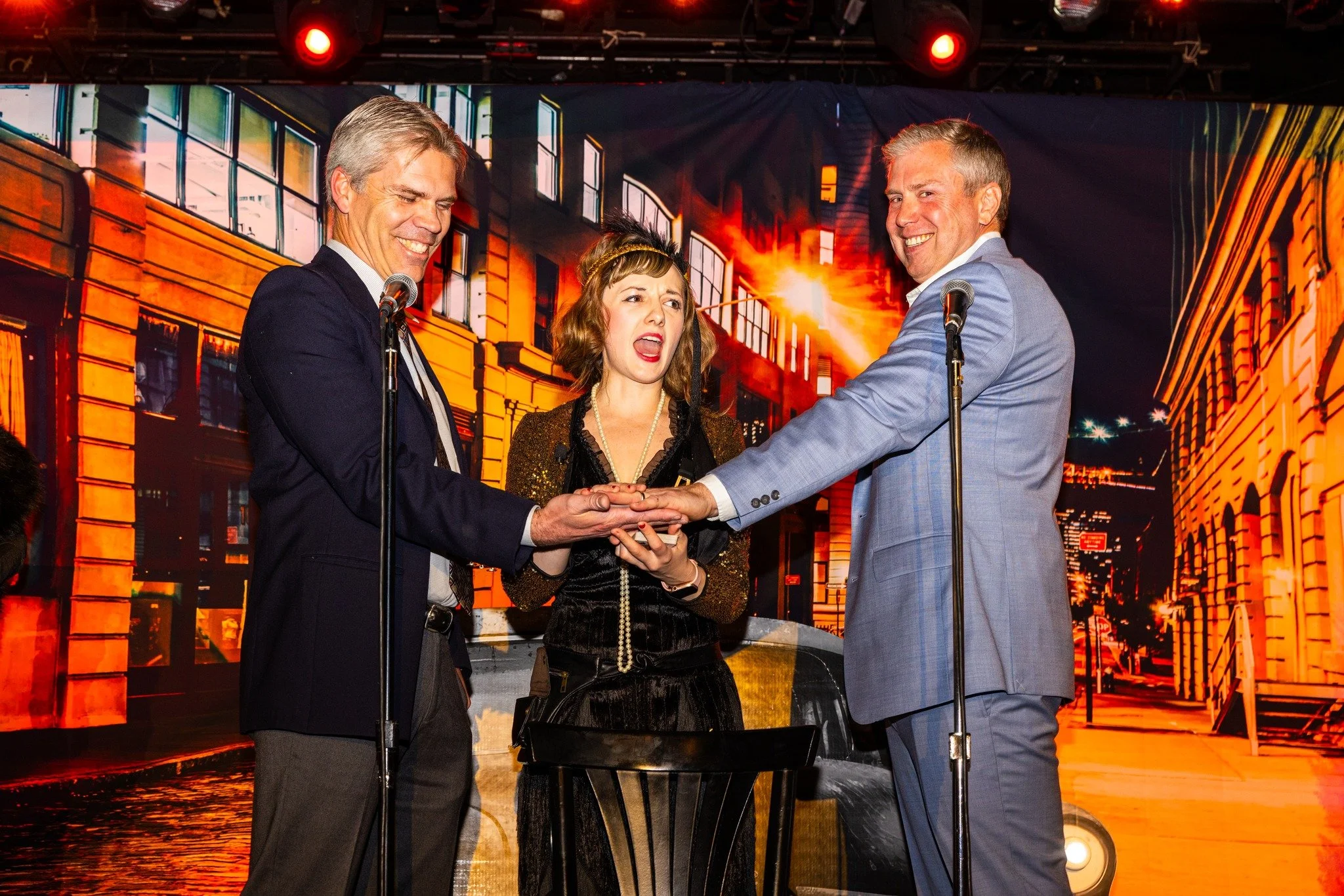
Both are in your room and they behave differently. I'm Magical Katrina, an award winning magician and mentalist, and I want to explain what a female magician in San Francisco contributes to a gala, which is mostly about the room's temperature when the appeal arrives.
Skill Decides It
Worth establishing before anything else. Skill in magic and mentalism has nothing to do with gender, and you should book a female magician in San Francisco because she's genuinely excellent, assessed on the criteria you'd apply to anyone.
What follows on top is distinctiveness, which at a gala is a real consideration rather than a flourish, since donors have seen a great deal and an evening that feels considered reads differently from one following the template. That's a bonus on top of genuine skill rather than a reason on its own, and it belongs at the top rather than buried at the bottom.
Your Two Donor Groups Sit Separately
The local observation worth planning around. Established supporters know each other, have attended together for years, and arrive as a social group. Newer donors frequently don't know anybody, haven't done many of these, and are slightly unsure of the conventions.
Left alone, those groups occupy different parts of the room all evening. That matters beyond atmosphere, since the long term health of an organization depends on newer donors becoming committed ones, and that happens through relationships rather than through the case for support. A performer moving between groups mixes them mechanically, which no seating plan alone achieves.
The Reception Decides the Appeal
The argument that matters commercially. Every gala has a drinks reception, usually treated as the stretch during which people arrive and find their tables, and it's actually the hour that determines how the room feels when you ask.
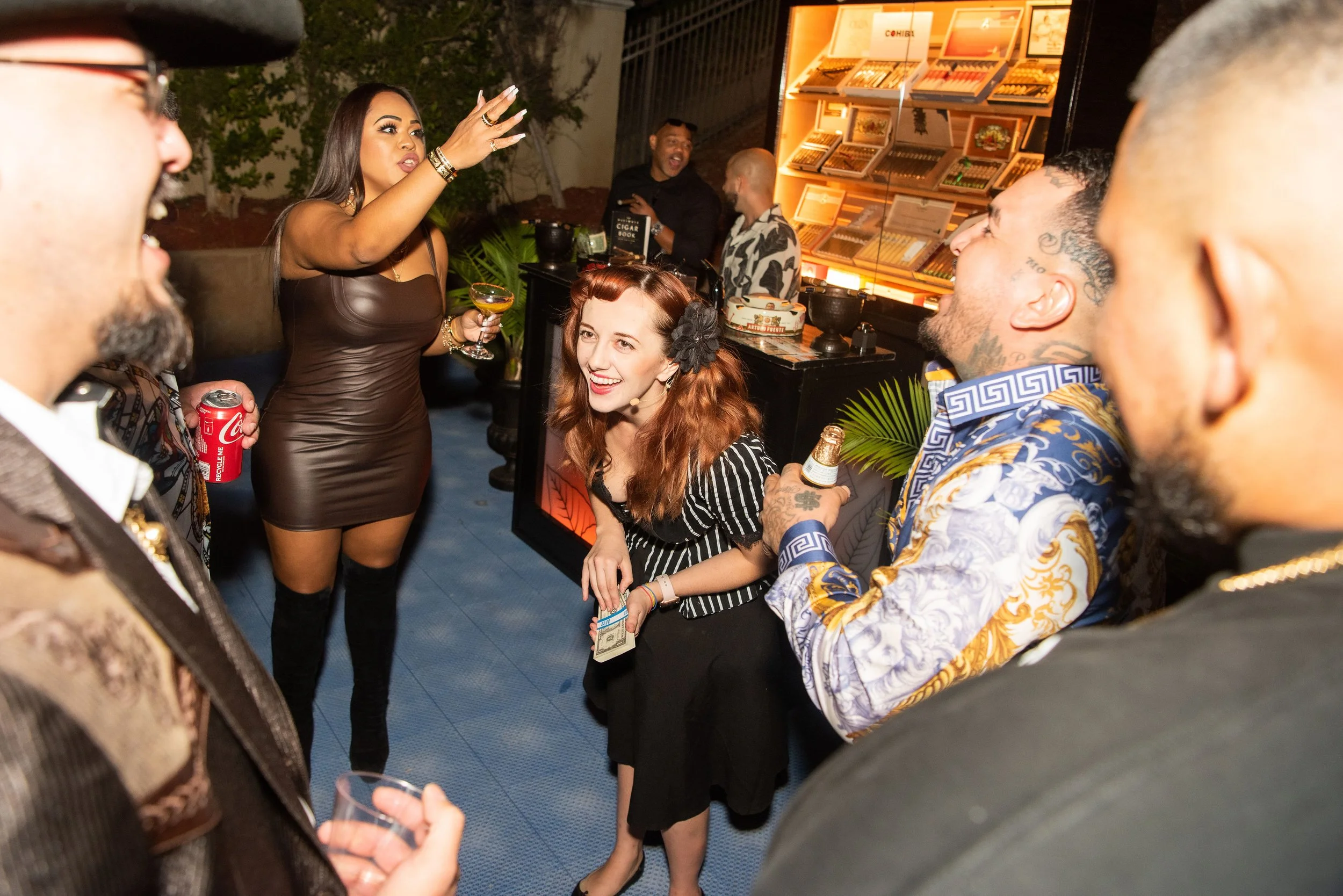
Left alone it's donors standing with people they already know. A female magician in San Francisco working that hour changes it: guests are astonished a few at a time, groups reshuffle, and by the time dinner is called the room is animated rather than patient. Anyone who has run an appeal knows a warm room gives differently from a restrained one.
Analytical Donors Respond Well
Worth knowing, since it affects what lands here. A significant share of Bay Area donors work in technology, science, or research, and their instinct on encountering something impossible is to work out how.
That makes them a better audience rather than a harder one, since someone applying genuine scrutiny who still cannot account for what happened is more affected than a casual observer. It also gives them something to talk about with the table they didn't know, which is precisely the outcome your development team wants from a reception and rarely gets from a bar.
It Takes No Program Time
Practically decisive for a committee that has trimmed the run of show twice. Your evening already contains a welcome, dinner service, a video, a speaker or honoree, an auction, and the appeal, and something always overruns.
Close up magic requires no stage, microphone, sound, or slot, since it works during the reception and between courses in gaps that exist anyway. Entertainment costing nothing from the schedule is unusually easy to approve, and it's frequently why this is chosen over a band or a comedian at events where minutes are already contested.
It Helps the Auction
Worth noting, since that's where much of the money is. Auctions run on mood: a room enjoying itself bids, and a polite, slightly flat room doesn't.
Entertainment during the reception and between courses sustains energy across the stretch before the auction rather than letting it dissipate through dinner service. It also keeps tables conversational rather than watchful, which matters when the bidding opens. Neither effect is easy to attribute precisely, and both are recognizable to anyone who has watched the same lot perform differently in two different rooms.
Bay Area Gala Venues Are Restrictive
Practically relevant. Benefits here happen in museums, historic buildings, converted industrial spaces, and occasionally outdoors, many chosen for character rather than facilities and several with rules about fixings, candles, power, and proximity to exhibits.
Close up magic needs none of it, working among guests who are already circulating with no conversation required about permissions. For an organization using a donated or discounted venue that arrives with a policy list, entertainment adding no requirements is genuinely practical rather than merely convenient.
Justifying It to the Board
Worth addressing, since someone will ask. Entertainment at a benefit sits alongside venue, catering, and production in the cost of raising money, and the fair question is whether it improves the return.
The honest answer is that it affects the reception, the mixing of donor groups, the mood through dinner, and the room's temperature at the auction and appeal, which are the mechanisms by which a gala actually raises anything. It also costs considerably less than most other lines on a gala budget. That's a straightforward case for a board: a modest spend aimed at the part of the evening everything else depends on.
A Note on "Local vs. Traveling In"
Worth knowing: there are relatively few women working professionally in magic, so restricting your search to Bay Area based performers shrinks an already small pool, particularly during the concentrated benefit seasons. Many travel in, with travel discussed openly and factored into the quote. I'm based in the Los Angeles area and travel to San Francisco and the wider Bay Area for events.
Why Book Magical Katrina
If you'd like a female magician in San Francisco for your benefit, here's my case. I'm a member of the Magic Circle in London and the Academy of Magical Arts in Hollywood, I've earned multiple magic awards, and I've performed for clients including Formula 1, the Olympics, Porsche, Prada, Zapier, and the Ritz Carlton, with appearances on Penn & Teller: Fool Us and Masters of Illusion, across events in over 20 countries. My work is warm and elegant rather than showy, which suits a formal evening, I blend close up magic with mentalism, and I need no stage, sound, or program time.
Frequently Asked Questions
Why hire a performer for a fundraiser?
Because it improves the mechanisms by which a gala raises money. The reception determines how the room feels when you ask, and left alone it's donors standing with people they already know. A performer working that hour means guests are astonished a few at a time and arrive at dinner animated rather than patient, and a warm room gives differently.
Our donors don't all know each other. Does that matter?
Considerably, and it's a Bay Area pattern worth planning around. Established supporters arrive as a social group while newer donors, many from technology, frequently know nobody. Left alone they occupy different parts of the room, and since newer donors become committed ones through relationships rather than the case for support, mixing them mechanically matters.
Will it land with a technical crowd?
Better than with most audiences, since a significant share of Bay Area donors work in technology, science, or research and their instinct is to work out how something functions. Someone applying genuine scrutiny who still cannot account for it is more affected than a casual observer, and it gives them something to discuss with the table they didn't know.
Does it take time from our program?
No, and that's frequently why it's chosen over a band or comedian. Close up magic needs no stage, microphone, sound, or slot in the run of show, since it works during the reception and between courses in gaps that exist anyway. For a committee that has trimmed the evening twice, that makes it unusually easy to approve.
Does it affect the auction?
Through mood, which auctions depend on, since a room enjoying itself bids and a polite, slightly flat room doesn't. Entertainment during the reception and between courses sustains energy across the stretch before the auction rather than letting it dissipate through dinner, and keeps tables conversational rather than watchful when bidding opens.
Will it work in our venue?
Almost certainly, since benefits here happen in museums, historic buildings, converted spaces, and occasionally outdoors, many with rules about fixings, candles, power, and proximity to exhibits. Close up magic needs none of it and works among circulating guests with no conversation required about permissions, which matters with a donated venue and a policy list.
How do we justify it to the board?
As a modest line aimed at the part of the evening everything else depends on. Entertainment sits alongside venue, catering, and production in the cost of raising money, and the relevant question is whether it improves the return. A warm reception, mixed donor groups, and a receptive room at the auction and appeal are the mechanisms that produce giving.
How do I book you, and what do you need to get started?
Reach out with your date, venue, expected guest numbers, and your run of show including where the auction and appeal sit. That's enough for me to check availability, suggest where the magic works best, and send a quote including travel. I'll send a COI for your venue without being chased.
Warm the Room and Mix It
A Bay Area benefit contains donors who have supported you for decades and donors who arrived through technology money and know almost nobody, and the evening succeeds partly on whether those groups end up talking to each other. A female magician in San Francisco addresses that directly: a reception that builds rather than idles, donor groups mixed by something other than a seating plan, an analytical room genuinely impressed, and not a minute taken from a program you've already trimmed.
If you'd like your next benefit to reach the appeal with the room already warm, I'd be glad to hear about it.
Reach out with your date and run of show, and let's make the evening work.