


Female Magician for University and STEM Outreach Events
Female Magician for University and STEM Outreach Events
Universities, engineering firms, and science organizations run a great deal of outreach aimed at getting more girls into technical subjects. Open days, summer schools, widening participation programs, girls in engineering events, and careers evenings all exist for the same reason, and the people running them know the difficult part isn't the activities.
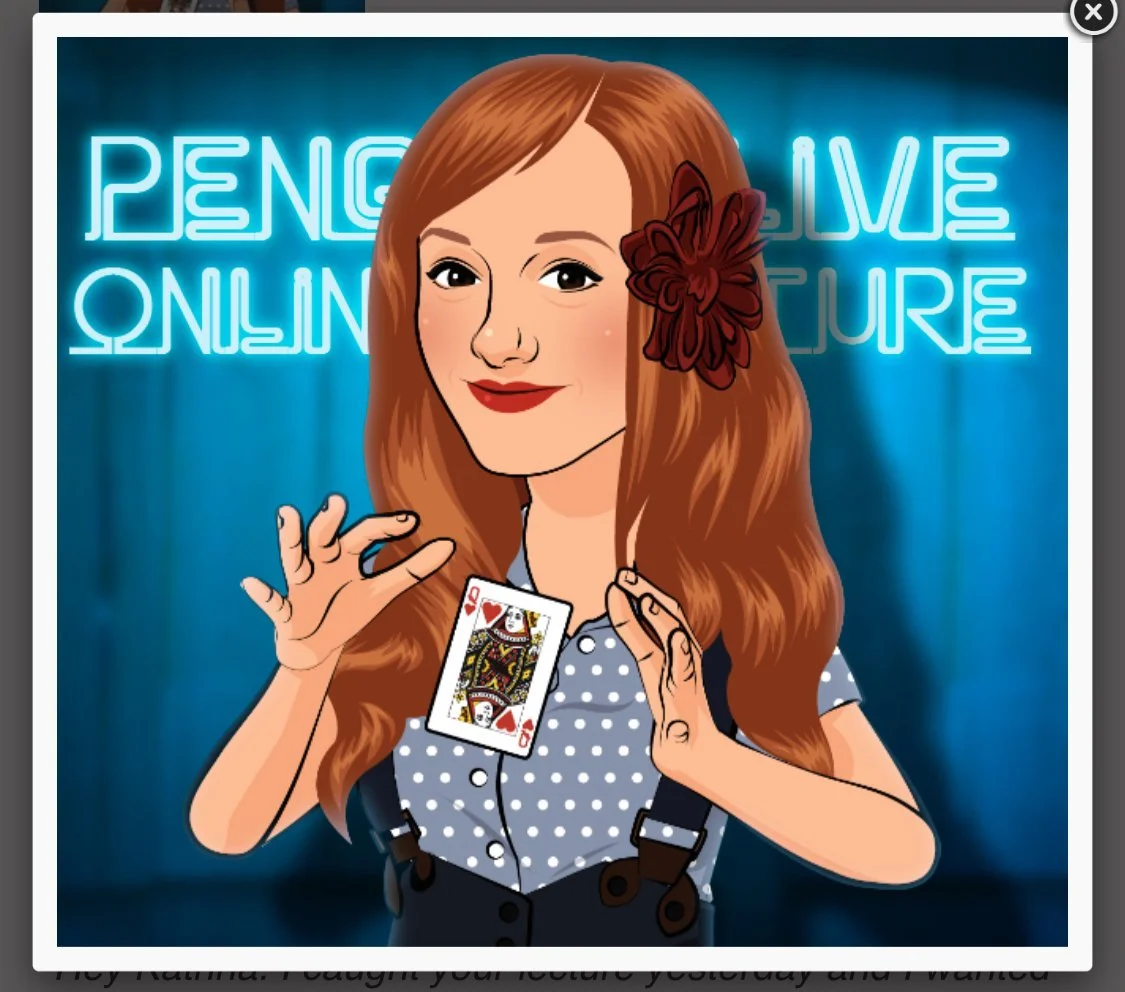
The difficult part is that fifteen year olds can tell when they're being recruited. I'm Magical Katrina, an award winning magician and mentalist, and I want to set out what booking a female magician does at an outreach event, and why it works differently from a talk.
Skill Decides It
Let me be direct about the keyword. Skill in magic has nothing to do with gender, and you should book me because I'm genuinely good at this: thirteen years of performance, awards from my peers, and rooms full of people who work in technical fields and still can't account for what they watched.
In this setting the rest matters more than it does elsewhere, and it matters without being said. A room of teenage girls watching a woman be unmistakably expert at something difficult has received the message your entire program exists to deliver, without a slide, a statistic, or anybody telling them what to conclude. That's a bonus on top of the work being good, and here it does genuine work.
Teenagers Detect Recruitment Instantly
Start with the constraint everybody in outreach knows. A fifteen year old sitting through a presentation about career opportunities in engineering has correctly identified that somebody wants something from her, and her attention adjusts accordingly.
That doesn't mean she isn't interested. It means the format is working against you, because the thing being sold is visible. Anything in your program that isn't obviously a pitch has a considerable advantage, and the parts of an outreach day students remember are almost never the parts designed to persuade them.
Demonstration Beats Description
Why this format suits the brief. Telling somebody that women do technical, difficult, precise work is a claim. Watching a woman do something technical, difficult, and precise is an experience, and the second one doesn't require anybody to believe you.
That's the whole argument for this kind of booking at an outreach event. Nobody has to make the point, because the point is in the room. For a program whose entire purpose is shifting what a group of teenagers imagines is available to them, something they witness outperforms something they're told.
Magic Is Closer to Your Subject Than It Looks
Worth drawing out, since it's a useful bridge. Magic is built on method, iteration, testing, failure, and a great deal of unglamorous practice, which is a reasonably accurate description of scientific and engineering work.
That makes it a natural conversation starter for the rest of your program. A session that ends with students wanting to know how something worked is a session that has them asking the question your whole day is about. If you want to make that link explicit, it's easy to build into the event rather than leaving it implied.
Mixed Groups Still Work
Worth saying, since plenty of outreach is mixed rather than girls only. The same session works for a mixed cohort, and nothing about it positions anybody as the problem or the beneficiary.
That matters because mixed outreach frequently struggles with exactly that: a program that visibly addresses one half of the room loses the other half. Here the boys in the group are simply watching somebody be excellent, which is the right thing for them to see too, and nobody has had to sit through an explanation of why the event exists.
Fit It Around the Timetable You Have
Practically relevant for an outreach day. These programs run to a tight schedule with lab sessions, campus tours, lunch, and a bus leaving at a fixed time, and anything requiring setup eats into somebody's session.
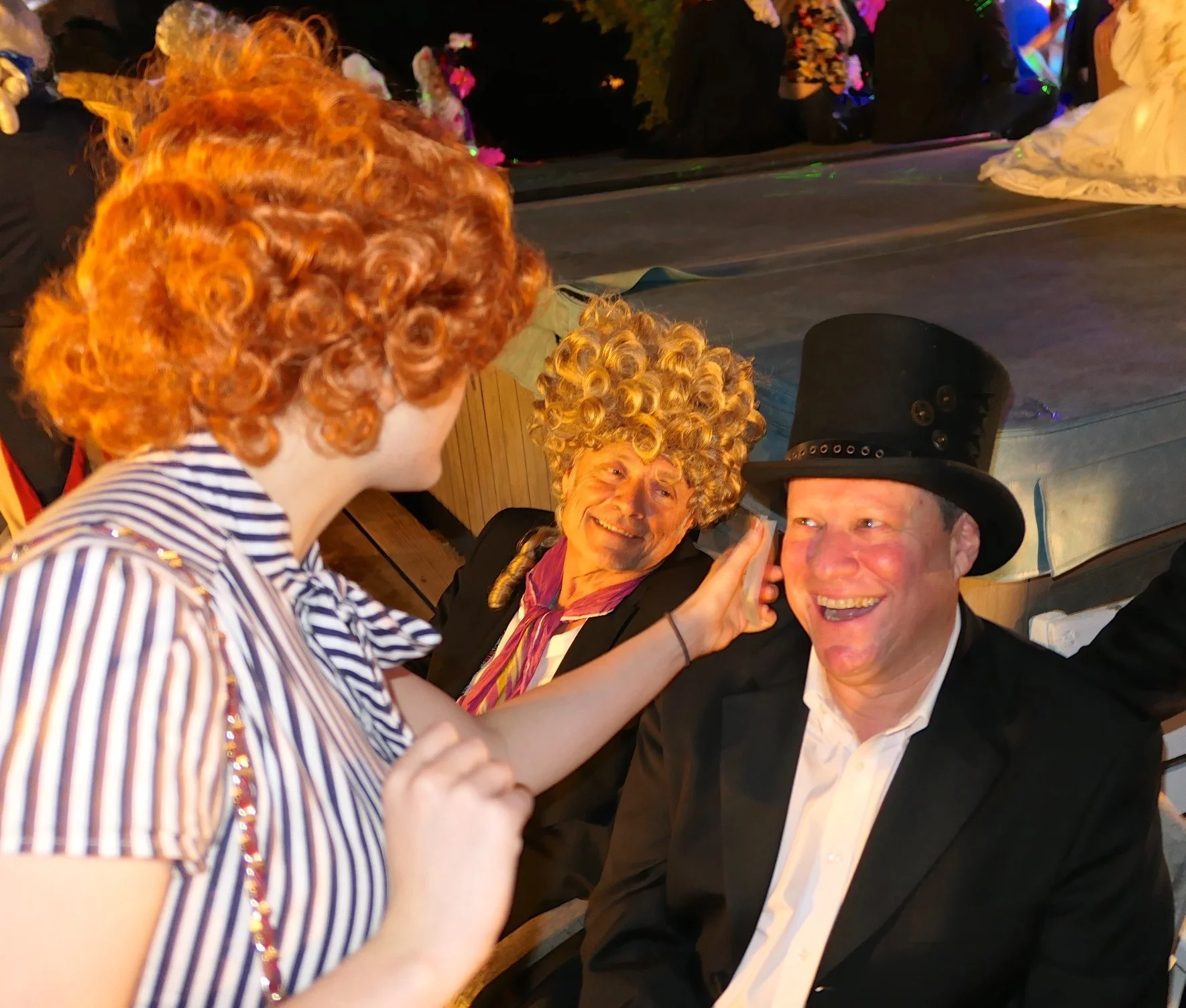
Close up work needs no stage, power, sound, or room change, so it happens in a lab, a lecture theatre foyer, a marquee on a campus lawn, or whatever space the day has. It also works in short slots across a day rather than requiring one long block, which suits a rotation of groups moving between activities.
Think About Who Else Is in the Room
Worth planning for. Outreach events frequently include teachers, parents, and ambassadors from your own staff, and those adults are a secondary audience worth reaching.
A teacher who had a good day recommends your program to next year's cohort, and a parent who came along forms a view of your institution. Something that works for the adults as well as the students gets you both audiences from the same booking, which for a program reporting on reach is worth noting.
Say What You Want It to Do
Worth settling when you book. An outreach slot can be a reward at the end of a long day, an opener that warms a cold room of nervous teenagers, or something deliberately linked to the themes of your program.
Those are different sessions. Tell whoever you're booking which one you want and what the day is trying to achieve, since a performer given that context builds something that fits your program rather than sitting alongside it.
Why Book Magical Katrina
If you're running outreach, here's my case. I'm a member of the Magic Circle in London and the Academy of Magical Arts in Hollywood, one of relatively few women to hold both, I've earned multiple magic awards including a Family Entertainer of the Year honour, and I've appeared on Penn & Teller: Fool Us and Masters of Illusion as well as working with Blippi as a performer and magic consultant. I speak as well as perform, including on communication and entrepreneurship, I work short slots across a day or a single session, I need no stage, power, or setup so your timetable is unaffected, and I'm fully insured with a certificate available.
Frequently Asked Questions
Why don't talks work well with this age group?
Because a fifteen year old sitting through a presentation about career opportunities has correctly identified that somebody wants something from her, and her attention adjusts. The format works against you when the thing being sold is visible.
What makes this different?
Demonstration rather than description. Telling students that women do technical, precise work is a claim, whereas watching a woman do something technical and precise is an experience that doesn't require anybody to believe you.
Does the connection to STEM feel forced?
It shouldn't, since magic is built on method, iteration, testing, failure, and a lot of unglamorous practice, which describes technical work reasonably well. A session ending with students asking how something worked has them asking your programs question.
Our cohort is mixed, not girls only. Does it still work?
Yes, and that's a point in its favor, since mixed outreach frequently loses half the room when a program visibly addresses the other half. Here the boys are watching somebody be excellent, which is the right thing for them to see.
Will it fit our timetable?
Yes, since close up work needs no stage, power, sound, or room change and runs in short slots across a day rather than one long block. That suits a rotation of groups moving between labs, tours, and lunch with a bus leaving at a fixed time.
What about the teachers and parents attending?
They're a secondary audience worth reaching, since a teacher who had a good day recommends your program next year and a parent forms a view of your institution. Something that works for adults as well as students gets both from one booking.
Where should it sit in the day?
Depends what you want from it: a reward at the end, an opener that warms a nervous room, or something linked to your program themes. Those are different sessions, so say which you want and what the day is trying to achieve.
Do you speak as well as perform?
Yes, including on communication and entrepreneurship, so a session can be purely performance or can carry a talk alongside it. Tell me what your program needs and I'll tell you honestly which version fits.

Let Them Watch Instead of Listen
The hardest part of STEM outreach is that the audience knows it's being recruited, and the most effective parts of any outreach day are the ones that don't feel like persuasion.
Booking a female magician puts something in your program that students experience rather than sit through, carries the message your day exists to deliver without anybody having to state it, fits a tight timetable with nothing to set up, and works for the teachers and parents in the room as well.
Reach out with your date and what your program is trying to achieve, and I'll tell you how I'd build the session.