

Harry Potter Wedding: Choosing a Venue That Does the Work for You
Harry Potter Wedding: Choosing a Venue That Does the Work for You
Couples planning this kind of wedding usually start with the styling: the stationery, the table names, the details. It's the enjoyable part. It's also the part that costs the most and achieves the least, because a room without the right bones cannot be decorated into atmosphere no matter how much you spend.

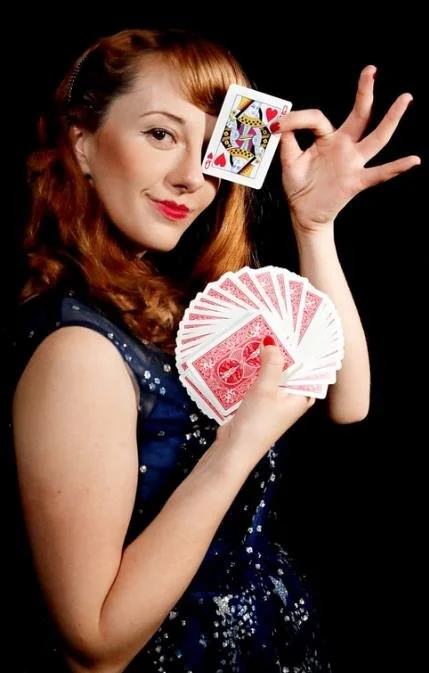
The venue does that work, or it doesn't. I'm Magical Katrina, an award winning magician and mentalist who performs at weddings, and I want to go through what actually creates the feeling couples are after at a Harry Potter wedding, so your venue budget does the heavy lifting your décor budget otherwise has to.
Look for Bones, Not Themes
The principle underneath everything here. What produces the atmosphere is architecture: stone, dark wood, height, age, and the quality of light a room holds.
A modern function room with a low ceiling and recessed lighting cannot be styled into that, and couples who try end up spending a great deal on props that read as props. A historic hall with bare stone and a vaulted ceiling requires almost nothing, because the room is already doing it. Among decisions at a Harry Potter wedding, choosing a venue with the right bones is the one that determines how much everything else has to work.
The Features That Genuinely Matter
Worth knowing what to look for when you're visiting. Stone or exposed brick walls. Dark wood paneling, beams, or a timber roof. Height, particularly vaulted or trussed ceilings. Long rooms that suit banquet tables rather than rounds.
Also: fireplaces, leaded or arched windows, stone floors, a staircase worth photographing, and any sense of the building having a history. Any three of those and the room is doing most of the work. None of them and you're funding an entire atmosphere from scratch, which is expensive and rarely convincing.
Venue Types Worth Considering
Practically, certain categories deliver this reliably. Historic halls and manor houses, particularly ones with a great hall or a long dining room. Livery halls, colleges, and institutional buildings with age. Converted churches and chapels. Libraries and reading rooms, which are frequently available for events and almost perfect for this.
Also worth considering: barns with genuine timber structure rather than modern reproductions, museums with period interiors, and older hotels with paneled rooms rather than ballrooms. Among options for a Harry Potter wedding, a library or a great hall gets you further than any amount of styling in a neutral space.
Long Tables Change Everything
A specific and underrated point. Round tables of eight are the standard wedding configuration and they produce a completely different room from long banquet tables.
Long tables running the length of a hall create the sense of a shared feast rather than a dinner party, and they photograph in a way rounds simply don't. Check whether your venue has them, whether they're included, and whether the room's proportions suit them, since a long table in a wide square room loses the effect entirely. It costs nothing extra at venues that already have them and it does more for the atmosphere than most décor lines.
Ask About Candles Early
The practical question that catches couples out. Candlelight is the single most effective thing you can do for this atmosphere, and a significant number of venues restrict or prohibit real flames, particularly historic ones with insurance conditions or listed status.
Ask before booking rather than after. Find out whether real candles are permitted, whether they must be enclosed, whether there are restrictions on placement, and whether the venue has its own stock. If real flames aren't allowed, good quality alternatives exist and it's worth seeing them lit before committing, since the difference between convincing and obviously fake is considerable at close range.
Check You Can Control the Lighting
Related and equally important. A beautiful stone hall lit by overhead fluorescents looks like a school assembly, and couples frequently discover this at the reception rather than during a daytime viewing.
Visit in the evening if you possibly can, and ask specifically what lighting control exists: can the overheads be dimmed or turned off, is there any warm uplighting, what does the room look like at nine o'clock in October. Among the questions to ask at a Harry Potter wedding venue viewing, this is the one that most often reveals a problem, and it's very hard to fix afterwards.
Outdoor Space and the Approach
Worth considering beyond the main room. A courtyard, cloister, gardens, or simply an approach through grounds adds enormously and costs nothing to use.
The arrival matters too: guests walking up to a building through trees or across a courtyard experience the day differently from guests arriving in a car park adjacent to a function suite. If two venues are otherwise comparable, the one with a better approach and some outdoor space is worth more than the difference usually suggests, particularly for photographs at an October wedding when the light is low and the grounds are at their best.
Where the Budget Actually Goes
The argument for spending here rather than elsewhere. A venue with the right architecture might cost more than a neutral space, and it replaces a substantial styling budget rather than adding to one.
Couples who choose a plain room and try to build the atmosphere spend heavily on draping, props, lighting hire, and décor, and frequently end up with something that reads as decorated rather than atmospheric. Couples who choose the right room spend on candles, flowers, and a few good details. For a Harry Potter wedding specifically, that reallocation usually produces a better day for the same total.

Questions Worth Asking on a Viewing
A short list to take with you. What lighting control is there, and can we see the room in the evening. Are real candles permitted, and under what conditions. Do you have long tables, and do the proportions suit them.
Also: what's the latest we can stay, are there restrictions on what can be fixed to walls or floors, is there somewhere for a drinks reception if the weather turns, and what does the room look like set up for a wedding rather than empty. Venues with historic status frequently have policy lists that only appear after booking, so ask for them upfront.
Where Entertainment Fits
Briefly, since it connects. Once you've chosen a room with genuine atmosphere, entertainment that requires staging, rigging, or sound becomes awkward, since those venues frequently prohibit installation and the equipment sits oddly against the architecture.
Close up magic needs none of it, works in a candlelit hall exactly as the room is, and suits the register of the day rather than competing with it. It's also one of very few things that reads as on theme without any decoration, which at a Harry Potter wedding is a useful quality to have in a supplier.
Frequently Asked Questions
What should we actually look for in a venue?
Architecture rather than styling potential. Stone or exposed brick, dark wood paneling or timber beams, height and vaulted ceilings, long rooms suiting banquet tables, fireplaces, leaded or arched windows, and a sense of age. Any three of those and the room does most of the work. None of them and you're funding an entire atmosphere from scratch, which is expensive and rarely convincing.
Which venue types work best?
Historic halls and manor houses with a great hall or long dining room, livery halls and older institutional buildings, converted churches, and libraries or reading rooms, which are frequently available and almost perfect. Also barns with genuine timber structure, museums with period interiors, and older hotels with paneled rooms rather than ballrooms.
Do long tables really matter?
More than most décor decisions. Round tables produce a completely different room from long banquet tables, which create the sense of a shared feast and photograph in a way rounds don't. Check whether your venue has them, whether they're included, and whether the room's proportions suit them, since a long table in a wide square room loses the effect entirely.
What should we ask about candles?
Whether real flames are permitted at all, whether they must be enclosed, what the placement restrictions are, and whether the venue supplies its own. Many historic venues restrict or prohibit them for insurance or listing reasons, and candlelight is the single most effective element for this atmosphere. Ask before booking, and if alternatives are necessary, see them lit before committing.
Why does lighting control matter so much?
Because a beautiful stone hall lit by overhead fluorescents looks like a school assembly, and couples usually discover this at the reception rather than during a daytime viewing. Ask specifically whether overheads can be dimmed or turned off and what warm lighting exists, and visit in the evening if you can. It's the problem most often missed and hardest to fix afterwards.
Is it worth paying more for the right venue?
Usually, because it replaces a styling budget rather than adding to one. Couples who choose a plain room and build atmosphere spend heavily on draping, props, lighting hire, and décor, and frequently end up with something that reads as decorated. Couples who choose the right room spend on candles, flowers, and a few details, often for a better day at the same total.
Are there any restrictions we should know about?
Ask for the venue's policy list before booking rather than after, since historic and listed buildings frequently restrict what can be fixed to walls or floors, limit amplified sound, and have conditions on what may be brought in. Those lists often arrive late in the process, and they can rule out suppliers you'd already been considering.

Choose the Room, Then Decorate Lightly
The most effective decision at a Harry Potter wedding isn't a styling choice at all, it's booking a room that already has stone, wood, height, and age, and then letting candlelight and a few good details finish it. Everything else follows from that: less spent on décor, less that reads as props, and photographs that look like the place rather than like a themed event held somewhere neutral.
Ask about candles, lighting control, and long tables before you sign anything, and the rest of the planning becomes considerably easier.
Reach out with your wedding date and venue, and let's talk about the evening.