


Illusionist NYC for Restaurant, Bar, and Hotel Openings
Illusionist NYC for Restaurant, Bar, and Hotel Openings
An opening night in New York has a narrow job. The room is full of press, operators, people who attend openings professionally, and a handful of guests who'll decide whether to tell anybody, and all of it has to produce coverage, posts, and a reason to come back.
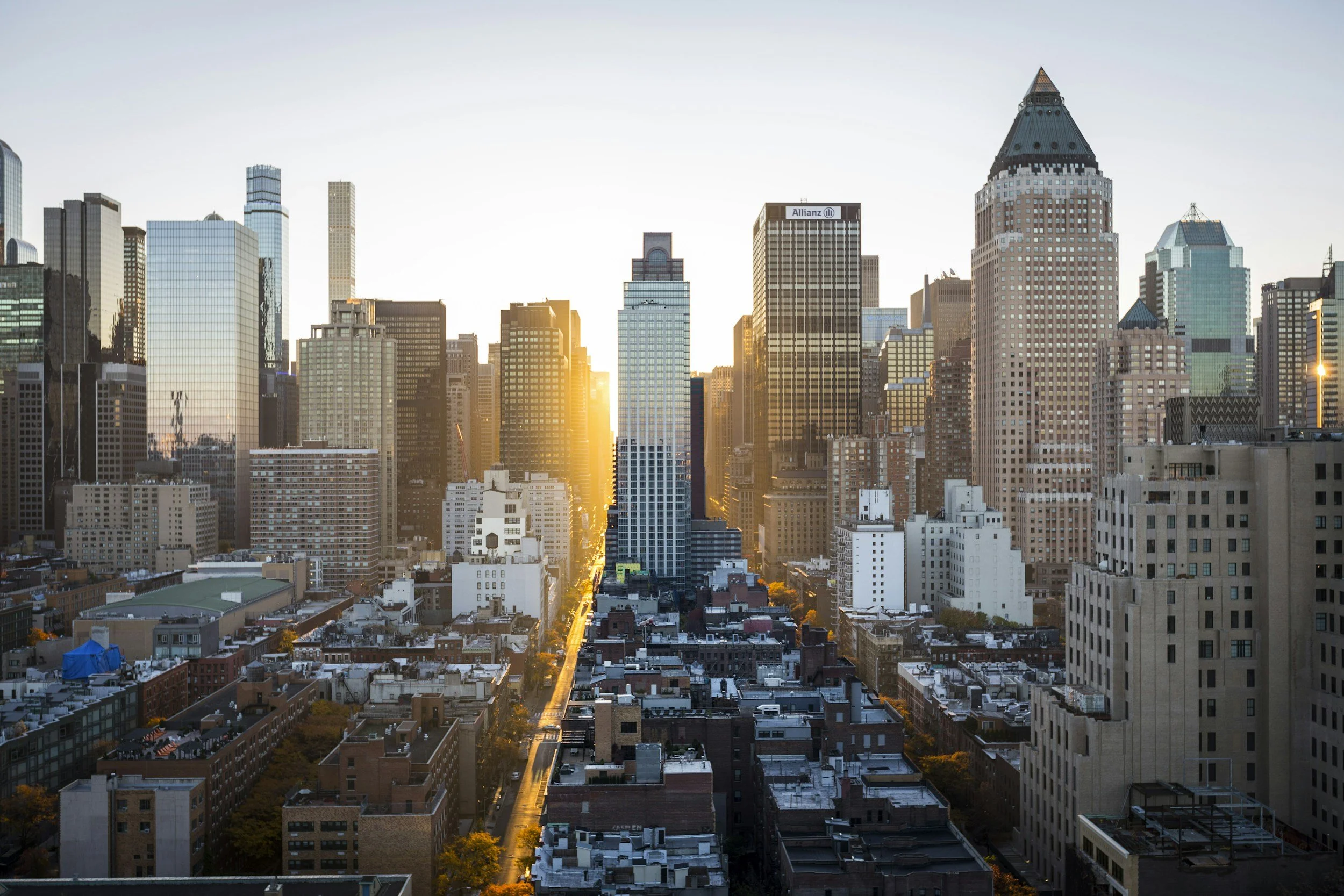
That's a different brief from a party. I'm Magical Katrina, an award winning magician and mentalist, and I want to set out what an illusionist NYC operators book contributes to an opening, which is about what leaves the room rather than what happens in it.
The Room Attends Openings for a Living
Start with the audience. Press, critics, operators, and a particular set of guests go to openings constantly, which means your space, your canapés, and your cocktails are being compared against everything else they've seen this month.
That makes differentiation genuinely hard and spending more rarely achieves it. What's scarce for that audience is something they haven't had at the last four openings, which is a lower bar than it sounds and one that money alone doesn't clear.
They Need a Reason to Stay
The practical objective. An opening guest who arrives, takes a drink, photographs the room, and leaves in twenty minutes has attended without forming a view of the place.
Someone who stays an hour has eaten properly, talked to your team, noticed the service, and formed an impression that survives the week. Something happening extends that considerably, and dwell time at an opening is what converts attendance into coverage and return visits. An illusionist NYC working the room is doing exactly that job.
It Shouldn't Compete With the Room
Worth being clear about, since it's the risk. You've spent months on a space, a menu, and a look, and anything that becomes the center of attention pulls focus from what you're launching.
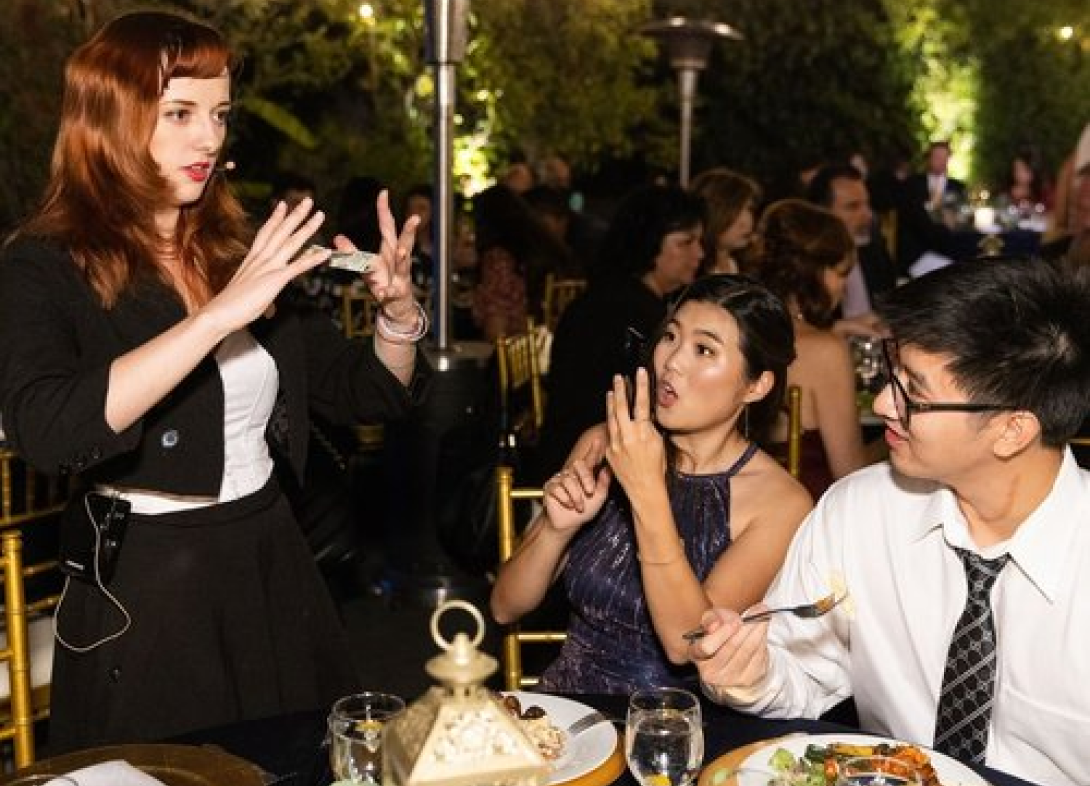
A performer working small groups keeps people circulating, looking at the room, and talking to each other rather than gathering to watch something. That's the distinction between entertainment that supports an opening and entertainment that hijacks it, and it's worth asking any performer directly how they work.
Give People Something to Post
Increasingly the point of an opening night. Your guests document what they see, and a beautiful room produces photographs of a beautiful room, which looks like every other opening in their feed.
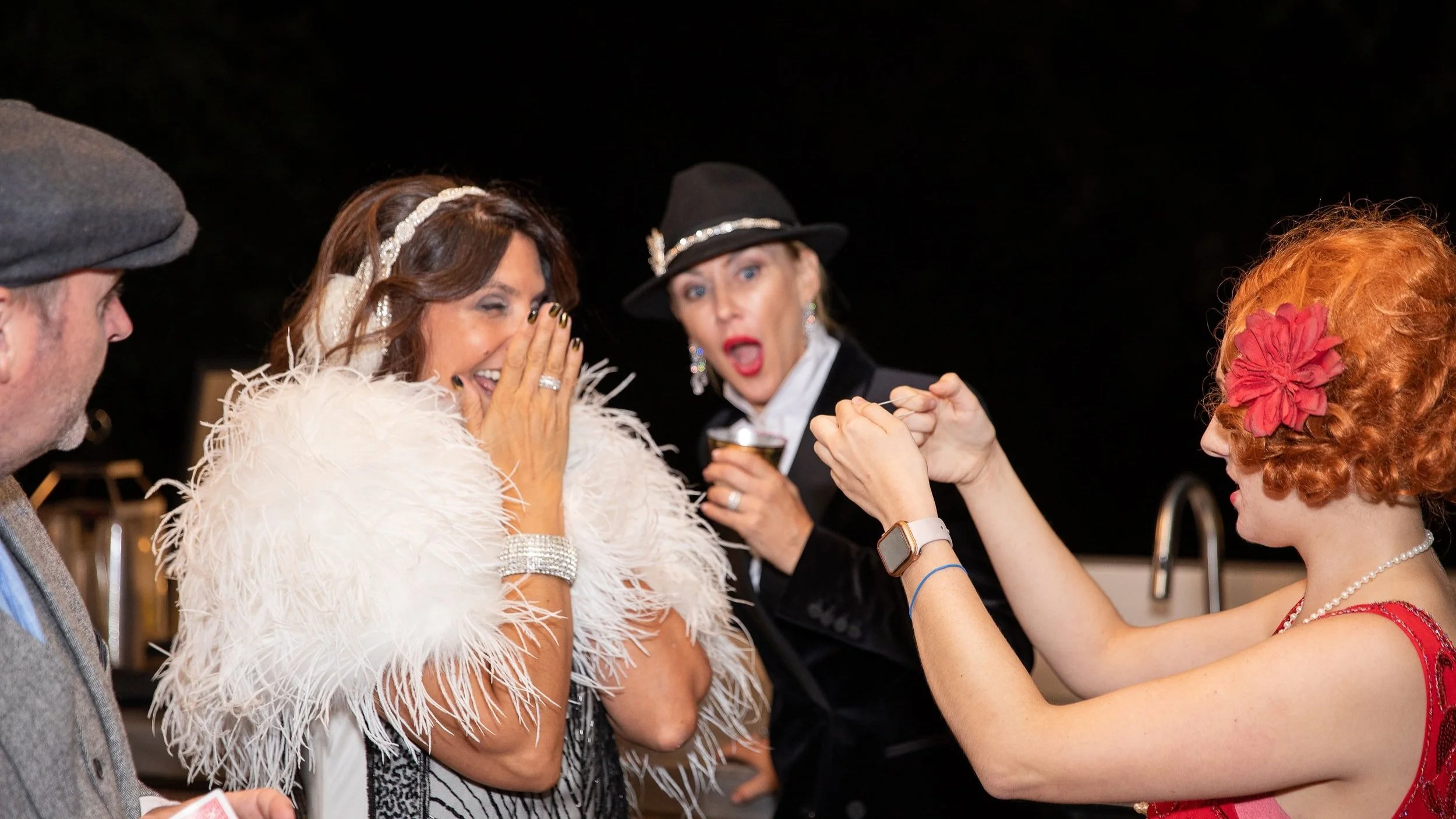
Something surprising at close range gets filmed and shared, and it reaches people who weren't invited. Tell your performer if that matters, since moments designed to be captured differ from moments designed to be watched. It's also worth having somebody on your team filming, since your own footage is usable and a guest's rarely is.
Press Are Working, Not Socializing
Worth understanding about the register. Critics, writers, and editors at an opening are forming a view, taking notes, and deciding whether there's a story, which means they're not there to be entertained.
Anything demanding participation or enthusiasm from that group is misjudged. What works is something they encounter while doing their job, which they can then mention or not. A few of them will write about it, which is a better outcome than any amount of pressing a press release into somebody's hand.
Your Space Is Not Set Up for This
Practically relevant on an opening night specifically. The room is full, the furniture is placed for service rather than events, and every square foot is either a guest or a station.
Close up magic needs no stage, power, sound, or floor area, works between tables and at the bar exactly as the room is, and doesn't displace anything you've arranged. For a space you've spent months designing, entertainment that requires you to move nothing is the only kind worth considering.
Friends and Family Nights Are Different
Worth separating, since the objective changes. A friends and family or soft opening is a service rehearsal with a forgiving audience, and the point is testing the kitchen and the floor rather than impressing anybody.
Entertainment there is usually unnecessary and occasionally unhelpful, since it distracts from the thing you're actually testing. Save it for the press night or the public opening, where the room's impression matters. A performer worth booking will tell you the same.
Consider the Nights After
Worth thinking about, since an opening is one evening and the months afterwards are the business. Plenty of venues program something regular on their quiet nights once they're open, which is a different arrangement from an opening booking and frequently a more useful one.
If the opening goes well, that conversation is worth having. A performer who understands your room and your service from the opening night is considerably easier to program regularly than somebody starting cold.
A Note on "Local vs. Traveling In"
Worth knowing: performers who travel to New York work from a different calendar than those based there, which matters when your opening date moves, as opening dates do. Travel is discussed openly and factored into the quote. I'm based in the Los Angeles area and travel to New York for events.
Why Book Magical Katrina
If you're opening a venue, here's my case. I'm a member of the Magic Circle in London and the Academy of Magical Arts in Hollywood, I've earned multiple magic awards, and I've performed for clients including Formula 1, the Olympics, Porsche, Prada, and the Ritz Carlton, with appearances on Penn & Teller: Fool Us and Masters of Illusion. I work small groups continuously rather than gathering a crowd, I need no stage, power, or floor space, and I work around service rather than against it.
Frequently Asked Questions
What's hard about a New York opening?
The audience attends them constantly, so your space, canapés, and cocktails are compared against everything else they've seen this month. That makes differentiation genuinely hard and spending more rarely achieves it, since what's scarce is something they haven't had at the last four openings.
What are we actually buying?
Dwell time, since a guest who arrives, photographs the room, and leaves in twenty minutes has attended without forming a view. Someone who stays an hour has eaten, talked to your team, noticed the service, and formed an impression that survives the week, which is what converts attendance into coverage.
Won't it distract from the venue?
Only if it's the wrong format, which is the genuine risk after months spent on a space and a menu. A performer working small groups keeps people circulating and looking at the room rather than gathering to watch, which is the difference between supporting an opening and hijacking it.
Does it help with social coverage?
Considerably, since a beautiful room produces photographs of a beautiful room that look like every other opening in a feed, whereas something surprising at close range gets filmed and shared beyond the guest list. Have somebody on your team filming too, since your own footage is usable.
Press will be there. Does that change things?
It rules out anything demanding participation, since critics and editors are forming a view and deciding whether there's a story rather than being entertained. What works is something they encounter while working, which they can mention or not, and a few will.
Our space is full and the furniture is placed. Does it fit?
Yes, since close up magic needs no stage, power, sound, or floor area and works between tables and at the bar exactly as the room is, displacing nothing you've arranged. For a space you've spent months designing, that's the only kind of entertainment worth considering.
Should we do it at the friends and family night?
Usually not, since a soft opening is a service rehearsal with a forgiving audience and the point is testing the kitchen and floor rather than impressing anybody. Entertainment there distracts from what you're actually testing, so save it for the press night or public opening.
What about after the opening?
Worth a conversation if it goes well, since an opening is one evening and the months afterwards are the business. Plenty of venues program something regular on quiet nights, and a performer who already understands your room and service is easier to program than somebody starting cold.
Make Them Stay Long Enough to Form a View
A New York opening is judged by what leaves the room: the posts, the coverage, and whether anybody intends to come back. An illusionist NYC working small groups extends how long guests stay, gives them something to film that isn't another photograph of a beautiful bar, works around a full room without displacing anything, and lets the press encounter it while doing their job.
Save it for the night that matters rather than the service rehearsal, and if it works, talk about the quiet nights afterwards.
Reach out with your opening date and the space, and let's talk about the evening.