


Zoom Magician for Public Sector and Government Teams
Zoom Magician for Public Sector and Government Teams
Public sector organizations have a staff engagement problem with an additional layer nobody outside them fully appreciates. You have dispersed teams, thin budgets, and workforces under genuine pressure, and on top of that, anything you spend on staff has to survive scrutiny that a private company never faces.
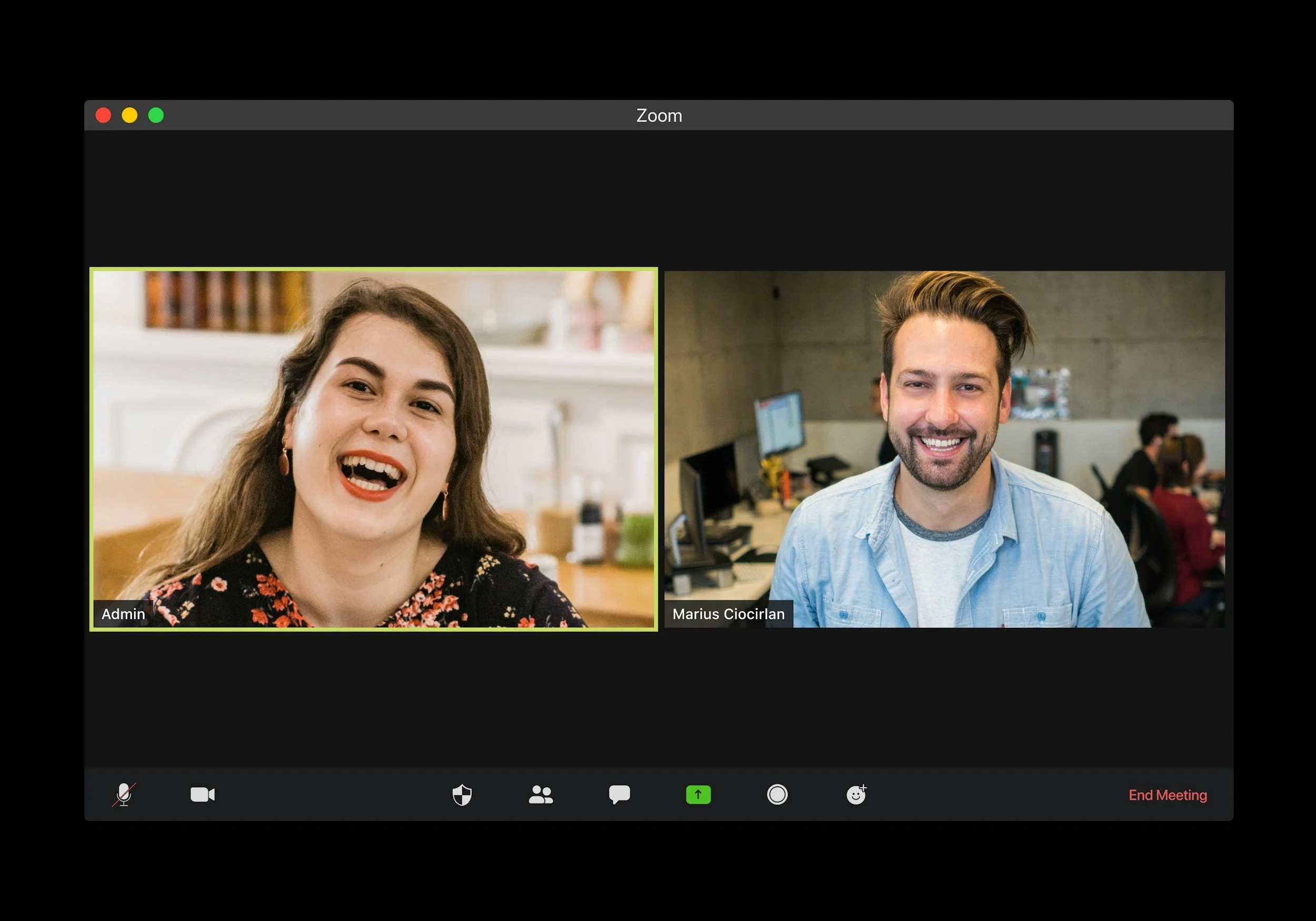
That combination means a great deal of engagement programming simply doesn't get arranged. I'm Magical Katrina, an award winning magician and mentalist, and I want to explain how a Zoom magician works for public sector teams, including how to justify it and where it genuinely doesn't fit.
Start With the Scrutiny Question
Worth addressing first, because it's what stops most of these conversations. Money spent on staff in the public sector is money that could visibly have gone elsewhere, and someone will ask, whether that's an auditor, a councilor, a union representative, or a local reporter.
So the honest position matters. A Zoom magician is a modest, one off cost with no venue, travel, or catering attached, reaching an entire dispersed workforce for the same figure. It is not a lavish away day, and it doesn't look like one. If you cannot comfortably explain a spend in a sentence, don't make it, and this is one of the few options that survives that test straightforwardly.
Reaching Teams Nobody Reaches
The structural argument, and the strongest one. Public sector workforces are frequently spread across offices, depots, schools, libraries, care settings, and field roles, with a substantial proportion of staff who never attend anything held centrally.
Those staff are usually the ones furthest from headquarters and least likely to receive anything at all. A Zoom magician reaches them at the same cost as everyone else, requires no travel budget, and needs one screen per location rather than a device per person. For an organization whose engagement survey consistently shows a gap between head office and frontline sentiment, that reach is the point rather than a convenience.
Shift Patterns and Service Continuity
The practical constraint. You cannot close a service, empty a ward, or leave a depot unstaffed, so anything requiring the whole workforce at once will not happen.
What works is running shorter sessions more than once, timed around genuine quiet periods rather than around a corporate calendar. A thirty minute Zoom magician session run twice, including one timed for a shift changeover, reaches considerably more people than a single hour at two in the afternoon. Ask service managers when their windows actually fall rather than scheduling from the center, since they know and are rarely asked.
Procurement and Paperwork
Worth being practical, since this is where public sector bookings differ most from corporate ones. Expect to need supplier details, insurance documentation, and possibly onboarding to a procurement system for a relatively small engagement.
A performer who works with public bodies will handle that without complaint, provide a certificate of insurance promptly, and understand that your finance team needs specific things in a specific format. It's worth flagging your requirements at first contact rather than after agreeing a date, since the paperwork frequently takes longer than the booking. A Zoom magician who is vague about documentation will create work for you later.

Platform Constraints
A genuine consideration in the public sector that rarely arises elsewhere. Many organizations restrict which platforms may be used, block external participants by default, or run tightly configured environments where a guest presenter needs arranging in advance.
Worth resolving early. Confirm which platform you can use, whether an external presenter can join, and whether anything needs approving by your IT team, ideally before you agree a date. A Zoom magician working across sectors will be comfortable on whatever you use, but nobody can work around a configuration that blocks them on the day, and IT approvals in large public bodies are rarely quick.
Be Honest About What It Does
Important with this audience, whose staff are alert to gestures substituting for substance. A Zoom magician is a good hour. It does not address staffing levels, pay restraint, workload, restructuring, or the accumulated strain of delivering public services with fewer resources than the work requires.
Presenting it as though it might will be received exactly as you'd expect. Presented straightforwardly as something enjoyable, arranged because teams have worked hard and rarely get anything, it's received well. Staff generally appreciate being offered something genuinely pleasant far more than something instrumental dressed as care, and the framing carries the entire difference.
Where It Genuinely Fits
A few moments where this lands well. Recognition weeks and service anniversaries, where teams often receive a message and nothing else. After a demanding period, an inspection, a major incident, a service reorganization, or a seasonal surge.
At the end of a year, as a straightforward thank you. And for teams that are chronically overlooked, the back office functions, the depot, the out of hours service, where the honest reason for booking is that nobody has arranged anything for them in years. A Zoom magician in those circumstances is a small, defensible, genuinely welcome thing.
Keep It in Work Time and Optional
Two conditions that matter more here than in the private sector. Schedule it within paid time rather than expecting staff to attend on their own, since asking public servants to give unpaid time for their own recognition event is an obvious contradiction.
And make attendance genuinely optional, stated explicitly. Mandatory wellbeing and compulsory fun are both well known failures, and public sector staff have usually seen several examples. A shorter session is easier to accommodate within a working day, which is another argument for thirty to forty five minutes rather than something longer.
Why Book Magical Katrina
If you'd like a Zoom magician for a public sector team, here's my case. I'm a member of the Magic Circle in London and the Academy of Magical Arts in Hollywood, I've earned multiple magic awards, and I've performed for organizations and companies including Formula 1, the Olympics, Porsche, Zapier, and the Ritz Carlton, with appearances on Penn & Teller: Fool Us. My virtual material works whether people watch individually or gathered round one screen, I'm happy to run shorter repeated sessions to cover shifts, I provide insurance documentation promptly, and I'd rather describe accurately what this offers than overstate it.
Frequently Asked Questions
How do we justify spending public money on this?
By keeping it modest and explaining it in a sentence. A Zoom magician is a one off cost with no venue, travel, or catering attached, reaching an entire dispersed workforce for the same figure, which makes the cost per person genuinely low. It doesn't look like a lavish away day because it isn't one. If you can't comfortably explain a spend to an auditor or a reporter, don't make it, and this survives that test.
Will it reach our frontline staff?
That's the main argument for it. Public sector workforces are spread across offices, depots, schools, libraries, care settings, and field roles, and a substantial proportion never attend anything held centrally. Those staff are usually furthest from headquarters and least likely to receive anything. A Zoom magician reaches them at the same cost, needs no travel budget, and requires one screen per location rather than a device per person.
How do we work around shift patterns?
Run shorter sessions more than once, timed around genuine quiet periods rather than a corporate calendar. A thirty minute session run twice, including one timed for a shift changeover, reaches far more people than a single hour mid afternoon. Ask service managers when their windows actually fall rather than scheduling centrally, since they know and are rarely consulted about this sort of thing.
What about procurement and insurance?
Expect to need supplier details, insurance documentation, and possibly onboarding to a procurement system even for a small engagement. A performer who works with public bodies will handle that without complaint and provide a certificate promptly. Flag your requirements at first contact rather than after agreeing a date, since the paperwork frequently takes longer than the booking itself.
Our IT restricts external participants. Is that a problem?
Only if it's discovered late. Confirm which platform you can use, whether an external presenter can join, and whether anything needs IT approval, ideally before agreeing a date. A Zoom magician working across sectors will be comfortable on whatever you use, but nobody can work around a configuration that blocks them on the day, and approvals in large public bodies are rarely quick.
Isn't this a token gesture given the pressures we're under?
It can be, if framed as more than it is. A Zoom magician does not address staffing levels, pay, workload, restructuring, or the strain of delivering services with fewer resources than the work requires. Presented as though it might, it will be received accordingly. Presented as something enjoyable because teams have worked hard and rarely get anything, it's received well.
How do I book you, and what do you need to get started?
Reach out with your preferred date or dates, the platform you use, how many sites or teams are involved, your shift patterns, and any procurement requirements. That's enough for me to check availability, suggest a session structure covering your rosters, and send a quote with the documentation your finance team will need. Running several shorter sessions across a day is straightforward.

Something Small and Defensible
Public sector engagement fails more often on reach and justification than on intent. A Zoom magician addresses both: it costs little, requires no venue or travel, reaches the dispersed teams who never get anything, works around shifts if you run it more than once, and can be explained to anyone who asks in a single sentence.
It won't fix anything structural, and it shouldn't be presented as though it might. It's a good hour, arranged for people who rarely receive one.
Reach out with your sites and rosters, and let's work out what's possible.