


Women's History Month Event Ideas for Universities and Student Groups
Women's History Month Event Ideas for Universities and Student Groups
Student societies plan Women's History Month against a specific set of obstacles. Your committee is doing this around a full degree, your budget is whatever the union allocated or you raised at a bake sale, and your audience has coursework, jobs, and a social life competing for the same evening. Attendance is the constant worry, and a well intentioned panel in a lecture theatre for eleven people is a demoralizing outcome.

I'm Magical Katrina, an award winning magician and mentalist who speaks at women's events, and I want to offer Women's History Month event ideas that suit campus realities rather than assuming a budget and a staff team you don't have.
Students Want Useful, Not Inspirational
The most important shift, and the one that changes attendance most. Students are close enough to graduating that abstract encouragement about believing in yourself lands poorly, because they have immediate practical questions and nobody is answering them.
So the strongest Women's History Month event ideas on a campus are the ones that solve something. How to negotiate a first salary. What to do when you're the only woman in a lab group or a seminar. How to write an application that gets read. What a career in a field actually looks like day to day. Sessions that send students away able to do something outperform sessions that send them away feeling briefly motivated, and they get recommended to friends, which is how campus attendance actually grows.
Get Alumnae in the Room
The single highest value thing a student society can arrange, and often the cheapest, is access to women who graduated from your course five or ten years ago.
They're findable, frequently willing, and they answer the questions students genuinely have, because they were asking them recently. Among Women's History Month event ideas, an alumnae panel works far better than an external speaker panel when the alumnae talk specifics: what their first job paid, what they got wrong, how they handled a particular situation. Ask them to prepare specifics rather than general advice, since the default mode for a panel is vague encouragement and it takes an instruction to avoid it.
Run a Skills Workshop
Practical, repeatable, and genuinely valued. A workshop where students practice something, rather than hear about it, is consistently among the best attended Women's History Month event ideas on a campus.
Negotiation is the obvious one, ideally with real scripts and role play rather than theory. Public speaking in small groups with feedback. CV and application clinics, particularly if you can get someone who actually recruits. Interview practice. These require a room and a facilitator rather than a budget, and if you can find an academic, a careers service staff member, or an alumna to run one, the cost is close to nothing.
Collaborate With Other Societies
Most student events fail on promotion rather than content, and collaboration is the cheapest fix available. A women in STEM society, a law society, a business society, and a general women's group all have their own mailing lists and their own members.
Running one event jointly rather than four separate ones means a bigger room, shared costs, and four sets of promotion. Among Women's History Month event ideas, this is the structural decision that most reliably improves turnout, and it also produces better programming, since a jointly planned event tends to be more ambitious than one committee could manage alone. Approach other societies in January, since March fills up quickly on a campus calendar.
Feed People
Unglamorous and consistently effective. Students attend events with food, and this is not cynicism, it's a genuine constraint on people living on a budget and going straight from lectures.
Among Women's History Month event ideas on a tight budget, spending on pizza rather than on decoration or promotional materials is almost always the better allocation. It also keeps people in the room afterwards, which is when the useful conversations happen, and it gives students who came alone something to do with their hands while working out who to talk to. If you have fifty pounds, spend it on food.
Program Something Enjoyable, Not Only Serious
A common pattern is a month of earnest sessions with no lighter moments, which is worthy and quite tiring, and it means students who aren't already engaged never come to anything.
At least one genuinely enjoyable event, a social, a performance, a quiz, a film screening with discussion, does two jobs: it reaches students who wouldn't attend a panel, and it gives your committee something easy to promote. Among Women's History Month event ideas, the entry point event matters, because a student who comes for the enjoyable thing and has a good time is considerably more likely to attend the serious thing next week.

Include Male Students Explicitly
Worth being direct, because campus programming frequently gets this wrong by omission rather than intention. Events that read as being for women attract almost entirely women, which halves the reach and misses the students whose assumptions matter most for how they behave in seminars, group projects, and eventually workplaces.
Say explicitly that everyone is welcome in the promotion, and consider whether your framing invites or excludes. Among Women's History Month event ideas, the ones with genuinely mixed attendance tend to be practical sessions and enjoyable events rather than discussion panels, which is another argument for programming both.
Promote Properly, and More Than Once
Finally, the practical thing student committees most underestimate. One post on a society page is not promotion, and a poster nobody reads is not promotion.
Announce it early, repeat it, use the channels students actually check, ask other societies and course reps to share it, and get it into departmental newsletters if you can. Give people a concrete reason to come rather than a description of the theme: what will they learn, who will they meet, will there be food. Among all these Women's History Month event ideas, the best programmed event badly promoted will lose to a mediocre one everybody heard about three times.
Where My Work Fits
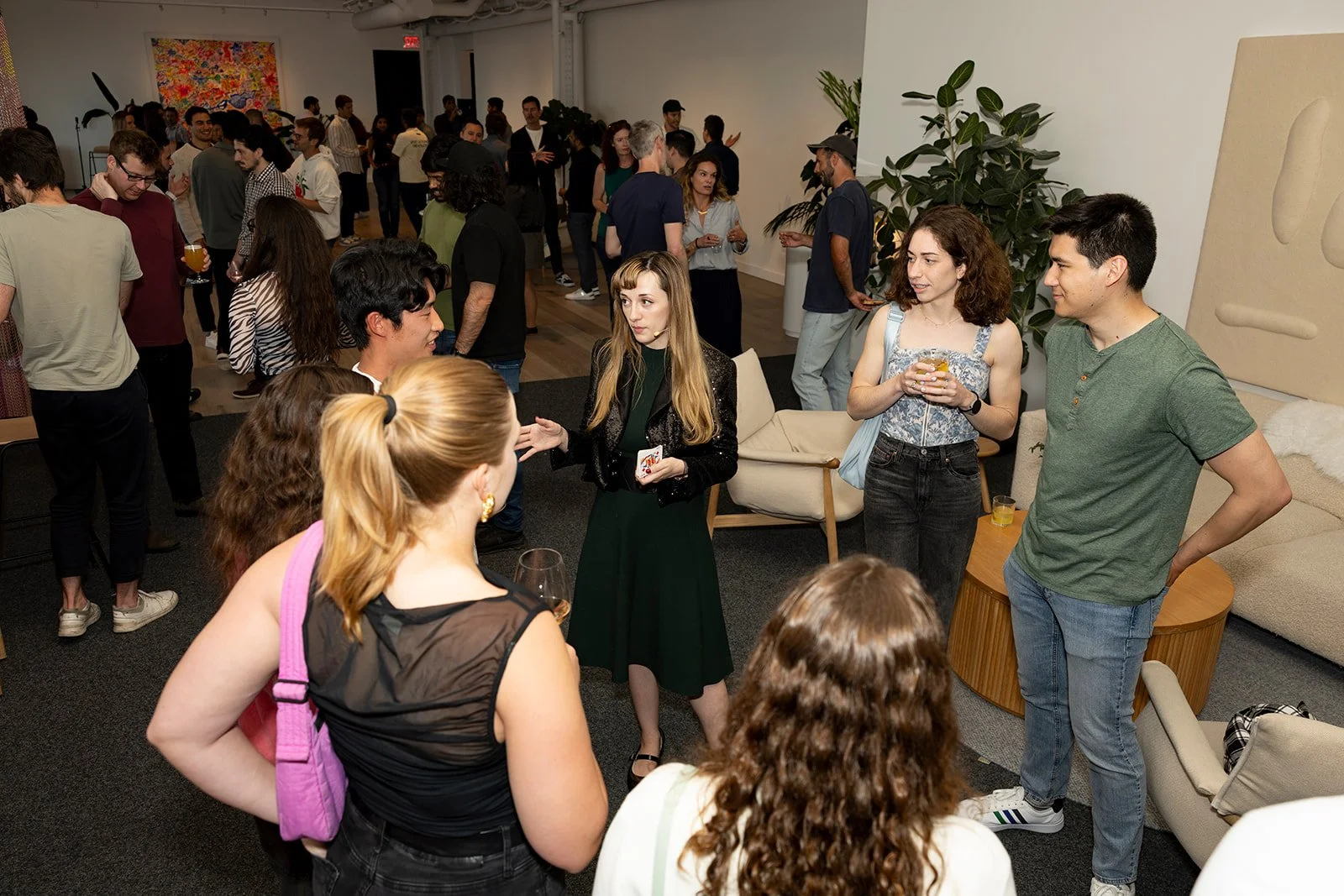
Briefly, since it's relevant. I perform magic and mentalism and speak about building a career in a field, magic, that has been overwhelmingly male, which suits university programming as either a performance or a talk woven with magic.
It tends to work as the enjoyable entry point event that also carries the theme, drawing students who wouldn't attend a panel while still saying something. Practically it needs no stage or AV, which suits student union rooms, and it works for a small society meeting or a larger joint event. If your society is planning something for March, I'm glad to talk it through.
Frequently Asked Questions
What do students actually turn up to?
Practical sessions rather than inspirational ones. Students are close enough to graduating that abstract encouragement lands poorly while immediate questions go unanswered, so the strongest Women's History Month event ideas solve something: negotiating a first salary, handling being the only woman in a lab group, writing applications that get read. Sessions that send students away able to do something get recommended to friends, which is how campus attendance grows.
How do we program this with almost no budget?
Prioritize people over production. Alumnae are often willing and cost nothing, skills workshops need a room and a facilitator rather than money, and collaborating with other societies shares whatever costs exist. If you have a small amount to spend, spend it on food rather than decoration or promotional materials, since students attend events with food and stay afterwards, which is when the useful conversations happen.
How do we improve attendance?
Collaborate and promote properly. Running one joint event with several societies gives you a bigger room, shared costs, and multiple mailing lists, which is the structural decision that most reliably improves turnout. Then announce early, repeat it, use channels students actually check, and give a concrete reason to attend rather than a description of the theme. The best programmed event badly promoted loses to a mediocre one everybody heard about.
Are alumnae better than external speakers?
Often, yes, particularly if you ask them for specifics. Graduates from five or ten years ago answer the questions students genuinely have, because they were asking them recently, and they're findable and frequently willing. The key is instructing them to talk about specifics, what their first job paid, what they got wrong, how they handled a situation, since the default mode for any panel is vague encouragement.
Should everything be serious?
No, and a month of earnest sessions with no lighter moments is worthy and tiring, and it means students who aren't already engaged never attend anything. At least one genuinely enjoyable event, a social, a performance, a screening with discussion, reaches students who wouldn't come to a panel and gives your committee something easy to promote. Someone who enjoys the entry point event is likelier to attend the serious one next week.
How do we get male students to come?
Say explicitly that everyone is welcome, and look honestly at whether your framing invites or excludes. Events that read as being for women attract almost entirely women, which halves your reach and misses the students whose assumptions most affect how they behave in seminars, group projects, and later workplaces. Practical sessions and enjoyable events tend to draw mixed attendance more readily than discussion panels.
Do you do university events?
Yes. I perform magic and mentalism and speak about building a career in a field that has been overwhelmingly male, as a performance, a talk woven with magic, or both. It works well as an enjoyable entry point event that still carries the theme, it needs no stage or AV, which suits student union spaces, and it scales from a society meeting to a larger joint event. Reach out with your date and expected numbers.
Plan for the Students You Have
Campus Women's History Month event ideas work when they account for reality: committees with no spare time, budgets measured in tens rather than hundreds, and students choosing between your event and a deadline. Program things that are practically useful, get alumnae in the room, collaborate rather than competing with other societies, feed people, include at least one genuinely enjoyable event, welcome everyone explicitly, and promote it more than you think necessary.
If an enjoyable event that still says something would help your program, I'd be glad to hear about it.
Reach out with your date and numbers, and let's put on something students turn up to.