


Magician for Zoom: Franchise Network and Franchise Events
Magician for Zoom: Franchise Network and Franchisee Events
Franchise support teams occupy an unusual position. Your franchisees aren't employees, so you can't require anything, and they aren't ordinary customers either, since they trade under your brand and their performance is your performance. What you have is influence rather than authority, and influence depends on whether people turn up.

Most franchise networks find that they mostly don't. I'm Magical Katrina, an award winning magician and mentalist, and I want to explain where a magician for Zoom helps a franchise program, which is more specific than making a call more enjoyable.
Franchisees Are Running Businesses
Start with why attendance is difficult. A franchisee is an owner operator with staff to manage, a roster to cover, and a P and L that is theirs rather than yours, and a Tuesday afternoon call from head office competes directly with all of it.
They'll attend when it's obviously worth an hour and skip when it isn't, which is entirely rational. A magician for Zoom gives your invitation something concrete that a standard agenda doesn't, and the calculation a busy owner makes about whether to join is exactly the point at which most franchise communications lose. It's a small lever on a genuinely difficult problem.
Engagement and Brand Consistency Are Linked
Worth being clear about why this matters commercially rather than culturally. Franchisees who feel connected to the network engage with training, adopt initiatives, follow brand standards, and raise problems early. Those who feel like a franchise fee going out each month do considerably less of all of that.
That's why franchise support teams are measured on engagement in the first place. A magician for Zoom doesn't produce compliance, obviously, but it contributes to the relationship that makes everything else easier. An owner who has had a genuinely good experience of head office is a different conversation from one who has only ever received requirements.
The Gap Between Conventions
The structural problem in most networks. The annual convention is where relationships form: franchisees meet each other, meet the support team, and leave energized. Then there are eleven months of webinars and emails.
That gap is where the energy dissipates. A magician for Zoom partway through the year gives you something that isn't a training module or an update, at a moment when nothing much is happening and attendance is thinnest. It also carries some of the convention's function, giving owners an occasion rather than an obligation, which is what makes people feel part of a network rather than party to an agreement.
Owners Need to Meet Each Other
Something franchise networks want and rarely achieve outside the convention. Franchisees learn more from each other than from head office, and the strongest networks are ones where owners call each other rather than always calling you.
That requires them to have some experience of each other beyond a directory. A magician for Zoom produces a shared moment across the network, which is more than a webinar chat generates. It matters particularly for owners in smaller territories who don't have neighboring franchisees to talk to, and who are often the least connected people in your network despite frequently needing the most support.
New Franchisee Cohorts
A specific and valuable application. New owners join in cohorts, go through onboarding together, and either form a peer group that lasts for years or don't, largely depending on whether anything connected them beyond a shared training schedule.
That peer group is genuinely valuable to you, since a franchisee with three people to call when something goes wrong is less likely to escalate everything to head office and less likely to become disillusioned alone. A magician for Zoom during onboarding gives a cohort a shared experience early, which is when the group either forms or doesn't. It's a small intervention at a high leverage moment.
Regional Groups Without Critical Mass
Practical for networks spread thinly. Regional meetings struggle where a territory has six franchisees, since a meeting of six feels thin and the organizer stops bothering.
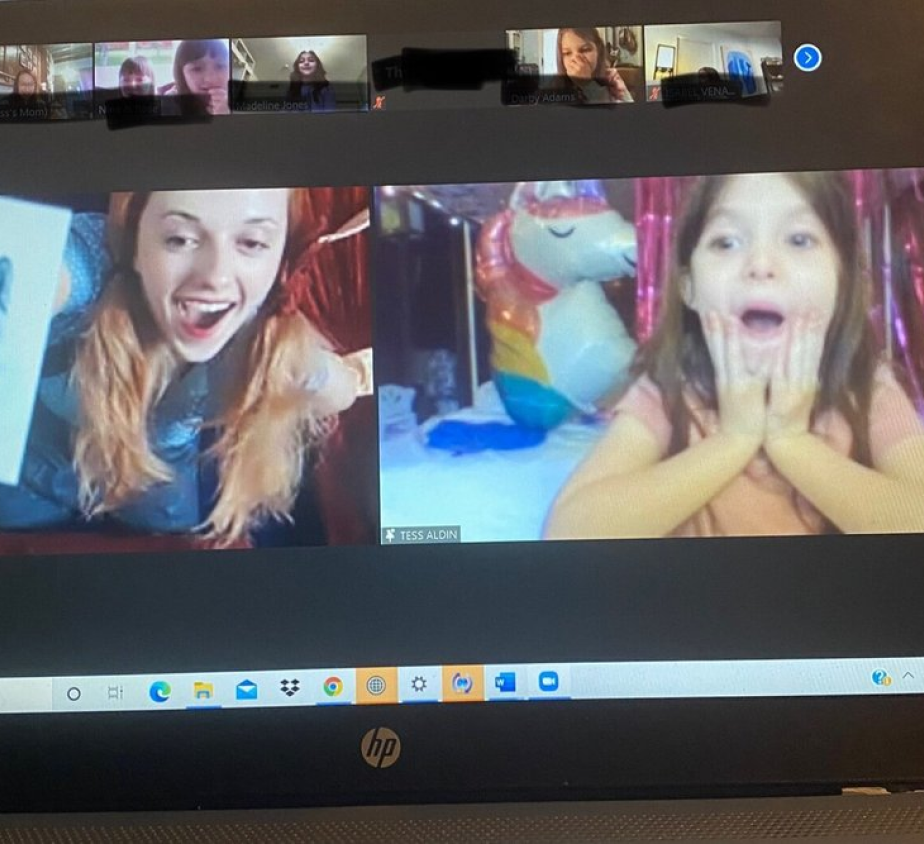
A magician for Zoom lets several regions join one session, turning six owners in four regions into a room of twenty four and sharing the cost. It gives regional managers something genuinely promotable rather than another update call, and it introduces owners to franchisees outside their own patch, which is where a lot of useful comparison and problem solving happens.
Place It Early, Not as a Reward
Practical guidance that matters with a voluntary audience. With employees you can put entertainment at the end and people will stay. Franchisees will not, because they have a business to run and will leave the moment the useful part concludes.
Opening with a magician for Zoom rewards the people who joined on time, holds owners through the substantive content, and sets a tone that this call is different from the others in their calendar. It also means the people you most wanted to reach, the ones who nearly didn't join, actually experience it rather than logging off before it starts.
It Works Across a Dispersed Network
Practically, franchise networks are geographically spread by definition, sometimes across countries, and bringing owners together physically happens once a year at most because of cost and time away from their businesses.
A magician for Zoom reaches the entire network on one afternoon, and because the material is visual and participatory rather than dependent on shared references, it works across markets where a quiz or comedic element would fragment. It also scales without changing your workload, whether your network is thirty units or three hundred.
Why Book Magical Katrina
If you'd like a magician for Zoom for a franchise event, here's my case. I'm a member of the Magic Circle in London and the Academy of Magical Arts in Hollywood, I've earned multiple magic awards, and I've performed for companies including Formula 1, the Olympics, Porsche, Zapier, and the Ritz Carlton, with appearances on Penn & Teller: Fool Us. My virtual material is built for video and genuinely participatory, so owners take part rather than watch, and it works across countries and time zones. I have a polished technical setup, I handle everything myself, and I understand that a franchise call has objectives beyond the entertainment.
Frequently Asked Questions
Why is franchisee attendance so hard to get?
Because franchisees are owner operators with staff, roster, and a P and L that's theirs rather than yours, so a head office call competes directly with running a business. They attend when it's obviously worth an hour and skip when it isn't, which is entirely rational. A magician for Zoom gives your invitation something concrete at exactly the point where most franchise communications lose that calculation.
Does engagement actually affect performance?
Indirectly but genuinely, which is why support teams are measured on it. Franchisees who feel connected engage with training, adopt initiatives, follow brand standards, and raise problems early, while those who feel like a fee going out each month do less of all of it. Entertainment doesn't produce compliance, but it contributes to the relationship that makes everything else easier.
When in the year does this help most?
The gap between annual conventions, where energy dissipates across eleven months of webinars and emails. A magician for Zoom partway through the year gives you something that isn't training or an update, at a point when attendance is thinnest, and it carries a little of the convention's function by giving owners an occasion rather than an obligation.
How does it help owners connect with each other?
By producing a shared moment across the network rather than a shared mailing list. Franchisees learn more from each other than from head office, and the strongest networks are ones where owners call each other rather than always calling you. It matters most for owners in smaller territories with no neighboring franchisees, who are often least connected and frequently need the most support.
What about new franchisee onboarding?
That's a high leverage moment. New owners join in cohorts and either form a peer group that lasts years or don't, largely depending on whether anything connected them beyond a training schedule. That peer group is valuable to you, since an owner with three people to call is less likely to escalate everything to head office or become disillusioned alone.
Where should it sit in the agenda?
Early, not as a closing reward. Franchisees have businesses to run and will leave the moment the useful part ends, so anything at the close reaches only the people you'd already kept. Opening with it rewards punctual joiners, holds owners through the substantive content, and signals that this call differs from the others in their calendar.
How do I book you, and what do you need to get started?
Reach out with your date, platform, expected numbers, the regions and time zones involved, and where it sits in your program. That's enough for me to check availability, suggest placement, and send a quote. If several regions are joining one session, mention that, since it's usually more affordable than separate events and gives owners from different territories something shared.
Earn the Hour Before You Ask for It
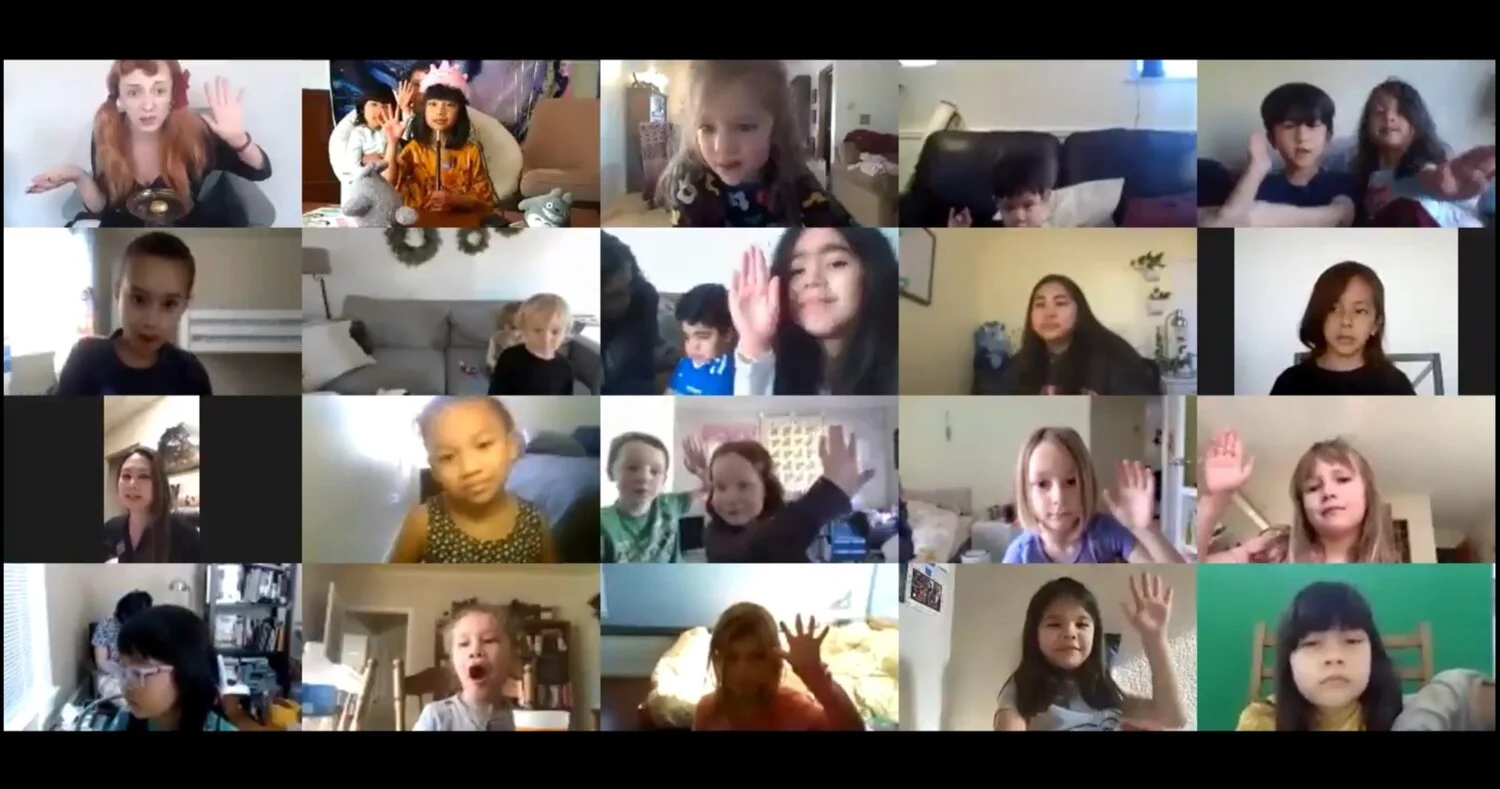
Franchise networks run on influence rather than authority, and influence depends on owners choosing to engage with a head office they aren't obliged to attend anything for. A magician for Zoom addresses that directly: a genuine reason to join, placed early enough to hold people through the content, connecting owners to each other rather than only to you, and reaching a dispersed network in a single afternoon.
If your franchise calls are well prepared and thinly attended, that's the gap worth closing.
Reach out with your dates and network size, and let's make the invitation worth opening.