


Magician for Zoom: Breaking Up a Virtual Training Program
Magician for Zoom: Breaking Up a Virtual Training Program
Virtual training programs ask a great deal of people. Several hours a day on video, frequently across several days, absorbing material that requires concentration, with a facilitator working hard to keep a group of squares engaged.

Everybody involved knows where it sags. I'm Magical Katrina, an award winning magician and mentalist, and I want to set out where a magician for Zoom fits into a learning program, which is as a genuine break rather than as another activity.
Another Exercise Doesn't Fix It
Start with the thing L&D teams reach for and participants see through. When attention flags, the instinct is to add an interactive element: a poll, a breakout, a group activity, a discussion.
Participants read all of those as more of the same, because they are. A breakout room is still the course, still requires the same kind of attention, and still asks people to perform engagement. What restores attention is a genuine departure from the material rather than a different way of delivering it, which is a distinction facilitators feel and rarely act on.
The Collapse Is Predictable
Worth naming, since it's the same everywhere. Attention holds through the first session, dips after lunch, and declines across a multi day program, with the third afternoon being reliably the worst stretch of any course.
That means the useful placement isn't random. Something genuinely different placed at the point you know from experience is difficult does considerably more than the same thing placed on the first morning, when the cohort is fresh and motivated. Ask your facilitators where the program sags and place accordingly.
Cohorts Don't Actually Meet
The other problem, and it's substantial. A learning cohort is frequently assembled from across an organization specifically so people build relationships alongside the material, and virtually that doesn't happen.
People attend, contribute in breakouts about the content, and finish the program knowing names and faces without having had a single conversation that wasn't an exercise. A magician for Zoom working a cohort produces a shared experience that isn't the course, which is what people actually bond over. If your programs objectives include the network, that's the part currently going unaddressed.
State Affects Retention
Worth saying carefully, since it's easy to overclaim. People absorb material better when they're alert than when they're fatigued, which is why the post lunch session is a problem and not merely an inconvenience.
Something that genuinely resets attention before a difficult block means the material lands on a more receptive group. I wouldn't claim more than that, and I'd be skeptical of anybody who does, since a session of entertainment doesn't teach anything and shouldn't pretend to. What it can do is improve the conditions the actual teaching happens in.
Use It for the Final Session
Worth considering, since completion deserves marking and rarely gets it. Most virtual programs end with a final module, a few words of thanks, and everybody leaving the call.
For a cohort that has spent days or weeks together, that's a thin ending. Something enjoyable at the close gives the program a shape, marks the completion as an occasion rather than an ending, and sends people off having enjoyed the last thing rather than having endured a summary. For certification programs particularly, where people worked for the qualification, that matters.
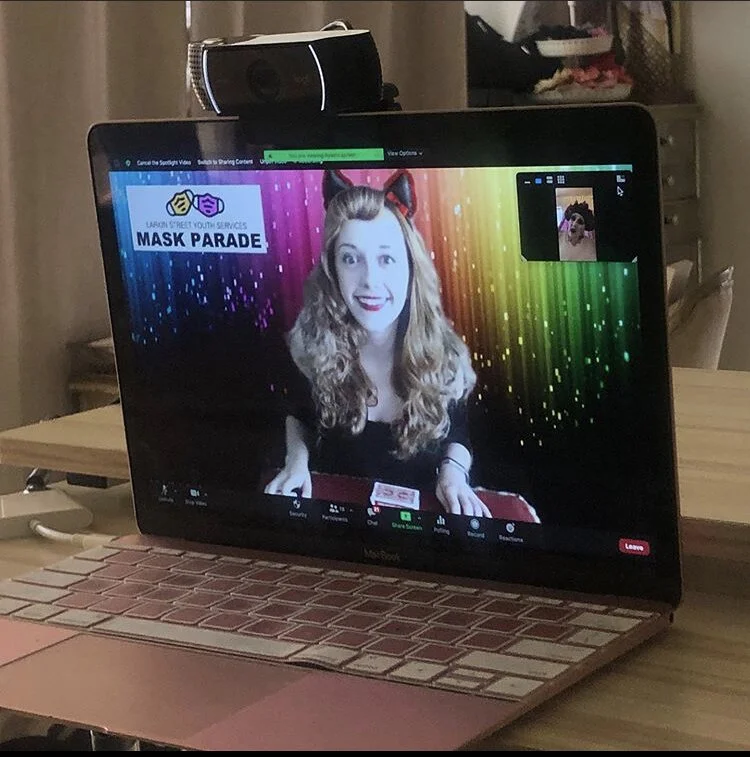
Don't Frame It as Learning
A presentational point that determines how it's received. If an entertainment session is introduced as a learning exercise about perception, attention, or communication, participants will evaluate it as a module and find it lacking.
Introduce it as what it is: a break, something enjoyable, no notes required. Participants relax immediately, and the session does its actual job of restoring attention rather than being assessed against learning outcomes it was never designed for. Honest framing performs considerably better here than dressing entertainment as content.
Keep It Short
Practical guidance. Thirty minutes is usually right for a break within a program, since anything longer starts to eat the schedule and participants become aware of time lost from the material.
A short, sharp interruption restores attention. A long one competes with the course and makes the facilitator anxious about the timetable. If you want something longer, the final session is where it belongs, since there's nothing left to protect. Ask for a length that fits your program rather than accepting a standard slot.
It Works Across a Dispersed Cohort
Worth noting for programs that span locations. Learning cohorts are frequently assembled across regions or countries specifically to mix people, which means time zones, varying connection quality, and participants joining from different setups.
A session where everybody participates using ordinary items they have to hand works identically for someone in a home office and someone in a shared workspace, and it doesn't require good video from the participant's end. For a cohort that only exists virtually, that's the format that reaches all of them equally.
Why Book Magical Katrina
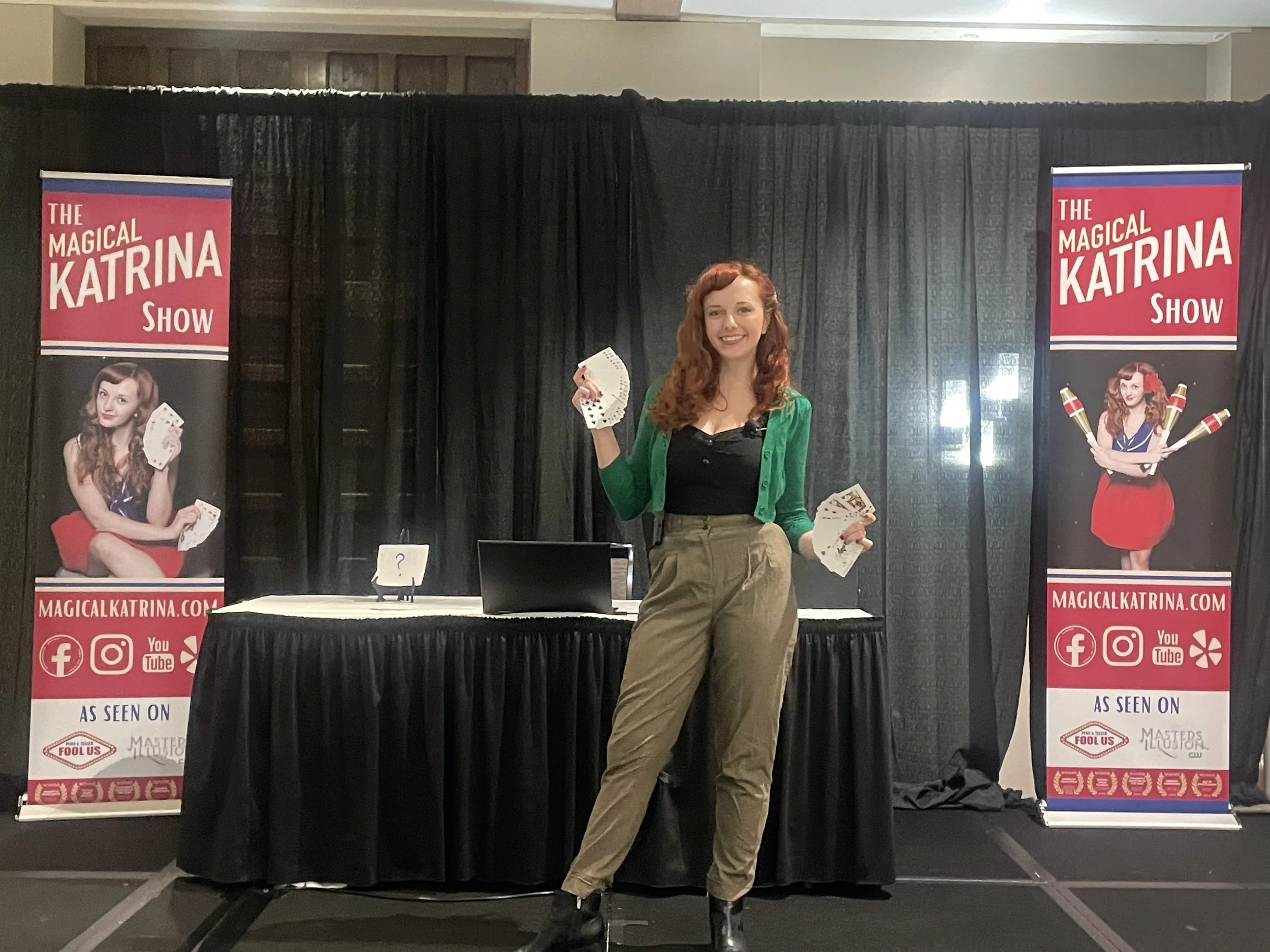
If you run learning programs, here's my case. I'm a member of the Magic Circle in London and the Academy of Magical Arts in Hollywood, I've earned multiple magic awards, and I've performed for companies including Formula 1, the Olympics, Porsche, Zapier, and the Ritz Carlton, with appearances on Penn & Teller: Fool Us. My sessions are genuinely participatory, I'll work to whatever length fits your program, and I won't claim your cohort learned anything from me, since that isn't what this is for.
Frequently Asked Questions
Why doesn't another interactive exercise work?
Because participants read a poll, a breakout, or a group activity as more of the same, since they are: still the course, still the same kind of attention, still performing engagement. What restores attention is a genuine departure from the material rather than a different way of delivering it.
Where should we place it?
At the point your facilitators know the program sags, which is reliably after lunch and across the third afternoon of a multi day course. Something different placed there does considerably more than the same thing on the first morning, when the cohort is fresh and motivated anyway.
What about cohort relationships?
That's frequently the unaddressed objective, since a cohort assembled specifically so people build relationships finishes the program knowing names and faces without a single conversation that wasn't an exercise. A shared experience that isn't the course is what people actually bond over.
Does it help retention of the material?
Indirectly and modestly, since people absorb material better alert than fatigued, so resetting attention before a difficult block means it lands on a more receptive group. I wouldn't claim more, and I'd be skeptical of anybody who does, since entertainment doesn't teach anything and shouldn't pretend to.
How should we introduce it?
As a break, something enjoyable, no notes required. If it's framed as a learning exercise about perception or communication, participants evaluate it as a module and find it lacking, whereas honest framing lets them relax and lets the session restore attention rather than being assessed against outcomes it wasn't designed for.
How long should it be?
Thirty minutes for a break within a program, since anything longer eats the schedule and participants become aware of time lost from the material. A short interruption restores attention while a long one competes with the course. If you want something longer, use the final session where there's nothing left to protect.
Is the last session a good use?
Frequently the best one, since most programs end with a final module, brief thanks, and everybody leaving, which is thin for a cohort that spent days together. Something enjoyable at the close marks the completion as an occasion, particularly for certification programs where people worked for the qualification.
How do I book you, and what do you need to get started?
Reach out with your program dates, the platform, cohort size, the time zones involved, and where your facilitators think it sags. That's enough for me to check availability, suggest placement and length, and send a quote. If you run programs regularly, mention that, since a series is easier to schedule.
Give Them a Break, Not Another Module
A virtual learning program asks people to concentrate for hours on video across days, and the standard response to flagging attention is another exercise that participants correctly identify as more course. A magician for Zoom does something different: a genuine departure from the material, placed where the program actually sags, short enough not to compete with the schedule, and framed honestly as a break rather than dressed up as content.
It also gives a cohort the shared experience their relationships were meant to come from, which no breakout room has ever produced.
Reach out with your program and where it sags, and I'll suggest placement.