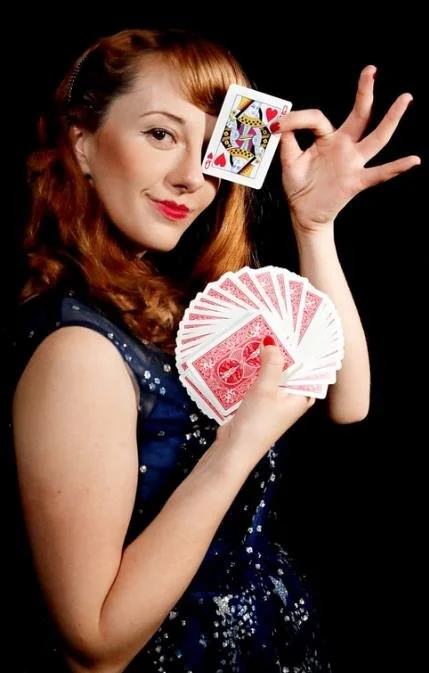


Magicians in Las Vegas for Incentive Trips and Top Performer Programs
Magicians in Las Vegas for Incentive Trips and Top Performer Programs
Incentive trips are a peculiar kind of event. The attendees earned their place, they know precisely what the program cost because they hit the numbers that funded it, and they've spent several days having impressive things arranged for them by people who do this professionally.

By the final evening, impressing them is genuinely difficult. I'm Magical Katrina, an award winning magician and mentalist, and I want to explain where magicians in Las Vegas fit into an incentive program, which is a recognition problem rather than an entertainment one.
Qualifiers Are a Different Audience
Start with what distinguishes them. A conference delegate was sent, and an incentive qualifier earned the trip through a year of performance, which changes their expectations entirely.
They're attending as a reward rather than an obligation, they're generally competitive and confident, and they're assessing whether the program reflects what they achieved. That makes them a demanding audience and a receptive one, since they're predisposed to enjoy the week. What they notice is whether the organization bothered, and among magicians in Las Vegas bookings, the ones for incentive programs are usually chosen with that in mind.
The Week Escalates and Then Has to Land
The structural problem every incentive program faces. Day one has an arrival reception, then there's a dinner somewhere notable, an activity, a show, and each element raises the baseline for what follows.
By the closing evening your attendees have seen production, eaten exceptionally, and been somewhere impressive, which makes the final night the hardest thing in the program to get right. Magicians in Las Vegas offer something different rather than something bigger at exactly that point: intimate, personal, and happening at their table rather than on a stage they're watching. In a week built on scale, intimacy is what hasn't been used yet.
Recognition Is the Actual Product
Worth being clear about, since it changes what to book. An incentive trip exists to make people feel recognized, and everything in the program either contributes to that or is merely pleasant.
Entertainment that treats attendees as an audience contributes less than something that engages them individually. A performer working table to table means every qualifier has a personal moment rather than watching one from row eleven, which is a meaningfully different experience for a group whose defining characteristic is that they're being singled out. That's the argument for close up work at these events rather than a stage act.
It Motivates Next Year's Qualifiers
The commercial mechanism program managers care about most. An incentive trip is only half aimed at the people attending, and the other half is aimed at everyone who didn't qualify and will hear about it.
That means the program needs to generate stories. A good dinner produces nothing repeatable, whereas an evening where something genuinely inexplicable happened at the table produces something qualifiers describe to colleagues for months. Among reasons to book magicians in Las Vegas for an incentive program, the effect on next year's participation is the one that justifies the line to whoever approves it.
Partners and Spouses Are Present
Worth planning around, since most incentive programs include them and most programming forgets. Partners didn't qualify, don't know the company, and frequently don't know anybody, which makes several days of corporate hospitality a mixed experience.
Entertainment that requires no context works equally for them, unlike a session about the company year or an awards element in which they have no stake. A performer working the room reaches partners exactly as readily as qualifiers, and the partner who had a genuinely good week is a meaningful factor in whether someone pushes to qualify again. Program for them deliberately rather than incidentally.
Suites and Private Dinners Suit This
Practically, incentive programming in Vegas happens in hospitality suites, private dining rooms, resort function space, and occasionally somewhere off property, and those rooms have the usual constraints: no stage, no available sound system, and no space to create either.
Close up magic needs none of it, which matters when your program is already complex with transfers, activities, and a schedule built around a group of eighty people who've been together all week. Entertainment requiring nothing from the venue and no slot in a run of show is one fewer thing for a program manager coordinating a great deal.
Where in the Week It Works
Practical guidance. The arrival reception, where people are meeting qualifiers from other regions for the first time and nobody knows anybody yet.
The closing dinner, where it addresses the escalation problem directly. Or a mid program evening that would otherwise be an ordinary dinner, which is frequently the weakest night in an itinerary. What works less well is competing with a major activity or a headline experience, since something already impressive doesn't need supplementing. Ask your performer where they'd place it, since anyone experienced with these programs has a view.

Don't Let It Feel Like a Work Event
Worth saying, since programs sometimes lapse into this. Qualifiers are on a reward trip, and an evening that turns into a product update with entertainment attached undermines the premise.
Keep the business content minimal and where it belongs, usually the awards moment, and let the rest be genuinely social. The organizations that run incentive programs well understand that the reward is the point and the goodwill is the return, and attendees notice immediately when an evening has been repurposed. Among the ways these programs go wrong, that's the most common and the most avoidable.
A Note on "Local vs. Traveling In"
Worth knowing: many performers travel to Las Vegas, with travel discussed openly and factored into the quote rather than being your problem to arrange. I'm based in the Los Angeles area and travel to Vegas regularly for corporate programs, which suits a defined evening within an incentive week and means availability on dates when local performers are committed.
Why Book Magical Katrina
If you're planning an incentive program, here's my case. I'm a member of the Magic Circle in London and the Academy of Magical Arts in Hollywood, I've earned multiple magic awards, and I've performed for companies including Formula 1, the Olympics, Porsche, Prada, and the Ritz Carlton, with appearances on Penn & Teller: Fool Us and Masters of Illusion, across events in over 20 countries. I work table to table so every qualifier gets a personal moment, my material works equally for partners with no company context, and I need no stage, sound, or setup. I'm fully insured with a COI available.
Frequently Asked Questions
How is an incentive audience different?
They earned their place through a year of performance rather than being sent, which changes expectations entirely. They're attending as a reward, they're generally competitive and confident, and they're assessing whether the program reflects what they achieved. That makes them demanding and receptive at once, and what they notice is whether the organization bothered.
Why is the final night so hard?
Because the week escalates. By the closing evening attendees have seen production, eaten exceptionally, and been somewhere impressive, which raises the baseline for everything after it. Magicians in Las Vegas offer something different rather than something bigger at exactly that point, and in a week built on scale, intimacy is the thing that hasn't been used yet.
What makes this suit a recognition program?
That it engages people individually rather than treating them as an audience. A performer working table to table means every qualifier has a personal moment rather than watching one from row eleven, which is meaningfully different for a group whose defining characteristic is being singled out. Recognition is the actual product, and entertainment either contributes to it or is merely pleasant.
How does it affect next year's numbers?
By generating stories. An incentive trip is only half aimed at attendees and half at everyone who didn't qualify and will hear about it, so the program needs something repeatable. A good dinner produces nothing, whereas an evening where something inexplicable happened is described to colleagues for months, which is what justifies the line.
What about partners and spouses?
Program for them deliberately, since most incentive trips include them and most programming forgets. Partners didn't qualify, don't know the company, and frequently know nobody, so entertainment requiring no context works for them in a way an awards element or a company session doesn't. A partner who had a good week meaningfully affects whether someone pushes to qualify again.
Where in the week should it sit?
The arrival reception, where qualifiers from different regions are meeting for the first time, the closing dinner, where it addresses the escalation problem, or a mid program evening that would otherwise be an ordinary dinner and is frequently the weakest night. It works less well competing with a headline activity, since something already impressive doesn't need supplementing.
Will it work in a hospitality suite?
Yes, and those rooms rule out most alternatives, having no stage, no available sound system, and no space to create either. Close up magic needs none of it, which matters when your program is already complex with transfers, activities, and a schedule built around a group who've been together all week. Nothing is required from the venue or your run of show.
How do I book you, and what do you need to get started?
Reach out with your program dates, the property, group size, whether partners are attending, and which evening you're considering. That's enough for me to check availability and send a quote including travel. If you run incentive programs regularly, mention that too, since recurring arrangements are easier to schedule with notice.

Reward Them Personally, Not Collectively
An incentive program exists to make people feel recognized for something they earned, and by the final evening the usual tools have been exhausted by three days of escalating experiences. Magicians in Las Vegas working close up address that precisely: every qualifier gets a personal moment rather than watching one, partners are included on the same terms, nothing is required from a suite or a dining room, and the evening produces a story that reaches the colleagues who'll be trying to qualify next year.
If you're building a program, I'd be glad to hear which evening is giving you trouble.
Reach out with your dates and group, and let's make the night land.