


Activities for Women's Empowerment in Schools and Youth Programmes
Activities for Women's Empowerment in Schools and Youth Programmes

Young people have finely tuned detectors for being lectured at, and empowerment programming trips them constantly. An assembly about believing in yourself, a poster campaign, a worksheet about famous women, and by fourteen most students have learned to sit politely through all of it while absorbing very little.
That's a shame, because the underlying aim is genuinely worth pursuing, and there are approaches that land. I'm Magical Katrina, an award winning magician and mentalist who performs for schools and community audiences, and I want to share activities for women's empowerment that work with young people specifically, organized by what actually changes anything at each age.
Primary Age: It's About What They See
For younger children, abstract encouragement does almost nothing, because the concept isn't yet meaningful to them. What shapes their sense of what's normal is simply what they observe repeatedly.
So the most effective activities for women's empowerment at primary level are about exposure rather than explanation: stories where girls are the ones inventing, exploring, and solving problems, visitors whose jobs surprise them, and images of women doing things children wouldn't have predicted. No framing is needed and none is helpful. A child who has seen a female engineer, pilot, or magician doesn't need to be told women can do those things, they've simply updated their picture of the world without noticing.
Secondary Age: Respect Comes First
Teenagers are where most programming fails, and the reason is tonal rather than substantive. Anything that feels like a lesson in what to think gets rejected on principle, particularly by the students who most need it to land.
The activities for women's empowerment that work with this age treat students as capable of forming their own views. That means real conversations rather than assemblies, genuine questions rather than rhetorical ones, and speakers who talk about what they actually did rather than what young people should believe. It also means being honest about difficulty rather than presenting an inspirational arc, since teenagers detect sanitized stories immediately and discount everything around them once they do.
University Age: Make It Practical
By university, students are close enough to working life that the useful activities for women's empowerment shift decisively toward the concrete.
Negotiation workshops with real scripts. Sessions on interviewing and salary conversations. Access to alumnae in specific fields who will answer specific questions. CV and application clinics. Panels have their place here but only when the panelists talk about actual decisions and setbacks rather than general encouragement. Students at this stage are asking practical questions about how careers work, and the programming that respects that outperforms anything aimed at motivation.
Role Models Beat Lectures at Every Age
If there's a single principle running through effective activities for women's empowerment with young people, it's that demonstration outperforms instruction, at every age and by a considerable margin.
A woman doing something impressive in front of students communicates more in ten minutes than a term of posters. This is partly because young people trust evidence over assertion, and partly because it bypasses the resistance that explicit messaging triggers. When you're planning, the question worth asking is not what should we tell them, but who can we put in front of them, and what will they see that person actually do.
Bring In Unexpected Careers
A specific version of that, and one schools underuse. The careers young people encounter tend to be the visible ones, so the picture they build is narrower than reality.
Among activities for women's empowerment, bringing in women from genuinely unexpected fields does disproportionate work: a marine biologist, a stunt performer, an aircraft engineer, a magician. The surprise is the point. A student who assumed a set of jobs weren't really available to her recalibrates faster from meeting one person doing one of them than from any amount of general encouragement. It also makes the session memorable, which matters, since forgettable programming achieves nothing regardless of quality.
Make Something Happen in the Room
Passive sessions are difficult to sustain with young people, and the ones they remember involve doing rather than sitting.
Effective activities for women's empowerment in schools give students something to do: an experiment connected to a scientist they've learned about, a design challenge, a piece of writing, a debate, a demonstration they participate in, or something to build. This isn't just engagement management, it changes what's retained. A student who spent forty minutes doing something remembers it in a way that a student who spent forty minutes listening does not, however good the speaker was.
Include Boys Fully
Worth stating plainly, because it's frequently mishandled. Activities for women's empowerment aimed only at girls miss half the point and, arguably, the more consequential half.
Boys form their expectations about who does what during exactly the same years, and a boy who has watched a woman do something genuinely impressive updates his assumptions in ways that matter for the rest of his life, including how he behaves as a colleague and manager decades later. Programming that separates the girls out for a special session and excuses the boys teaches something unintended. Whole year groups, same session, same message.
Don't Overstate It
A final principle, and one that protects everything else. The temptation with activities for women's empowerment is to promise more than any session can deliver, framing a visit or workshop as transformational.
Young people are unimpressed by that framing and it sets the session up to disappoint. What a good session actually does is more modest and more durable: it slightly widens what a student considers possible, or introduces one person they remember, or teaches one usable skill. Those accumulate over years. Programming that aims for a small genuine effect and achieves it is considerably more valuable than programming that aims to change lives in an hour.
Where My Work Fits
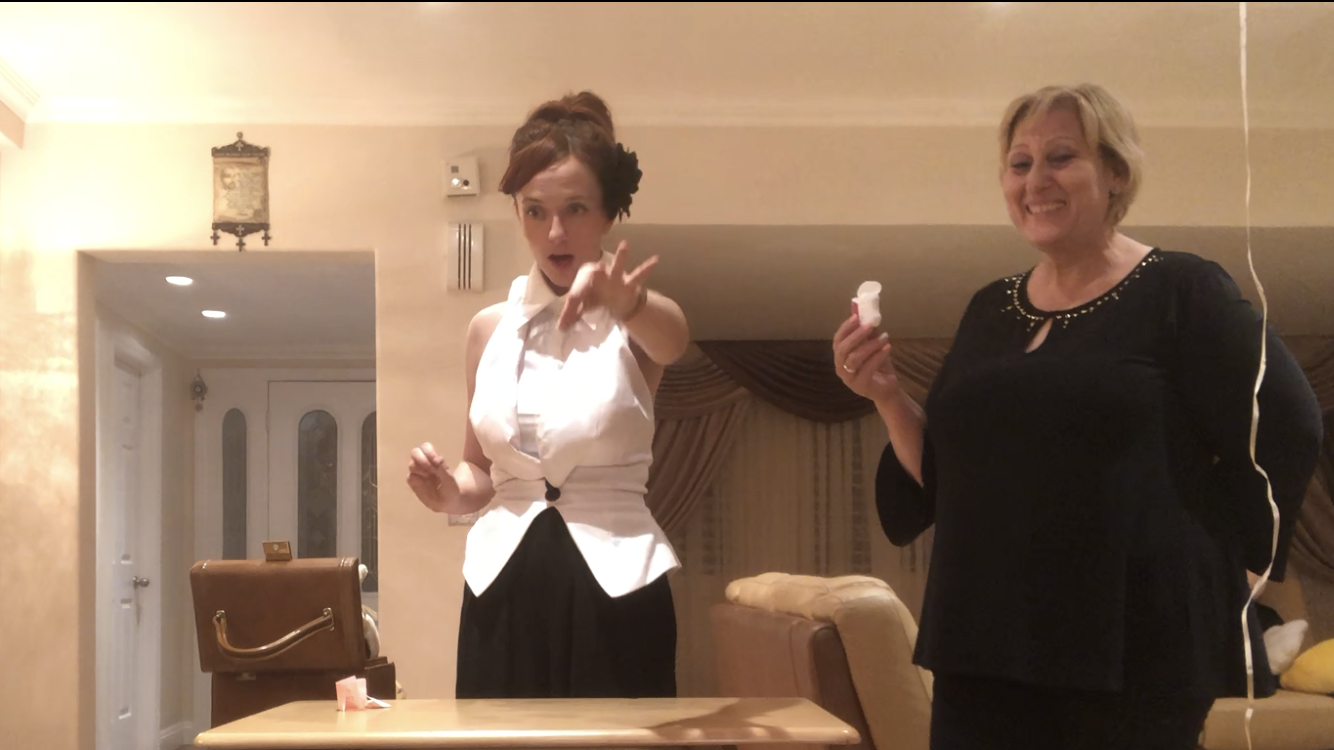
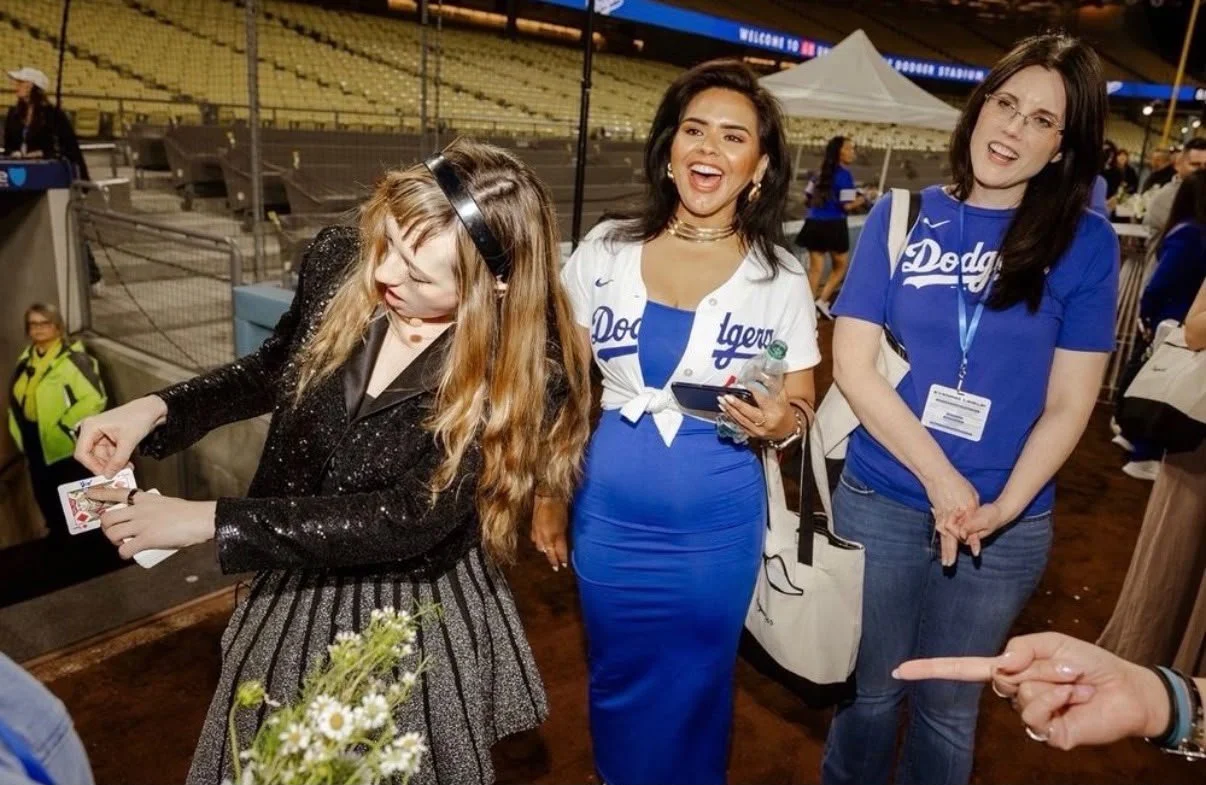
Briefly, since it's relevant. Magic has historically been overwhelmingly male, and when I perform for school and family audiences I regularly notice something in the room, particularly among girls: a small recalibration when the person doing the impossible thing turns out to be a woman who is very good at it.
Nobody says anything profound, and I don't lecture about it, which is rather the point. It's demonstration rather than instruction, and it tends to stay with students longer than being told the same thing would. If your school or organization is planning something, I'm glad to talk about how a performance or a session might fit.
Frequently Asked Questions
What works best with primary age children?
Exposure rather than explanation, since abstract encouragement means little at that age. The most effective activities for women's empowerment for young children are stories where girls invent, explore, and solve problems, visitors whose jobs surprise them, and images of women doing unexpected things. No framing is needed. A child who has met a female engineer or pilot doesn't need to be told women can do those jobs, their picture of the world has already updated.
Why does empowerment programming fail with teenagers?
Almost always for tonal reasons rather than content. Anything resembling a lesson in what to think gets rejected on principle, particularly by the students who most need it. The activities for women's empowerment that work with this age treat students as capable of forming their own views, using real conversations rather than assemblies and speakers who describe what they actually did. Being honest about difficulty matters too, since teenagers discount sanitized stories immediately.
What should we program for university students?
Practical things, since students at this stage are close enough to working life to ask concrete questions. Negotiation workshops with real scripts, sessions on interviewing and salary conversations, access to alumnae in specific fields, and application clinics all outperform motivational content. Panels work only when panelists discuss actual decisions and setbacks. Among activities for women's empowerment, respecting the practical questions students are genuinely asking is what makes programming useful.
Should boys be included?
Yes, fully, and separating them out teaches something unintended. Boys form expectations about who does what during the same years, and a boy who watches a woman do something genuinely impressive updates assumptions that matter decades later, including how he behaves as a colleague and manager. Activities for women's empowerment aimed only at girls miss half the point, and arguably the half with the longer consequences. Whole year groups, same session.
What kind of visitor makes the biggest impact?
Someone doing something students wouldn't have predicted. The careers young people encounter tend to be the visible ones, so their picture is narrower than reality, and a woman from a genuinely unexpected field, a marine biologist, stunt performer, aircraft engineer, or magician, does disproportionate work. The surprise is the point, and it makes the session memorable, which matters since forgettable programming achieves nothing regardless of quality.
Do you visit schools or youth organizations?
Yes, I perform magic and mentalism for school and community audiences, and I can also speak about building a career in a field where women were long the exception. It works well for assemblies and events because it engages a wide age range at once and demonstrates the point rather than stating it. Reach out with your date, location, and the year groups involved and we can talk it through.
Aim Small, Repeat Often
The most effective activities for women's empowerment with young people share a shape: they show rather than tell, they respect the age they're aimed at, they involve doing something, they include everyone, and they don't promise transformation. A student who leaves having met one woman doing an unexpected job, or having practiced one useful skill, has gained something real. Those small effects, repeated across years, are what actually shifts a young person's sense of what's available to them.
If a visit or performance would help with what you're planning, I'd be glad to hear about it.
Reach out with your date and year groups, and let's give them something they remember.