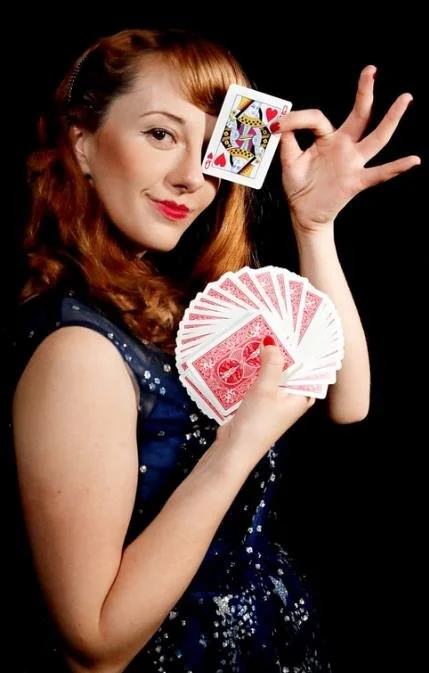


Magical Katrina on NPR: How a Los Angeles Magician Is Leading the “Magic Is Back” Movement
Magical Katrina on NPR: How a Los Angeles Magician Is Leading the “Magic Is Back” Movement

Being interviewed on NPR is a milestone for any artist. For me, it felt like something more than that—it felt like a marker in time.
My recent NPR interview wasn’t just a personal honor. It was a signal. A quiet but unmistakable confirmation of what I’ve been seeing for years in living rooms, at cocktail hours, and across party floors all over Los Angeles: magic is back!
From birthday parties and bachelorette parties to weddings, kids’ celebrations, and intimate room events, magic has reemerged as one of the most sought-after forms of live entertainment. In the interview, I shared why magic is trending again, how platforms like TikTok reignited curiosity and wonder, and what it means to carve out space as a female magician in Los Angeles. That conversation didn’t just spotlight my career, it highlighted a movement I’m proud to be part of.
Why an NPR Interview Matters for a Magician
NPR holds a very particular kind of weight. It’s thoughtful. Curious. Intentional. It doesn’t chase trends—it asks why they exist.
That’s why being featured on NPR as a magician felt so meaningful.
Magic is often dismissed as novelty, but NPR understands nuance. When they chose to have a long-form conversation about magic, they acknowledged something I’ve always believed: magic is art. It’s storytelling. It’s human connection.
During the interview, I spoke openly about my journey as a magician in Los Angeles, how my audiences have changed, and why I care so deeply about creating moments that feel intimate and emotionally resonant. For listeners, it was a chance to peek behind the curtain—not just at tricks, but at intention.
“Magic Is Back” — And There’s a Reason for It
One of the central questions NPR asked was simple:
Why now? Why magic?
My answer was equally simple.
Because people are craving wonder.
Social media—especially TikTok and Instagram—has absolutely played a role. Short, visual moments of sleight of hand and mind reading have captured millions of eyes. But what’s happening goes far beyond algorithms.
Magic is back because people are tired of being numb.
They want to feel surprised again.
TikTok Sparked It Live Magic Makes It Real
Watching magic on your phone is impressive.
Seeing it happen inches from your face is something else entirely.
In the interview, I talked about how social media often acts as the doorway—but live magic is what seals the deal. People discover magic online, then realize they want that feeling in the room.
That’s why likes turn into bookings.
Magic doesn’t live on a screen. It lives in shared breath, eye contact, laughter, and disbelief.
Why Magic Is the New Go-To Entertainment for Parties
One of my favorite parts of the NPR conversation was talking about how magic has become a top entertainment choice for all kinds of celebrations.
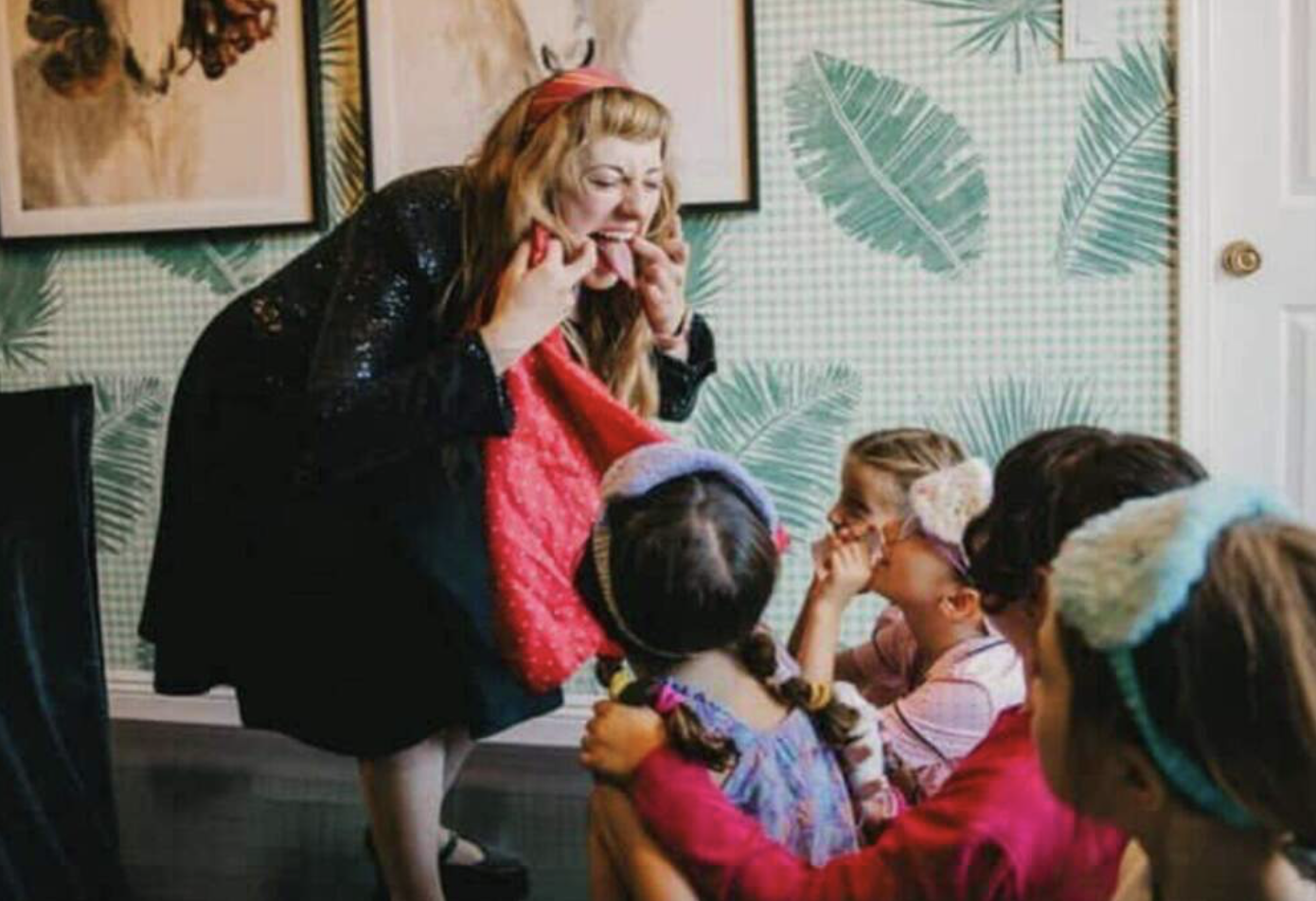
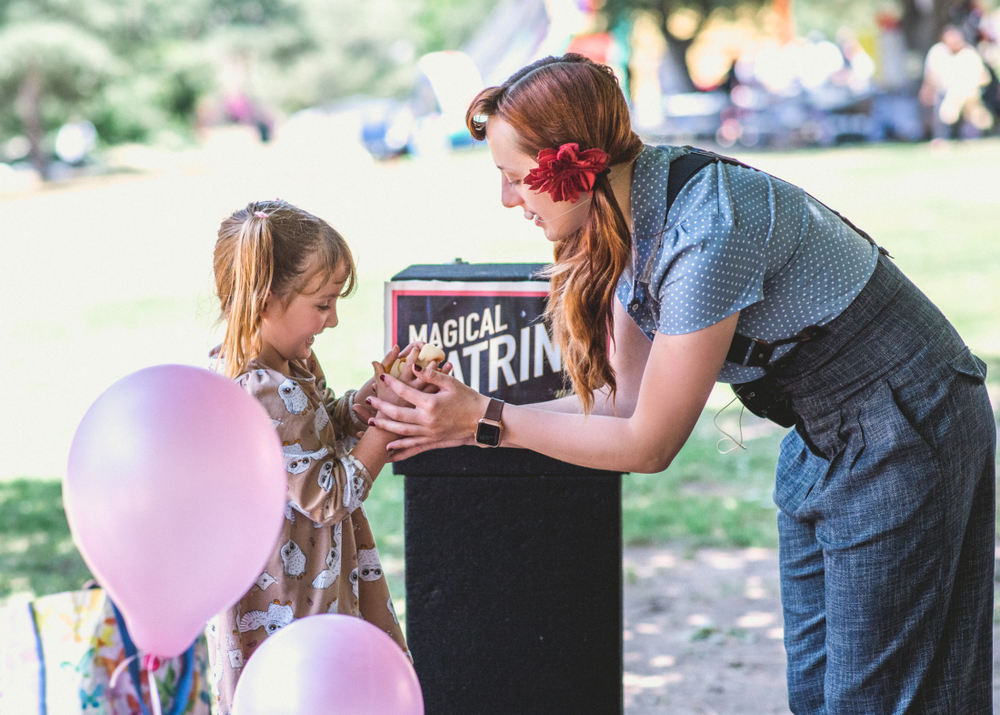
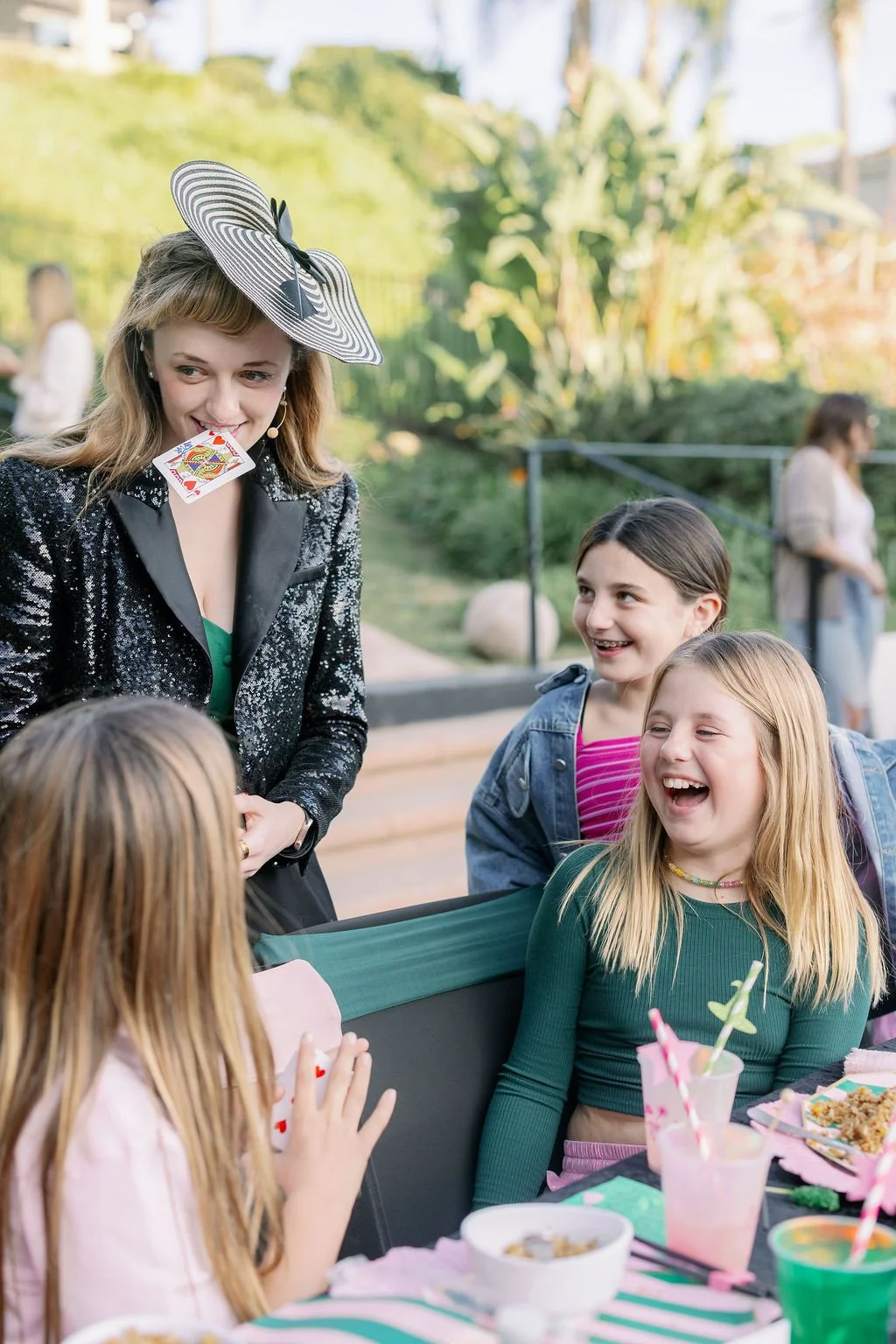
Birthday Parties (Kids and Adults)
Magic has grown up—but it never stopped being magical for kids.
Kids’ birthday parties thrive on imagination and interaction
Adult birthdays lean into sophisticated, mind-blowing close-up magic
Shared astonishment creates instant connection between guests
More and more parents are choosing a magician over bounce houses or clowns, and adults are opting for magic instead of DJs or karaoke. The common thread? People want something memorable.
Bachelorette Parties: Unexpected and Perfect
One of the fastest-growing trends I mentioned on NPR is magic at bachelorette parties.
It works because it’s unexpected.
Magic brings surprise, laughter, and those “wait—how did that just happen?” moments that are perfect for photos, videos, and stories retold the next morning.
It shifts the energy in the room instantly.

Weddings: Creating Moments Guests Actually Remember
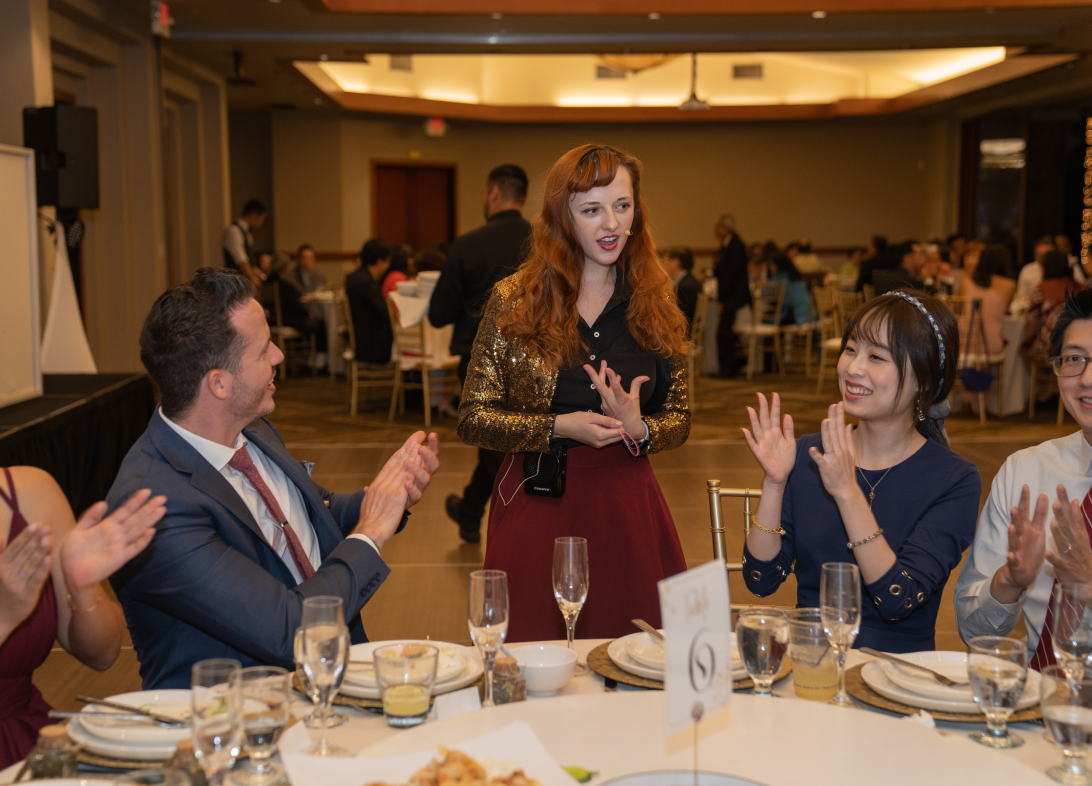
At weddings, I often perform close-up magic during cocktail hour or between courses. These are small, intimate moments shared between a few people at a time that ripple outward through the room.
Magic doesn’t compete with the wedding It weaves into it.
Guests aren’t just watching something happen—they’re part of it. And those moments stay with them long after the cake is gone.
From Corporate Events to Intimate Room Events
NPR also asked about how my work has shifted over the years.
While I still perform at corporate events and large productions, there’s been a noticeable rise in requests for smaller, more intimate room events private dinners, living rooms, boutique venues.
Why?
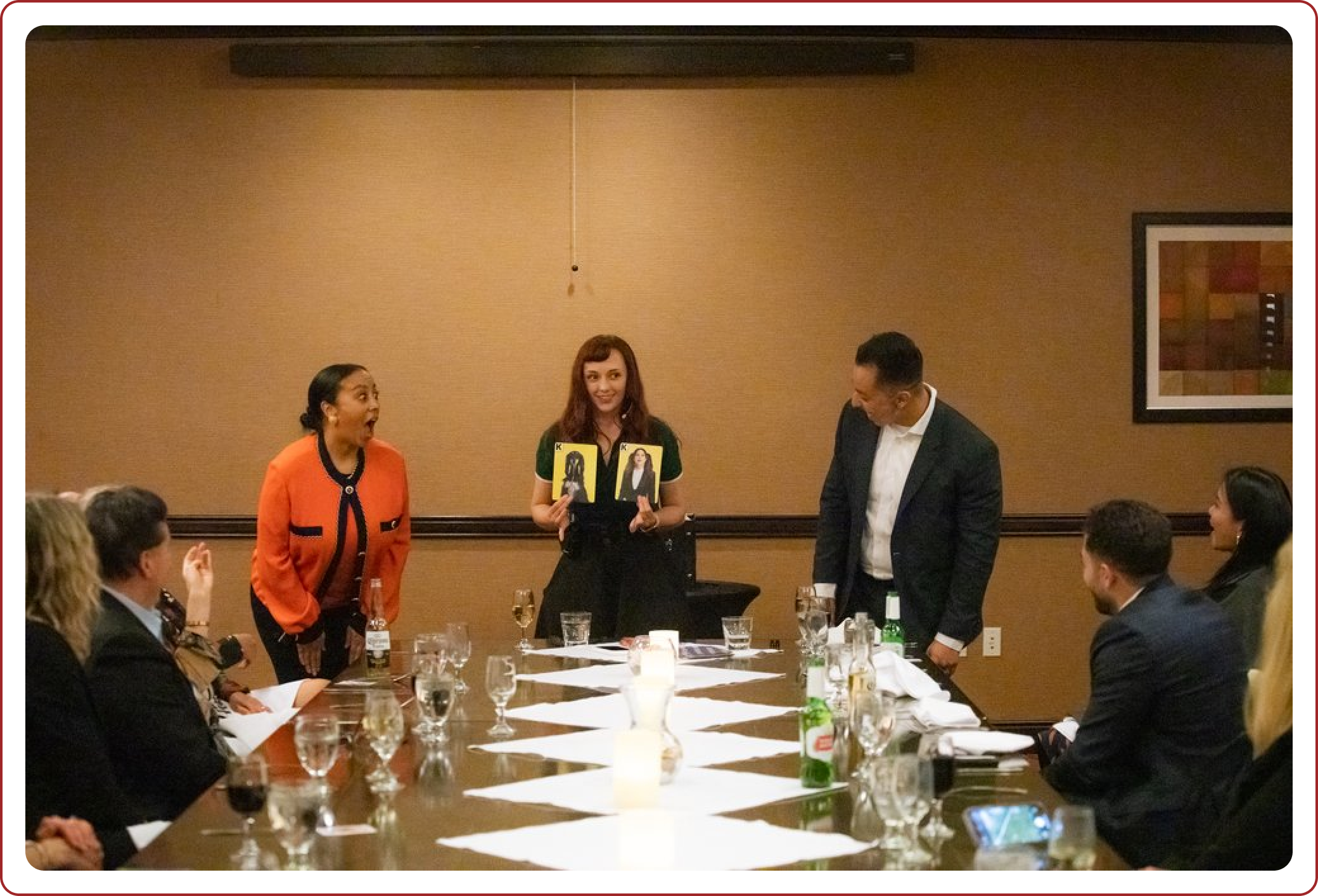
Because people want connection, not spectacle.
They want to be close enough to feel it.
Magic becomes more personal when there’s no distance between performer and audience. In close quarters, everyone belongs to the moment.
Breaking Barriers: Women in Magic
One of the most meaningful parts of the interview centered on representation.
Magic has historically been a male-dominated field. That’s just a fact. But I’ve never believed that breaking barriers has to be loud.
Sometimes it’s quiet consistency.
Redefining What a Magician Looks Like
As a female magician in Los Angeles, I’ve focused on building a style that feels true to me:
Elegant
Playful
Intelligent
Emotionally grounded
By simply showing up—confident, skilled, and unapologetically myself—I get to challenge assumptions without ever naming them.
Why Visibility Matters
Representation isn’t abstract. It’s practical.
When people see women performing magic at a high level, it expands what feels possible. For young girls, for future performers, and for audiences who didn’t even realize they had a mental image of what a magician “should” look like.
Why Magic Matters Right Now
One line from the interview seemed to resonate deeply with listeners:
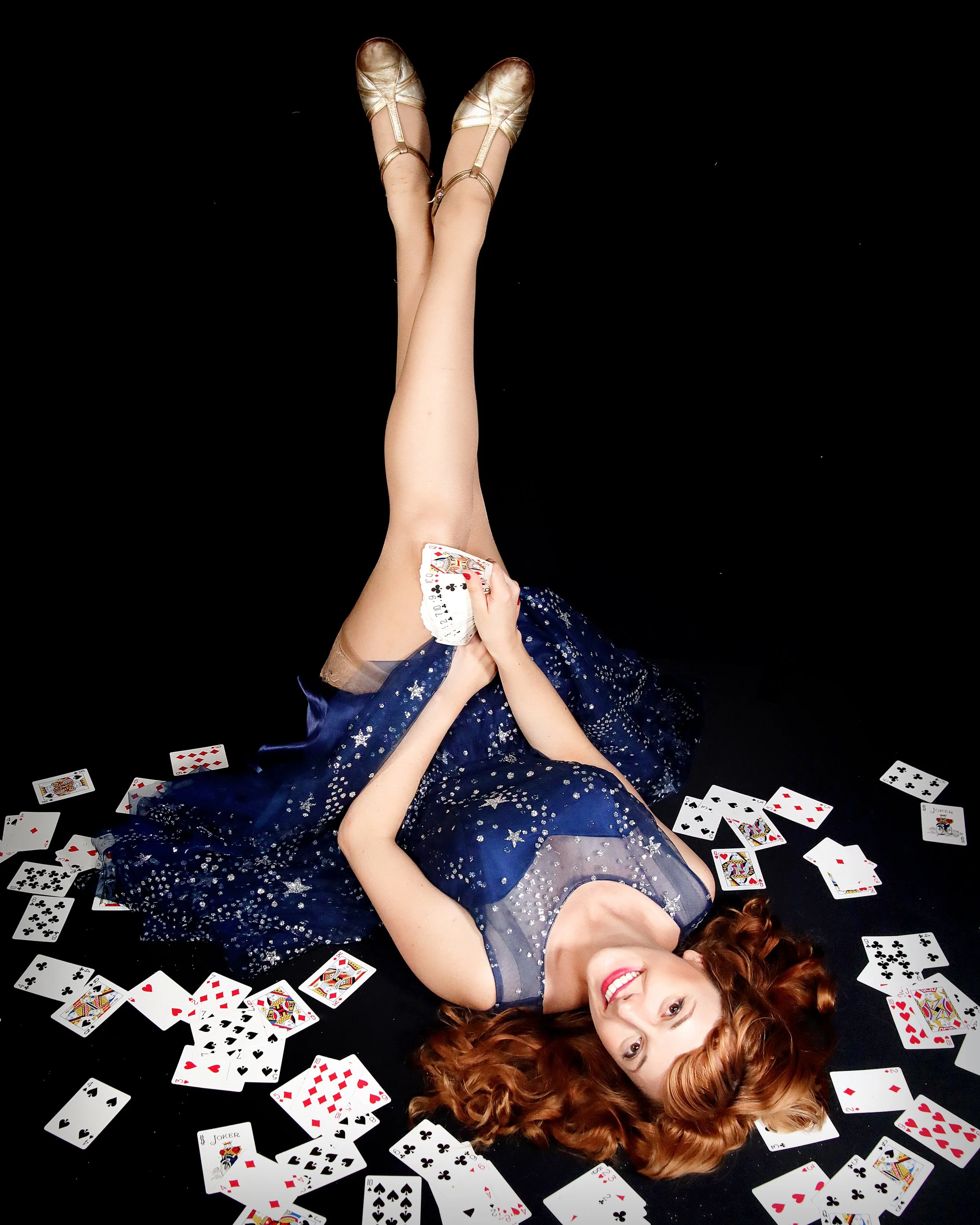
“In times of darkness, we can still find whimsy and beauty.”
What It Feels Like to Bring Whimsy in Difficult Times
During the NPR conversation, one of the questions that stayed with me the most wasn’t about trends or bookings—it was deeply human.
I was asked what it feels like to bring whimsy to people, to be met with sheer delight and wonder, especially during such difficult times.
I shared that it’s incredibly grounding. There’s something profound about watching someone’s shoulders drop, their face soften if only for a moment. In those moments, appreciation isn’t loud or performative— It’s felt.
That question led me to think about a film I’ve loved for years: the Italian movie Life Is Beautiful.
I mentioned it during the interview because it captures something essential about why whimsy matters. The story follows a father who uses clowning to protect his young son from the horrors surrounding them. He doesn’t erase reality—but he reframes it through love, play, and wonder in order to save his child’s spirit.
I was careful to say that I’m not in that situation at all— but it's important to remember that:
“In times of darkness, we can still find whimsy and beauty.”
Sometimes, that’s all we can do.
And sometimes, that’s enough.
Why This Interview Matters for the Magic Industry
This moment wasn’t just personal. It felt communal.
An NPR interview with a magician legitimizes something many of us already know: magic is evolving. It’s intimate. It’s human.
It opens doors for more diverse voices, smaller formats, and deeper appreciation for magic as an art form—not just entertainment.