


Seattle Magician: Planning an Outdoor or Summer Event
Seattle Magician: Planning an Outdoor or Summer Event
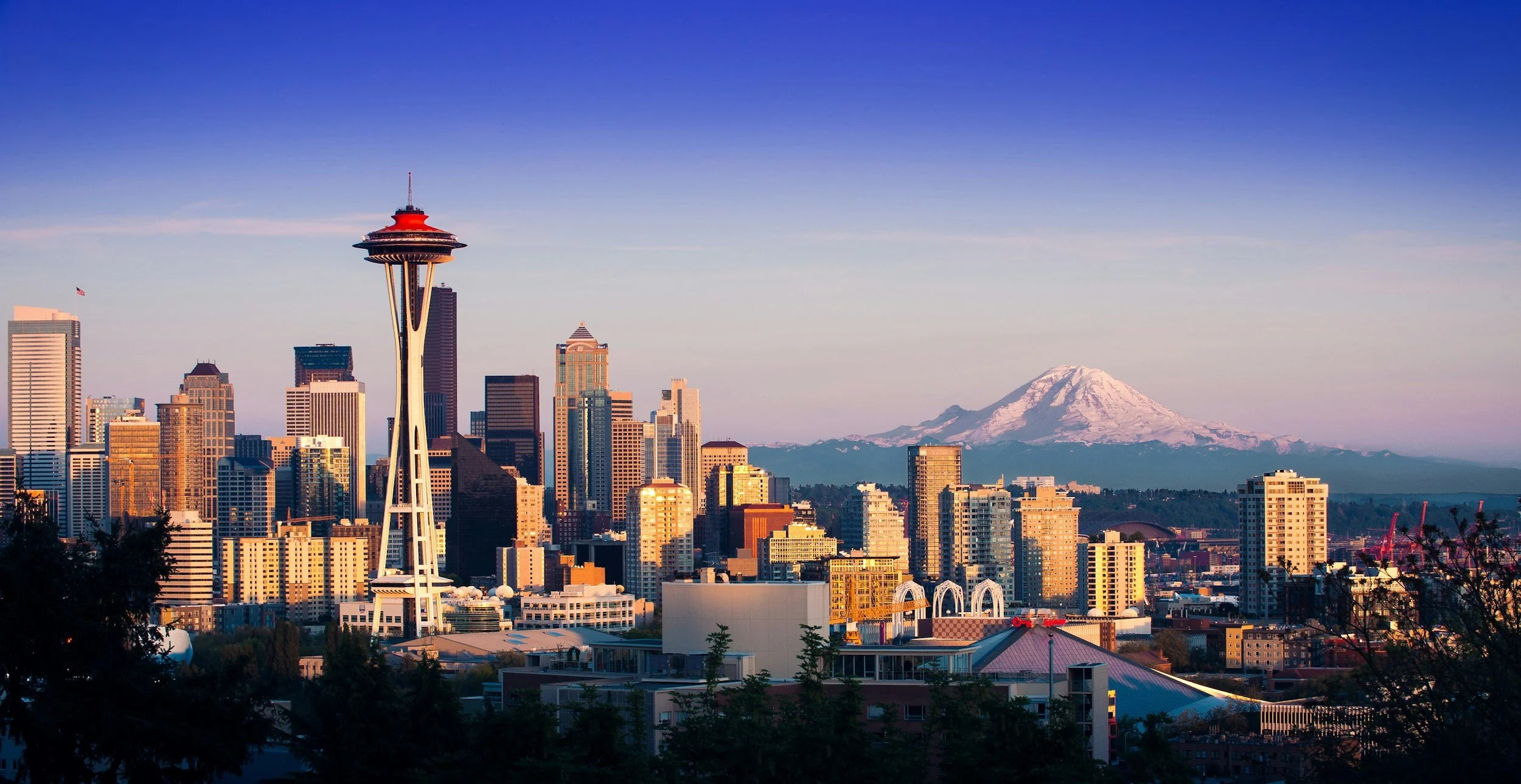
Seattle's reputation does it a disservice in summer. Visitors plan around rain and discover that July and August are frequently dry, warm, and light until nearly ten at night, which makes them among the best conditions for an outdoor evening anywhere.
The window is short and the shoulder months are not the same thing at all. I'm Magical Katrina, an award winning magician and mentalist who performs in Seattle, and I want to set out what the climate means for an outdoor event, and what that implies when you're booking a Seattle magician.
Summer Is Genuinely Excellent
Start with the correction, since visitors plan around the wrong thing. From roughly July into mid September, Seattle evenings are dry, mild, and long, with usable light considerably later than most of the country.
That makes an outdoor summer event more reliable here than in cities with dramatic weather, and it means the terrace or garden you're considering is a realistic plan rather than an optimistic one. If your date is flexible and outdoor space matters, that window is where to put it.
The Light Changes Your Timeline
The practical consequence people miss. In July it's properly light until close to ten, which is lovely and means anything depending on darkness arrives very late in the evening.
Candlelight, lighting design, and anything atmospheric does nothing until the sun goes, so if those matter, plan a later start or accept that the daytime and evening portions will look different. For a reception running six until nine, you're essentially planning a daylight event, which is a different aesthetic from the one in the photographs you've been sent.
Outside That Window, Plan Indoors
Worth being direct about. From October through May the rain is persistent rather than dramatic, the evenings are dark early, and an outdoor plan is a plan that will move.
That doesn't rule out using outdoor space, and it means the indoor half is the real venue with the terrace as a bonus. A format that relocates without adjustment matters here more than in a city where the plan either works or doesn't: a Seattle magician performing close up moves with your guests and nothing needs carrying, reconnecting, or setting up again.
Evenings Cool Faster Than People Expect
Worth planning for even in summer. A warm Seattle afternoon becomes a noticeably cool evening once the sun drops, particularly near water, and guests dressed for a summer day feel it well before they'd admit it.
Heaters where the venue permits, wraps or blankets, and a line in the invitation suggesting a layer all extend your usable outdoor time by a real margin. None of it is expensive, and it's the difference between a terrace used all evening and one abandoned at nine.
Water Changes the Conditions
Locally specific and frequently underestimated. A venue on the Sound, a lake, or a waterfront is cooler and breezier than one a mile inland, sometimes considerably, and wind affects candles, light décor, and anything on a table that isn't weighted.
Ask the venue directly how their outdoor space behaves in the evening, since they'll know and visitors never think to ask. The view is usually worth it, and it's worth going in knowing that a waterfront terrace is a different proposition from a sheltered garden.
Guests Arrive Across a Window
The regional logistics point. The area's bridges, ferries, and traffic mean travel times vary considerably more than a map suggests, and guests arrive across a longer window than an invitation implies.
A format that works from the first arrivals rather than requiring a full room suits that, since early guests get something instead of standing about, and nothing needs scheduling for a moment when half the room is still travelling. Build genuine slack into whatever running order you have.
Corporate Summer Events Are a Real Category
Worth noting, since the market here does them well. With a short reliable window and a large corporate population, Seattle companies hold summer parties, family days, and outdoor gatherings in genuine numbers, and the good venues for those book early.
If your organization runs one, treat the booking timeline like December's: secure the date well ahead rather than in May. That applies to entertainment too, since the same few summer weekends are contested by everybody.
Choose a Format That Doesn't Care
The conclusion underneath all of it. The more your entertainment depends on power, staging, sound, or a fixed position, the more exposed your event is to a decision made at five o'clock about whether to move inside.
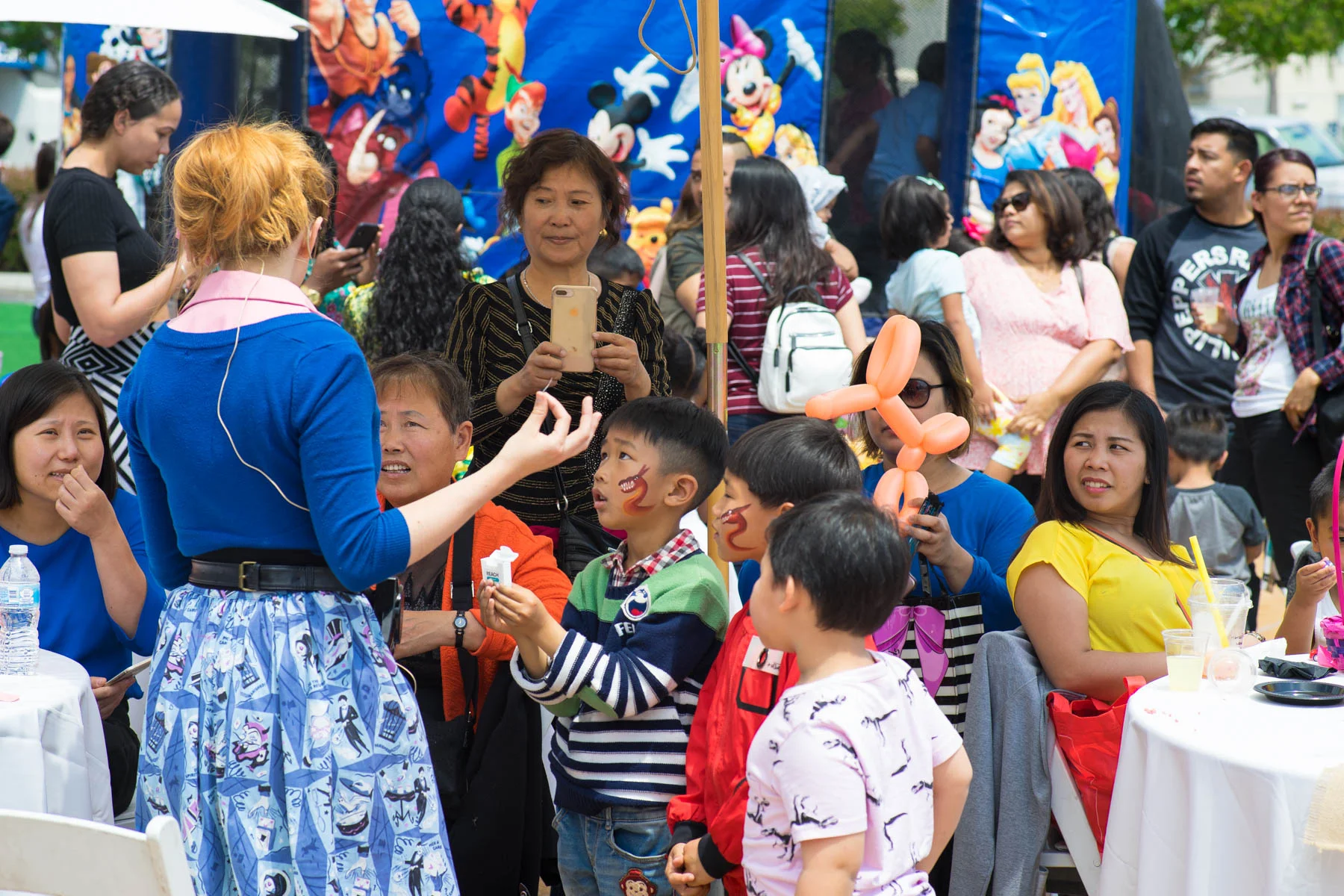
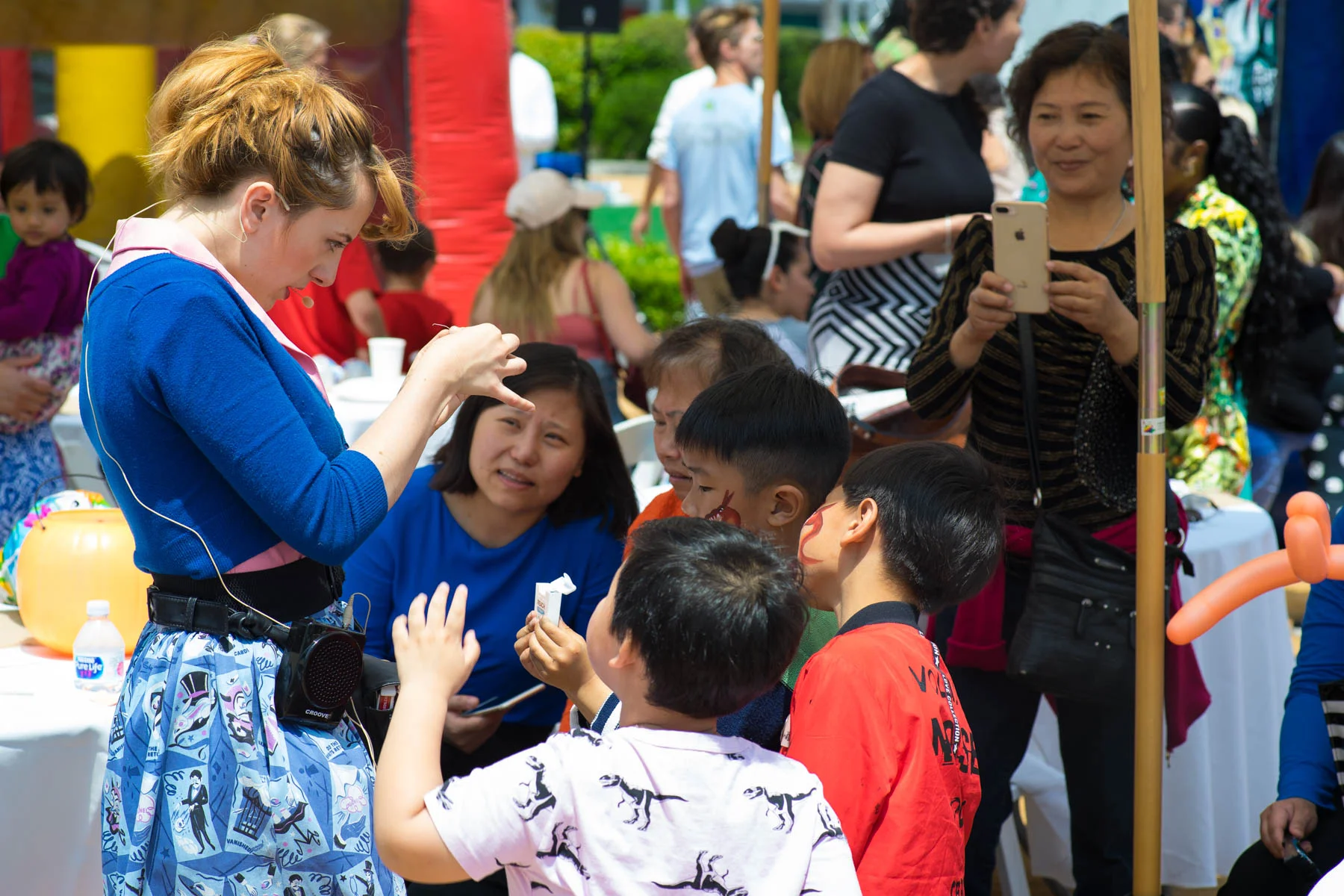
Close up magic needs none of it, works on a lawn exactly as in a room, and relocates with your guests without anybody noticing. For a city where the summer is excellent and the shoulder months are provisional, that weather independence is worth more than it appears on a quote.
A Note on "Local vs. Traveling In"
Worth knowing: performers who travel to Seattle work from a different calendar than those based there, which matters in a market where the local pool is smaller than the demand, particularly in the summer weeks. Travel is discussed openly and factored into the quote. I'm based in the Los Angeles area and travel to Seattle for events.
Why Book Magical Katrina
If your event has outdoor space in play, here's my case. I'm a member of the Magic Circle in London and the Academy of Magical Arts in Hollywood, I've earned multiple magic awards, and I've performed for clients including Formula 1, the Olympics, Porsche, Zapier, and the Ritz Carlton, with appearances on Penn & Teller: Fool Us and Masters of Illusion. I need no stage, power, sound, or setup, so a lawn and an indoor room work identically, and I move with your guests the moment the evening turns.
Frequently Asked Questions
Is an outdoor summer event actually realistic here?
More than visitors expect, since from roughly July into mid September evenings are dry, mild, and light until nearly ten, which makes conditions among the best anywhere. The reputation for rain applies to the darker months rather than the summer, so a terrace or garden is a realistic plan.
How does the late light affect planning?
It pushes anything atmospheric very late, since candlelight and lighting design do nothing until the sun goes, which in July is close to ten. A reception running six until nine is essentially a daylight event, so plan a later start if darkness matters or accept that the evening will look different from the photographs.
What about events outside the summer?
Plan indoors with outdoor space as a bonus, since from October through May the rain is persistent, evenings are dark early, and an outdoor plan is one that will move. A format relocating without adjustment matters more here than in a city where the plan either works or doesn't.
Will it get cold in the evening?
Noticeably, even in summer, since a warm afternoon becomes a cool evening once the sun drops, particularly near water, and guests dressed for a summer day feel it before they'd say so. Heaters, wraps, and a line in the invitation suggesting a layer extend your outdoor time by a real margin.
Does a waterfront venue behave differently?
Considerably, since a venue on the Sound, a lake, or a waterfront is cooler and breezier than one a mile inland, and wind affects candles, light décor, and anything unweighted. Ask the venue how the space behaves in the evening, since they'll know and visitors never think to ask.
Why do guests arrive late here?
Because bridges, ferries, and traffic make travel times vary considerably more than a map suggests, so guests arrive across a longer window than the invitation implies. A format working from the first arrivals means early guests get something rather than standing about.
We're planning a company summer event. When should we book?
Like December, since Seattle's short reliable window and large corporate population mean summer parties and family days are held in genuine numbers and the good venues book early. The same few weekends are contested by everybody, which applies to entertainment as well as venues.
How do I book you, and what should I tell you?
Reach out with your date, venue, guest numbers, and whether outdoor space is in play. That's enough for me to check availability and send a quote, and I'll plan for both spaces as standard since I need no stage, power, or setup and can move with your guests when the evening turns.
Use the Window, Plan for the Rest
Seattle's summer is better for outdoor events than its reputation suggests and considerably shorter than visitors assume, which makes the date the decision that matters most. Put outdoor plans in the July to September window, remember that the light runs late and anything atmospheric arrives with it, plan for a cool evening near water, and book early because everybody wants the same weekends.
Outside that window, treat the indoor room as the venue and choose a Seattle magician whose format moves with your guests rather than one that commits you to a space before you know the weather.
Reach out with your date and venue, and I'll plan for both spaces.