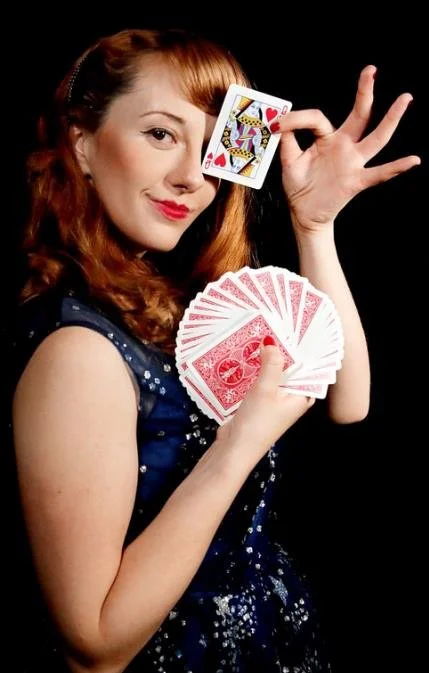


Strolling Magician Las Vegas for Incentive Trips
Strolling Magician Las Vegas for Incentive Trips
An incentive trip is not a conference with better weather. The attendees qualified for it, they have been told all year that this is the reward, and a meaningful number of them brought a partner who has heard about it for months and has their own expectations of the week.
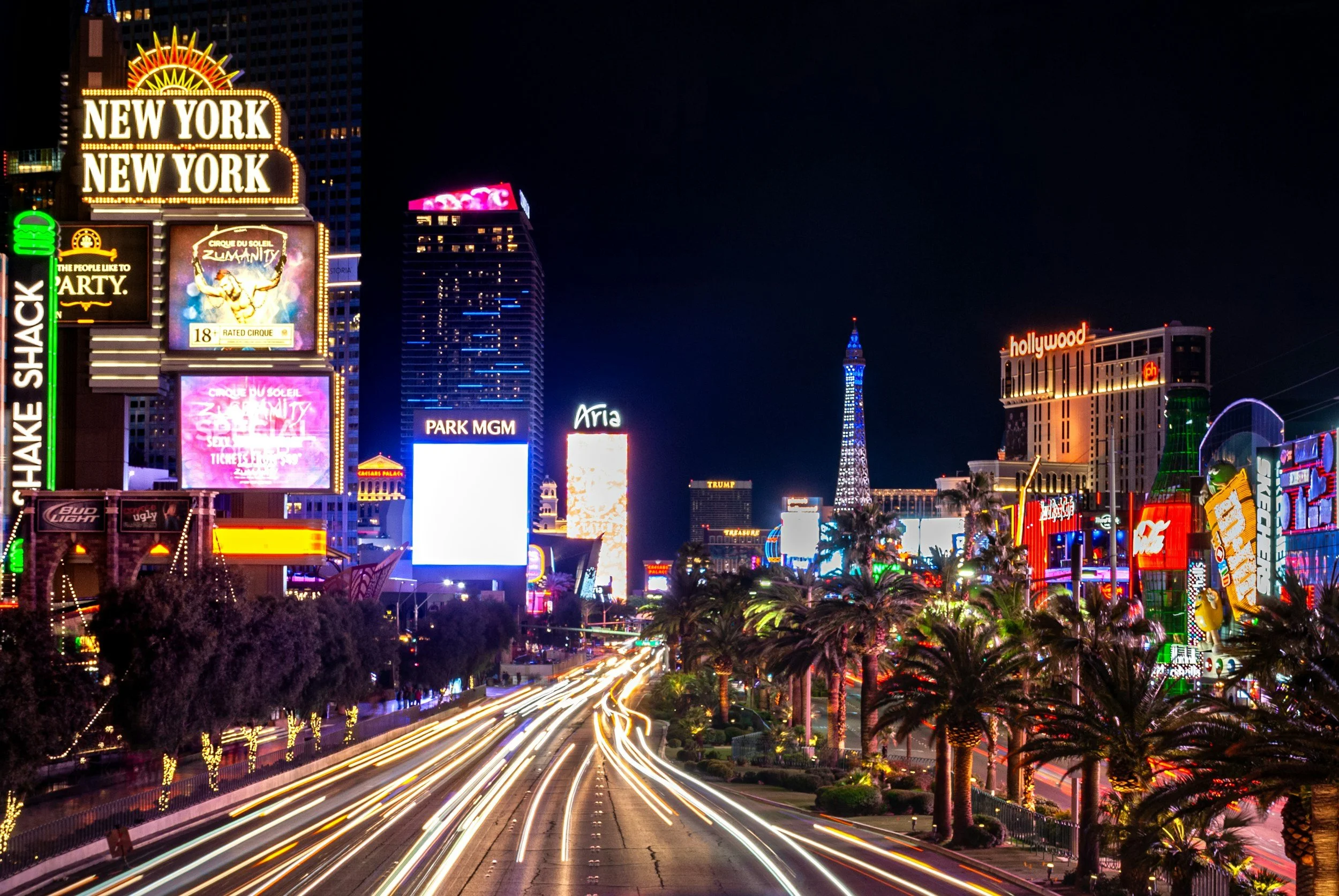
That raises the standard considerably on everything you program. I'm Magical Katrina, an award winning magician and mentalist, and I want to set out what a strolling magician Las Vegas booking contributes to an incentive program, and what makes this kind of trip different to plan for.
They Earned This, Which Changes Everything
Start with the thing that separates incentive travel from every other corporate event. Attendees at a conference were sent, whereas attendees on an incentive trip competed for a place and won.
That means anything that feels cheap, generic, or like something they'd get at a sales meeting undercuts the entire premise of the program. The trip is the proof that the company rewards performance, and a reward that feels ordinary sends a message about what the achievement was worth. Everything on the itinerary is read through that lens, including the entertainment.
Partners Are Half Your Audience
The planning fact most programs underweight. A large proportion of qualifiers bring a spouse or partner, and that person has no colleagues in the room, no shared references, and no interest in anything that turns into shop talk.
Programming aimed at the sales organization leaves them standing at the edge. Magic crosses that completely, since astonishment requires no knowledge of the company, the quarter, or anybody's numbers, and a performer moves between a group of qualifiers and a table of partners without changing anything. For an audience that's half outsiders by design, that matters more than it does anywhere else.
The Awards Dinner Is the Centre of the Week
Worth getting right above everything else. Most incentive programs build to a formal dinner where the top performers are recognized, and that evening is what people remember and describe when they get home.
The risk is a long sequence of categories where attention drops after the first few while everybody waits for their name. Strolling between courses or something in the gaps between award blocks resets the room, so the later recognitions land with real energy rather than politeness. If you program one thing properly across the week, this is the evening.
Qualifiers Don't All Know Each Other
The structural problem worth solving. Top performers come from different regions, different divisions, and sometimes different acquired companies, and plenty of them have never met despite appearing on the same leaderboard all year.
A week together is supposed to produce those relationships, and left alone the room sorts by region within an hour. Something moving through a reception gives strangers an opening, which is how two people who were names on a dashboard become colleagues who call each other. For a sales organization, that network is a genuine return on an expensive week.
Free Time Is the Point, So Don't Overfill It
Worth saying, since the instinct runs the other way. People who earned a trip to Las Vegas want some of it to themselves, and an itinerary scheduled from eight in the morning turns a reward into an obligation.
The good programs have a small number of excellent moments and a lot of open time. That argues for entertainment that attaches to things already happening, a welcome reception, a dinner, a hospitality suite, rather than requiring its own slot on an already crowded schedule. Strolling fits that shape exactly, since it adds nothing to the itinerary.
Suites and Receptions, Not Ballrooms
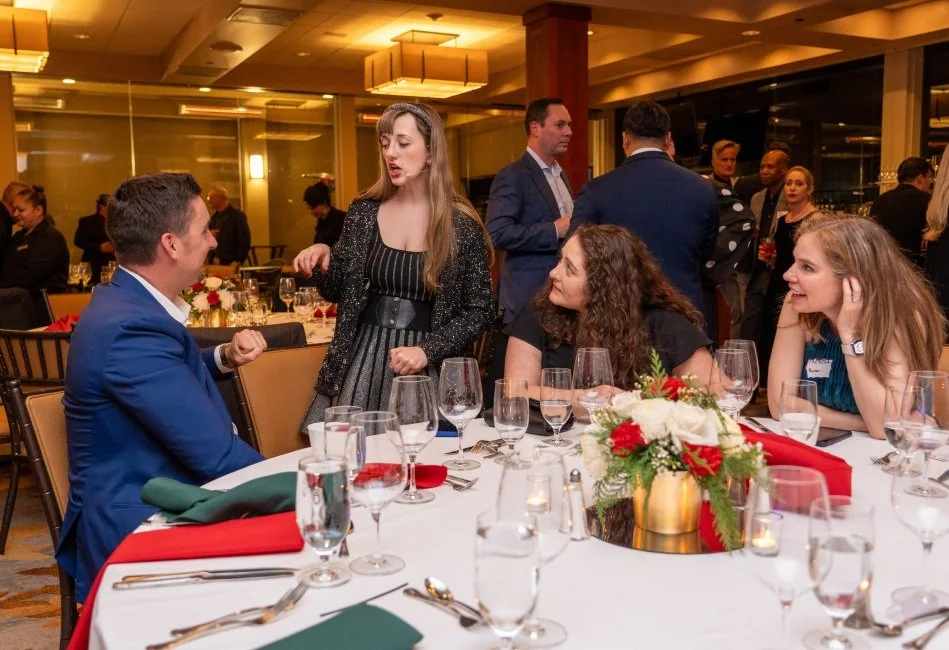
Practically relevant for format. A great deal of incentive programming happens in hospitality suites, on terraces, at a restaurant buyout, or in a reception before the dinner rather than in a ballroom with a stage.
Close up magic needs no stage, power, sound, or setup and works in any of those exactly as it is, which suits a program moving between venues across several days. For a hospitality suite on the first evening, where there's no production and no technical support at all, it's the only entertainment format that works without arrangements.
Arrivals Are Spread Across a Whole Day
Worth planning for, since qualifiers fly in from everywhere. People land throughout the first day, go to their rooms, and come down to the welcome reception at different times across two hours.
Something that works from the first arrivals suits that, so the people who got in at two have a proper evening rather than standing with the three others who arrived early. The first night sets the tone for the week, and a thin opening reception is a poor start to something people competed all year to attend.
Tell Your Performer Who's in the Room
Practically useful. An incentive group has a specific composition: qualifiers, partners, a handful of executives who flew in for the dinner, and sometimes customers or channel partners mixed in.
A performer who knows that works the room accordingly, spending time with the partners who don't know anybody, recognizing the people being honored that evening, and staying clear of whatever executive conversation is happening in the corner. That briefing takes five minutes and makes a visible difference to how the evening runs.
A Note on "Local vs. Traveling In"
Worth knowing: I'm based in the Los Angeles area and travel to Las Vegas regularly for corporate events. Travel is discussed openly and factored into the quote rather than being your problem to arrange, and for a multi day program it's straightforward to cover more than one evening.
Why Book Magical Katrina
If you're running an incentive program, here's my case. I'm a member of the Magic Circle in London and the Academy of Magical Arts in Hollywood, I've earned multiple magic awards, and I've performed for clients including Formula 1, the Olympics, Porsche, Prada, and the Ritz Carlton, with appearances on Penn & Teller: Fool Us and Masters of Illusion. I work qualifiers and partners equally rather than pitching at the sales team, I need no stage, power, or sound so a hospitality suite works as it is, I add nothing to your itinerary since I attach to events already happening, and I can cover several evenings of a multi day program.
Frequently Asked Questions
How is an incentive trip different from a conference?
The attendees competed for a place and won rather than being sent, so anything generic undercuts the premise of the program. The trip is proof that the company rewards performance, and a reward that feels ordinary says something about what the achievement was worth.
What about the partners who come along?
They're half your audience and the group most programs underweight, since they have no colleagues in the room and no interest in shop talk. Magic requires no knowledge of the company or the numbers, so a performer works qualifiers and partners the same way without changing anything.
Which evening matters most?
The awards dinner, since that's what people describe when they get home. The risk is attention dropping after the first few categories while everybody waits for their name, so something between courses or between award blocks resets the room and the later recognitions land properly.
What problem does it solve during the week?
Qualifiers not knowing each other, since top performers come from different regions and divisions and plenty have never met despite being on the same leaderboard. Something moving through a reception gives strangers an opening, which turns names on a dashboard into colleagues who call each other.
Shouldn't we fill the itinerary?
No, since people who earned a trip want some of it to themselves and a schedule running from eight turns a reward into an obligation. Good programs have a few excellent moments and plenty of open time, which argues for entertainment attached to events already happening rather than taking its own slot.
Will it work in a hospitality suite?
Yes, since close up magic needs no stage, power, sound, or setup and works in a suite, on a terrace, or at a restaurant buyout exactly as it is. That suits a program moving between venues with no production or technical support.
Our group arrives across the whole first day. Does that matter?
It's normal and worth planning for, since qualifiers fly in from everywhere and come down to the welcome reception across two hours. Something that works from the first arrivals means early guests get a proper evening, and the first night sets the tone for the week.
What should we tell you beforehand?
Who's in the room: qualifiers, partners, executives flying in for the dinner, and any customers or channel partners mixed in. That briefing takes five minutes and lets me spend time with the partners who know nobody, recognize the people being honored, and stay clear of the executive conversation in the corner.
Program It Like a Reward, Not a Meeting
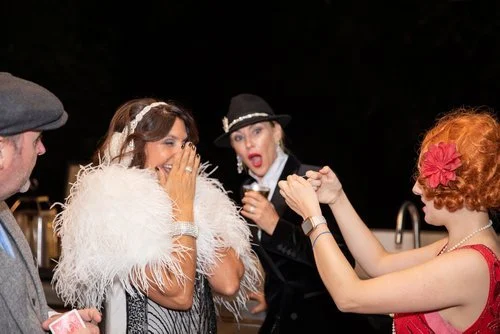
An incentive trip is judged by people who earned it and by partners who've heard about it all year, which sets a higher bar than any conference. A strolling magician Las Vegas booking fits that brief: it works for qualifiers and partners equally, it resets an awards dinner between categories, it gives top performers from different regions a reason to talk, and it attaches to the evenings you already have rather than filling the itinerary further.
Get the awards dinner and the first reception right, leave the rest of the week open, and the trip does what you designed it to do.
Reach out with your dates and program, and I'll tell you which evenings I'd work.