

Strolling Magician Las Vegas for Restaurants, Lounges, and Hotel Bars
Strolling Magician Las Vegas for Restaurants, Lounges, and Hotel Bars
Nearly everything written about entertainment in this city is aimed at people planning an event. Considerably less is aimed at the venues themselves, despite restaurants, lounges, hotel outlets, and neighbourhood spots across the valley facing a version of the same question every week: what makes a guest choose here rather than one of several hundred alternatives.
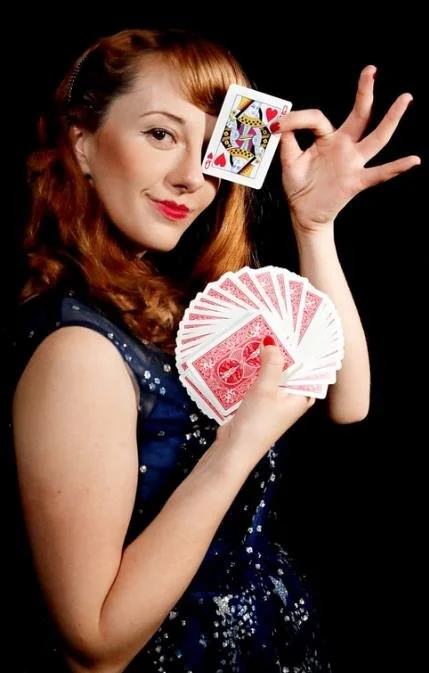
That's a different sort of booking with different requirements. I'm Magical Katrina, an award winning magician and mentalist, and I want to set out how a strolling magician Las Vegas venues engage actually works, and what an operator needs that an event client doesn't.
You Compete With an Entire City
The dynamic that makes this market unlike any other. In most cities a restaurant competes with a neighborhood. Here you compete with everything, including venues with production budgets, celebrity chefs, and marketing spend no independent operator can match.
That's precisely why differentiating on scale is hopeless and differentiating on experience isn't. A strolling magician Las Vegas gives guests something happening at your tables that isn't happening at the other three hundred, and it costs a fraction of what any comparable differentiator would. For an operator who can't outspend the Strip, offering something the Strip mostly doesn't bother with is a more sensible position.
The Locals Trade Is the Steady One
Worth separating, because the two customer bases behave differently. Tourist trade fluctuates with convention weeks, event calendars, and the season, and it rarely returns. Locals trade is steadier, more valuable over time, and considerably harder to win.
Residents choose venues on habit and on whether anything makes a particular night worth planning around. A strolling magician Las Vegas working a defined evening gives you something to promote to locals specifically, which is a different proposition from another offer aimed at visitors. For off Strip and neighborhood venues, that's usually where the growth is anyway.
Dwell Time and the Second Round
The commercial mechanism, stated plainly. Table magic between courses extends the time guests spend at a table without extending service, because gaps that already exist become part of the evening rather than a lull.
Guests enjoying themselves order another round, stay for dessert, and leave later than intended. That's ordinary hospitality economics, and close up magic achieves it without volume, without a stage, and without competing with the kitchen. For a venue where average cover value matters more than turning tables quickly, a strolling magician Las Vegas moves a number that's hard to attribute precisely and easy enough to feel across a quarter.
The Quiet Weeks Between Conventions
A rhythm specific to this city. Convention weeks fill everything, and the weeks between them can be noticeably thin, particularly for venues whose trade skews towards visitors.
Those quieter periods are where programming earns most, and they're also when performers are most available. A strolling magician Las Vegas booked for the slow stretches rather than the busy ones is both cheaper to arrange and more useful, since a full room needs no help. Operators who think about this seasonally rather than as a fixed weekly commitment usually get better value and better availability.
Hotel Outlets Compete Internally
A particular situation worth naming. Restaurants and bars inside a property compete with every other outlet in the same building, plus everything within walking distance, for guests who have already decided to stay there.
Your advantage is proximity, which is not much of an advantage when there are eight options in the same lobby. Programming a strolling magician Las Vegas for a defined window gives your outlet something guests encounter rather than seek out, and gives the front desk and concierge something concrete to mention. That referral matters more in a hotel context than almost any promotion you could run.
It Fits Rooms That Can't Take Anything Else
The practical argument. Dining rooms are built around service, with no stage, poor acoustics, and no square footage that isn't earning.
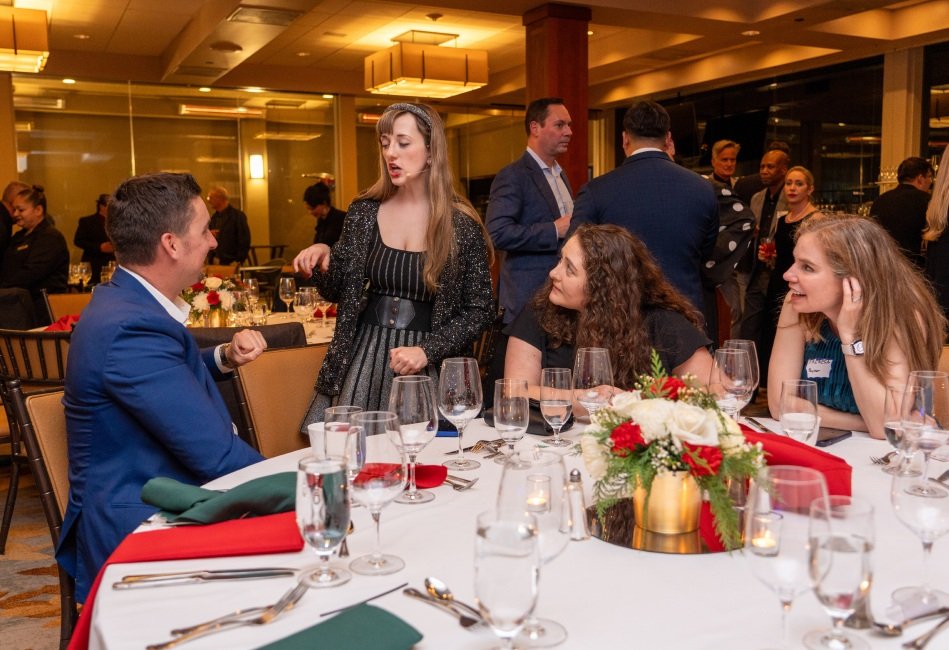
Live music competes with conversation and irritates as many guests as it pleases. Anything requiring equipment consumes covers. A strolling magician Las Vegas needs no stage, power, sound, or floor area beyond where staff already move, and works at conversational volume within the room's ambient level rather than above it. For most dining rooms it's the only entertainment format that genuinely fits without altering anything.
What Venues Actually Need
Different from what event clients need. Reliability above everything, since a performer who doesn't appear on a promoted night is a service failure rather than a disappointment. Comfort working around service, meaning knowing when to approach a table and when to leave it.
Discretion with guests, which matters here more than most places. Appropriate presentation for your room. Insurance and paperwork handled without chasing. And a willingness to work inside your operation rather than around it. A strolling magician Las Vegas who has worked venues understands that the business continues and the performance fits within it.
Being Honest About Travelling Performers
Worth saying directly, since it affects what I can offer. I'm based in the Los Angeles area and travel to Las Vegas regularly, which suits defined runs, seasonal programming, event weeks, and private dining bookings well.
It does not suit a weekly residency, and I'd rather say so than take an arrangement I can't sustain reliably. If you want a performer in your room every Tuesday for a year, a Vegas based performer will serve you better. If you want programming for particular periods, a slow season, a run of weeks, or your private dining offering, travelling in is entirely workable and travel is factored into the quote.
How These Arrangements Work
Practically, venue bookings tend to be structured as a defined window on a fixed schedule, agreed for a run or a season rather than negotiated each time: two or three hours on particular evenings across a defined period.
That suits both sides, giving you predictability for promotion and staffing and the performer a reliable commitment, with a rate reflecting the arrangement rather than one off pricing. Starting with a trial run of a few weeks is sensible before extending, since how it works depends considerably on your particular room and clientele.
Why Book Magical Katrina
If you're programming a venue, here's my case. I'm a member of the Magic Circle in London and the Academy of Magical Arts in Hollywood, I've earned multiple magic awards, and I've performed for clients including Formula 1, the Olympics, Porsche, Prada, and the Ritz Carlton, with appearances on Penn & Teller: Fool Us and Masters of Illusion. I understand that a venue's business continues around the performance, I work at conversational volume with no stage, power, or sound, and I read when a table wants attention and when it doesn't. I'm fully insured with a COI available, and I'll tell you honestly if a locally based performer suits your plans better.
Frequently Asked Questions
How can a venue compete with the Strip?
Not on scale, which is hopeless against production budgets and marketing spend no independent operator can match. On experience, which is achievable. A strolling magician Las Vegas gives guests something happening at your tables that isn't happening at the other three hundred venues, at a fraction of what any comparable differentiator would cost. Offering something the Strip mostly doesn't bother with is a more sensible position.
Does it help with locals or tourists?
Both, but locals is where it earns most. Tourist trade fluctuates with convention weeks and seasons and rarely returns, while locals trade is steadier, more valuable over time, and harder to win. Residents choose on habit and on whether anything makes a particular night worth planning around, so a defined evening gives you something to promote to locals specifically rather than another visitor offer.
When should we program it?
The quiet weeks between convention periods, which is when it earns most and when performers are most available. Convention weeks fill everything anyway, so a full room needs no help, whereas the thin stretches are where programming makes a difference. Thinking about this seasonally rather than as a fixed weekly commitment usually produces better value and better availability.
Does it actually affect spend?
Through dwell time, which is ordinary hospitality economics. Table magic between courses extends the time guests spend at a table without extending service, since existing gaps become part of the evening rather than a lull, and guests enjoying themselves order another round and stay for dessert. It's hard to attribute precisely and easy enough to feel in average cover value across a quarter.
We're a hotel outlet. Does that change anything?
Your competition is partly internal, since you compete with every other outlet in the building plus everything within walking distance, for guests who already chose to stay there. Proximity isn't much of an advantage when there are eight options in the lobby. Programming gives your outlet something guests encounter rather than seek out, and gives the concierge something concrete to mention, which matters more than most promotions.
Can you do a weekly residency?
Honestly, no. I'm based in the Los Angeles area and travel to Las Vegas regularly, which suits defined runs, seasonal programming, event weeks, and private dining bookings well, but not a reliable weekly commitment across a year. If that's what you want, a Vegas based performer will serve you better and I'd rather say so than take an arrangement I can't sustain.
How do we start a conversation?
Reach out with your venue, the kind of programming you're considering, and the periods you have in mind, whether that's a slow season, a defined run of weeks, or private dining bookings. I'll come back with availability, terms, and a suggestion for a trial period, since how this works depends considerably on your particular room and clientele rather than on anything general.
Give Them a Reason to Choose You
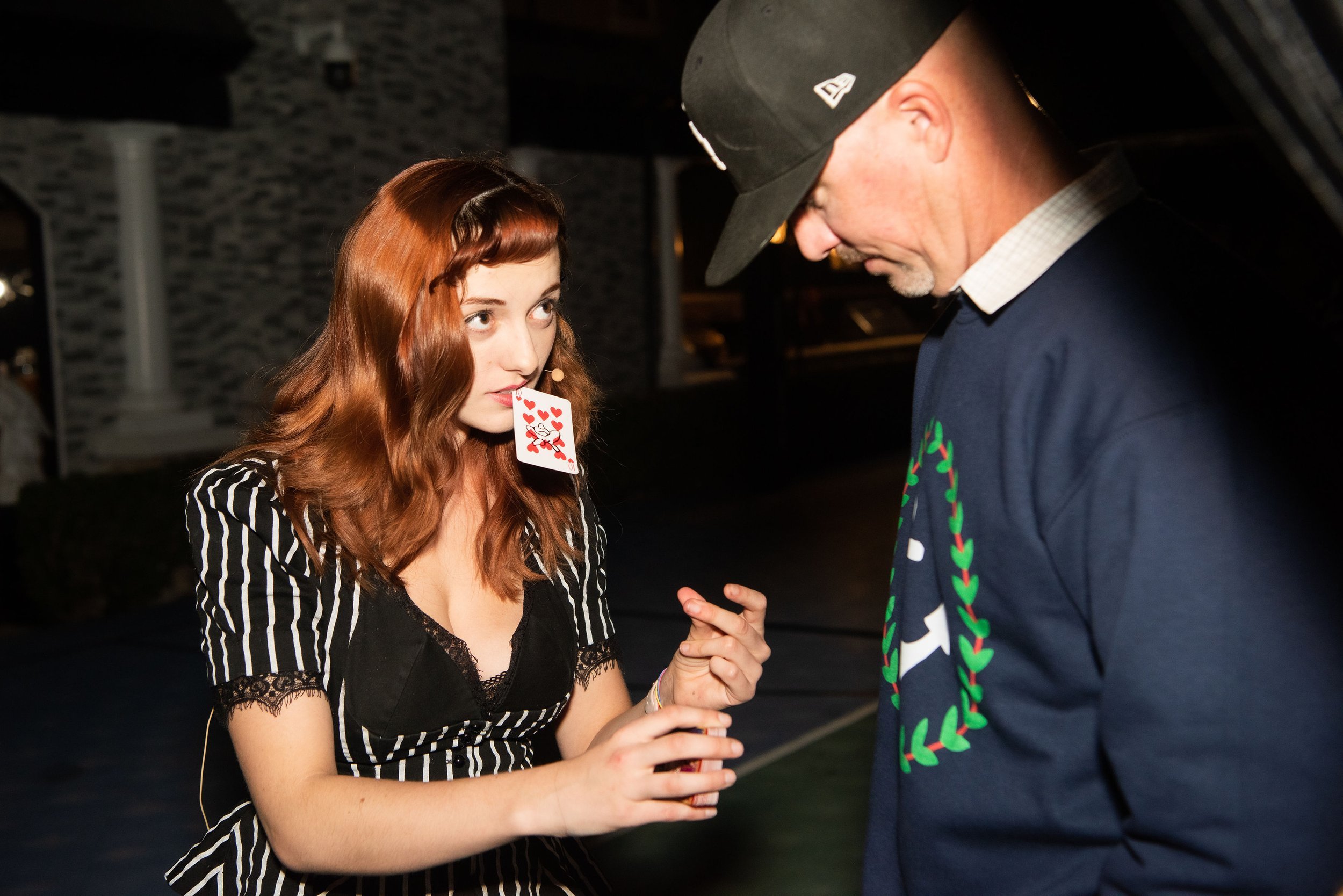
In a city with several hundred alternatives within a short drive, venues compete for guests who have no shortage of options and no particular reason to return. A strolling magician Las Vegas offers something happening at your tables rather than another discount, extends dwell time in a room that can't accommodate anything else, gives locals a reason to plan a night around your venue, and helps most in exactly the weeks when the city is quiet.
If you're programming a venue rather than planning an event, I'd be glad to talk about what would suit.
Reach out with your venue and the periods you're considering, and let's discuss a trial run.