


Strolling Magician Los Angeles for Awards Season Parties
Strolling Magician Los Angeles for Awards Season Parties
Awards season in Los Angeles is its own event calendar. From early January through the beginning of March the city holds viewing parties, nominee dinners, campaign events, guild receptions, and after parties, and most of them are hosted by people who will host several more before the season ends.
That repetition is the interesting constraint. I'm Magical Katrina, an award winning magician and mentalist, and I want to set out what a strolling magician Los Angeles booking does at an awards season event, and what this particular stretch of the year demands.
Your Guests Are at Their Fifth Party This Month
Start with the honest premise. The people attending your event in February have been to several others, will go to more, and have formed a working sense of what these evenings are like.
That makes novelty genuinely valuable rather than decorative. A beautifully catered room with a good bar is the baseline everybody meets, and the thing people mention afterwards is whatever they hadn't encountered at the previous four. If you're competing for attention in a month this crowded, something unexpected does more than an upgrade to anything already on the list.
The Telecast Owns the Timeline
The scheduling reality for viewing parties specifically. A broadcast has a start time, a long middle, and a conclusion you can't move, and everything you've planned fits around it rather than the reverse.
Strolling works unusually well with that shape because it needs no slot of its own. Guests arrive, the room fills, the broadcast starts, and a performer works the pre show window and then the commercial breaks and the quieter categories, going quiet entirely for the moments the room actually wants to watch. Nothing is scheduled against the thing people came for.
The Long Middle Is Where Rooms Die
Worth planning for specifically. A viewing party is energetic at the start, energetic at the end, and loses the room somewhere in the middle hour when the categories are technical and the outcome isn't in question.
That middle is where guests check their phones, drift outside, or leave. Something happening in the room during that stretch holds people through it, and holding the room means your party is still full for the ending rather than thinned out. For a host who wants the evening to peak properly, this is the most useful hour to program.
Nominee Dinners Are Small and High Stakes
Worth distinguishing, since these are a different event. A nominee dinner, a campaign event, or a guild reception may be thirty or forty people, every one of whom matters to whoever is hosting, and the purpose is conversation rather than spectacle.
At that size a performer reaches everybody properly with real time at each group, which is a considerably better experience than the same booking at a large party. It also raises the standard, because there's no crowd for anything rough to hide in and the host knows every name in the room.
Discretion Is the Whole Job
Worth asking about directly, since this is the sector where it matters most. Guests at an awards season event include people who are managing publicity carefully, people whose attendance isn't public, and people having conversations that are not for repeating.
A performer who works these rooms doesn't photograph anybody, doesn't post about the evening, doesn't approach a closed conversation, and doesn't treat the guest list as a credential afterwards. In this industry that's not a nicety, it's the minimum requirement, and the one question I'd insist a host asks before booking anybody.
Private Homes Are the Real Venue
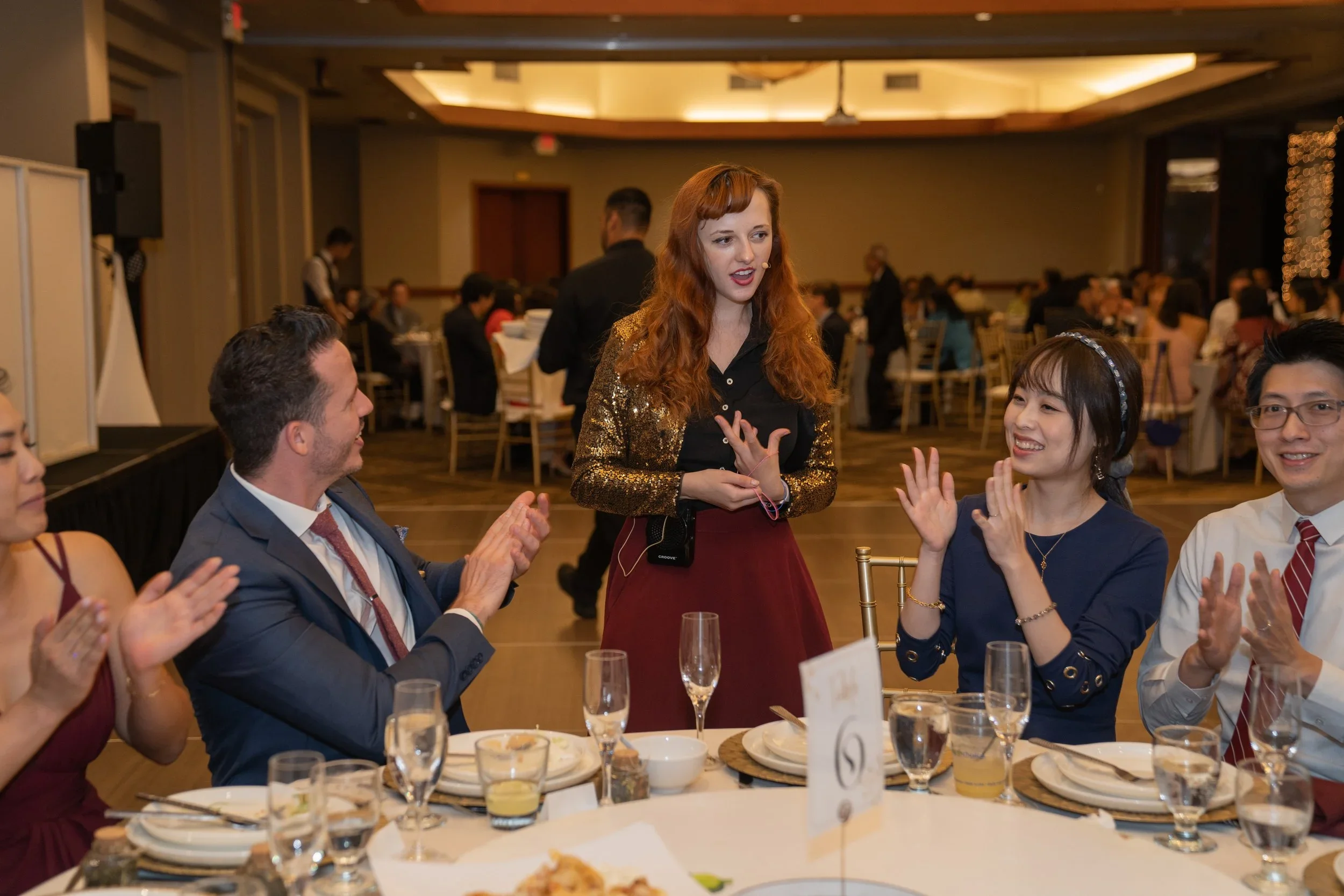
Practically important for format. A great many of these events happen in houses: a terrace in the Hills, a garden in Hancock Park, a living room with the furniture moved. There's no stage, no sound system worth using, limited power, and a host who does not want anything installed in their home.
Close up magic needs none of it, works in the room exactly as it is, and leaves no trace when it's over. For a host whose venue is their own house and whose evening is already being catered by three suppliers, entertainment with nothing to set up and nothing to strike is the straightforward option.
Arrivals Are Spread and Unpredictable
Worth planning around in this city. Guests come from other events, from work that ran late, and across a town where the traffic between Santa Monica and Los Feliz can be anything on a weekday evening.
Something that begins with whoever is present and continues as the room fills suits that, since the people who arrived on time get a proper evening rather than standing about. Nothing should be scheduled for a single precise moment at an LA event in February, because a meaningful share of your guests will not be there for it.
Being Local Matters in This Season
Worth knowing when you're booking in a compressed calendar. Awards season concentrates an enormous number of events into eight weeks, and performers travelling in are committed early or unavailable.
I'm based right here in the Los Angeles area, which means no travel costs in your quote, flexibility if your date moves, and availability for the short notice bookings this season produces constantly. When a party gets added to the calendar eleven days out, which happens throughout February, local is the difference between finding somebody good and finding whoever remained.
Why Book Magical Katrina
If you're hosting during awards season, here's my case. I'm a member of the Magic Circle in London and the Academy of Magical Arts in Hollywood, I've earned multiple magic awards, and I've performed for clients including Formula 1, the Olympics, Porsche, Prada, and the Ritz Carlton, with appearances on Penn & Teller: Fool Us and Masters of Illusion. I'm based in the LA area with no travel costs in your quote, I need no stage, power, or sound so a private home works exactly as it is, I go quiet for the moments your room wants to watch, and I don't photograph guests or post about the evening.
Frequently Asked Questions
Why does novelty matter so much this season?
Because your guests have been to several of these parties this month and will go to more, so a beautifully catered room with a good bar is the baseline everybody meets. The thing people mention afterwards is whatever they hadn't encountered at the previous four.
How does it fit around the broadcast?
Without a slot of its own, since strolling works the arrival window, the commercial breaks, and the quieter categories, then goes quiet for the moments your room wants to watch. Nothing competes with the thing people came for, which a scheduled performance inevitably would.
What's the hardest part of a viewing party?
The middle hour, when the categories are technical and the outcome isn't in question, which is when guests check their phones, drift outside, or leave. Something happening in the room holds people through it, so your party is still full for the ending rather than thinned out.
We're hosting forty people, not two hundred. Does that work?
Better, since at that size a performer reaches everybody properly with real time at each group. It also raises the standard, because there's no crowd for anything rough to hide in and the host knows every name in the room.
Our guest list is sensitive. How do you handle that?
By not photographing anybody, not posting about the evening, not approaching a closed conversation, and not using the guest list as a credential afterwards. In this industry that's the minimum requirement rather than a nicety, and it's the question I'd insist you ask anybody you're considering.
Our venue is a private home. Is that a problem?
It's the most common venue for these events and it works, since close up magic needs no stage, sound, power, or setup and leaves no trace. That matters for a host who doesn't want anything installed in their house and already has three suppliers in the kitchen.
Guests will arrive across two hours. Does that matter?
It's normal in this city in February and worth planning for. Something that begins with whoever is present and continues as the room fills means early guests get a proper evening, and nothing should be scheduled for a single precise moment.
How late can we book?
Later than in most seasons, and being local is why. Awards season produces parties added eleven days out constantly, and since I'm based in the LA area there are no travel arrangements to make, so a short notice date is frequently straightforward.
Program the Hour the Room Would Otherwise Lose
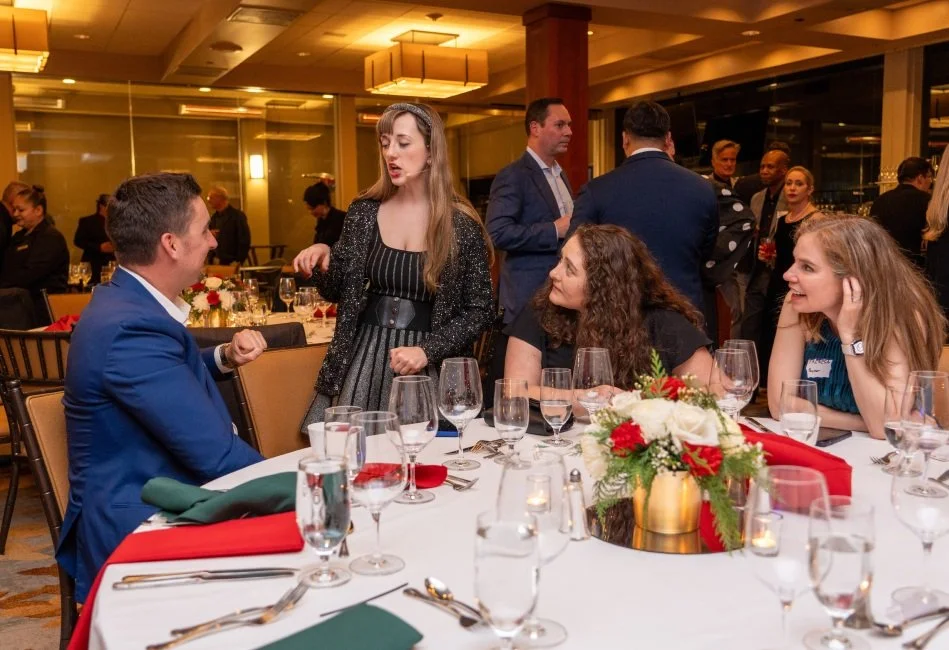
An awards season party in Los Angeles is competing with four others your guests attended this month, runs to a broadcast timeline you don't control, and loses the room in the middle hour. A strolling magician Los Angeles booking addresses all three: something they haven't seen at the other parties, no slot of its own to schedule, and a reason to stay through the technical categories.
Add a private home with nothing to install, a guest list that requires discretion, and a date that might move, and the case gets straightforward.
Reach out with your date and venue, and I'll tell you how I'd work the evening.