

Strolling Magician Los Angeles: Matching Entertainment to Your Venue
Strolling Magician Los Angeles: Matching Entertainment to Your Venue
Most advice about event entertainment assumes you're choosing freely. In Los Angeles you almost never are, because the venue comes first, it's frequently the largest line on the budget, and by the time entertainment comes up the space already exists along with everything it won't accommodate.
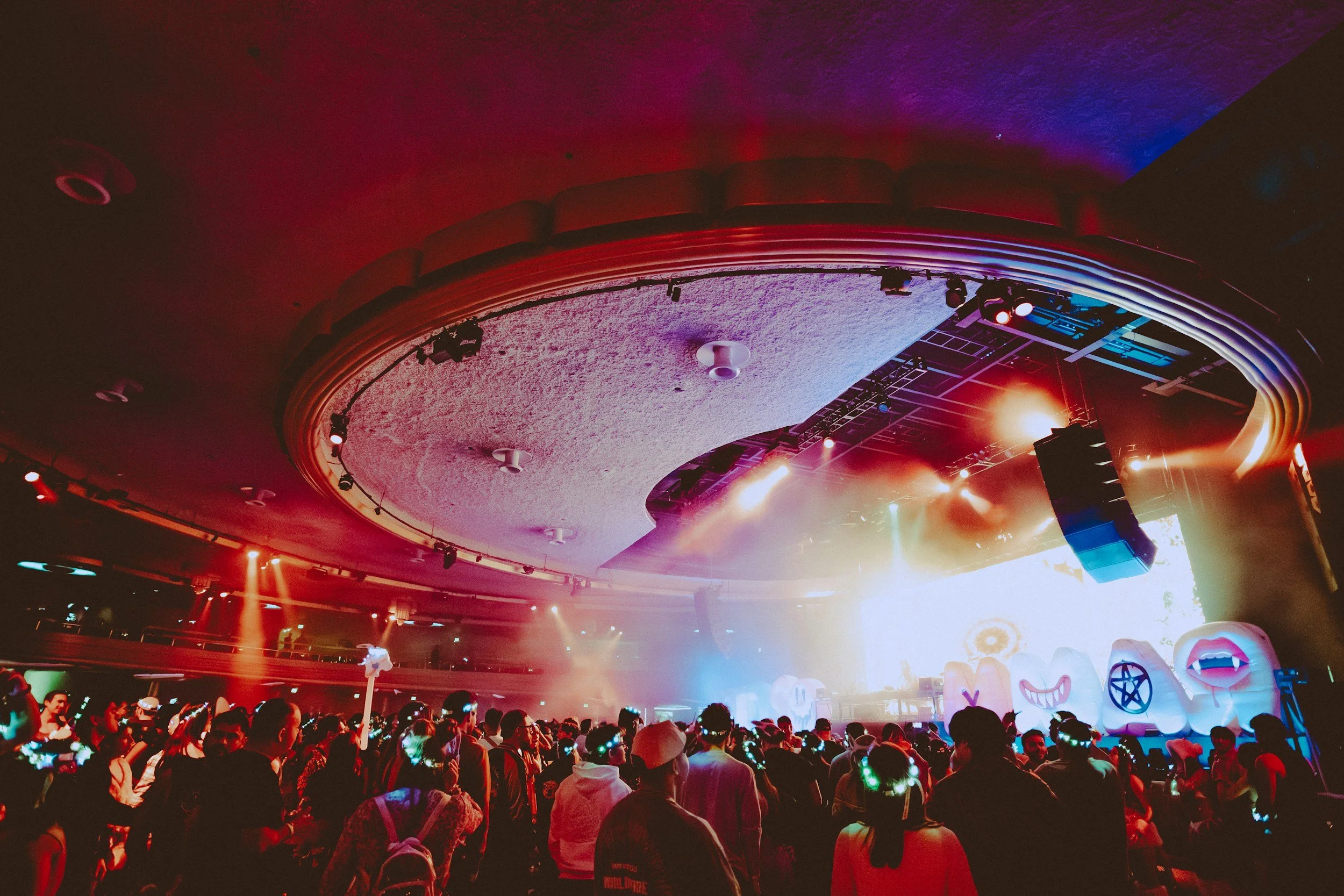
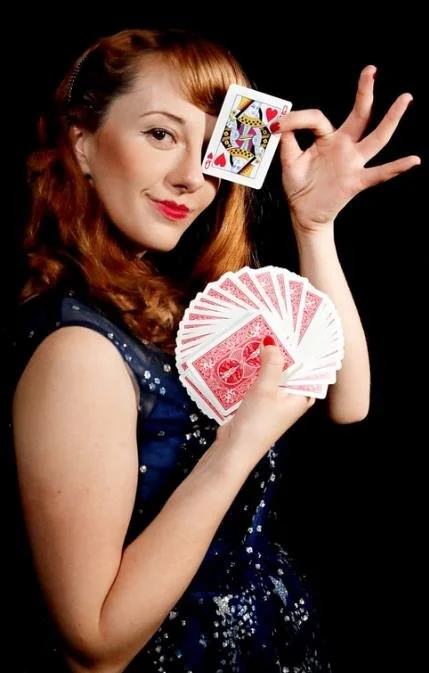
That order matters, since the venue quietly eliminates most of your options before you've compared any of them. I'm Magical Katrina, an award winning magician and mentalist based right here in Los Angeles, and I want to go through what local venue types actually permit, so you can choose something that fits the room you have.
Ask Four Questions First
Before comparing performers, get four answers from your venue: is there a stage or would one need building, is there house sound or must it be hired, where is the power and how much is available, and what are the noise restrictions and curfew.
Those four determine what's possible more than your budget does. Plenty of entertainment options need some combination of staging, sound, and power, and providing them can cost more than the entertainment itself. A strolling magician Los Angeles performing close up magic requires none of the four, which is why this format ends up in so many rooms where nothing else fits.
Private Estates and Homes
The most common venue for LA private events and one of the more constrained. Estate properties are chosen for their setting, which usually means limited power, no stage, no house sound, and neighbors governed by residential noise ordinances.
Amplified entertainment in a residential canyon is a genuine problem rather than a theoretical one, and curfews here are enforced. A strolling magician Los Angeles needs no power, produces no volume beyond conversation, and moves between a lawn, a terrace, and a living room without adjustment. For a host whose venue is someone's home, entertainment that adds no requirements and attracts no complaints is worth a great deal.
Studio Lots and Production Spaces
Distinctive to this city and surprisingly restrictive. Lots and production facilities have their own access procedures, security, insurance requirements, and rules about what may be brought where, plus load in windows that are genuinely enforced.
Anything requiring equipment involves a process. A performer arriving with a case does not. Worth confirming early what your strolling magician Los Angeles will need in terms of access credentials and certificates, since lots ask for documentation that a hotel wouldn't, and sorting it a week ahead is considerably easier than at a gate on the day.
Rooftops and Outdoor Rooms
Wonderful for most of the year and constrained in specific ways. Power is frequently limited, noise rules stricter because of neighboring buildings, and evenings cool sharply enough that a plan to stay outside often doesn't survive contact with ten o'clock.
Entertainment for a rooftop needs to work without power, cope with a breeze, and move indoors at short notice without any adjustment. That's a short list. If your event has an indoor fallback, check that whatever you book works equally well in both, since many options don't, and a band that can't relocate mid event becomes a problem precisely when the evening is going well.
Beach and Malibu Properties
Beautiful, and the most technically awkward category in the region. Wind is constant, power is often generator dependent, sand and salt air are hostile to equipment, and access roads make load in slow.
Add local ordinances and early curfews in some areas and the list of workable entertainment gets short quickly. Close up magic requires nothing, generates no load, transports in a case, and is unaffected by any of it. Among strolling magician Los Angeles bookings for coastal venues, that practical simplicity is usually why the format is chosen rather than any argument about the performance itself.
Historic Downtown Buildings
DTLA has an exceptional stock of historic theatres, banking halls, and landmark interiors, and they come with rules. Protected status frequently means nothing can be fixed to walls or floors, amplified sound is limited, and there are restrictions on what may be brought in.
House policy lists often arrive after you've booked, and anything requiring rigging, stands, or fixings is likely to be refused. A strolling magician Los Angeles performing close up magic is usually approved without discussion, since there is genuinely nothing to install and nothing to attach to a protected surface.
Museums and Gallery Spaces
Popular here and quietly restrictive. Conservation requirements govern lighting, humidity, where food and drink may go, and proximity to works, and staff enforce rather than trust.
Anything with equipment, cabling, or a footprint invites scrutiny and often refusal. Close up magic passes easily because there is nothing to place, plug in, or set up, and a performer moves among guests as at any reception. Check the restrictions before you shortlist anything, since the list is longer than expected and tends to arrive late in the process.
Restaurants and Private Dining Rooms
The default for corporate dinners and smaller celebrations, and among the most restrictive. A private dining room is a table in a room, with no stage, no available sound, minimal spare space, and service running throughout.
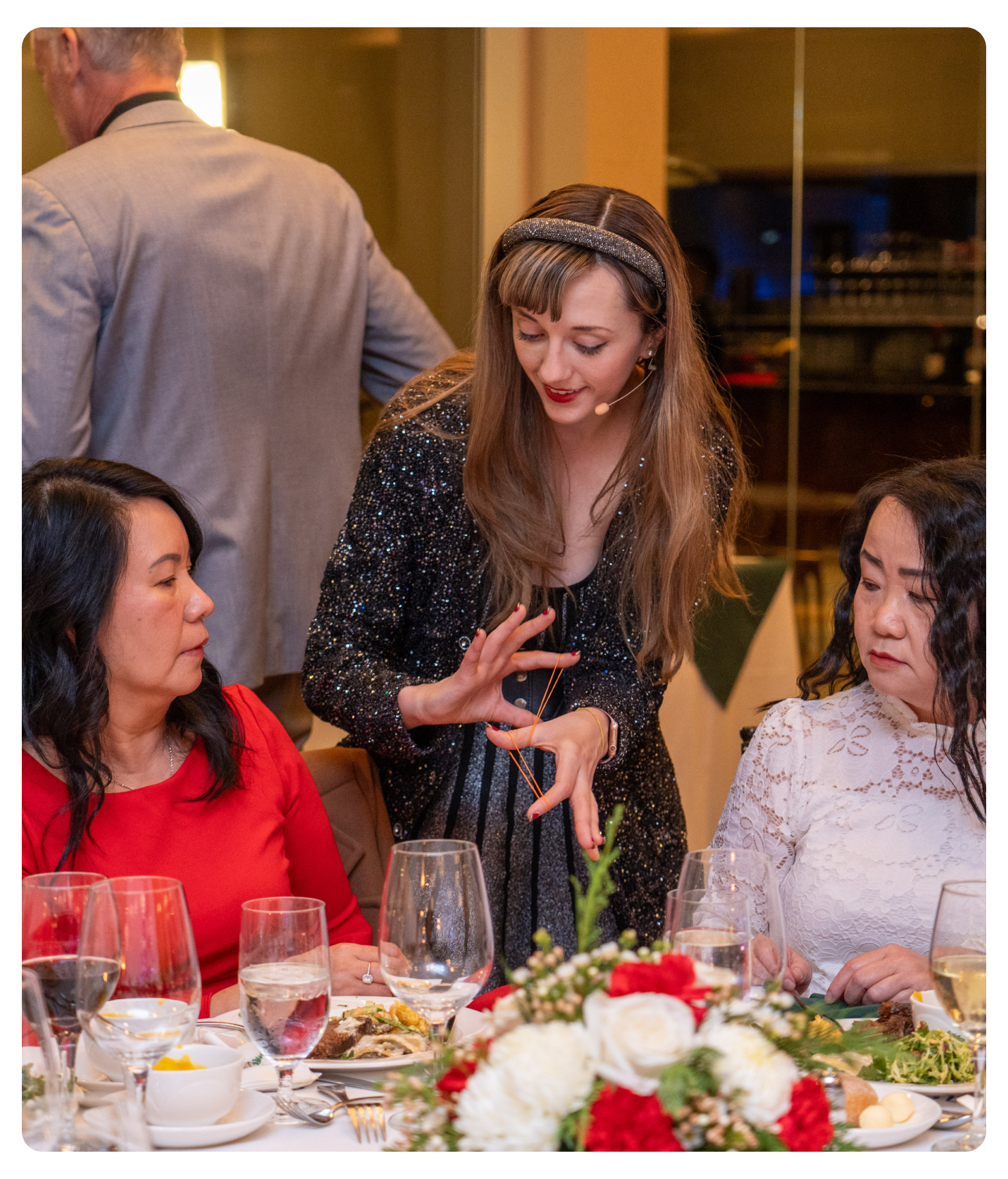
That eliminates nearly everything except entertainment that works at a table. A strolling magician Los Angeles performing between courses fits without asking the restaurant to change anything, and it's arguably better there than in a large room, since everyone sees everything from a few feet away and the whole table shares each reaction.
Hotel Ballrooms
The most accommodating option, and where you have genuine choice. Stage, house sound, power, load in access, and staff who do this weekly.
If you have a ballroom, the venue isn't your constraint, so choose on what suits your audience and format. The opposite risk is worth noting: ballrooms are large, and a group of eighty in a room built for three hundred feels sparse regardless of what you book. Entertainment that moves among guests helps a large room feel populated in a way something on a distant stage doesn't.
Being Local Helps With Difficult Rooms
Worth mentioning, since it affects the practical side. Unlike performers travelling in, I'm based in the LA area and can do a site visit beforehand if your venue is unusual, which for an estate, a lot, or a coastal property occasionally saves a surprise.
It also means no travel costs on your budget and straightforward scheduling if your timings shift. Whether your venue is in DTLA, on the Westside, in the Valley, in Malibu, or further out across Southern California, a locally based strolling magician Los Angeles removes a set of logistics rather than adding them.
Why Book Magical Katrina
If your venue is constrained, here's my case. I'm based in the LA area, I'm a member of the Magic Circle in London and the Academy of Magical Arts in Hollywood, I've earned multiple magic awards, and I've performed for clients including Formula 1, the Olympics, Porsche, Prada, and the Ritz Carlton, with appearances on Penn & Teller: Fool Us and Masters of Illusion. I need no stage, sound, power, rigging, or setup, and nothing to load in beyond a case, so I work at estates, lots, rooftops, coastal properties, landmark buildings, museums, and private dining rooms without your venue accommodating anything. I'm fully insured with a COI available.
Frequently Asked Questions
What should I ask my venue before choosing entertainment?
Four things: is there a stage or would one need building, is there house sound or must it be hired, where is the power and how much is available, and what are the noise restrictions and curfew. Those answers determine what's possible more than your budget does, since providing staging and sound can cost more than the entertainment.
Our event is at a private estate. What works there?
Something needing no power and producing no volume. Estates are chosen for setting, which usually means limited power, no stage, no house sound, and neighbors governed by residential noise ordinances that are genuinely enforced. A strolling magician Los Angeles moves between a lawn, a terrace, and a living room without adjustment and attracts no complaints, which matters when the venue is someone's home.
What about a beach or Malibu venue?
It's the most technically awkward category in the region: constant wind, generator dependent power, salt air that's hostile to equipment, slow load in over difficult access, and early curfews in some areas. Close up magic requires nothing, generates no load, travels in a case, and is unaffected by any of it, which is usually why the format gets chosen for coastal events.
Why are historic and landmark venues difficult?
Because protected status frequently means nothing can be fixed to walls or floors, amplified sound is limited, and there are rules about what may be brought in. House policy lists often arrive after you've booked, and anything requiring rigging, stands, or fixings is likely refused. Close up magic is usually approved without discussion, since there's nothing to install.
Is a private dining room too small for entertainment?
It's restrictive but suits the right format. A private dining room is a table in a room, with no stage, no available sound, minimal space, and service running throughout, which eliminates nearly everything except entertainment that works at a table. Performing between courses fits without the restaurant changing anything, and arguably works better there than in a large room.
Does booking someone local help with an unusual venue?
It can. Being based in the LA area means a site visit is straightforward if your venue is unusual, which for an estate, a studio lot, or a coastal property occasionally saves a surprise. It also means no travel costs on your budget and easier scheduling if timings shift, which matters more than people expect once a plan starts moving.
How do I book you, and what do you need to get started?
Reach out with your event date, the venue, event type, and rough guest count, plus anything you know about the room's restrictions. That's enough for me to confirm it works, check availability, and send a quote. Since I need no stage, sound, power, rigging, or setup, the answer for LA venues is almost always that it works, including rooms where most options don't.
Choose for the Room You Booked
In Los Angeles the venue comes first and settles most of your entertainment options before you've compared any of them. Ask about staging, sound, power, and noise before shortlisting anything, then choose what the room genuinely permits rather than what you'd pictured.
Do that and you'll avoid the expensive discovery that your preferred option needs production your venue can't accommodate, in a region full of beautiful spaces that were never designed to host anything.
Reach out with your venue and event details, and I'll confirm it works.