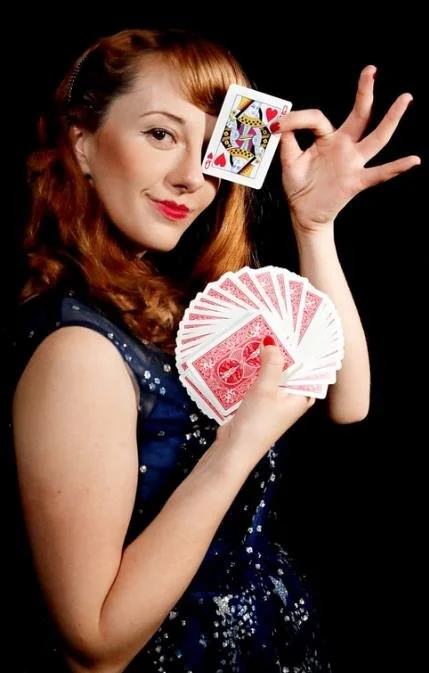


Strolling Magician San Francisco for Conferences and Summits
Strolling Magician San Francisco for Conferences and Summits
Conference organizers spend months on the program and very little on the gaps, which is understandable and slightly backwards. Delegates judge a conference on whether they met anyone useful, and that happens in receptions and breaks rather than in sessions.
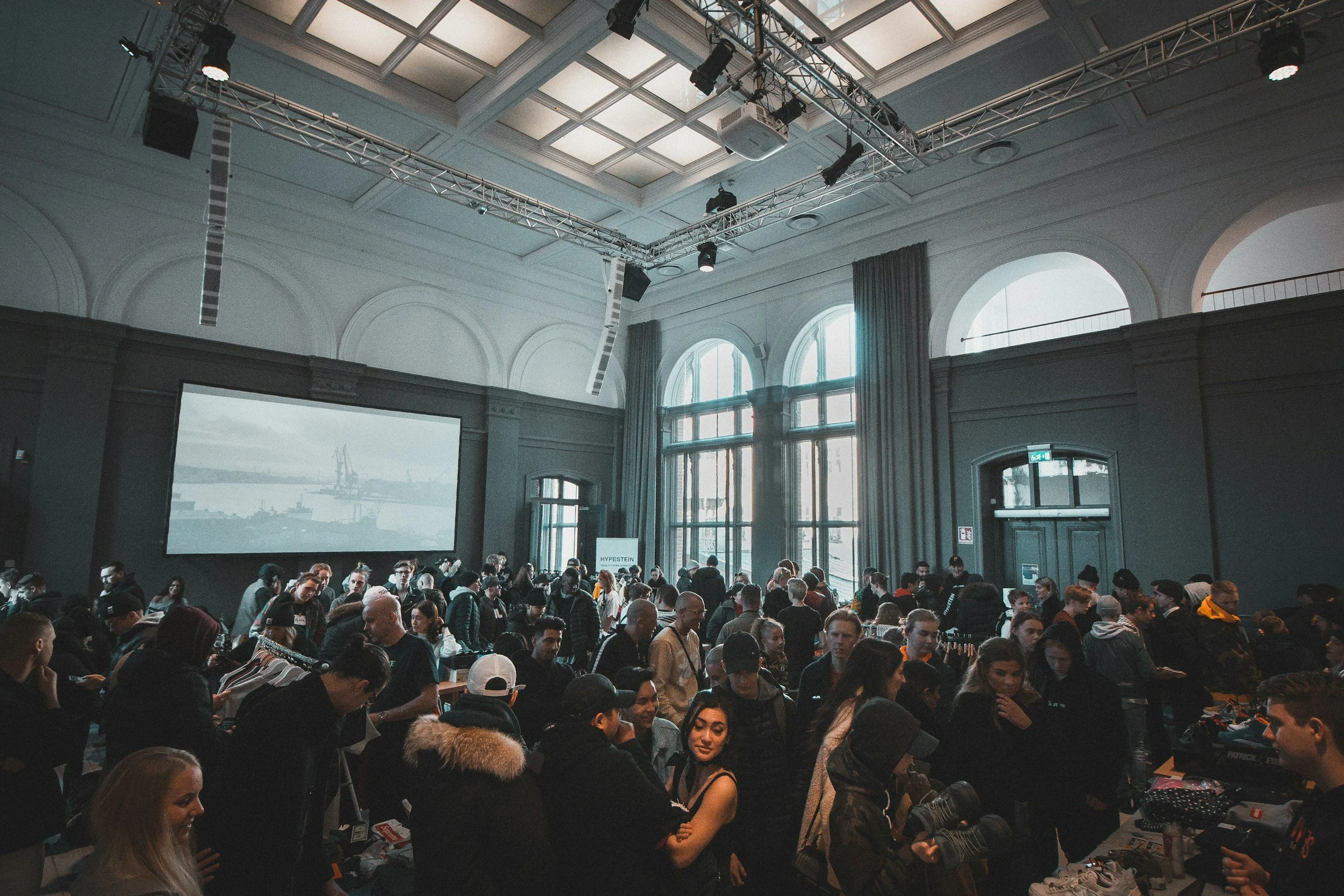
San Francisco hosts an enormous number of these, and the gaps look the same at all of them. I'm Magical Katrina, an award winning magician and mentalist, and I want to explain where a strolling magician San Francisco fits into a conference program, which is around the sessions rather than inside them.
Delegates Arrive Alone and Stay That Way
Start with the social problem. Attendees come from different organizations, frequently travelling alone, and spend the first day deciding whether they'll speak to anybody beyond the person next to them.
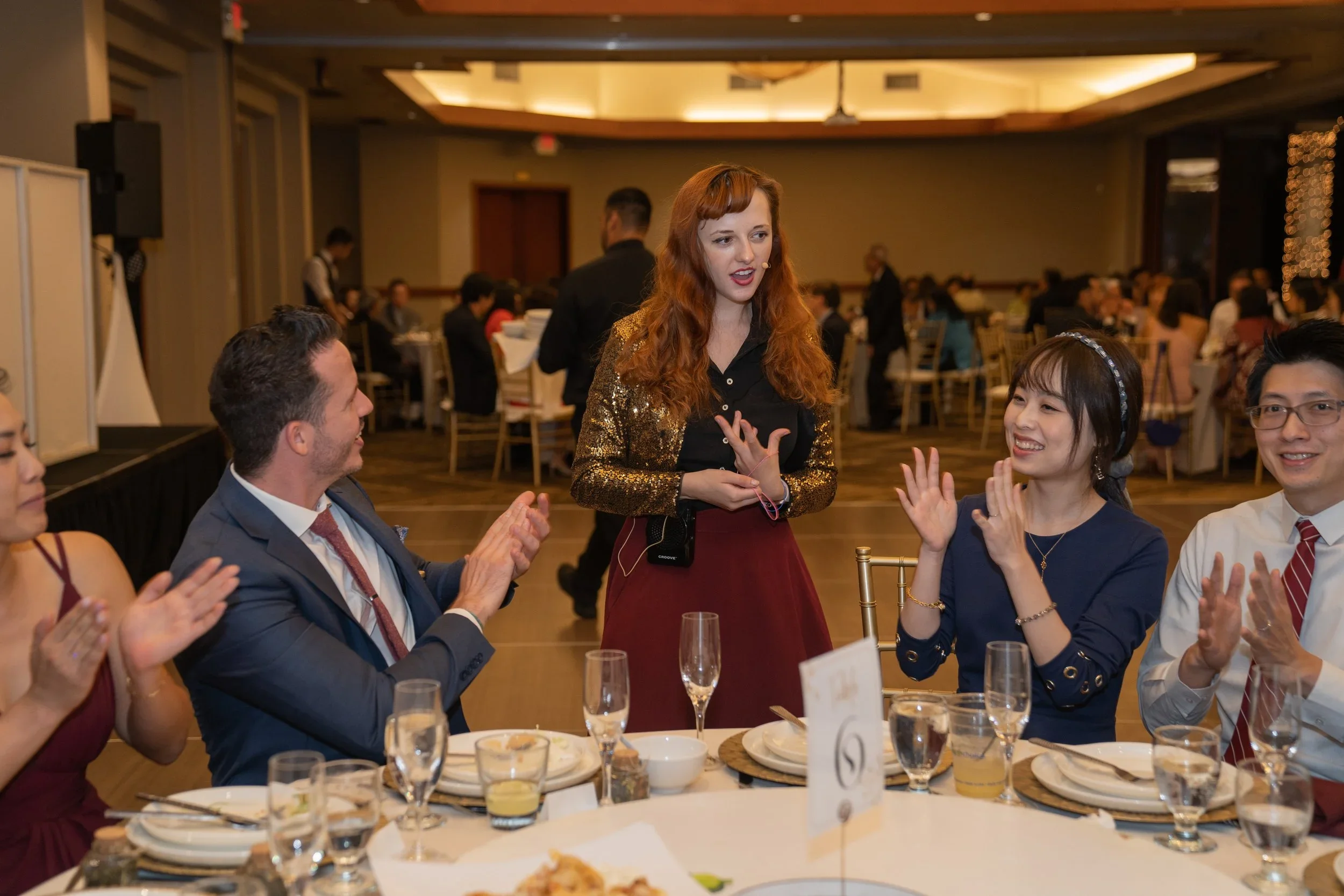
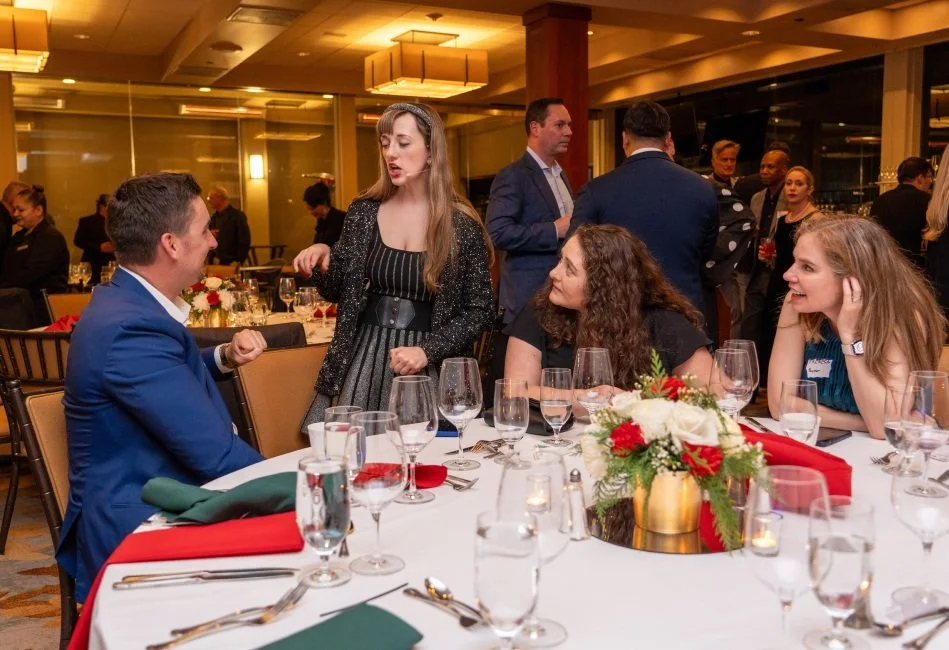
Left to itself, a reception produces people who arrived together staying together while everyone else stands near the food. A strolling magician San Francisco working that room breaks it up mechanically: four strangers react to something together and have a conversation that started itself, which is considerably more reliable than hoping proximity does it.
Your Audience Will Try to Work It Out
Worth knowing, since it shapes what lands here more than in most cities. Bay Area conference rooms are full of engineers, researchers, and product people whose instinct on seeing something impossible is to reverse engineer it.
That makes them a better audience rather than a harder one, since someone applying genuine analytical attention who still cannot account for what happened is more affected than a casual observer. The delegate most determined to catch the method is usually the one describing it at the next session, which is exactly the word of mouth a conference wants.
The Post Lunch Session Is Where Programs Fail
Worth addressing, since every organizer knows it and few solve it. Attention collapses after lunch, and the speaker in that slot is working against physiology rather than against their material.
A performer working the break immediately before sends people in alert rather than sedated. It requires no program slot, doesn't compete with your speakers, and addresses the point in the day where your content is least likely to land. Among placements at a conference, the break before the difficult session earns most.
Day Two Attendance Is a Real Number
Particularly at multi day events, and it's measurable rather than theoretical. Attendance drops on the second morning at most conferences, and the sessions people skip aren't necessarily the weak ones.
Something people don't want to miss helps, whether placed at the start of day two or promoted in advance as part of the program. It gives delegates a reason to be in the room rather than at breakfast or answering email in their hotel, which is an outcome your sponsors notice as well as you.
Sponsors Judge You on Footfall
Worth considering, since sponsorship funds a meaningful share of most conferences. Sponsors assess an event on traffic and conversations rather than on your program quality.
A performer working the sponsor area draws delegates in and holds them where sponsors are. Some organizers fund a performer from sponsorship rather than the main budget for exactly that reason, which removes the cost question entirely and gives a sponsor something to be associated with beyond a logo on a lanyard. Worth raising if a sponsor is looking for more.
It Costs Nothing From Your Program
Practically decisive, since your run of show is contested. Keynotes, breakouts, panels, sponsor slots, and breaks are all negotiated, and anything requiring its own segment means removing something else.
Close up magic requires no stage, microphone, or slot, since it operates in the receptions and breaks that already exist. Entertainment consuming none of your program time is unusually easy to approve, and it's frequently why this is chosen over anything requiring the room's attention.
San Francisco Venues Are Variable
Worth checking when planning. Conferences here happen in hotel facilities, convention space, converted industrial buildings, and venues chosen for character rather than for acoustics, with many including outdoor areas that are provisional most of the year.
A strolling magician San Francisco needs no stage, power, sound, or setup, works in a foyer, a courtyard, or a sponsor area exactly as it is, and moves between indoor and outdoor space without adjustment, which matters when your reception is on a terrace in October and the fog arrives at six.
Tell Your Sponsors and Speakers
A small thing that increases the return. If you've booked something for the breaks, mention it to sponsors so they can plan to be present, and to speakers so they know the room will be lively rather than restless when they take the stage.
It also gives your communications team something concrete for the pre event email, which improves attendance at the sessions around it. A performer working unannounced is still valuable and a performer people knew about produces more, which is the difference between a nice surprise and a program item.
A Note on "Local vs. Traveling In"
Worth knowing: performers who travel to the Bay Area work from a different calendar than those based there, which matters during the major conference weeks when local performers are heavily committed. Travel is discussed openly and factored into the quote. I'm based in the Los Angeles area and travel to San Francisco and the wider Bay Area for conferences.
Why Book Magical Katrina
If you're planning a conference here, here's my case. I'm a member of the Magic Circle in London and the Academy of Magical Arts in Hollywood, I've earned multiple magic awards, and I've performed for organizations including Formula 1, the Olympics, Porsche, Zapier, and the Ritz Carlton, with appearances on Penn & Teller: Fool Us and Masters of Illusion. I blend close up magic with mentalism, which is what lands with an analytical room, I work receptions and breaks without touching your run of show, and I need no stage, power, or setup.
Frequently Asked Questions
Why does a conference need entertainment?
Because delegates judge conferences on whether they met anyone useful, and that happens in receptions and breaks rather than sessions. Left to itself, a reception produces people who arrived together staying together while everyone else stands near the food, whereas a performer gets four strangers reacting to something and talking.
Will it land with a technical audience?
Better than with most, since Bay Area conference rooms are full of people whose instinct is to reverse engineer what they've seen, and someone applying genuine analytical attention who still cannot account for it is more affected than a casual observer. The delegate determined to catch the method is usually the one describing it afterwards.
Where in the program does it earn most?
The break immediately before your post lunch session, since attention collapses after lunch and that speaker is working against physiology rather than their material. A performer in the preceding break sends people in alert rather than sedated, without requiring a slot or competing with your speakers.
Can it help second day attendance?
Yes, and that's a measurable problem at most multi day conferences, where attendance drops on the second morning and the sessions people skip aren't necessarily the weak ones. Something people don't want to miss, placed at the start of day two or promoted in advance, gives delegates a reason to be in the room.
Could a sponsor fund it?
Frequently, since sponsors assess an event on traffic and conversations rather than program quality, and a performer working the sponsor area draws delegates in and holds them where sponsors are. Funding it from sponsorship removes the cost question and gives a sponsor something beyond a logo on a lanyard.
Does it take program time?
No, which is frequently why it's chosen. Your run of show is already contested between keynotes, breakouts, panels, and sponsor slots, and anything needing its own segment means removing something else. Close up magic operates in the receptions and breaks that already exist, requiring no stage, microphone, or slot.
Will it work in our venue?
Almost certainly, since it needs no stage, power, sound, or setup and works in a foyer, courtyard, or sponsor area exactly as it is. That matters here, where conferences happen in hotel facilities, convention space, and converted buildings chosen for character, many with outdoor areas that are provisional most of the year.
How do I book you, and what do you need to get started?
Reach out with your conference dates, the venue, delegate numbers, and your program, particularly where the receptions and difficult sessions sit. That's enough for me to check availability, suggest placement, and send a quote including travel, with better rates across a full conference run than single days.
Program the Gaps, Not Just the Sessions
A conference is judged on the contacts delegates made, and those happen in the receptions, breaks, and stretches your program treats as logistics. A strolling magician San Francisco works exactly there: mixing a room of strangers, impressing an audience that will try to work it out, sending people into the difficult afternoon session awake, drawing delegates to your sponsors, and taking nothing from a run of show you've already negotiated twice.
If you're building an agenda, I'd be glad to look at where the gaps are.
Reach out with your dates and program, and let's talk about placement.