

Strolling Magician San Francisco for Restaurants and Private Dining
Strolling Magician San Francisco for Restaurants and Private Dining
Almost everything written about hiring a performer is aimed at someone planning an event. Very little is aimed at the venues themselves, despite restaurants, private dining rooms, and hotel outlets across San Francisco facing the same recurring question: what makes a guest choose here, and what makes a company book their dinner with you rather than the place two blocks over.
That's a different sort of booking with different requirements. I'm Magical Katrina, an award winning magician and mentalist, and I want to set out how a strolling magician San Francisco venues engage actually works, and what an operator needs that an event client doesn't.
Private Dining Is Where This Earns Most
Start with the strongest case, since it's specific to this city. San Francisco venues compete hard for corporate group bookings, and a great many of those are team dinners, client dinners, and company celebrations booked by people with a budget and a choice of comparable rooms.
Those buyers are choosing between private dining rooms that look broadly similar and cost broadly the same. Offering table magic as an option, or building it into a package, gives you something genuinely different to put in front of a company planning a dinner. Among reasons to work with a strolling magician San Francisco, differentiating your private dining offer is the one with the clearest commercial return.
It Solves the Long Table Problem
A practical benefit worth naming, since every private dining host experiences it. A long table of fourteen fragments into three separate conversations within twenty minutes, and the people at one end never speak to the people at the other.
Hosts notice this and some of them dread it, particularly when the dinner has a purpose beyond eating. Table magic between courses gives the whole room a shared focus without anybody having to make a speech, which is frequently the part a host was worried about. That's a genuine selling point for your private dining, and it's the sort of detail a booker remembers when choosing where to hold the next one.
The Midweek Problem
The other application, and it's familiar to every operator. Thursday through Saturday largely fills itself, while Monday through Wednesday takes effort, promotion, or discounting to put the same number of covers in with the same overheads running.
Discounting works at the cost of margin and teaches regulars to wait for offers, and a discount run repeatedly simply becomes the price. A strolling magician San Francisco on a defined midweek evening gives you something to promote that's about experience rather than price, and a reason for guests to choose Tuesday specifically rather than choosing you eventually.
Dwell Time and Average Spend
The commercial mechanism, stated plainly. Table magic between courses extends the time guests spend at a table without extending service, because the gaps that already exist become part of the evening rather than a lull.
Guests enjoying themselves order another round, stay for dessert, and leave later than intended. In a city where the cost per cover is high and turning tables quickly isn't always the goal, that's a meaningful lever. It's difficult to attribute precisely and easy enough to feel across a quarter, and it costs a fraction of what any comparable differentiator would.
It Fits Rooms That Can't Take Anything Else
The practical argument for this format. San Francisco dining rooms are frequently tight, acoustically unhelpful, and built entirely around service, with no stage and no square footage that isn't earning.
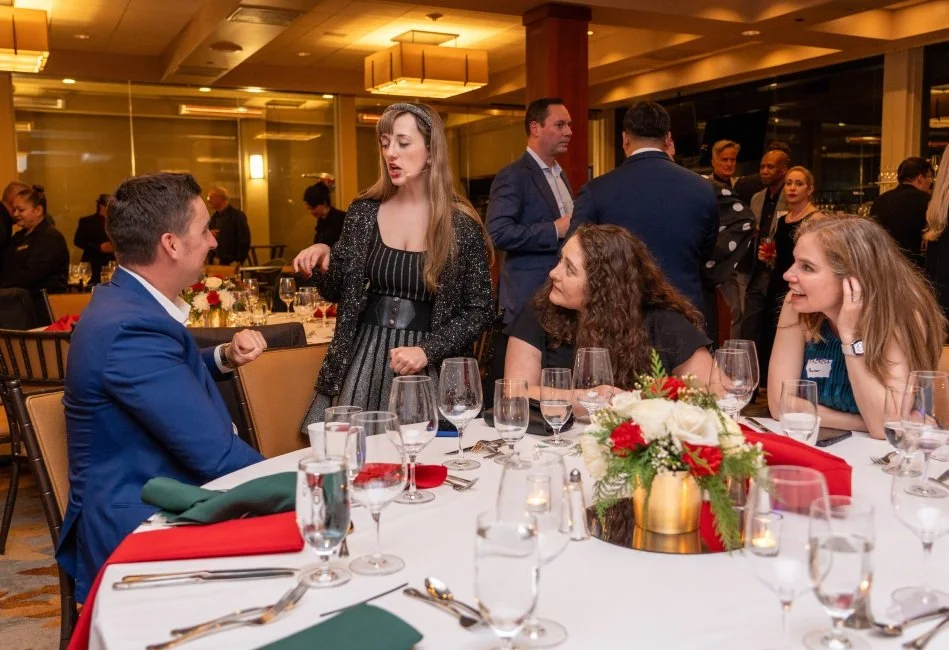
Live music competes with conversation and irritates as many guests as it pleases. Anything requiring equipment consumes covers. A strolling magician San Francisco needs no stage, power, sound, or floor area beyond where staff already move, and works at conversational volume within the room's ambient level rather than above it. For most dining rooms it's the only format that genuinely fits.
Your Guests Are a Good Audience
Worth knowing, since it affects how it lands. A substantial share of this city's dining trade is technology, science, and professional services, and those guests' instinct on encountering something impossible is to work out how.
That makes them a better audience rather than a harder one, since analytical attention intensifies the effect rather than defeating it. It also means the reaction tends to be loud and conversational rather than polite, which is precisely what you want in a room you're trying to make feel busy and alive. The guest who arrived most certain they'd catch it is usually the one telling the next table about it.
What Venues Actually Need
Different from what event clients need. Reliability above everything, since a performer who doesn't appear on a promoted night is a service failure rather than a disappointment.
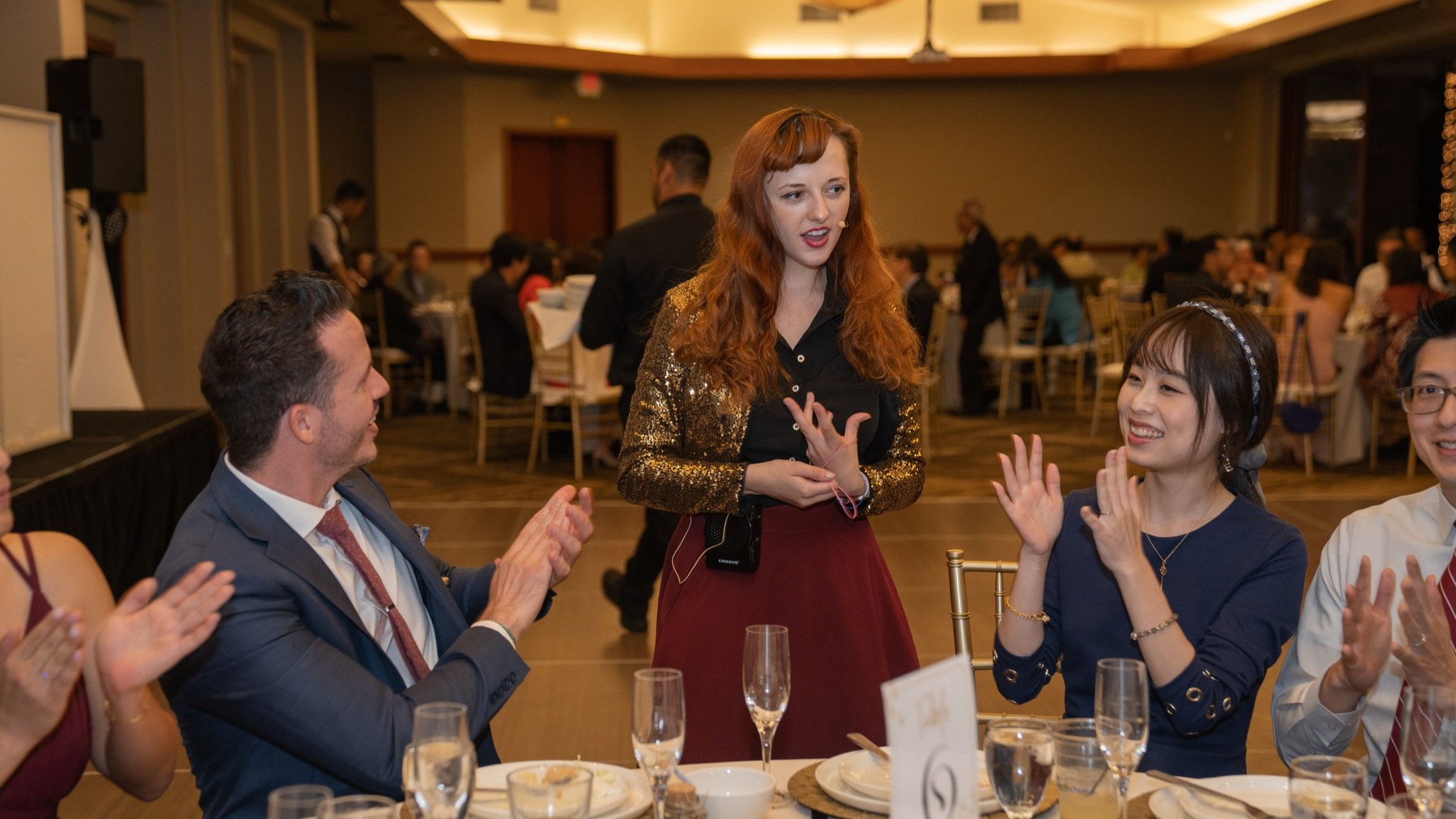
Comfort working around service, meaning knowing when to approach a table and when to leave it alone. Appropriate presentation for your room. Insurance and paperwork handled without chasing. And a willingness to work inside your operation rather than around it. A strolling magician San Francisco who has worked venues understands that the business continues and the performance fits within it.
How These Arrangements Work
Practically, venue bookings tend to be structured as a defined window on a fixed schedule, agreed for a run or a season rather than negotiated each time, or booked per private dining event as they come in.
The first suits midweek programming, the second suits private dining. Both give you predictability and give the performer a reliable commitment, with rates reflecting an ongoing arrangement rather than one off pricing. Starting with a trial run of a few weeks is sensible before extending, since how it works depends considerably on your particular room and clientele.
Being Honest About Travelling Performers
Worth saying directly, since it affects what I can offer. I'm based in the Los Angeles area and travel to San Francisco and the wider Bay Area, which suits private dining bookings, defined runs, and seasonal programming well.
It doesn't suit a standing weekly residency, and I'd rather say so than take an arrangement I can't sustain reliably. If you want someone in your room every Wednesday for a year, a Bay Area based performer will serve you better. For private dining and programmed periods, travelling in is entirely workable and travel is factored into the quote.
Why Book Magical Katrina
If you're programming a venue, here's my case. I'm a member of the Magic Circle in London and the Academy of Magical Arts in Hollywood, I've earned multiple magic awards, and I've performed for clients including Formula 1, the Olympics, Porsche, Prada, Zapier, and the Ritz Carlton, with appearances on Penn & Teller: Fool Us and Masters of Illusion. I understand that a venue's business continues around the performance, I work at conversational volume with no stage, power, or sound, and I read when a table wants attention and when it doesn't. I'm fully insured with a COI available.
Frequently Asked Questions
Why start with private dining?
Because San Francisco venues compete hard for corporate group bookings, and those buyers are choosing between private rooms that look broadly similar and cost broadly the same. Offering table magic as an option or building it into a package gives you something genuinely different to put in front of a company planning a team or client dinner, which is the clearest commercial return available.
What problem does it solve for a private dinner?
The long table one. A table of fourteen fragments into three separate conversations within twenty minutes and the ends never speak to each other, which hosts notice and some dread, particularly when the dinner has a purpose. Table magic between courses gives the room a shared focus without anyone making a speech, which is frequently the part the host was worried about.
Why not just discount midweek?
Because discounting costs margin and teaches regulars to wait for offers, and a discount run repeatedly becomes the price. A strolling magician San Francisco on a defined midweek evening gives you something to promote that's about experience rather than price, and a reason for guests to choose Tuesday specifically rather than choosing you eventually.
Does it actually affect spend?
Through dwell time, which is ordinary hospitality economics. Table magic between courses extends the time guests spend at a table without extending service, since existing gaps become part of the evening, and guests enjoying themselves order another round and stay for dessert. In a city with a high cost per cover, that's a meaningful lever.
Will it work in our dining room?
Almost certainly, and it's usually the only format that does. Rooms here are frequently tight, acoustically unhelpful, and built around service, with no stage and no square footage that isn't earning. Close up magic needs no stage, power, sound, or floor area, and works at conversational volume within the room's ambient level rather than above it.
How do these arrangements usually work?
Either a defined window on a fixed schedule agreed for a run or season, which suits midweek programming, or booked per event as private dining bookings come in. Both give you predictability and the performer a reliable commitment, with rates reflecting an ongoing arrangement. Start with a trial of a few weeks before extending, since it depends on your room.
Can you do a weekly residency?
Honestly, no. I'm based in the Los Angeles area and travel to San Francisco, which suits private dining bookings, defined runs, and seasonal programming well, but not a reliable weekly commitment across a year. If that's what you want, a Bay Area based performer will serve you better and I'd rather say so than take something I can't sustain.
Give Companies a Reason to Book You
San Francisco venues compete for the same guests and the same corporate dinners with broadly comparable rooms and menus, and the difference is frequently whether anything is happening. A strolling magician San Francisco gives your private dining offer something a booker hasn't seen elsewhere, solves the long table problem hosts quietly dread, extends dwell time in a room that can't accommodate anything else, and gives a quiet midweek evening something to promote that isn't a discount.
If you're programming a venue rather than planning an event, I'd be glad to talk about what would suit.
Reach out with your venue and what you're considering, and let's discuss a trial.