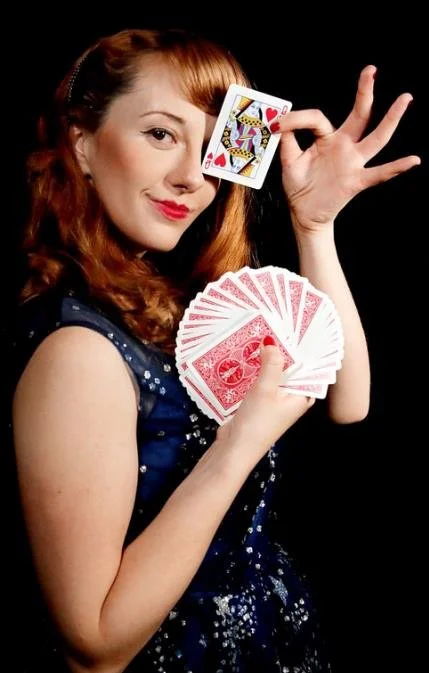


Strolling Magician San Francisco for Wine Country Events
Strolling Magician San Francisco for Wine Country Events
Wine country events have one rule that overrides everything: the wine is the reason people came. A winery dinner, a harvest party, a club release weekend, or a corporate day out exists so guests taste, talk, and spend time in a place they travelled to reach, and anything competing with that has misread the brief.
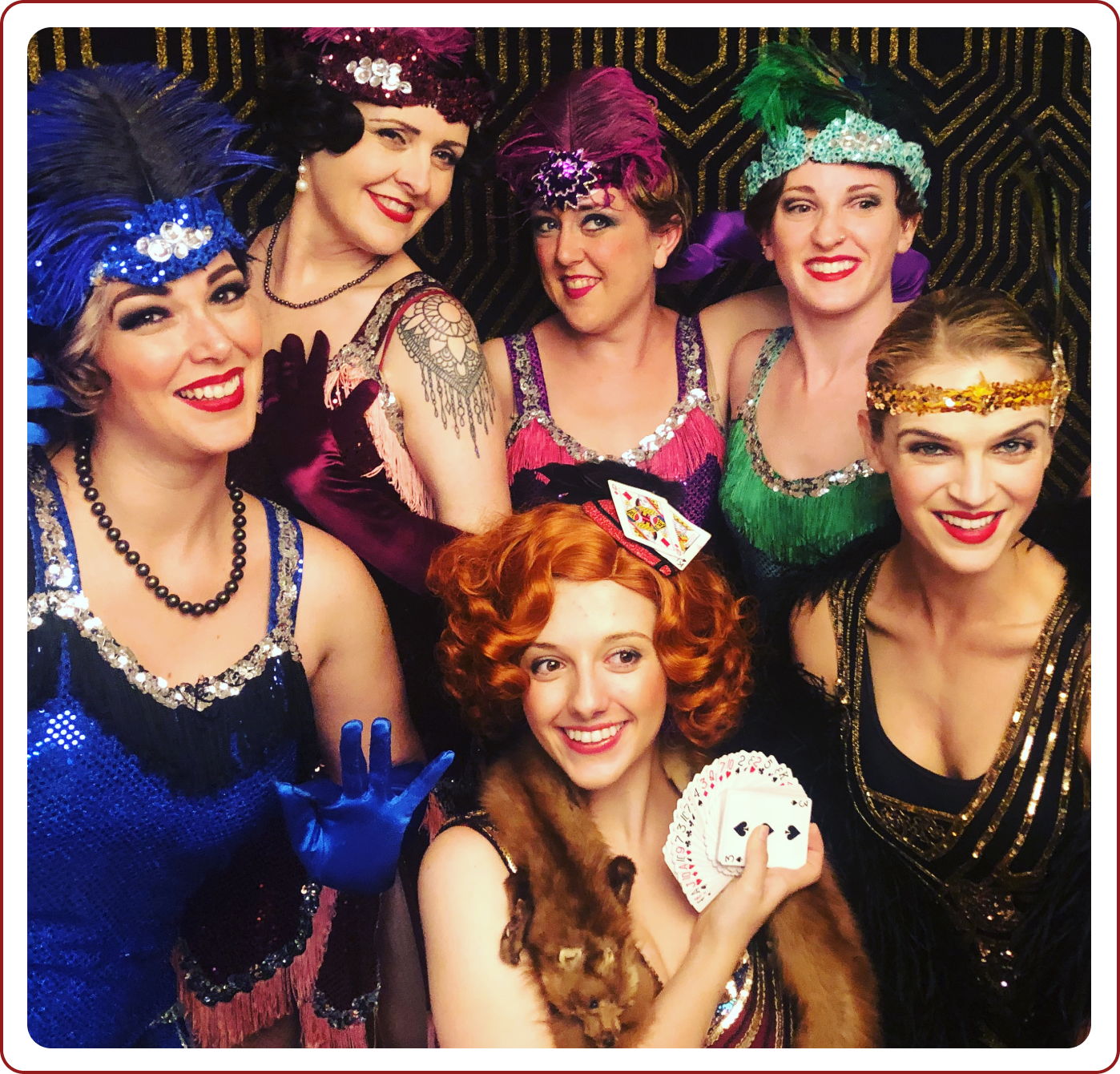
That makes it a careful setting rather than a difficult one. I'm Magical Katrina, an award winning magician and mentalist, and I want to set out what a strolling magician San Francisco booking does at a wine country event, and the conditions it has to work within.
The Day Is Long and the Pace Is Slow
Start with the shape of these events. Guests arrive in the late morning or afternoon, taste, eat, move between spaces, and stay considerably longer than they would at a city event, frequently six hours or more.
That's a different problem from a two hour reception. The question isn't how to fill a slot, it's what sustains a long day without exhausting anybody. Something that appears, works a group properly, and moves on suits that rhythm, whereas a scheduled performance interrupts a day that was flowing perfectly well on its own.
Guests Move Between Spaces All Afternoon
Practically the defining feature. A winery event uses a terrace, a barrel room, a garden, a tasting room, and a long table, and guests migrate between them across the afternoon rather than staying put.
Anything requiring a fixed position misses most of that. A performer who moves with the group works every space as it's being used, which means the people on the terrace at two and the people in the barrel room at four both get something. For an event with no single room, that mobility is the whole requirement.
Nothing Can Need Power or Sound
Worth knowing, since the venues are agricultural as much as hospitality. A barrel room, a crush pad, a vineyard terrace, or a garden has limited power, no usable sound system, and frequently a county noise restriction that genuinely matters to the property.
Close up magic needs none of it, works in any of those spaces exactly as it is, and introduces nothing to a room full of barrels. For a venue that is primarily a working winery and secondarily an event space, entertainment with no technical requirement is the version that gets approved without a conversation.
The Guests Have Been Drinking Since Noon
Worth planning for honestly, since it's the distinctive variable here. By mid afternoon your group is relaxed and talkative, which is pleasant, and attention spans are shorter than they were at eleven.
Short encounters work far better than anything sustained. A few minutes with a group, then moving on, suits people who are enjoying themselves and don't want to be held. A performer used to this setting reads where a group is in their day and adjusts accordingly, which is a real skill rather than a detail.
Tone Has to Match the Property
Worth being direct about. A winery has spent decades building how it presents itself, and entertainment pitched even slightly wrong reflects on the property rather than on the performer.
Quiet, elegant, close work suits these places. Anything loud, broad, or attention demanding does not, and the hosts who regret a booking almost always regret the register rather than the quality. Ask any performer how they'd pitch it for a winery, and expect an immediate answer from somebody who has worked them.
It Helps the Groups Who Don't Know Each Other
The practical function at corporate and club events. A wine club release or a company day out brings people together who share an interest and not an acquaintance, and the day works better if they actually talk.
Something moving through gives strangers an opening, which at a long event matters more than at a short one, since six hours of standing near people you haven't spoken to is a long afternoon. For a membership event in particular, the connections made are a large part of why people renew.
Plan Around the Drive
Practically relevant and specific to this setting. Guests have driven an hour or more from the city, somebody is the designated driver, and people leave earlier than they would in town because of the journey back.
That argues for putting anything you've programmed in the middle of the day rather than at the end, since your group thins from late afternoon. The guests who stay longest are frequently the ones who arranged accommodation, and the ones driving home start looking at the time well before you'd expect.
Harvest Is Busy for the Property
Worth knowing when choosing dates. Late summer and autumn are when wineries are actually making wine, which means staff are stretched, spaces may be in production use, and flexibility is lower than at other times.
It's a wonderful time to hold an event and it requires more notice. Ask the property early what's possible, and book anything you're adding at the same time, since autumn weekends in wine country are contested for the same reasons they're attractive.
A Note on "Local vs. Traveling In"
Worth knowing: I'm based in the Los Angeles area and travel to the Bay Area and wine country regularly for corporate and private events. Travel is discussed openly and factored into the quote rather than being your problem to arrange.
Why Book Magical Katrina
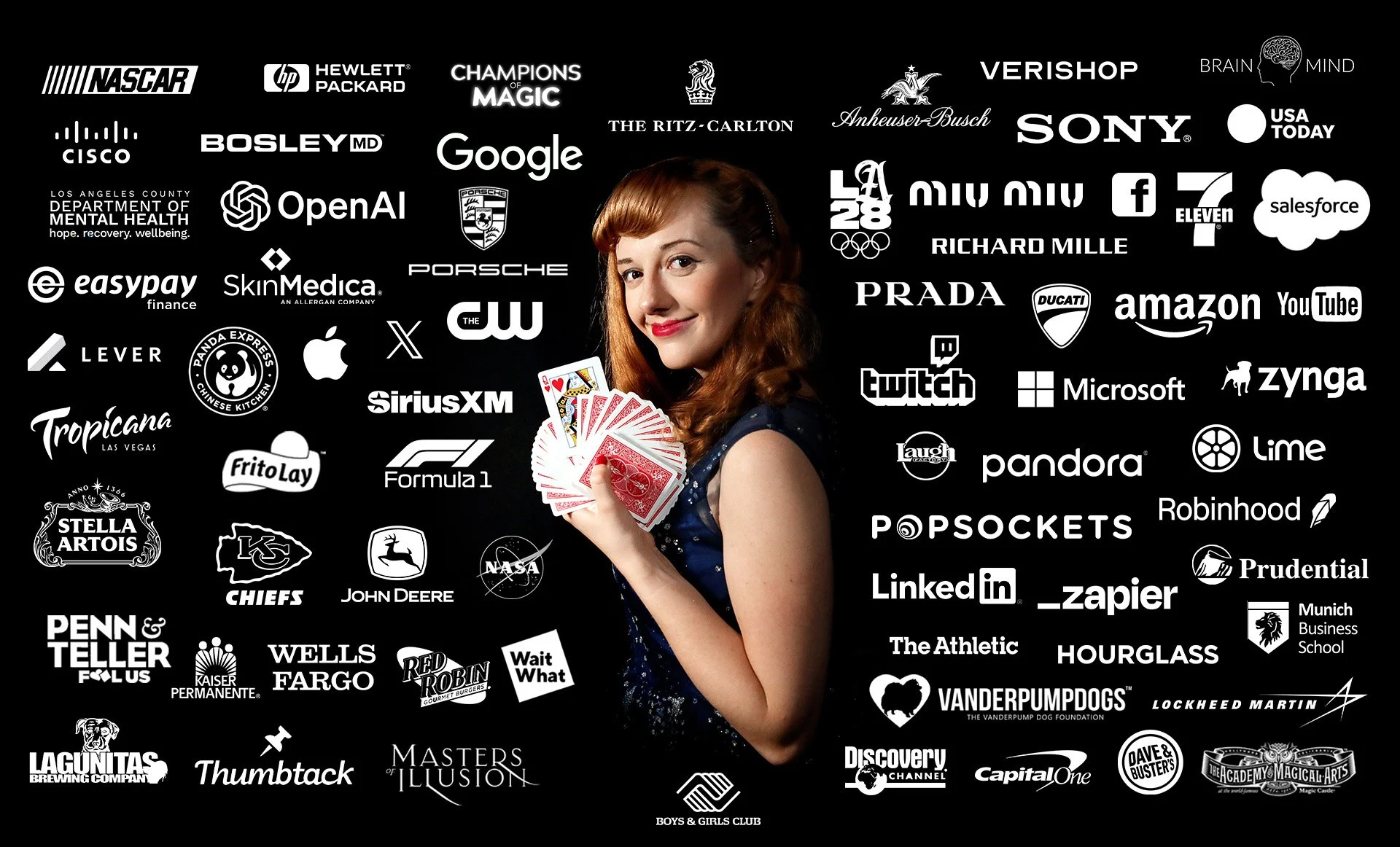
If you're hosting at a winery, here's my case. I'm a member of the Magic Circle in London and the Academy of Magical Arts in Hollywood, I've earned multiple magic awards, and I've performed for clients including Prada, Porsche, Formula 1, the Olympics, and the Ritz Carlton, with appearances on Penn & Teller: Fool Us and Masters of Illusion. I work luxury and hospitality rooms regularly and pitch the tone to match, I need no stage, power, or sound so a barrel room or terrace works exactly as it is, I move with your guests across the property, and I keep encounters short for a group that's been tasting since noon.
Frequently Asked Questions
Won't entertainment distract from the wine?
Not in the right format, since the wine is why people came and anything scheduled or staged competes with it. Something that appears, works a group, and moves on suits a long day that was flowing perfectly well on its own.
Our guests move between spaces. Does that work?
It's the reason this format suits, since a winery event uses a terrace, a barrel room, a garden, and a long table across an afternoon. A performer who moves with the group works each space as it's being used rather than missing most of the day.
What about power and sound?
Neither is needed, which matters at venues that are working wineries first and event spaces second. Close up magic works in a barrel room or on a terrace exactly as it is, and it doesn't run into the county noise restrictions these properties take seriously.
Our guests will have been drinking for hours. Is that a problem?
It shapes the format rather than preventing it. Attention spans are shorter by mid afternoon, so short encounters work far better than anything sustained, and a performer used to this setting reads where a group is in their day.
How do we know the tone will suit the property?
Ask directly how they'd pitch it for a winery and expect an immediate answer. Quiet, elegant, close work suits these places, and hosts who regret a booking almost always regret the register rather than the quality.
Does it help a club or corporate group?
Considerably, since these events bring together people who share an interest but not an acquaintance, and six hours standing near people you haven't spoken to is a long afternoon. Something moving through gives strangers an opening.
When in the day should it happen?
The middle rather than the end, since guests drove an hour or more and the ones heading home start watching the clock from late afternoon. Your group thins earlier than it would at a city event.
Does harvest affect planning?
Yes, since late summer and autumn is when wineries are making wine, staff are stretched, and spaces may be in production use. It's a wonderful time to hold an event and it needs more notice, so ask the property early and book additions at the same time.
Work With the Day, Not Against It
A wine country event is long, mobile, and built around something that doesn't need help from you. A strolling magician San Francisco booking fits it by moving with the guests across terrace and barrel room, needing nothing from a working winery, keeping encounters short for a group that's been tasting since noon, and giving people who share an interest a reason to speak to each other.
Put it in the middle of the day, check the tone suits the property, and give the winery plenty of notice if you're going during harvest.