

Understanding the Magic Culture of New York City
Understanding the Magic Culture of New York City
New York City is widely recognized as one of the most influential entertainment capitals in the world. From Broadway to underground comedy clubs, creativity thrives in every corner. Among these vibrant art forms, magic holds a special place. The city’s fast pace, cultural diversity, and history of live performance have helped shape a unique and ever-evolving magic scene.
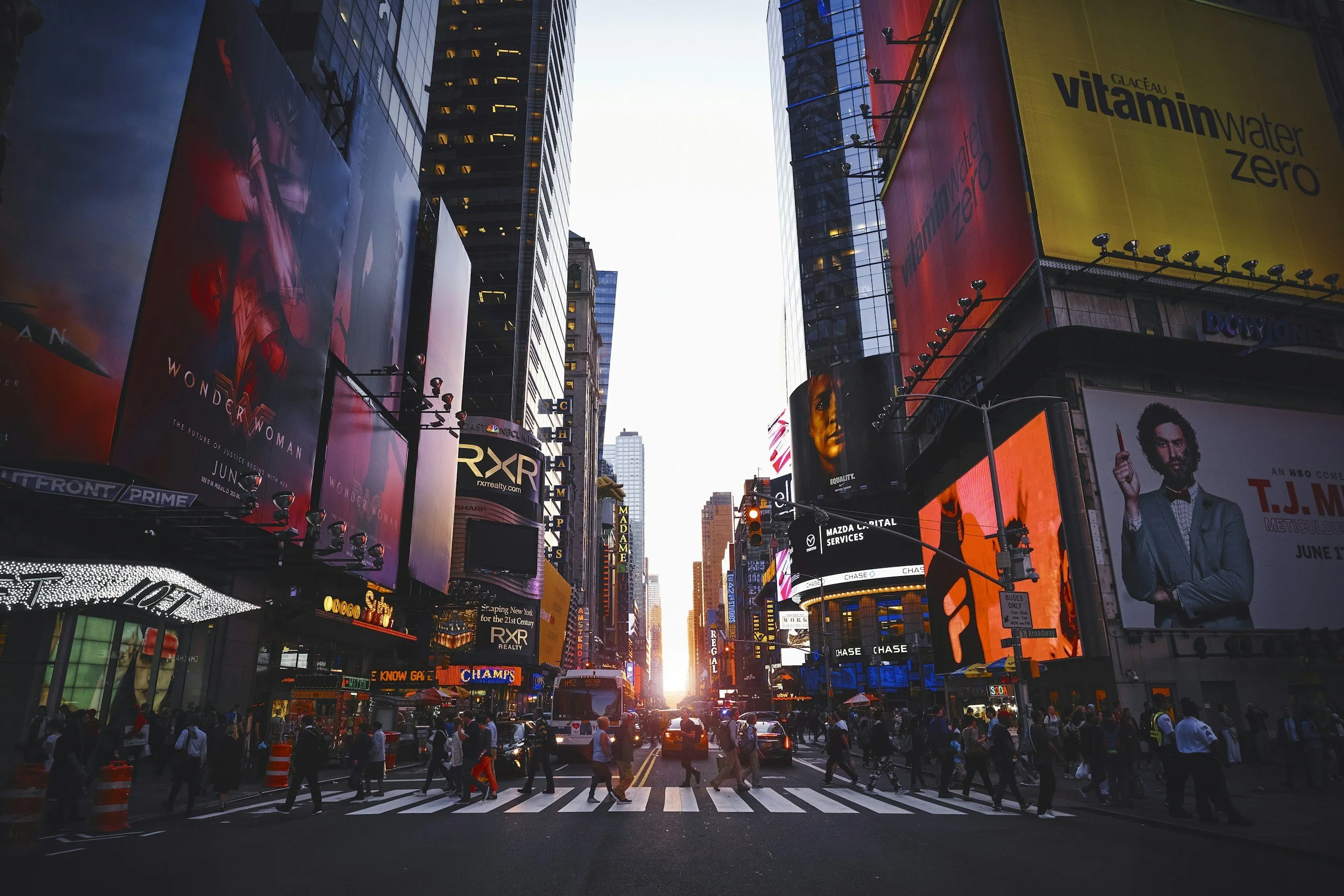
For decades, performers from around the globe have come to New York to study, perform, and refine their craft. Legendary venues, hidden speakeasy shows, and impromptu street performances create an environment where innovation is encouraged and excellence is expected. This competitive atmosphere pushes performers to deliver not just tricks, but unforgettable experiences.
Magic in New York is not limited to one style. Instead, it blends classic sleight of hand with storytelling, psychology, humor, and technology. This fusion makes performances feel fresh and relevant, even to audiences who think they have “seen it all.”
Why NYC Is a Global Hub for Illusionists
New York offers something few cities can: constant exposure to diverse audiences. Tourists, locals, executives, artists, and families all bring different expectations. Performing for such a wide range of people forces magicians to adapt quickly and refine their skills.
The city is also home to elite magic schools, private mentorships, and historic magic societies. Many performers train for years before stepping onto professional stages. As a result, the standard of quality is exceptionally high.
Additionally, media opportunities are abundant. Television appearances, social media content, and live showcases allow performers to build strong personal brands. This visibility helps elevate magic from simple entertainment to a respected performance art.
Street Magic vs. Stage Magic in the City
Street magic has become one of New York’s most recognizable forms of performance. These spontaneous shows rely on direct interaction, quick wit, and strong improvisation skills. Performers often stop passersby with nothing more than a deck of cards or a borrowed object, creating moments of wonder in everyday settings.
Stage magic, on the other hand, is carefully structured and visually dramatic. These performances are common at corporate events, theaters, and private venues. Lighting, music, and choreography play a major role, turning illusions into cinematic experiences.
Both styles are valuable, and the best performers often blend elements of each depending on the event and audience size.
Types of Magicians Available for Events
When planning an event, understanding the different styles of magic can help you choose the right performer. Each type offers a unique experience and suits specific settings.
Close-Up and Walk-Around Performers
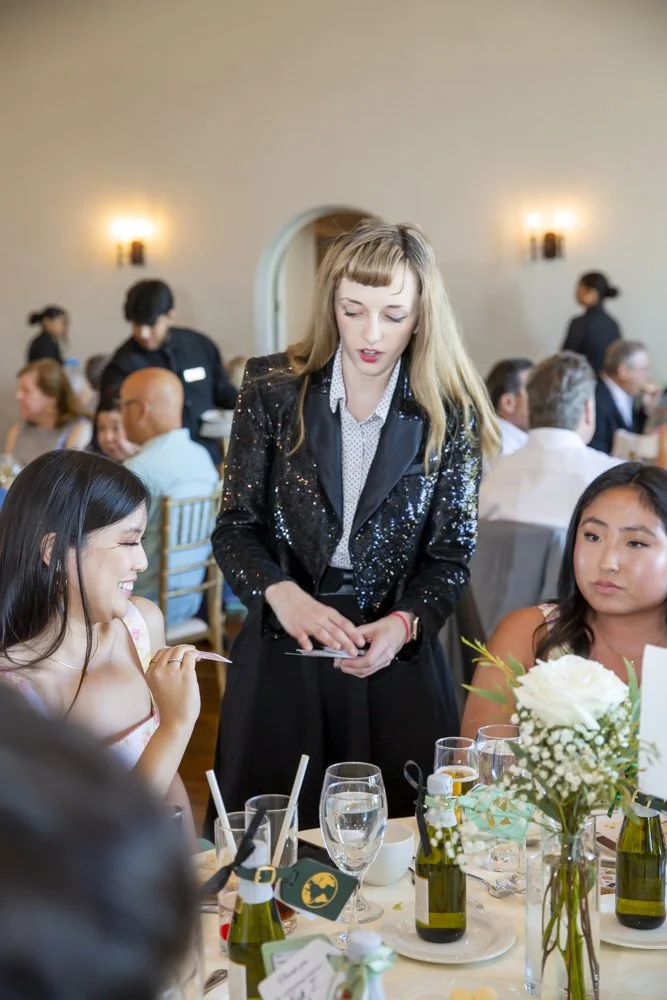
Close-up magic is ideal for cocktail hours, networking events, and intimate gatherings. The performer moves among guests, performing small-scale illusions right in their hands. This style creates personal connections and sparks conversation.
Because there is no need for a stage or special equipment, close-up magic is flexible and highly interactive. It works especially well when guests are standing or moving around rather than seated.
Stage and Grand Illusion Shows
Stage performances are designed for larger audiences. These shows often include visual illusions, audience participation, and a strong narrative. They are perfect for theaters, banquet halls, and large corporate functions.
Grand illusions require precise timing, technical support, and rehearsal. When executed well, they leave a lasting impression and can become the highlight of an entire event.
Mentalism and Mind-Reading Acts
Mentalism focuses on psychology, perception, and influence. Instead of traditional props, mentalists use words, body language, and audience interaction to create the illusion of mind-reading.
This style is especially popular at corporate events because it feels sophisticated and thought-provoking. It encourages reflection and discussion long after the performance ends.
Events That Benefit from Professional Magic
Magic is a versatile form of entertainment that can elevate many types of events. When matched correctly, it enhances the overall experience and keeps guests engaged.
Corporate Events and Product Launches
In the corporate world, attention is valuable. A professional performer can capture interest, reinforce key messages, and create positive associations with a brand. Magic can be customized to include company themes, logos, or product features.
This approach is often used at trade shows and conferences, where standing out is essential. A well-timed illusion can draw crowds and make a booth memorable.
Weddings and Private Celebrations
Weddings are about creating moments people will remember forever. Magic adds an element of surprise and delight, especially during cocktail hours or between formal segments.
Private celebrations such as anniversaries and milestone birthdays also benefit from personalized performances. Guests feel included, and the atmosphere becomes more relaxed and joyful.
Birthday Parties and Family Events
For family-friendly events, magic is a natural fit. Performers adapt their material to suit different age groups, ensuring everyone feels involved.
Interactive routines, humor, and colorful visuals keep children entertained while still amusing adults. This balance is key to a successful family event.
What Makes a Great Professional Magician
Not all performers are the same. Understanding what separates a true professional from an amateur helps ensure your event runs smoothly.
Experience, Training, and Performance Style
Years of practice are behind every polished performance. Professional New York magicians invest time in training, rehearsing, and refining their material. They understand timing, pacing, and how to recover if something unexpected happens.
Equally important is style. Some performers are comedic, others mysterious or elegant. Choosing a style that matches your event’s tone is essential.
Audience Engagement and Adaptability
A great performer reads the room. They adjust their approach based on audience reactions, energy levels, and cultural expectations.
Adaptability also means being prepared for different venues and technical setups. Professionals arrive early, test equipment, and coordinate with event planners to avoid surprises.
How to Choose the Right Performer for Your Event
Selecting the right entertainer requires more than a quick online search. A thoughtful approach leads to better results.
Matching the Act to Your Audience
Consider the age range, cultural background, and expectations of your guests. A highly interactive act may be perfect for a lively crowd but less suitable for a formal dinner.
Watching demo videos and reading reviews can provide insight into how a performer connects with audiences.
Questions to Ask Before Booking
Before signing a contract, ask about experience, performance length, setup requirements, and customization options. Clear communication prevents misunderstandings and ensures everyone is aligned.
It’s also wise to confirm backup plans in case of technical issues or unexpected changes.
Pricing, Packages, and Value
Understanding pricing helps you make informed decisions without compromising quality.
What Influences Performance Fees
Fees vary based on experience, event type, duration, and customization. High-demand dates and premium venues may also affect pricing.
While it can be tempting to choose the lowest option, value matters more than cost. A skilled performer delivers professionalism, reliability, and peace of mind.
Understanding Contracts and Deliverables
A clear contract outlines expectations for both parties. It should include performance details, payment terms, and cancellation policies.
This transparency protects everyone involved and sets the foundation for a successful event.
The Role of Technology in Modern Magic
Technology has expanded what is possible in live performances. Digital screens, augmented reality, and interactive apps allow performers to create illusions that were unimaginable just a decade ago.
When used thoughtfully, technology enhances rather than replaces traditional skills. The best performers balance innovation with classic techniques.
Tips to Maximize the Impact of a Magic Show
Even the best performance benefits from proper planning.
Venue Setup and Timing
Ensure the performer has adequate space, lighting, and sound. Timing the show when guests are most attentive increases its impact.
Audience Participation Strategies
Encouraging participation makes the experience memorable. Volunteers feel special, and the audience becomes emotionally invested in the performance.
Frequently Asked Questions
1. How far in advance should I book a performer?
Booking early is recommended, especially for peak seasons and weekends.
2. Can performances be customized?
Yes, many professionals tailor their material to fit themes or messages.
3. Is magic suitable for formal events?
Absolutely. Subtle, elegant performances work well in formal settings.
4. How long does a typical show last?
Shows range from 20 minutes to over an hour, depending on the event.
5. Do performers require special equipment?
Requirements vary. Some acts need minimal setup, while others require staging and sound.
Hiring a New York Magician is about more than entertainment it’s about creating moments of wonder that bring people together. With the right performer, your event becomes an experience guests will talk about long after it ends.
By understanding the different styles, planning carefully, and choosing a professional who aligns with your vision, you ensure a successful and memorable event.