


Women's History Month Event Ideas for Global Organisations
Women's History Month Event Ideas for Global Organisations
Organizations with offices in several countries discover something awkward each March: the thing being marked isn't the same everywhere. Some countries observe a whole month, some focus on a single day in early March, some treat that day as a public holiday, and in some places it has a political history your local team understands far better than headquarters does.
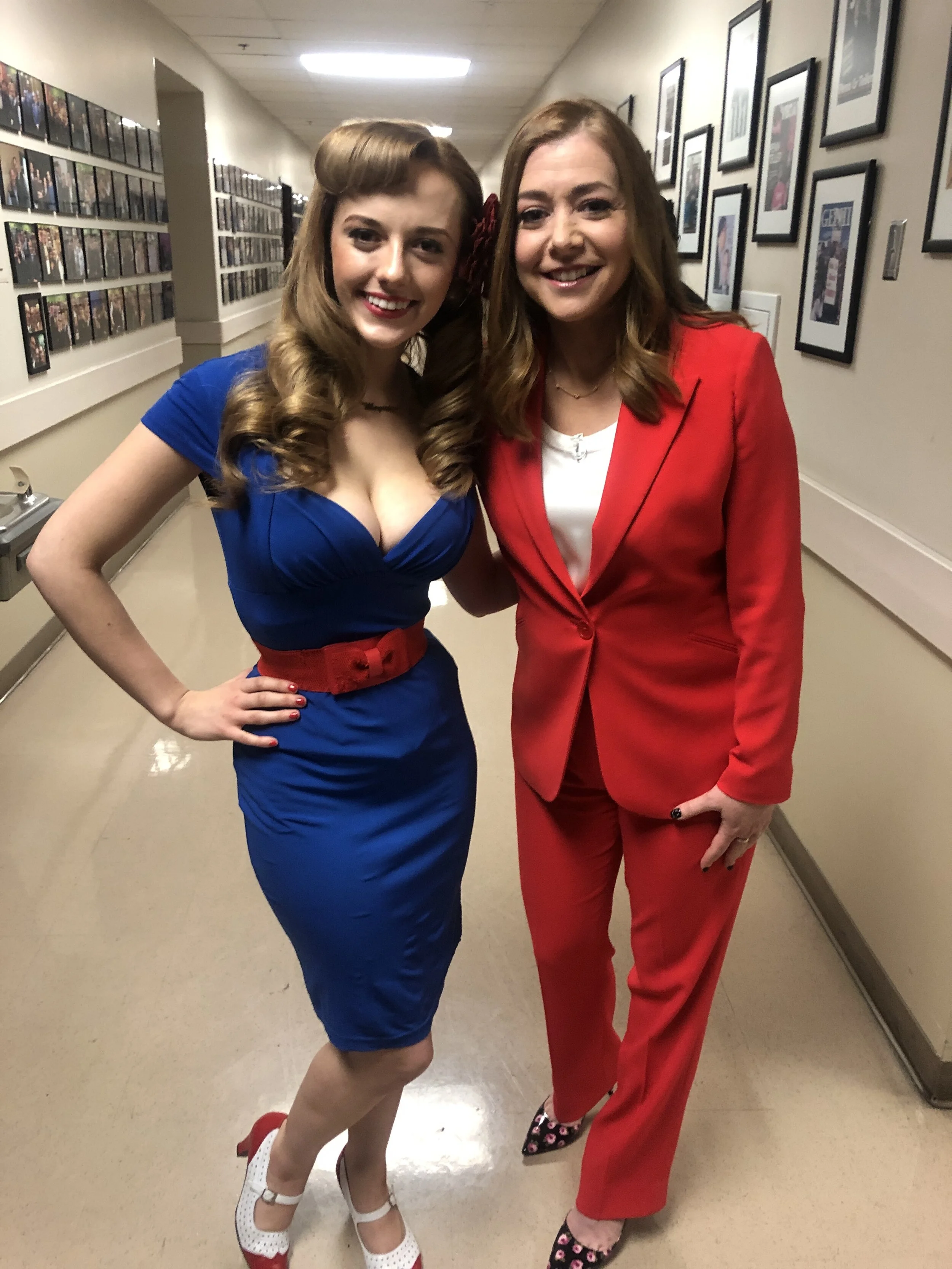
Running one global program across that is a real planning problem. I'm Magical Katrina, an award winning magician and mentalist, and I want to offer Women's History Month event ideas for organizations trying to do this across borders.
One Date Is Not the Same Date Everywhere
Start with the practical confusion. International Women's Day falls on the eighth of March and is marked widely around the world, while a month long observance is more common in some countries than others, and the two are frequently conflated in global communications.
Decide which you're marking and say so plainly. A global program that calls itself one thing while scheduling the other confuses local teams who then have to explain it. If you want a single moment everybody shares, the eighth is the obvious anchor. If you want a program, the month gives you room and the day gives you a focal point within it.
Let Local Offices Do Local Things
The structural decision that determines whether this works. Headquarters providing one centrally produced event for every region produces something nobody feels ownership of, delivered at an hour that suits one time zone.
The better shape is one shared global moment plus local programs that each office designs. Central teams supply the budget, the framing, and something everybody can join, and local teams decide what actually suits their colleagues. That's less tidy to report on and it's the version people attend.
Somebody Is Always on a Terrible Hour
Practically unavoidable for a global session. A live event cannot suit offices across eight time zones, and the hour that works for headquarters is somebody's evening and somebody else's early morning.
Rotate it between years if this is annual, or run the same session twice at different hours rather than asking one region to always be the one that stays late. The teams on the edges notice who the schedule is built around, and alternating costs very little while saying something.
Recordings Do Less Than You Expect
Worth being honest about. The default answer to time zones is to record it and share it afterwards, and the recording is watched by very few people.
Anything whose value is in being there live loses most of it on playback, particularly something interactive. If a region matters to you, give them a live session of their own rather than a video, and if that isn't possible, be honest that they're getting the lesser version rather than pretending the recording is equivalent.
Local Context Varies More Than You Think
Worth taking seriously before you send a global communication. The way this period is marked, what it means politically, and how comfortable colleagues are discussing it differ considerably between countries.
Ask your local teams rather than assuming. In some places the day is a long established public occasion; in others the framing used by headquarters will read as foreign or awkward. A central team that checks first avoids a communication that lands badly somewhere it didn't anticipate, and local colleagues almost always have a clear view if asked.

Language Is the Practical Barrier
Worth planning for, since it shapes what you can program. A global session delivered in English reaches colleagues with varying fluency, and anything depending on wordplay, idiom, cultural reference, or rapid speech excludes a portion of your workforce.
That rules out more than people realize, including most comedy and most panel formats. Magic needs no shared language, since astonishment works identically regardless of background, which for a session spanning eleven countries is the practical reason it suits.
One Shared Moment Is Worth More Than Five Local Ones
Worth weighing, since the argument cuts both ways. Local programs are better attended and more relevant, and a global organization rarely gets a moment where everybody experiences the same thing at the same time.
That shared moment has value precisely because it's rare, so the best structure is usually one global session that genuinely works for everybody, plus local programs around it. Don't let the global element become a worthy broadcast that nobody enjoys; if you're going to gather eleven countries at once, make it something people are glad they joined.
Costs Don't Scale With Headcount Online
Worth knowing for the budget. An online session costs the same whether a hundred or a thousand people join, since there's one performance regardless of how many are watching, and my virtual shows start around fourteen hundred dollars.
For a global program, that arithmetic is unusually favorable, because the alternative is funding separate activity in every region. One session that genuinely reaches everybody is frequently cheaper than eight local ones and produces the shared moment that eight local ones can't.
Why Book Magical Katrina
If you're planning across borders, here's my case. I'm a member of the Magic Circle in London and the Academy of Magical Arts in Hollywood, I've earned multiple magic awards, and I've performed for audiences in more than twenty countries and for clients including Formula 1, the Olympics, Porsche, Prada, Zapier, and the Ritz Carlton, with appearances on Penn & Teller: Fool Us and Masters of Illusion. My work needs no shared language or cultural reference, I can run the same session twice at different hours so no region always gets the bad slot, I work in your existing platform with nothing to install, and my fee is the same whether a hundred or a thousand join.
Frequently Asked Questions
Is International Women's Day the same as Women's History Month?
No, and conflating them confuses local teams. The eighth of March is marked widely around the world, while a month long observance is more common in some countries than others, so decide which you're marking and say so plainly in your communications.
Should headquarters run everything?
No, since a centrally produced event for every region produces something nobody owns, at an hour suiting one time zone. One shared global moment plus local programs each office designs is less tidy to report and considerably better attended.
How do we handle time zones?
Rotate the hour between years, or run the same session twice at different times rather than asking one region always to stay late. Teams on the edges notice who the schedule is built around, and alternating costs little while saying something.
Can't we just record it?
You can, and few people watch it. Anything whose value is in being there live loses most of it on playback, so if a region matters, give them their own live session rather than a video, and be honest if they're getting the lesser version.
Does local context really differ that much?
Considerably, in how the period is marked, what it means politically, and how comfortable colleagues are discussing it. Ask your local teams before sending a global communication, since they almost always have a clear view and will prevent something landing badly.
What about language?
It rules out more than people realize, since a session in English reaches colleagues of varying fluency and anything depending on idiom, wordplay, or fast speech excludes a portion of your workforce. Magic needs no shared language, which is why it suits this setting.
Is a global session worth doing at all?
Yes, because a global organization rarely gets a moment where everybody experiences the same thing simultaneously, and that rarity is the value. Just don't let it become a worthy broadcast, since if you're gathering eleven countries you should make it enjoyable.
What does a global session cost?
The same as a small one online, since there's one performance regardless of how many watch, and my virtual shows start around fourteen hundred dollars. That's frequently cheaper than funding separate activity in eight regions and produces something they can't.

Share One Moment, Devolve the Rest
The most workable Women's History Month event ideas for a global organization follow the same shape: be clear about whether you're marking the day or the month, give local offices the budget and the freedom to do what suits their colleagues, and hold one shared session that genuinely works across every region.
Make that session something that needs no shared language, rotate the hour so the same region isn't always inconvenienced, and ask your local teams before headquarters writes the communication.
Reach out with your regions and the hour you're considering, and I'll tell you how I'd build the session.