


Online Magician for Channel Partner and Reseller Events
Online Magician for Channel Partner and Reseller Events
Channel programmes have an attention problem that internal communications teams never face. Your partners are independent businesses, they carry several vendors, and every one of those vendors is sending them enablement webinars, product updates, and quarterly briefings. Attendance is entirely voluntary, and the honest position is that most partners attend very little of it.

That's a genuine commercial issue rather than an engagement nicety, because mindshare determines which products get sold. I'm Magical Katrina, an award winning magician and mentalist, and I want to explain where an online magician helps a channel program, which is more specific than making an event enjoyable.
You Are Competing With Every Other Vendor
Start with the reality. A reseller carrying six vendors receives six sets of partner communications, and the sessions blur into a single category of thing they mean to get to and don't.
Nothing about a well made deck changes that, because everyone has one. What changes it is being noticeably different from the other five, and an online magician achieves that at the point it matters most, which is when a partner is deciding whether this particular invitation is worth an hour. Differentiation in a channel program is usually discussed in terms of margin and incentives, but attention is upstream of both.
Attendance Is the Actual Metric
Worth stating plainly, because partner enablement is frequently judged by content quality when it should be judged by turnout. A brilliantly constructed session attended by eleven partners out of four hundred has not enabled anybody.
So the useful question for a partner event isn't whether the content is good, it's whether people will come. An online magician gives you something concrete to put in the invitation, which measurably shifts registration and, more importantly, the conversion from registration to attendance. If your partner sessions routinely see heavy drop off between the two, that gap is where this earns its cost.
Partners Aren't Obliged to Like You
The relationship difference that shapes everything. Employees attend because attendance is expected, and their goodwill is somewhat assumed. Partners have no such obligation, and their warmth towards your organization is a genuine variable that affects behavior.
An online magician contributes to that warmth in a way a product roadmap doesn't. A partner who spent an hour genuinely enjoying something you arranged has a different relationship with your brand than one who has only ever received requests to sell more. For channel teams working on mindshare rather than contractual obligation, an occasion that isn't asking for anything is unusually valuable.
It Connects Partners to Each Other
Something channel programs often want and rarely achieve. Partners in the same program are sometimes competitors and frequently strangers, and the community that vendor programs aspire to build tends to exist on a portal rather than in reality.
An online magician gives a room of partners a shared moment, which is more than a webinar chat ever produces. When forty partner principals across a region all react to the same impossible thing at once, that's a genuine collective experience rather than a directory. It won't turn a partner base into a community by itself, but it's a considerably better start than another discussion prompt.
Where It Fits in a Partner Program
A few placements that work well:
Partner kickoff and annual program launches. Where you need attendance and want the year to start on something other than targets.
Enablement sessions with poor historic turnout. Attach it to the content people keep missing.
Partner advisory councils. Small, senior groups where an informal element helps genuine conversation.
Awards and recognition for top partners. Where recognition otherwise consists of a slide and a certificate.
Regional partner meetings. Across time zones, where travel isn't justified but connection matters.
Place It Before the Content, Not After
Practical guidance that matters here more than internally. With an obligated audience you can place entertainment at the end as a reward. With a voluntary one, anything at the end reaches only the people who stayed, which is the group you already had.
Put an online magician at the start and you reward punctual attendance, hold partners through the substantive portion, and give them a reason to stay rather than dropping off after the part concerning their margin. It also sets a tone that this session is different from the five other vendor webinars in their calendar, which affects how they receive everything that follows.
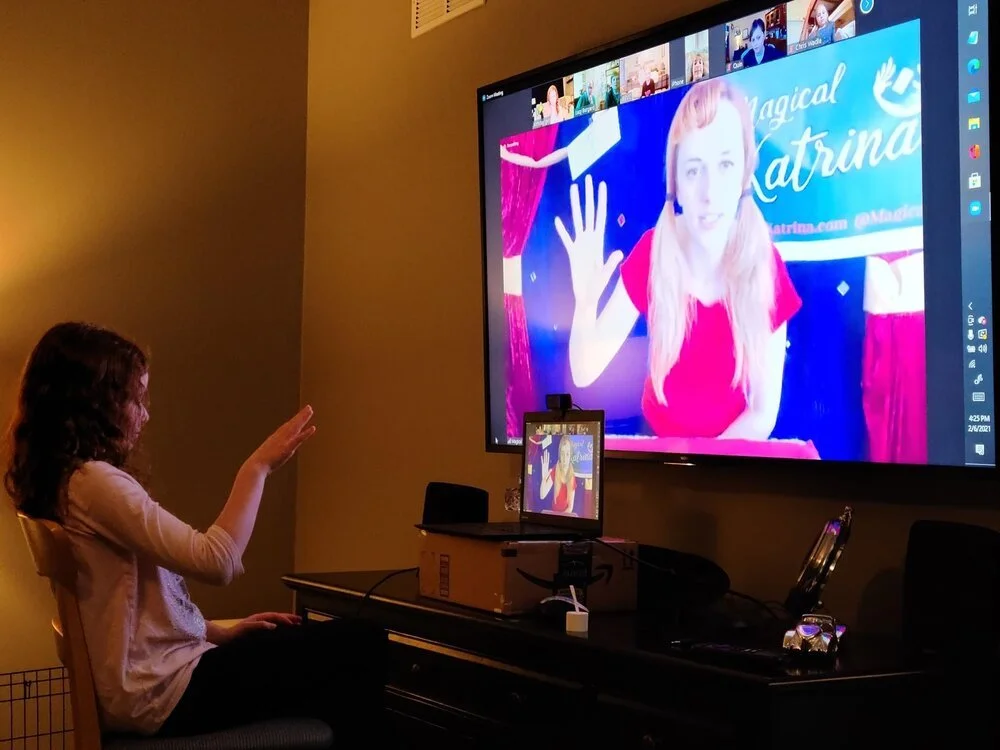
Regional Programs and Time Zones
For channel teams covering several countries, this is a practical advantage. Partner networks are geographically spread by definition, and bringing partners together physically means travel budgets and a calendar negotiation that rarely happens more than annually.
An online magician reaches your entire partner base wherever they are, and because the material is visual and participatory rather than language dependent, it works across a multinational partner network in a way a quiz or a comedic element wouldn't. Several regions can join one session, which spreads cost and gives partners from different markets a rare shared experience.
It Suits Small Senior Groups Too
Worth noting for advisory councils and top tier programs, where the group might be twelve partner principals rather than four hundred resellers.
Close up magic works better as the group gets smaller, since everyone sees everything and shares each reaction rather than watching a presentation. For a senior partner group where the objective is candid conversation rather than information transfer, an online magician early in the session does the same work a dinner would do in person: it moves the room from formal to human before the substantive discussion starts.
Why Book Magical Katrina
If you'd like an online magician for a partner event, here's my case. I'm a member of the Magic Circle in London and the Academy of Magical Arts in Hollywood, I've earned multiple magic awards, and I've performed for companies including Formula 1, the Olympics, Porsche, Zapier, and the Ritz Carlton, with appearances on Penn & Teller: Fool Us. My virtual material is built for video and genuinely participatory, so partners take part rather than watch, and it works across countries and time zones without depending on shared references. I have a polished technical setup, I handle everything myself, and I understand that a partner session has commercial objectives beyond the entertainment.
Frequently Asked Questions
Why is partner attendance so hard to get?
Because partners are independent businesses carrying several vendors, all of whom send enablement webinars, product updates, and briefings, and attendance is entirely voluntary. Those sessions blur into a category of thing partners mean to get to and don't. Nothing about a well made deck changes that, since everyone has one. An online magician makes the invitation noticeably different at the moment a partner is deciding whether it's worth an hour.
Shouldn't we focus on content quality instead?
Content quality matters, but it's the wrong thing to optimize first. A brilliantly constructed session attended by eleven partners out of four hundred hasn't enabled anybody, so the useful question is whether people will come. If your sessions see heavy drop off between registration and attendance, that gap is the problem, and it's where an online magician earns its cost rather than in the content itself.
Where should it sit in the agenda?
At the start, not the end. With an obligated internal audience you can place entertainment as a closing reward, but with a voluntary partner audience anything at the end reaches only the people who stayed, which is the group you already had. Opening with it rewards punctual attendance, holds partners through the substantive portion, and signals that this session differs from other vendor webinars.
Does it work for a multinational partner network?
Yes, and better than most alternatives. Partner networks are geographically spread by definition, and material that's visual and participatory rather than language dependent works across markets where a quiz or comedic element would fragment. Several regions can join one session, which spreads the cost and gives partners from different countries a rare shared experience rather than parallel local meetings.
What about a small advisory council?
It suits those particularly well. Close up magic works better as the group shrinks, since everyone sees everything and shares each reaction rather than watching a presentation. For a senior partner group where the objective is candid conversation rather than information transfer, an online magician early in the session does what a dinner does in person: it moves the room from formal to human before the real discussion.
How does this affect the commercial relationship?
Through goodwill, which for partners is a genuine variable rather than an assumption. Employees attend because it's expected, whereas partners have no obligation and their warmth towards your brand affects behavior. A partner who spent an hour genuinely enjoying something you arranged has a different relationship with you than one who has only ever received requests to sell more. Mindshare is built partly on that.
How do I book you, and what do you need to get started?
Reach out with your event date, platform, expected partner numbers, the regions and time zones involved, and where it sits in your program. That's enough for me to check availability, suggest placement, and send a quote. If several regions are joining one session, mention that, since it's usually more affordable than running separate events and gives partners across markets something shared.
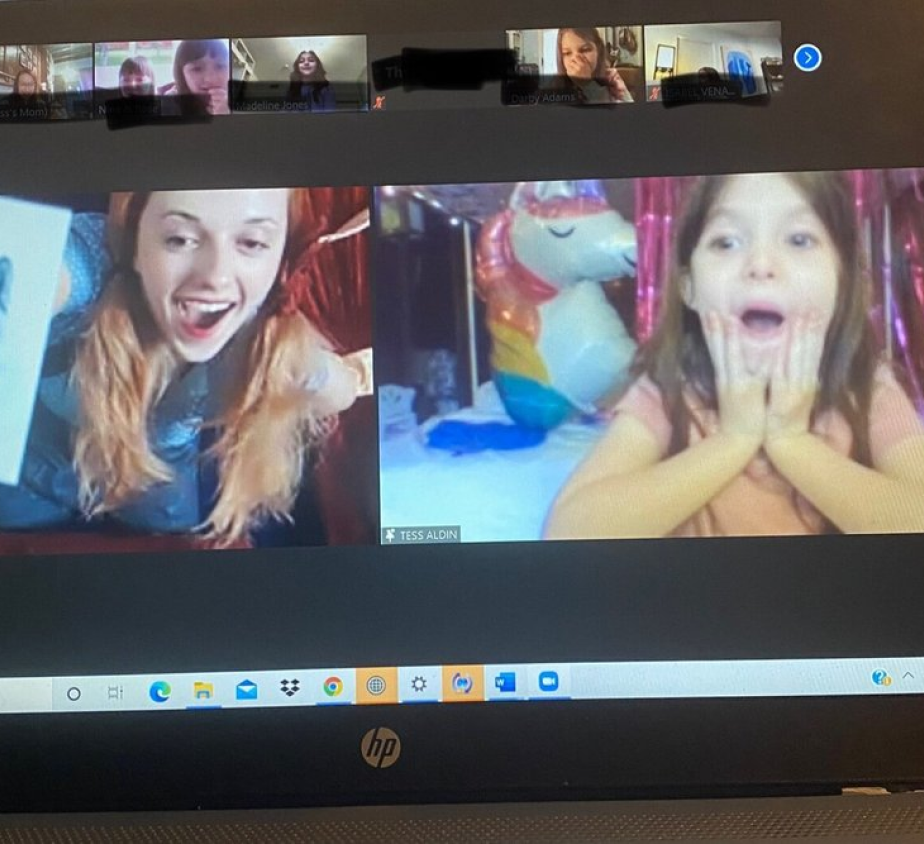
Earn the Hour Before You Ask for It
Channel programs compete for attention before they compete on margin, and a partner deciding between six vendor invitations is making that decision on whether anything looks worth the time. An online magician addresses that directly: a genuine reason to attend, placed early enough to hold partners through the content, building goodwill with people under no obligation to give you any, and reaching a geographically spread network in one session.
If your partner sessions are well made and thinly attended, that's the gap worth closing.
Reach out with your dates and partner numbers, and let's make the invitation worth opening.