

Zoom Magician: Should You Record the Session?
Zoom Magician: Should You Record the Session?
Organisations record virtually everything now, frequently by default, and a booked entertainment session gets the same treatment without anybody deciding it should. Then the recording sits in a folder, gets shared with people who weren't there, and lands flat.
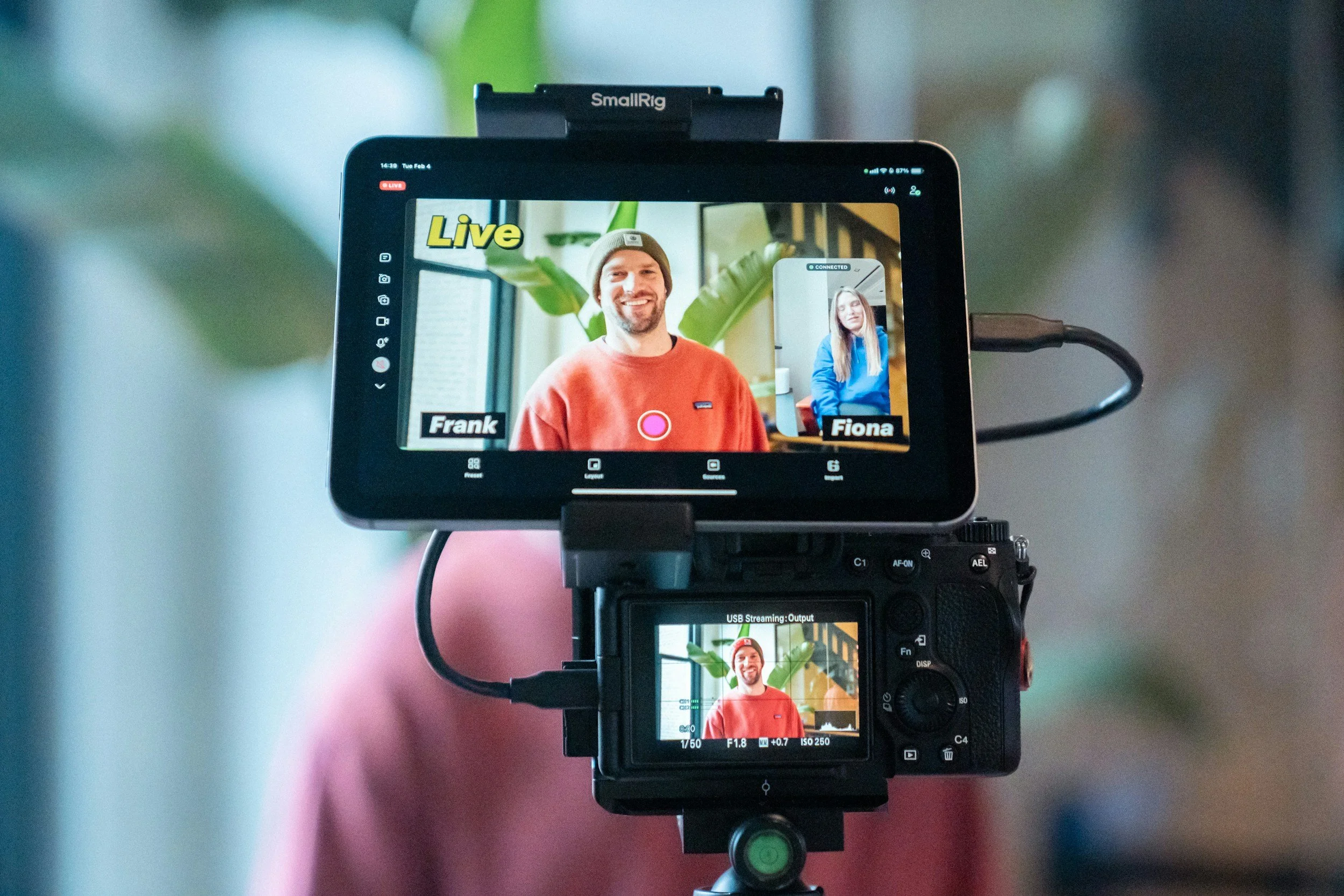
Worth thinking about before the day rather than afterwards. I'm Magical Katrina, an award winning magician and mentalist, and I want to set out the questions around recording a Zoom magician session, starting with the one most organizers don't realize is a question.
Ask First, Always
Start with the basic courtesy that's also a legal matter. A performer's material is their intellectual property, developed over years, and recording it isn't automatically included in a booking fee.
Most will agree to an internal recording without hesitation, and some have conditions, and a few will decline. What matters is asking at booking rather than announcing it as the session starts, which puts the performer in the position of either agreeing under pressure or objecting in front of your audience. One line in an email resolves it.
Default Recording Needs Flagging
Worth checking, since many organizations don't actively decide this. Some platforms are configured to record every session automatically, and some companies have policies requiring it.
If that applies to you, tell your performer at booking rather than discovering the conflict in the first minute. It's usually fine and it occasionally isn't, and either way it's a conversation that takes thirty seconds in advance and is awkward on the day. A performer who works corporately has encountered this and will have a straightforward answer.
Internal Use Is a Different Permission From External
An important distinction organizers routinely miss. Agreement to record for colleagues who missed it is not agreement to put the footage on your website, in a marketing email, on social media, or in a client presentation.
Those are separate permissions and should be asked for separately. A performer may be happy with one and not the other, and using footage externally without asking is the kind of thing that ends a working relationship. If you want marketing use, say so at booking, since it may also affect the fee.
Your Attendees Are in It Too
Worth thinking about independently of the performer. A recording of a participatory session captures your colleagues reacting, being surprised, and occasionally being visibly caught out.
Some won't mind and some will, particularly if the recording circulates beyond the people who were there. Tell attendees it's being recorded at the start, let anybody turn their camera off without explanation, and be careful about where the file ends up. That's ordinary good practice and it matters more here than at a presentation, since people are being playful rather than professional.
The Recording Rarely Works Anyway
The practical point, and it's the one that should change your plans. A Zoom magician session works because things happen to the people watching, in their own hands, in real time.
Someone viewing the recording later experiences none of that. They watch other people participate in something they can't take part in, and the effect that astonished a live audience lands as a video of colleagues reacting. It isn't that the recording is poor, it's that the thing being recorded was participation rather than performance, and participation doesn't survive the transfer.
Better Options for People Who Missed It
Worth considering instead. If a meaningful number of colleagues couldn't attend, the useful response is a second session rather than a recording, and most performers will price a repeat more favorably than an initial booking.
A shorter repeat works too, particularly for a small group of people who missed the main one. For an organization with shift patterns, multiple time zones, or a genuinely split workforce, two live sessions reach everybody properly where one recording reaches nobody properly. Ask about it rather than defaulting to the file.
What a Recording Is Actually Good For
Being fair, since there are legitimate uses. A recording is useful as a record that the session happened, for whoever approved the budget, and occasionally for an internal communications team who want a few seconds of footage.
Those are modest and real. What it isn't is a substitute for attendance, and planning around that assumption is where organizations go wrong. If your purpose is a record, record it. If your purpose is reaching people who missed it, book another session.
Clips Work Better Than the Whole Thing
Worth knowing if you do want to use footage. A thirty second clip of a reaction shared in a company channel does considerably more than a forty five minute file nobody opens.
Ask your performer whether they're comfortable with short clips specifically, since the answer may differ from their view on a full recording. And if your communications team wants something for internal use, a few good moments captured deliberately beat an unedited session recording in every respect, including the impression it gives of the event.
Why Book Magical Katrina
If recording matters to you, here's my case. I'm a member of the Magic Circle in London and the Academy of Magical Arts in Hollywood, I've earned multiple magic awards, and I've performed for companies including Formula 1, the Olympics, Porsche, Zapier, and the Ritz Carlton, with appearances on Penn & Teller: Fool Us. I'll discuss recording openly at booking, I'm straightforward about internal versus external use, and I'll tell you honestly that a recording won't do what a second session would if reaching absent colleagues is your objective.
Frequently Asked Questions
Do we need permission to record?
Yes, and it's worth asking at booking rather than announcing it as the session starts. A performer's material is their intellectual property developed over years, and recording isn't automatically included in a fee. Most agree to an internal recording without hesitation, some have conditions, and a few decline.
Our platform records everything automatically. Does that matter?
It's worth flagging at booking rather than discovering the conflict in the first minute, since some organizations have policies requiring it and some platforms are configured that way. It's usually fine and occasionally isn't, and either way the conversation takes thirty seconds in advance and is awkward on the day.
Can we use the footage in marketing?
That's a separate permission from an internal recording and should be asked for separately, since a performer may be happy with one and not the other. Using footage externally without asking is the kind of thing that ends a working relationship, and it may also affect the fee, so say so at booking.
What about our attendees appearing in it?
Worth handling independently, since a recording captures colleagues reacting, being surprised, and occasionally visibly caught out, which some won't mind and some will. Tell attendees at the start, let anybody turn their camera off without explanation, and be careful where the file ends up.
Will the recording be any good?
Rarely, and that's the practical point. A Zoom magician session works because things happen to the people watching, in their own hands, in real time, and someone viewing later experiences none of that. They watch colleagues participate in something they can't take part in, and participation doesn't survive the transfer.
How do we reach people who missed it?
A second session rather than a recording, since most performers price a repeat more favorably than an initial booking and a shorter repeat works for a small group. For an organization with shift patterns or multiple time zones, two live sessions reach everybody properly where one recording reaches nobody properly.
Is a recording useful for anything?
As a record that the session happened, for whoever approved the budget, and occasionally for a communications team wanting a few seconds of footage. Those are modest and real. What it isn't is a substitute for attendance, and planning around that assumption is where organizations go wrong.
Would clips be better than the full recording?
Considerably, since a thirty second clip of a reaction shared in a company channel does more than a forty five minute file nobody opens. Ask your performer about clips specifically, since the answer may differ from their view on a full recording, and a few moments captured deliberately beat an unedited session in every respect.

Decide What the Recording Is For
Most organizations record a Zoom magician session automatically and then discover the file does nothing, because the thing that made the session work was participation and a viewer can't participate. That's worth knowing before you plan around it.
Ask permission at booking, treat marketing use as a separate question, tell your attendees, and if your real objective is reaching people who couldn't attend, book a second session instead. A live repeat reaches them properly, which a recording never will.
Reach out with your event details and whether recording matters, and I'll tell you plainly what works.