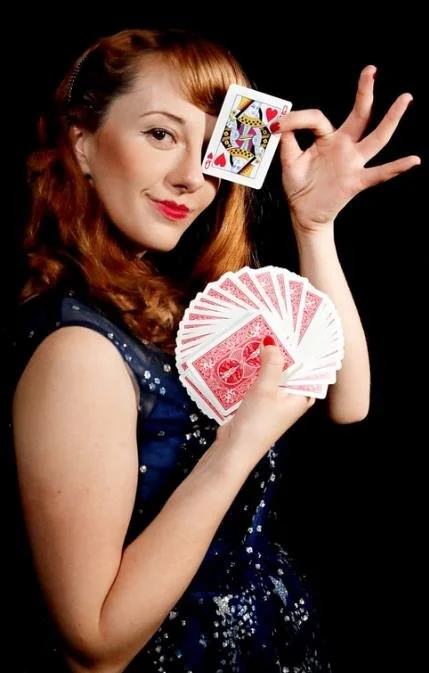


Zoom Magic Show for a Small Team of Eight or Twelve
Zoom Magic Show for a Small Team of Eight or Twelve
Almost everything written about virtual entertainment assumes a large audience: hundreds of attendees, a broadcast format, and a cost per head that gets flattering as the numbers rise. Managers with a team of ten read that and assume it isn't for them.
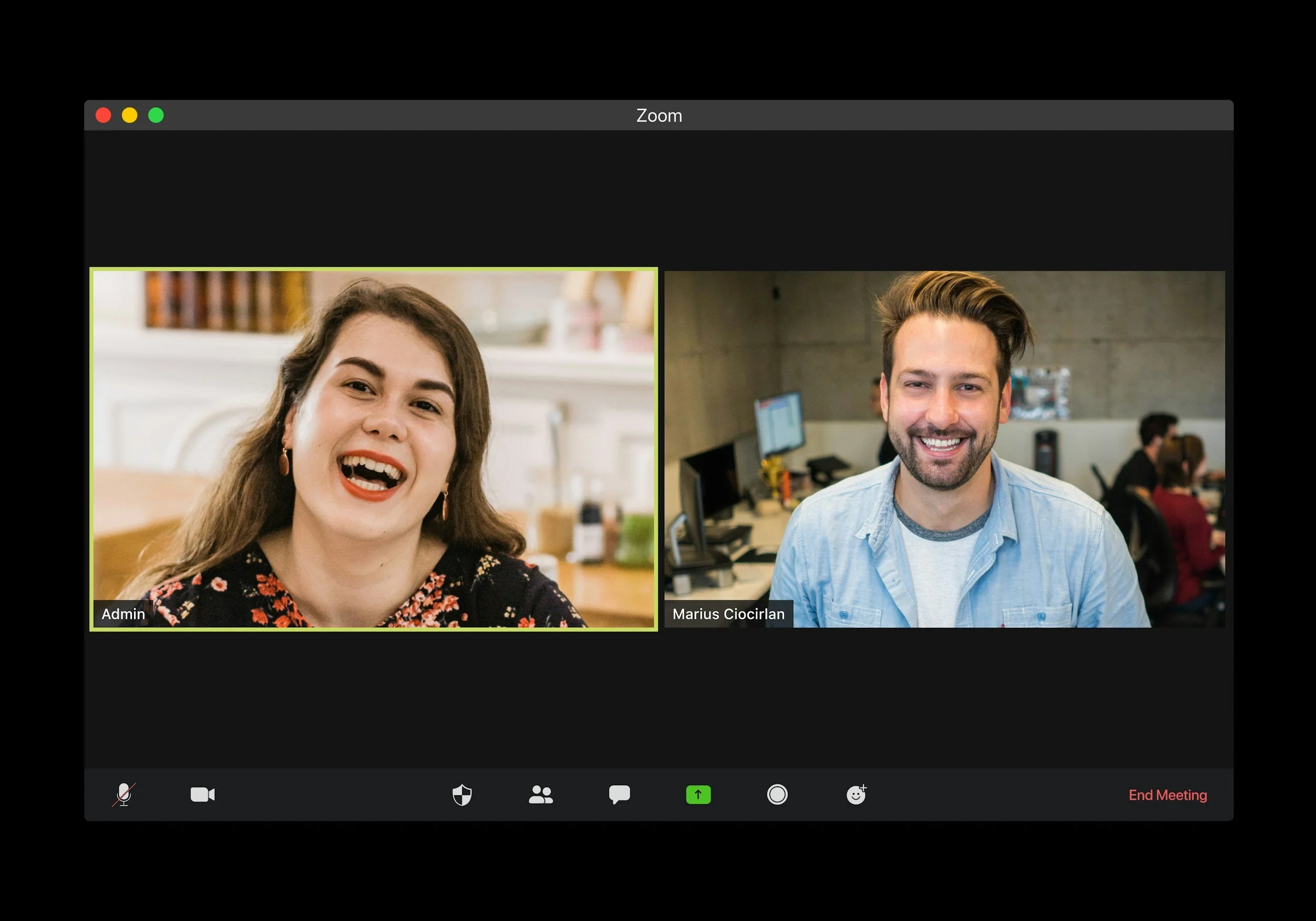
It frequently is, and it works better than it does at scale. I'm Magical Katrina, an award winning magician and mentalist, and I want to explain what a Zoom magic show looks like for a small team, and when it's genuinely worth doing.
Small Groups Are the Better Audience
Start with the counterintuitive part. Virtual entertainment gets worse as it gets bigger, because interaction becomes impossible, individuals become anonymous, and the format drifts towards broadcast.
At eight or twelve, none of that applies. Everyone is visible, everyone can be addressed by name, everyone participates rather than watching people who are participating, and the performer can respond to individuals rather than to a gallery. A Zoom magic show for a small team is closer to being in a room together than a large virtual session ever manages, which is the opposite of what most people assume.
Everyone Gets Something
The practical difference, and it's substantial. At a session of two hundred, a handful of people are involved directly and everyone else observes, which is fine and is still essentially watching.
At twelve, everybody holds something, makes a choice, and has something happen to them personally. That's a genuinely different experience, and it's the version people describe afterwards. For a manager wondering whether a small group justifies a booking, the honest answer is that the small group gets the better version of the thing.
The Quiet Colleague Can't Hide
Worth thinking about, since it cuts both ways. In a large session, someone who'd rather not be noticed simply isn't, whereas in a group of ten everyone is visible and a performer will naturally include everybody.
That's usually good and occasionally not. Tell the performer if somebody would find attention genuinely uncomfortable, and a professional will include them in a way that doesn't expose them. Nobody should be put on the spot, and in a small group the performer can actually manage that individually rather than hoping. It's worth a sentence when you book.
The Cost Question Is Honest
Worth addressing directly, since it's what stops people. A virtual session is priced on the performer's time rather than per head, which means a group of ten costs the same as a group of a hundred and the per person figure looks unflattering.
That's the wrong comparison. The right one is against what else you'd spend to give ten people a genuinely good hour together, which for a distributed team is a short list. If the figure is beyond what a small team budget allows, that's a straightforward answer and worth establishing early rather than after three conversations.
Shorter Works Better
Practical guidance specific to this size. A thirty minute session suits a small group considerably better than an hour, because the interaction is dense rather than intermittent and everybody is engaged continuously rather than in bursts.
That's also cheaper, which helps with the budget question above. Ask about shorter formats rather than assuming the standard length applies, since plenty of performers will structure something tighter for a small group and it produces a better session. Longer isn't better when twelve people are each getting individual attention throughout.

It Suits a Team That Never Meets
The situation where this earns most. A small distributed team has strong working relationships and almost no social ones, since every interaction is a scheduled call with a purpose.
An hour with no agenda and something enjoyable in it is the only time some of those people will have been together without a task, which for a team of ten is genuinely valuable and difficult to arrange otherwise. A Zoom magic show provides a reason to gather that isn't manufactured sociability, which small teams are unusually quick to see through.
When Something Less Formal Is Better
Worth saying honestly. If your team of eight is close, sees each other regularly, and already has social time that works, booking a performer may be adding structure to something that doesn't need it.
Equally, if what you actually want is an hour where people chat, a session with a performer is more programmed than that. The situations where this works are teams that don't have natural social contact, teams marking something specific, and teams who'd otherwise default to a video call with nothing in it. If your team is already fine, spend the money elsewhere.
Mark Something Specific
The best use for a small team booking. A project finishing, someone leaving, a team hitting something they worked hard for, a new joiner arriving, or a year ending.
An hour booked for no reason feels like an imposition on a small team's calendar, whereas the same hour attached to an occasion feels like a marking of it. Small teams notice the difference more than large organizations do, since nothing on a team of ten's calendar is anonymous. Tell your performer what you're marking and they can build a moment around it.
Why Book Magical Katrina
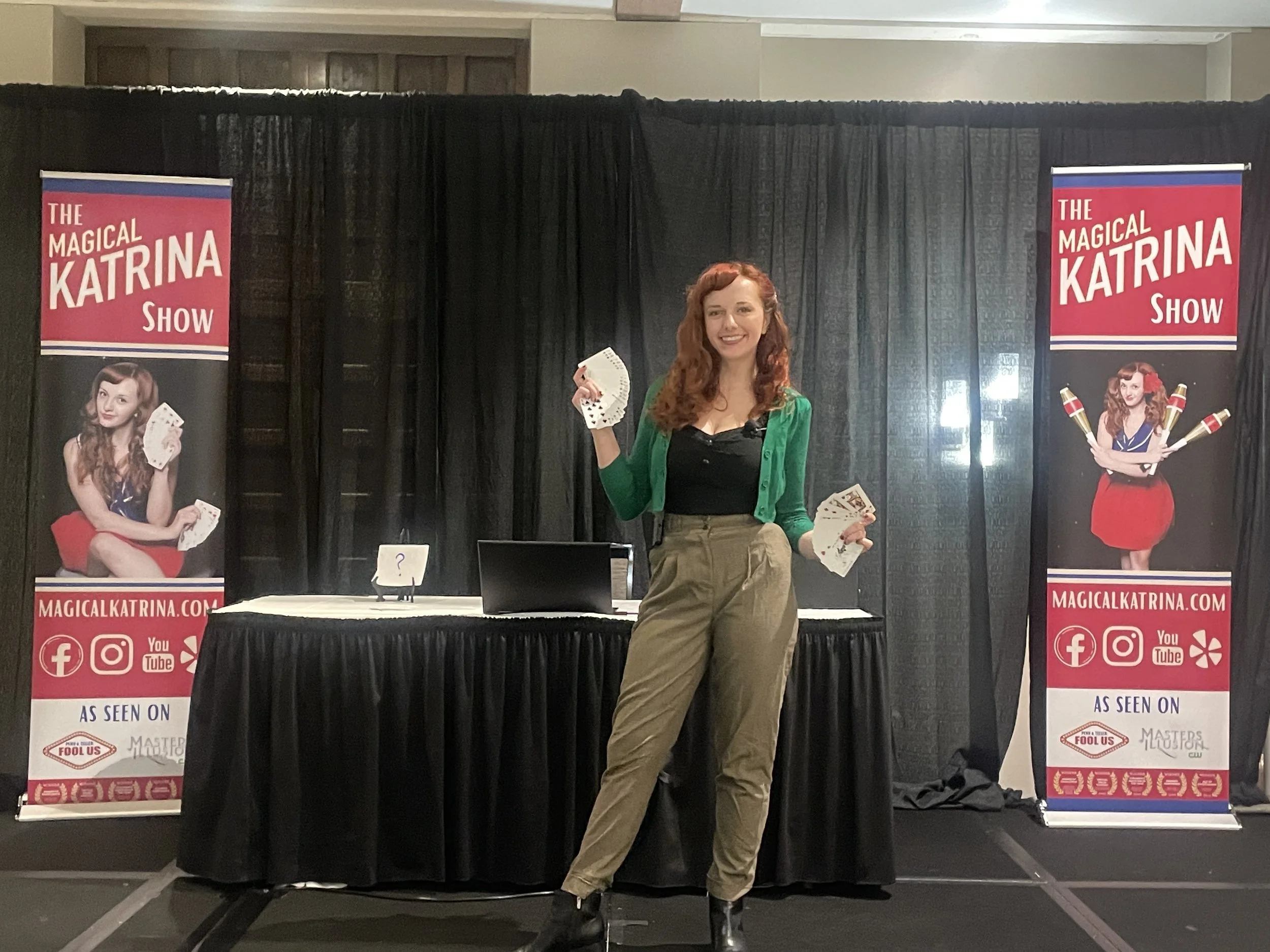
If you're considering this for a small team, here's my case. I'm a member of the Magic Circle in London and the Academy of Magical Arts in Hollywood, I've earned multiple magic awards, and I've performed for companies including Formula 1, the Olympics, Porsche, Zapier, and the Ritz Carlton, with appearances on Penn & Teller: Fool Us. My virtual material is genuinely participatory, which means at twelve people everybody takes part rather than watching, I'm happy to run something shorter for a small group, and I'll tell you honestly if your team doesn't need it.
Frequently Asked Questions
Is a team of ten too small?
No, and it's frequently the better audience. Virtual entertainment gets worse as it gets bigger, since interaction becomes impossible and the format drifts towards broadcast, whereas at eight or twelve everyone is visible, can be addressed by name, and participates rather than watching people who are participating.
What's different from a large session?
Everybody gets something. At two hundred, a handful are involved directly and everyone else observes, which is still essentially watching, whereas at twelve everyone holds something, makes a choice, and has something happen to them personally. The small group gets the better version of the thing rather than a diminished one.
What about someone who hates attention?
Tell the performer, since in a group of ten everyone is visible and a performer will naturally include everybody, which is usually good and occasionally not. A professional will include them in a way that doesn't expose them, and at this size they can manage it individually rather than hoping. It's worth a sentence when you book.
Does the cost make sense at this size?
It's priced on the performer's time rather than per head, so ten people costs what a hundred would and the per person figure looks unflattering. The right comparison is against what else you'd spend to give ten people a genuinely good hour together, which for a distributed team is a short list. If it's beyond budget, that's a straightforward answer.
Should it be shorter?
Usually, since thirty minutes suits a small group better than an hour: the interaction is dense rather than intermittent and everybody is engaged continuously. It's also cheaper, which helps. Ask about shorter formats rather than assuming standard length applies, since longer isn't better when twelve people are each getting individual attention.
When is it genuinely worth it?
For a small distributed team with strong working relationships and almost no social ones, where every interaction is a scheduled call with a purpose. An hour with no agenda and something enjoyable in it may be the only time those people are together without a task, which is valuable and hard to arrange otherwise.
When should we not bother?
If your team is close, sees each other regularly, and already has social time that works, since you'd be adding structure to something that doesn't need it. Equally if what you want is an hour where people chat, which a session with a performer is more programmed than. If your team is already fine, spend the money elsewhere.
How do I book you, and what do you need to get started?
Reach out with your date, platform, how many will join, the time zones involved, and whether you're marking anything specific. That's enough for me to check availability, suggest a length suited to a small group, and send a quote. Tell me about anyone who'd rather not be the center of attention and I'll handle it accordingly.
Small Is an Advantage Here
The assumption that virtual entertainment needs a big audience is backwards, since a Zoom magic show works better at twelve than at two hundred: everybody participates, everybody is visible, and the performer responds to individuals rather than a gallery. The real questions for a small team are whether the cost works at that size, whether a shorter format suits better, and whether your team actually lacks the social contact this provides.
If it does, and you're marking something specific rather than booking an hour for its own sake, it's an unusually good use of a small team's time.
Reach out with your numbers and what you're marking, and I'll suggest something that fits.