


When to Book a San Francisco Magician
When to Book a San Francisco Magician
"Book early" is the standard advice and it's useless on its own, because early means something different for a December corporate party than for a Tuesday in February. What you actually need is a sense of where your event sits in the local calendar and how much time that leaves you.

The Bay Area has some peaks that don't exist elsewhere, particularly around the major conference weeks that periodically take over the city. I'm Magical Katrina, an award winning magician and mentalist, and I want to set out the real booking calendar for a San Francisco magician, so you can work out how urgent your enquiry actually is.
The Conference Weeks Distort Everything
This is the genuinely local factor. When one of the large technology conferences is in town, the city fills: hotels are full, venues are booked, and an enormous number of companies run their own satellite events, dinners, and client receptions around the main program.
During those weeks, demand for a San Francisco magician spikes well beyond a normal period, because every company with a presence in town is hosting something. If your event falls in one of those weeks, treat it like December: book months ahead rather than weeks. And if your event is flexible, checking the conference calendar before fixing your date can save you a great deal of difficulty, and often money on the venue too.
December Is the Other Hard Month
The corporate holiday season compresses a year's worth of party demand into roughly four weeks, and the first three weeks of December on a Thursday or Friday are among the most contested dates of the year.
Realistically, a specific performer for a prime December date means booking in the summer. By October most established options will have their best December dates gone, and by late November you're choosing from whoever remains rather than whoever's best. If your holiday party is an annual fixture, book next year's as soon as this year's date is confirmed, which is the simplest way to avoid the scramble entirely.
Wedding Season Runs Longest
Weddings book further ahead than anything else. Couples routinely secure a San Francisco magician twelve to eighteen months out, based on their venue date, and a year ahead is entirely normal rather than cautious.
Peak season here runs roughly May through October, with September and October particularly contested since the weather is at its best, and Saturdays in those months go first. If your wedding falls in that window on a Saturday, treat entertainment as something to arrange shortly after confirming the venue rather than as a final detail. Off season and weekday weddings genuinely do have better availability, which is one of several practical arguments for them.
Gala Season Concentrates Twice
The Bay Area's benefit calendar clusters in two windows, roughly late April through June and late September through November, when arts organizations, museums, hospitals, and nonprofits hold their annual events.
Three to six months ahead is a reasonable target for a gala, and organizations running an annual event with a fixed date should book considerably further out. Since gala dates are usually set early for venue reasons, there's rarely a good excuse for leaving entertainment until the run of show is being finalized, at which point you've narrowed your options to whoever happens to be free.
Corporate Events Move Faster
Outside December, corporate bookings work on shorter timelines: often four to eight weeks for a client event, a launch, or an internal celebration, sometimes less. That's simply how corporate planning runs, and performers who do this work expect it.
The tradeoff is choice rather than availability. A San Francisco magician booked six weeks out will be available, though not necessarily the specific person you wanted, particularly if your date sits near a peak. If you have flexibility on date, ask about availability before fixing it. And if you're planning several events across a quarter, booking them together is considerably easier than approaching each as it arrives.
The Quieter Windows
Useful to know, because they're genuinely easier. January and February are the quietest months in the Bay Area for this work, with some corporate exceptions, and August is quieter as people take holidays.
If your event is flexible on timing, or you're planning something internal that could happen at any point, these windows offer better availability and often more attentive planning, since a performer with three enquiries for a December Thursday has considerably more time for a February one. Rates aside, the quality of the planning conversation is genuinely different when someone isn't juggling a peak.
Lead Times at a Glance
A rough summary to work from:
Weddings in peak season. Twelve to eighteen months, especially Saturdays.
December corporate parties. Six months, ideally booked the previous summer.
Major conference weeks. Several months, treated like December.
Galas and fundraisers. Three to six months, longer for annual fixed dates.
Corporate events outside peaks. Four to eight weeks, though earlier widens choice.
Private parties. Two to three months, more in a peak season.
Early Booking Buys Choice, Not Just Availability
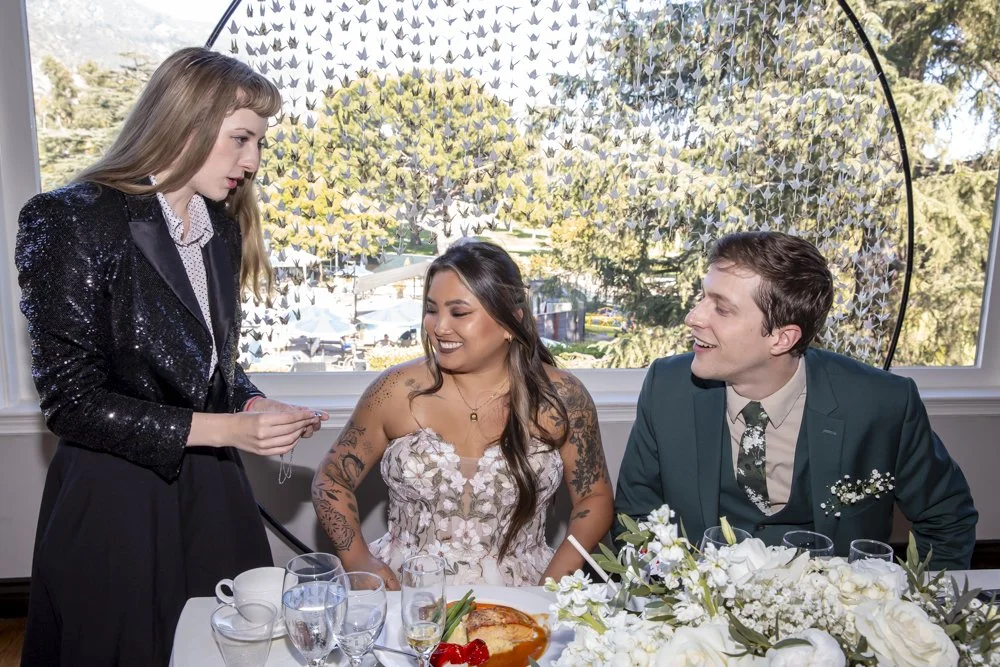
Worth understanding what you gain, because it isn't only avoiding disappointment. Booking early means choosing from everyone rather than from whoever's left, which is the difference between hiring the right San Francisco magician and hiring an available one.
It also produces a better event. A performer with three months to think about your evening will ask more questions, suggest more, and tailor more than one confirming a booking eleven days out. The difference between an early and a late booking shows up in preparation as much as in who you end up with, which is the part people don't anticipate.
If You're Already Late
None of this helps if your event is in three weeks, so practically: enquire anyway, and enquire widely rather than one at a time. Availability is genuinely unpredictable, cancellations happen, and performers sometimes have gaps in otherwise busy periods.
Be flexible where you can, since a Tuesday or an earlier start may open options a Friday evening won't. Be upfront about the timeline rather than burying it, because anyone who can't help will say so quickly and may suggest someone who can. And consider looking beyond locally based performers, since those who travel in often have different availability.
A Note on "Local vs. Traveling In"
Relatedly: performers who travel to the Bay Area work from a different calendar than those based here, so a date that's impossible locally is sometimes straightforward for someone travelling. I'm based in the Los Angeles area and travel to San Francisco and the wider Bay Area, with travel discussed openly and factored into the quote. For a contested date, widening the search geographically is one of the more effective things you can do.
Why Book Magical Katrina
If you're planning ahead, here's my case. I'm a member of the Magic Circle in London and the Academy of Magical Arts in Hollywood, I've earned multiple magic awards, and I've performed for clients including Formula 1, the Olympics, Porsche, Zapier, and the Ritz Carlton, with appearances on Penn & Teller: Fool Us and Masters of Illusion, across events in over 20 countries. I confirm availability quickly with a clear quote and written agreement, I'm fully insured with a COI available, and I travel to the Bay Area regularly, so my calendar may differ from locally based performers on a contested date.
Frequently Asked Questions
How do the big tech conferences affect availability?
Considerably, and it's the genuinely local factor. When a major technology conference is in town the city fills, and an enormous number of companies run their own satellite dinners, client receptions, and events around the main program. Demand for a San Francisco magician spikes well beyond normal, so treat those weeks like December and book months ahead. If your date is flexible, check the conference calendar before fixing it.
When should we book a December corporate party?
The summer before, realistically. The holiday season compresses a year's demand into four weeks, and the first three weeks on a Thursday or Friday are among the most contested dates of the year. By October most established performers will have their best December dates gone. For an annual fixture, book next year's as soon as this year's date is confirmed, which avoids the scramble entirely.
How far ahead do weddings need?
Twelve to eighteen months, particularly Saturdays in peak season, which runs roughly May through October with September and October most contested. Couples routinely book based on their venue date rather than treating entertainment as a final detail. Off season and weekday weddings genuinely have better availability, which is one of several practical arguments in their favor if you have any flexibility.
What about a gala or fundraiser?
Three to six months, and longer for annual events with fixed dates. The Bay Area benefit calendar clusters in two windows, roughly late April through June and late September through November. Since gala dates are usually set early for venue reasons, there's rarely a good excuse for leaving entertainment until the run of show is being finalized, when your options have narrowed to whoever is free.
When is it easiest to book?
January and February are the quietest months, with some corporate exceptions, and August is quieter as people take holidays. If your event is flexible, those windows offer better availability and often more attentive planning, since a performer with three enquiries for a December Thursday has considerably more time for a February one. The planning conversation is genuinely different outside a peak.
Our event is in three weeks. Is it hopeless?
Not necessarily. Enquire anyway and enquire widely rather than sequentially, since availability is unpredictable and cancellations happen. Be flexible where possible, as a Tuesday or an earlier start may open options a Friday won't. Be upfront about the timeline so anyone who can't help says so quickly. And consider performers who travel in, since their calendars differ from locally based ones.
How do I check your availability?
Reach out with your date, location or venue, event type, and rough guest count, and I'll confirm availability quickly and send a clear quote. If the date is taken I'll say so immediately rather than leaving you waiting, and if I think a different timing or format would serve your event better I'll mention it. A deposit secures the date once you're happy with the quote.
Work Out Which Window You're In
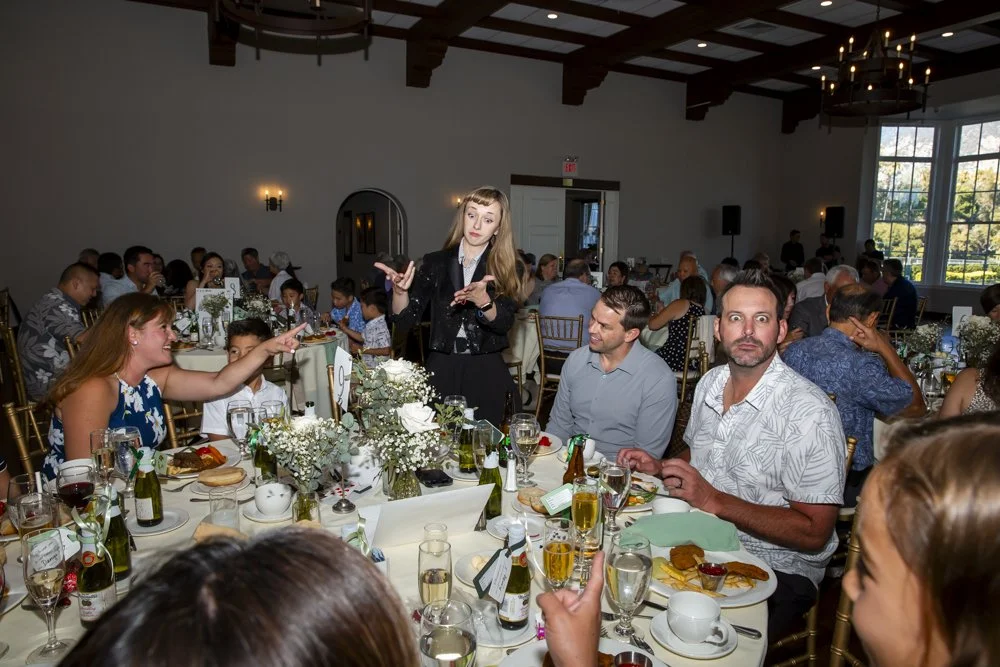
The useful version of "book early" is knowing your own calendar. A Saturday wedding in September, a party during a major conference week, and an internal event in February are entirely different problems, and treating them the same is how people end up disappointed. Identify which window your event falls into, aim for the matching lead time, and remember that booking early buys you choice and preparation rather than simply avoiding a scramble.
Whenever your event is, I'd be glad to check availability.
Reach out with your date and details, and let's see what's possible.