


Fun Conference Ideas to Beat the Afternoon Slump
Fun Conference Ideas to Beat the Afternoon Slump
Every conference organiser knows the moment. It's two fifteen, the room has eaten, the speaker is good, and roughly a third of the audience has quietly gone. Phones are out, laptops are open on other things, and the people who look most attentive have simply developed better posture about it.
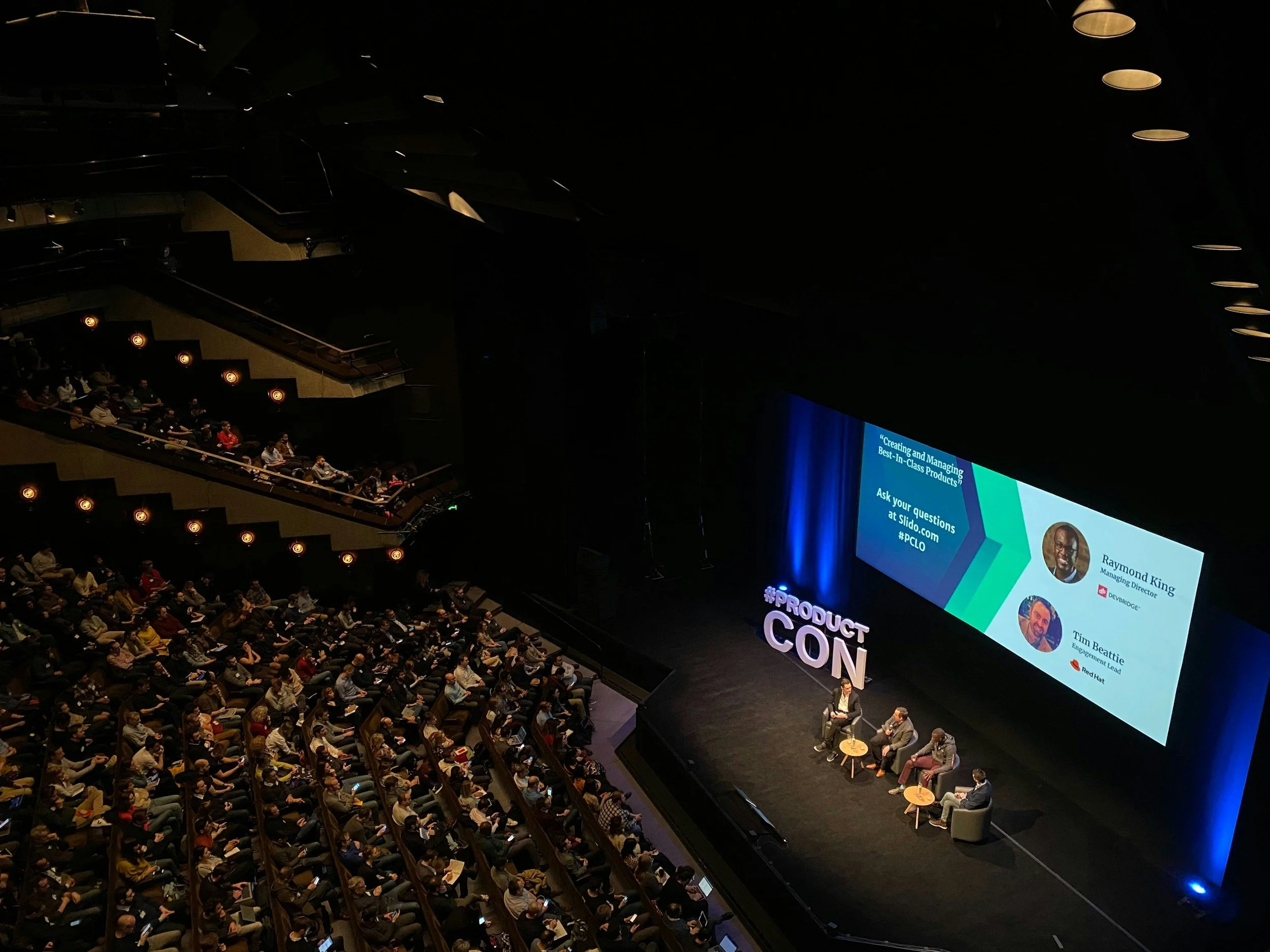
This is usually treated as inevitable, or as a scheduling problem to be worked around. It's actually a design problem, and it's fixable. I'm Magical Katrina, an award winning magician and mentalist who works conferences, and I want to offer fun conference ideas aimed specifically at the parts of the day where you lose the room.
Understand What's Actually Happening
Attention doesn't decline steadily, it collapses at predictable points: after lunch, in the last session before the day ends, and across day two of a multi day program. Delegates have been sitting, listening, and being sociable since breakfast, which is genuinely tiring even when they're enjoying it.
That matters because content delivered into a depleted room may as well not have been delivered. So the most valuable fun conference ideas aren't about adding fun for its own sake, they're about protecting the value of the sessions you've spent months arranging. Framed that way, programming variety is an efficiency measure rather than an indulgence, which is also how it should be presented to whoever controls the budget.
Shorten the Sessions
The simplest intervention and the one organizers most resist, because speakers want their full slot and the agenda is already agreed.
But a forty minute session that people are present for beats a sixty minute session where the last twenty are lost, and delegates consistently rate shorter sessions higher. Among fun conference ideas that cost nothing, cutting session length and building the recovered minutes into breaks is the single highest return change available. If you can't shorten everything, shorten the post lunch slot specifically, since that's where the loss is steepest.
Vary the Format, Not Just the Topic
A common mistake is assuming variety means different subjects. From the delegate's chair, six presentations on six subjects is still six presentations.
Genuine variety means changing what people are doing: a panel after a keynote, a workshop after a panel, small group discussion after a plenary, something interactive after something passive. Among fun conference ideas, alternating the mode of engagement does more for attention than alternating the content, because the fatigue is about sitting and receiving rather than about the specific information. Look at your agenda and mark what delegates are physically doing in each block. If it's identical throughout, that's your problem.
Make Breaks Genuinely Restorative
Most conference breaks are fifteen minutes, which is enough time to queue for coffee and check email and not enough to recover from anything.
Longer breaks feel wasteful on paper and are consistently the thing delegates value most, because they permit an actual conversation, a walk outside, or genuine rest. Among fun conference ideas, extending breaks and reducing session count is counterintuitive but effective. Consider also what your breaks contain: standing in a corridor holding a cup is not restorative, whereas somewhere to sit, daylight, or something to look at makes a real difference to who comes back alert.
Watch What You're Feeding People
Unglamorous and directly relevant. A heavy lunch is the single most reliable predictor of a difficult afternoon, and conference catering defaults to exactly that.
Lighter options, plenty of water, and avoiding a long seated lunch that runs straight into a plenary all measurably affect the two fifteen problem. Among fun conference ideas, this isn't fun at all, but it's the cheapest fix available and it works. If your budget allows one change, moving from a heavy seated lunch to something lighter and more mobile will do more for your afternoon than a better speaker in the slot.
Energizers Without the Cringe
Many organizers know they need something in the afternoon and reach for an energizer, then discover that asking professional adults to stand up and do stretches produces visible resentment.
The problem isn't the goal, it's the imposition. Anything requiring delegates to perform on command, physically or socially, is resisted by exactly the people whose attention you're trying to recover. The fun conference ideas that work in this slot are things delegates receive rather than perform: something to watch that genuinely engages them, something surprising, or something that changes the register of the room without asking anything of the individuals in it.

Where Entertainment Fits
Since it's my area, specifically. A performance placed after a content heavy block does something a break alone doesn't: it changes what the room is doing, produces genuine reaction, and resets attention rather than merely pausing it.
Close up magic works particularly well in this slot because it can move through a room during a break or a refreshment period without requiring a stage, a slot, or delegates to be reassembled. A stage set works if you have a plenary and want a defined reset. Either way, among fun conference ideas for the afternoon, something that produces an involuntary reaction is more effective than something that asks for a voluntary one.
Fix the Last Session
The other predictable loss point, and one organizers frequently ignore. The final session of a day competes with people wanting to leave, check into hotels, or make calls, and the final session of a conference competes with trains and flights.
Two options work: schedule something genuinely worth staying for and promote it, or accept the reality and end earlier than you'd like. What doesn't work is putting important content in the closing slot and hoping. Among fun conference ideas, closing with something enjoyable is a legitimate strategy, since it means delegates leave on a good impression rather than drifting out during a summary.
Judge It by Who's Still There
A practical measure to take away. Rather than assessing your program by feedback forms, which are completed by the people who stayed, count the room at two fifteen on day one and again at the same point on day two.
That number tells you more about your agenda design than any survey. If it drops significantly, the problem is structural rather than a matter of speaker quality, and the fun conference ideas above are aimed at it. Organizers who track this tend to make different scheduling decisions the following year, usually shorter sessions, longer breaks, and something in the afternoon that isn't another person talking.
Frequently Asked Questions
Why does attention collapse after lunch?
Because delegates have been sitting, listening, and being sociable since breakfast, which is genuinely tiring even when enjoyable, and a heavy lunch compounds it considerably. Attention doesn't decline steadily, it collapses at predictable points: after lunch, in the last session of the day, and across day two. The most useful fun conference ideas target those specific points rather than adding fun generally.
What's the highest return change we can make?
Shortening sessions and building the recovered time into breaks. A forty minute session people are present for beats a sixty minute one where the last twenty are lost, and delegates consistently rate shorter sessions higher. It costs nothing. If you can't shorten everything, shorten the post lunch slot specifically, since that's where the loss is steepest and most predictable.
Do energizers work?
Rarely, because they ask professional adults to perform on command, which produces visible resentment from exactly the people whose attention you want back. The goal is right but the imposition is wrong. Among fun conference ideas for the afternoon, things delegates receive rather than perform work far better: something to watch that genuinely engages them, or something surprising that changes the register without asking anything of individuals.
Does the catering really matter?
More than most organizers acknowledge. A heavy lunch is the single most reliable predictor of a difficult afternoon, and conference catering defaults to exactly that. Lighter options, plenty of water, and avoiding a long seated lunch running straight into a plenary all measurably affect the problem. If your budget allows one change, this will do more for your afternoon than a better speaker in the slot.
Where does entertainment fit in the agenda?
After a content heavy block, where it changes what the room is doing rather than merely pausing it. Close up magic suits this because it moves through a room during a break or refreshment period without needing a stage, a slot, or delegates to be reassembled, while a stage set works if you have a plenary and want a defined reset. Something producing an involuntary reaction beats something requesting a voluntary one.
How do we know if our agenda is working?
Count the room at two fifteen on day one and at the same point on day two, rather than relying on feedback forms completed by the people who stayed. That number tells you more about your agenda design than any survey, and if it drops significantly the problem is structural rather than about speaker quality. Organizers who track it tend to shorten sessions and lengthen breaks the following year.
How do I book you for a conference?
Reach out with your dates, venue, delegate numbers, and an outline of your agenda, particularly where the difficult slots are. That's enough for me to check availability, suggest a placement, and send a quote. I need no stage, power, or setup for close up work, so there's nothing to add to your production plan, and I'm used to fitting around a program that's already fixed.

Design for the Room You'll Actually Have
Conference agendas are built optimistically, assuming a room as attentive at half past two on day two as it was at nine on day one. It won't be, and no speaker can compensate for that. The most useful fun conference ideas accept it and design around it: shorter sessions, genuinely restorative breaks, varied formats, lighter catering, and something in the difficult slots that delegates receive rather than perform.
If you'd like something that resets a flagging room without asking anything of it, I'd be glad to hear what you're planning.
Reach out with your agenda, and let's look at where the difficult slots are.