


Corporate Magician Los Angeles for Team Building Sessions
Corporate Magician Los Angeles for Team Building Sessions
Team building has a reputation problem, and it's deserved. Most of what gets booked under that heading is an activity that occupies ninety minutes, produces a photograph, and teaches nothing anybody carries back to their work. Your team is polite about it and nobody mentions it again.

There's a version that works considerably better, and it isn't an activity. I'm Magical Katrina, an award winning magician and mentalist, and I want to set out what a corporate magician Los Angeles booking does in a team building slot, and why it's a different proposition from entertainment at a party.
Entertainment and Team Building Are Different Bookings
Start with the distinction, since the words get used interchangeably. Entertainment at an evening event is there so people enjoy themselves, and that's a legitimate and complete purpose.
A team building session has a different job: the group should leave having had a shared experience that changes something about how they work together, or at minimum having talked to colleagues they don't normally talk to. That means the session has to be built differently, and it means asking a performer what the session is actually for rather than booking the same hour you'd book for a Christmas party.
The Activity Isn't the Problem, the Sorting Is
Worth locating accurately. The reason most team building fails isn't that the activity is bad, it's that groups sort themselves into the people they already know and spend the session reinforcing exactly the relationships that didn't need work.
Anything that doesn't actively mix the room has achieved nothing beyond a change of scene. What you want is a session where the engineer who never speaks to anybody in operations ends up in a conversation with them, and that has to be designed rather than hoped for. It's the single question worth asking about any team building booking.
Nobody Should Have to Perform
The constraint that rules out a great deal of what's on the market. Improvisation workshops, karaoke, and anything requiring people to be funny in front of colleagues is enjoyable for the confident third of your team and quietly unpleasant for everybody else.
The quiet senior engineer who dreads it isn't being difficult, and a session that makes a third of your people uncomfortable has damaged something rather than built it. Magic has the useful property that the audience experiences it together without anybody being required to expose themselves, which for a mixed group is a considerable advantage over most of the alternatives.
Mentalism Opens a Real Conversation
Why this works as more than an hour of fun. I work in both magic and mentalism, and the mentalism connects directly to things teams genuinely care about: how people read each other, how assumptions form, how suggestion works, and how confidently we believe things that turn out to be wrong.
That gives a facilitator or a leader something to build on afterwards. A session that leaves a group talking about how easily they were all certain about something incorrect is more useful to a team than one that leaves them talking about who won. If you want the hour to connect to the rest of your away day, that's the thread to pull.
It Can Be the Thing That Makes the Day Human
Practically the most common use. A team away day is mostly content: strategy, planning, roadmaps, and breakout groups, and by the afternoon the room is flagging badly.
Something in the middle or at the end resets the group, and a reset is worth more than an additional session. A room that has laughed together works better in the final hour than a room that has been in content since nine. If you're designing a day, the question isn't whether you can afford an hour for this, it's whether the last two hours are any good without it.
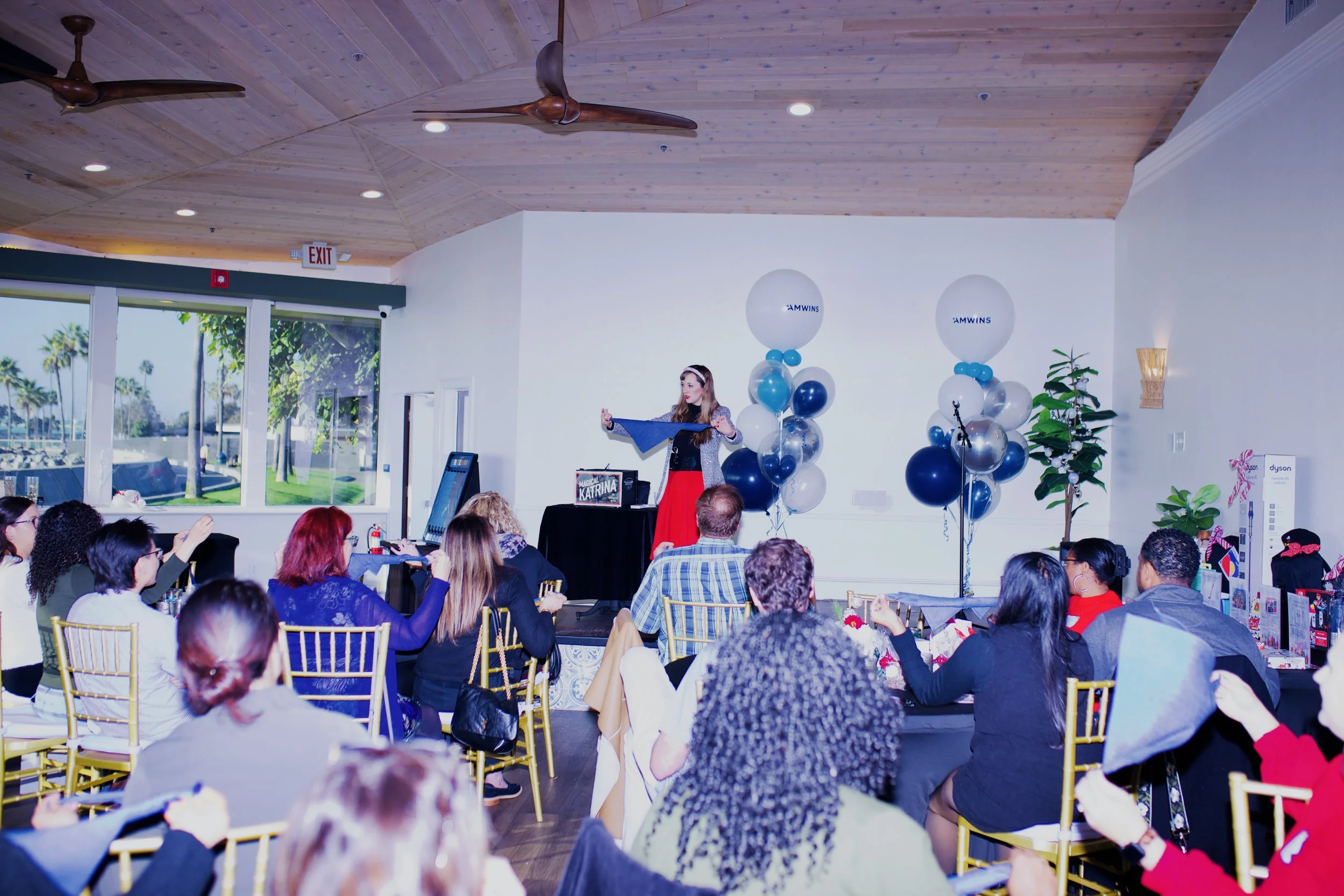
Mixed Seniority Needs Something That Crosses It
Worth planning for, since away days frequently include everybody. A session with a director, three managers, and ten individual contributors has a visible hierarchy, and most team building asks people to be playful in front of the person who writes their review.
That's a real constraint and it's why activities frequently fall flat with mixed groups. Magic needs no vulnerability from anybody, and the reaction is the same regardless of job title, which means for an hour everybody in the room is in exactly the same position. For a group with a hierarchy in it, that's unusually valuable.
It Works Where You Actually Are
Practically useful for LA teams. Away days happen in offices with the furniture rearranged, in hotel meeting rooms, in rented creative spaces, and on patios, and most of those have no stage, no sound worth using, and a tight schedule with a room booked by somebody else at four.
Close up work needs no stage, power, or setup, happens in the room as it is, and finishes exactly when you need the space back. For an away day where the agenda is already full and the room has to revert, entertainment with no load in is the practical choice.
Be Clear What You Want From the Hour
Worth settling before you book, since it changes what gets delivered. An hour designed to mix a room is different from an hour designed to reward a team, which is different again from an hour designed to feed a discussion about assumptions and perception.
Tell whoever you're booking which of those you want and why the day is happening, since a performer given that information builds a different session than one handed a time slot. The bookings that disappoint are nearly always the ones where nobody said what the hour was for.
Why Book Magical Katrina
If you're designing an away day, here's my case. I'm a member of the Magic Circle in London and the Academy of Magical Arts in Hollywood, I've earned multiple magic awards, and I've performed for clients including Formula 1, the Olympics, Porsche, Prada, Zapier, and the Ritz Carlton, with appearances on Penn & Teller: Fool Us and Masters of Illusion. I work magic and mentalism so the session can connect to perception and assumption rather than just being an hour of fun, nothing in it requires anybody to perform or expose themselves, I'm based in the LA area with no travel costs in your quote, and I need no stage, power, or setup so your meeting room works as it is.
Frequently Asked Questions
How is this different from booking entertainment?
Entertainment exists so people enjoy themselves, which is a complete purpose, whereas a team building session should leave the group having had a shared experience that changes something or at least having talked to colleagues they don't normally talk to. That requires a differently built hour, so say which you want.
Why does most team building fail?
Because groups sort themselves into the people they already know and spend the session reinforcing relationships that didn't need work. Anything that doesn't actively mix the room has achieved a change of scene, so the question worth asking is how the session gets the engineer talking to operations.
Will anybody be made to perform?
No, and that matters more than it sounds. Improvisation workshops and anything requiring people to be funny in front of colleagues works for the confident third and is quietly unpleasant for everybody else, whereas magic lets the group share an experience without anybody exposing themselves.
Can it connect to a real discussion?
Yes, through the mentalism, which touches how people read each other, how assumptions form, and how confidently we believe things that turn out to be wrong. A group talking afterwards about how easily they were all certain about something incorrect is more useful than one talking about who won.
Where should it sit in an away day?
In the middle or at the end, since a day that's mostly content has a room flagging badly by the afternoon and a reset is worth more than an additional session. The question isn't whether you can afford the hour, it's whether your last two hours are any good without it.
We have mixed seniority. Does that work?
Particularly well, since most team building asks people to be playful in front of whoever writes their review. Magic needs no vulnerability from anybody and the reaction is identical regardless of job title, so for an hour everybody in the room is in the same position.
Will it work in our meeting room?
Yes, since close up work needs no stage, power, or setup, happens in the room as it is, and finishes when you need the space back. That suits an away day with a full agenda in a room somebody else has booked at four.
What should we tell you when booking?
What the hour is for and why the day is happening, since an hour designed to mix a room differs from one designed to reward a team or to feed a discussion about perception. The bookings that disappoint are the ones where nobody said what the hour was meant to achieve.
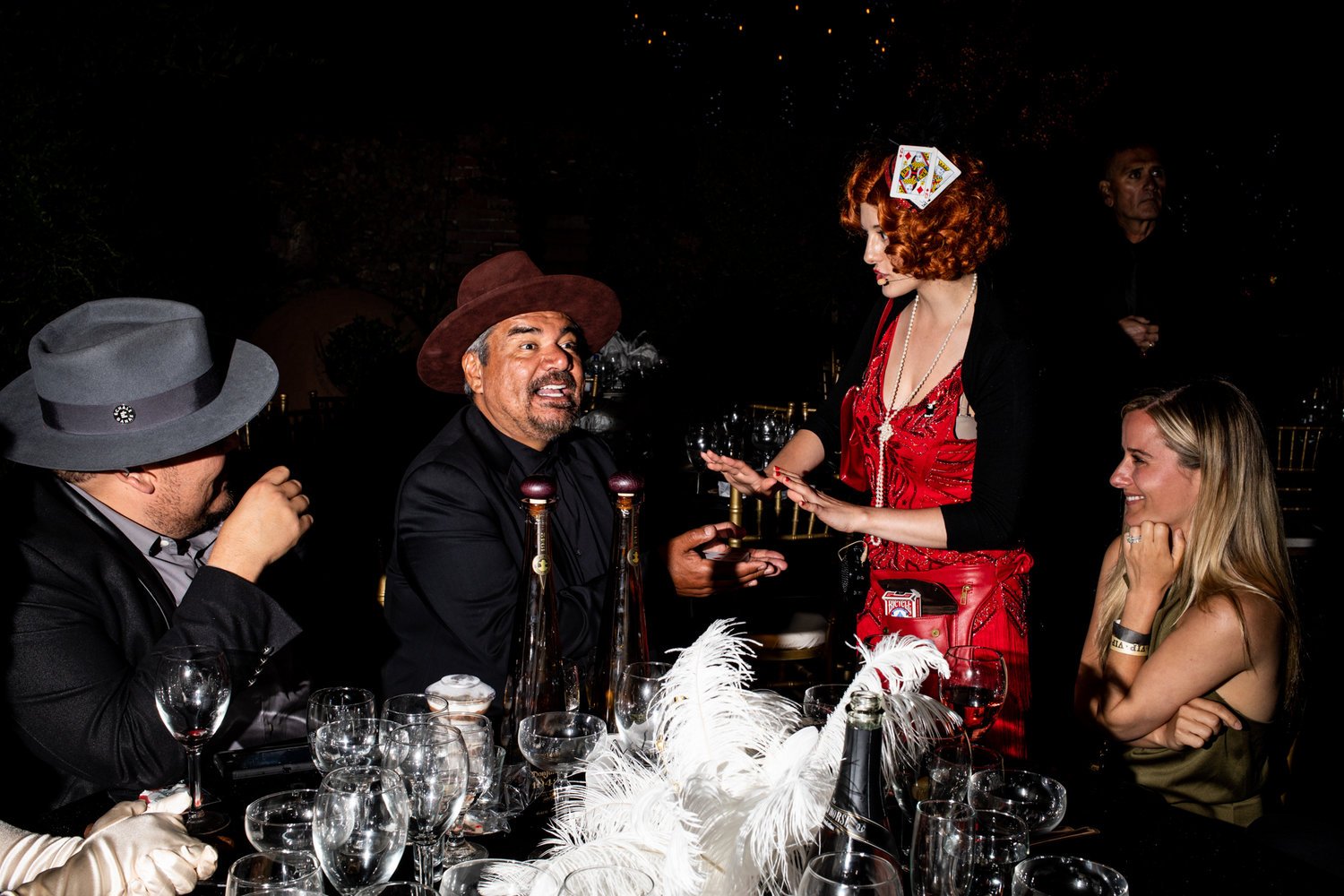
Design the Hour Around What You Need
Team building earns its reputation when it's an activity booked to fill an afternoon. It works when the hour is designed: to mix a room that sorts itself, to reset a group that's been in content since nine, or to open a conversation about how confidently people believe things that aren't so.
A corporate magician Los Angeles booking does all three without asking anybody to perform, works in the room you've already got, and crosses a hierarchy that most activities quietly struggle with. Tell whoever you book what the hour is for, and you'll get a considerably better one.
Reach out with your date and what you want the session to do, and I'll tell you how I'd build it.