


Fun Conference Ideas for Delegates Who Came Alone
Fun Conference Ideas for Delegates Who Came Alone
A meaningful proportion of any conference audience arrived on their own. They were sent by their employer, they're the only person from their organization, and they will spend two days surrounded by people who appear to already know each other.
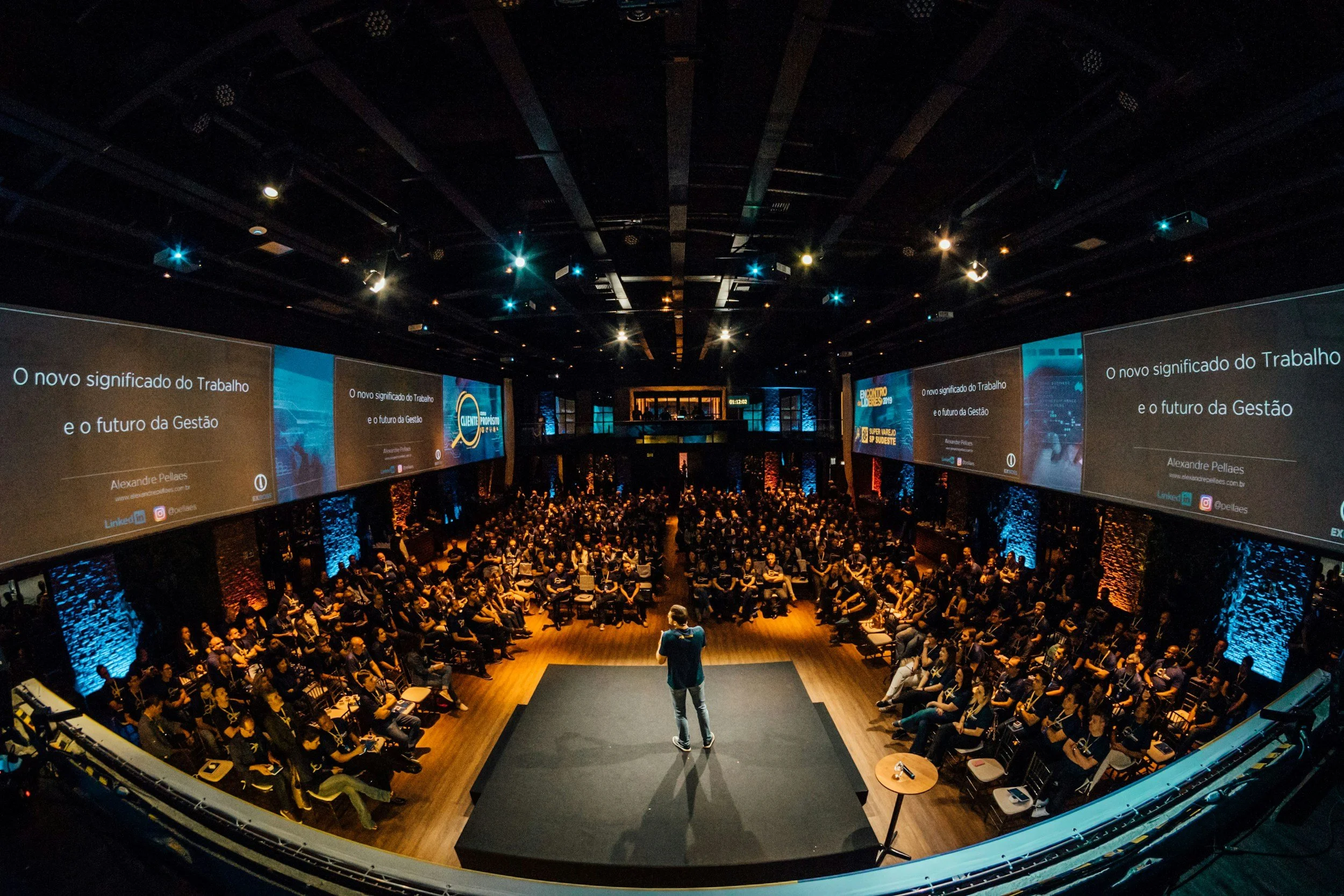
That delegate's experience decides your satisfaction scores and whether they come back, and most programming is designed as though everybody arrived with colleagues. I'm Magical Katrina, an award winning magician and mentalist, and I want to offer fun conference ideas aimed specifically at the person who came alone.
The Solo Delegate Is Your Hardest Audience
Start with the honest picture. Somebody attending alone has no group to sit with, nobody to debrief a session with, and no natural cover during the breaks, which is when a conference is least comfortable to attend by yourself.
They also have the least ability to rescue a bad experience. A group of four colleagues can enjoy a mediocre conference by enjoying each other, whereas somebody alone experiences exactly what you programmed and nothing else. If you want to know whether your event is actually good, that delegate's view is the one that tells you.
The Breaks Are Where It Goes Wrong
The specific moment worth designing for. Sessions are fine when you're alone, because everybody faces forward and nobody notices. The coffee break is where it becomes visible, and so is lunch, and so is the reception on the first evening.
Twenty minutes holding a cup and looking at your phone is the standard solo delegate experience, and it happens four or five times a day. That's a considerable proportion of their conference, and improving those windows does more for their experience than another keynote would.
Networking Sessions Help the Wrong People
Worth being honest about. Structured networking usually benefits delegates who were going to network anyway, since confident attendees work a room regardless and the formal session simply gives them a venue.
The person who came alone and finds this difficult is frequently the person least served by an instruction to go and network. What they need isn't a designated hour, it's a reason that a conversation might start without them having to initiate it, which is a different design problem and a more solvable one.
Something Happening Gives People a Way In
Why this works mechanically rather than vaguely. The hardest part of talking to a stranger is the first sentence, and a solo delegate standing in a break has nothing available except the weather and the venue.
Something happening in the room removes that problem entirely, because two people who just watched the same thing have an obvious opening and neither of them had to be brave. That's the whole mechanism, and it's why a performer moving through a coffee break does more for solo delegates than a networking app, a name badge color system, or an instruction from the stage.
Nobody Should Have to Volunteer
Worth insisting on, since the wrong format makes this worse. Programming that requires attendees to put themselves forward, join a group exercise, or speak in front of a room is precisely what a solo delegate is already anxious about.
The useful version asks nothing of anybody. Somebody can be entirely part of what's happening while standing at the edge of a group and saying nothing, and then find they're in a conversation a minute later because somebody turned to them. That's the shape to aim for, and it's the opposite of an icebreaker.
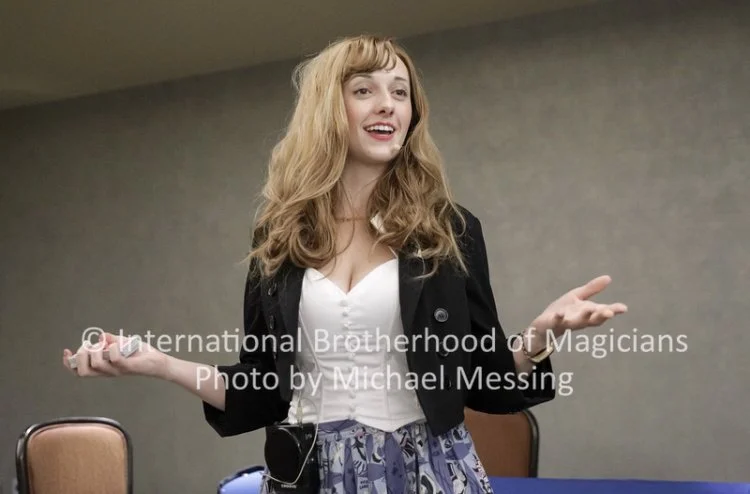
Say Something From the Stage, Early
Practically useful and costs nothing. A chair acknowledging on the first morning that plenty of people are here on their own, and that they should feel free to join any table or conversation, measurably changes behavior.
It gives explicit permission to the person who was worried about intruding, and it tells the delegates who came with colleagues that they should make room. Thirty seconds of acknowledgement from the stage is the cheapest intervention available and almost nobody does it.
The First Evening Decides Their Conference
Worth concentrating your effort on. A solo delegate who met two people on the first evening has a completely different second day: they have somebody to sit with, somebody to compare sessions with, and a reason to come back next year.
One who met nobody on the first evening frequently skips the second evening, leaves early, and rates the event poorly. That makes the opening reception the single highest value slot in your program for this audience, and it's usually the one with the least programming in it.
Seated Meals Are Better Than Standing Ones For This
Worth considering when you plan the catering format. A standing lunch is comfortable for groups and genuinely difficult alone, since there's nowhere to settle and no conversation you're obviously part of.
Seated tables with open seating force a gentle kind of introduction that standing never does. If your budget only allows one properly seated meal across the event, put it on the first day rather than the last, since that's when it changes the rest of somebody's conference rather than ending it.
Why Book Magical Katrina
If you're designing for solo delegates, here's my case. I'm a member of the Magic Circle in London and the Academy of Magical Arts in Hollywood, I've earned multiple magic awards, and I've performed for clients including Formula 1, the Olympics, Porsche, Prada, Zapier, and the Ritz Carlton, with appearances on Penn & Teller: Fool Us and Masters of Illusion. I work breaks and receptions rather than requiring a stage slot, nobody has to volunteer or speak to be part of it, I need no setup so I can work a coffee break in a foyer, and I'll deliberately approach the people standing on their own.
Frequently Asked Questions
How many delegates attend alone?
A meaningful proportion at almost every conference, since plenty of people are sent as the only attendee from their organization. They're also your hardest audience, because a group of colleagues can enjoy a mediocre event by enjoying each other while somebody alone experiences only what you programmed.
Which part of the day is hardest?
The breaks, since sessions are fine when everybody faces forward and nobody notices. Twenty minutes holding a cup and looking at a phone is the standard solo experience and it happens four or five times a day, so improving those windows does more than another keynote.
Don't networking sessions solve this?
Not for the people who need it most, since structured networking mainly benefits delegates who were going to network anyway. Somebody who finds it difficult needs a reason a conversation might start without them initiating it, which is a different and more solvable problem.
Why does entertainment help specifically?
Because the hardest part of talking to a stranger is the first sentence, and two people who just watched the same thing have an obvious opening without either having to be brave. That's why a performer in a coffee break does more than a networking app or a badge color system.
Won't that put shy delegates on the spot?
Not if the format is right. Programming that requires volunteering or speaking in front of a room is exactly what a solo delegate dreads, whereas the useful version lets somebody be entirely part of it while standing at the edge saying nothing.
Is there anything free we can do?
Yes, and almost nobody does it. A chair acknowledging on the first morning that plenty of people are here alone and should feel free to join any table gives explicit permission to the person worried about intruding and tells everyone else to make room.
Which slot matters most?
The first evening reception, since a delegate who met two people on day one has somebody to sit with, somebody to compare sessions with, and a reason to return. One who met nobody frequently skips the second evening, leaves early, and rates the event poorly.
Does the catering format matter?
Considerably. Standing lunches are comfortable for groups and difficult alone, while seated tables with open seating produce a gentle introduction. If you can only afford one properly seated meal, put it on the first day rather than the last.
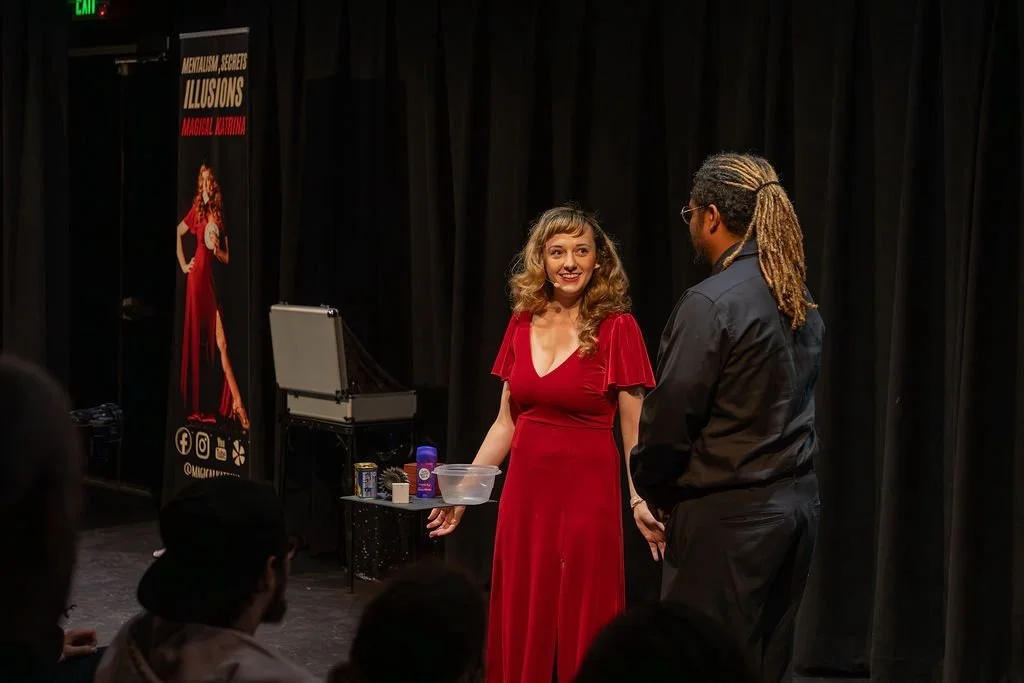
Design for the Person Standing Alone
The most useful fun conference ideas for solo delegates aren't additional content, they're changes to the windows where attending alone is uncomfortable. Program the breaks and the first evening rather than the sessions, choose formats that ask nobody to volunteer, seat your first meal, and have your chair say out loud on the first morning that coming alone is normal.
Get that right and the delegate who arrived knowing nobody leaves having met people, which is the difference between a conference they tolerated and one they register for again.
Reach out with your dates and program, and I'll tell you which windows I'd work.