


San Francisco Magician for January Healthcare and Biotech Week
San Francisco Magician for January Healthcare and Biotech Week
For one week every January, San Francisco fills with the healthcare and life sciences industry. The main investor conference is the reason everybody flies in, but the actual business happens across hundreds of satellite events: hotel suite receptions, restaurant buyouts near Union Square, breakfast meetings, and investor dinners scheduled back to back from seven in the morning.
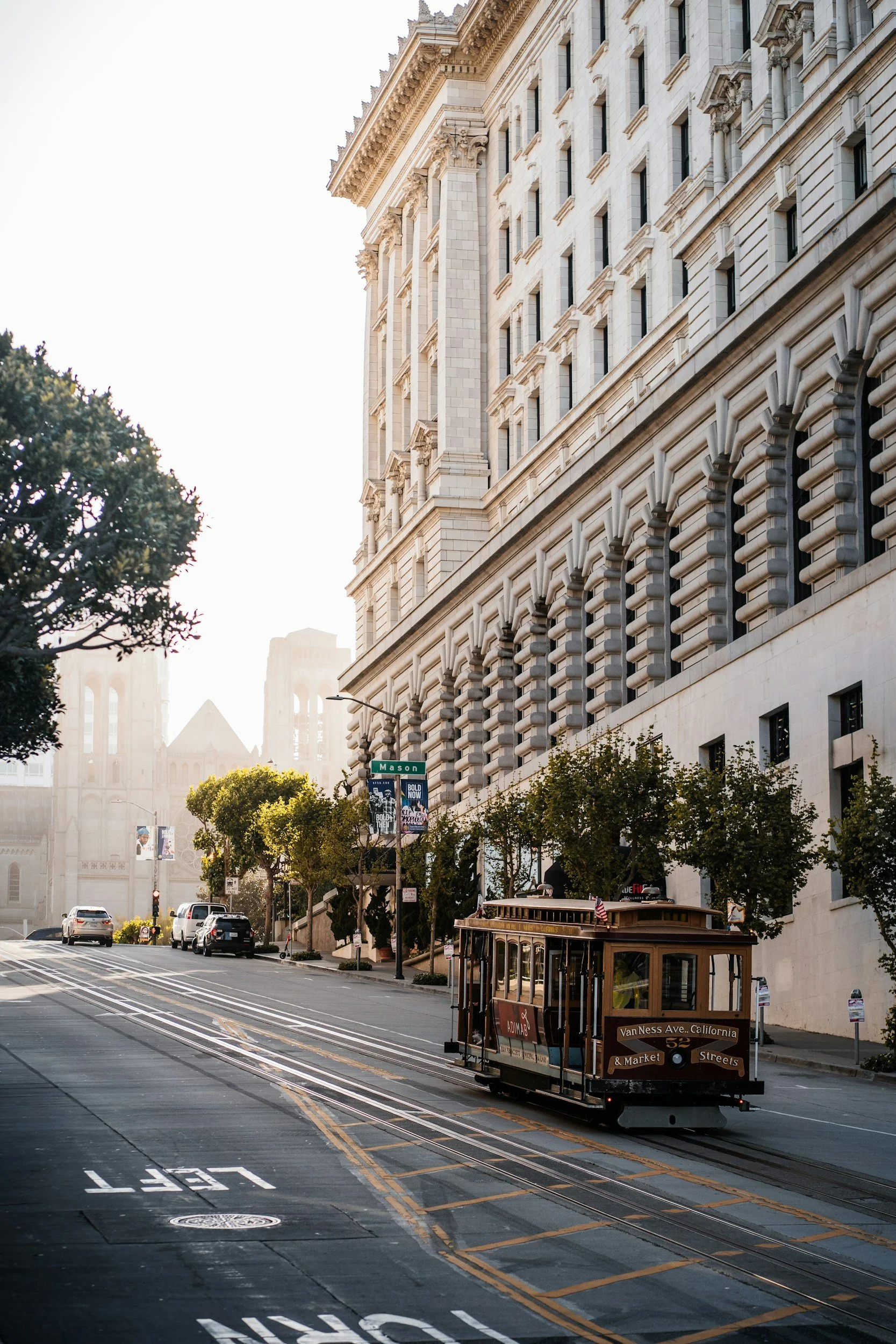
Hosting one of those well is genuinely difficult, and most of the difficulty isn't the program. I'm Magical Katrina, an award winning magician and mentalist, and I want to set out what a San Francisco magician booking does during that week, and what the week itself demands.
Your Guests Are at Four Events That Day
Start with the governing reality. An executive attending that week has breakfast with one company, meetings all morning, a lunch, two receptions in the early evening, and a dinner, and they will leave at least two of those early.
That changes the objective entirely. You're not competing for their interest against nothing, you're competing against the reception they're going to next, and the measure of a successful evening is how many people stayed past the point they'd planned to leave. Anything that makes your room the one they didn't rush away from is doing the actual work.
Everything Is Booked, Including the Performers
The practical warning, and it applies months ahead. Hotel suites, private dining rooms, and restaurants near Moscone and Union Square are committed early, frequently by the previous summer, and the same is true of anybody good you might want to book.
If you're planning a January event, the time to arrange it is well before Christmas, and ideally in the autumn. Leaving it until the first week of January means taking whatever remains, which in that particular week is not much. This is the single most contested week in the San Francisco calendar and it rewards planning further ahead than feels reasonable.
Suites Are the Real Venue
Worth knowing for format. A great many of these events happen in hotel suites and private dining rooms rather than event spaces, because that's what's available and because the right size is thirty people rather than three hundred.
A suite has no stage, no sound system, limited power, and furniture arranged for sleeping in. Close up magic needs none of it and works in the room exactly as it is, which is why it suits this week's venues particularly. For a reception in a suite on the fourteenth floor, entertainment with nothing to carry in and nothing to install is the only practical option.
Thirty People Is the Right Size and the Harder Room
Worth planning for honestly. These events are small by design, because the point is that your team talks properly to a specific list of people rather than that a large room is impressed.
At thirty attendees a performer reaches everybody with real time at each group, which is a better experience than the same booking at a large reception. It also raises the standard considerably, since every person in the room matters to you and there's no crowd for anything mediocre to hide in. Small rooms are the best use of this format and the least forgiving.
The Conversations Are the Entire Purpose
Worth keeping central. Your guests are investors, potential partners, analysts, and executives, and the reason for the evening is that specific conversations happen.
Anything that stops the room competes with that. Strolling magic during the reception supports it instead, since it gives people a shared thing to react to and makes the next conversation easier to start, which matters enormously in a room where half the attendees are meeting for the first time. A scheduled performance in a thirty person suite reception is almost always a mistake.
Discretion Matters More Here Than Almost Anywhere
Worth asking about directly. Conversations that week concern unannounced data, financing, partnership discussions, and things that move share prices, and an attendee may not want it known publicly which company's dinner they attended.
A performer working these rooms reads a closed conversation and leaves it alone, doesn't approach a group that's clearly mid business, and doesn't photograph the room or post about the evening. For a publicly traded company or a business in a financing process, that isn't a nicety. Ask the question before you book anybody.
The Room Needs Mixing, Not Just Filling
The problem worth solving. A satellite reception brings your team, a list of guests who mostly don't know each other, and a scattering of people who flew in alone and arrived early because their previous meeting finished.
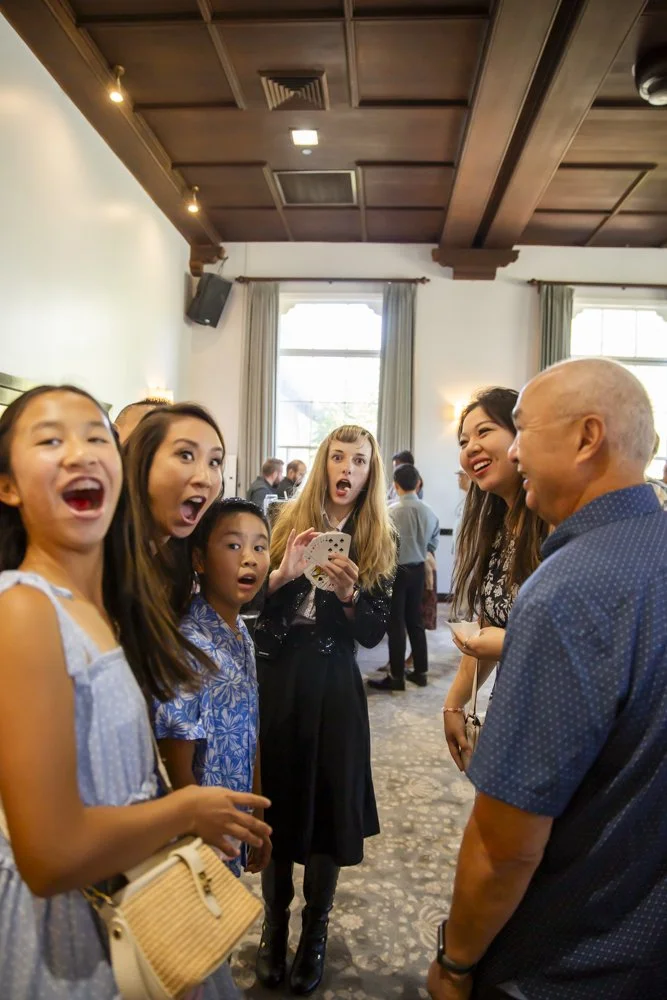
Without something to focus on, that room divides into your own people talking to each other and guests standing in twos. Something moving through the space breaks that up, which is the difference between an evening where your team spoke to eight guests properly and one where they spoke to three and felt the evening was fine.
Build for Staggered Arrivals
Practically important that week more than most. Meetings overrun, the walk from Moscone takes longer than anybody plans, and guests arrive across ninety minutes because they came from another reception they left early.
Something that starts with whoever is present and continues as the room changes suits that, so the guests who arrived at six get a proper evening rather than standing with your team until the room fills. Nothing should be scheduled for a precise moment during that week, because a third of your list will be elsewhere when it happens.
A Note on "Local vs. Traveling In"
Worth knowing: I'm based in the Los Angeles area and travel to San Francisco regularly for corporate and investor events. Travel is discussed openly and factored into the quote rather than being your problem to arrange. For that January week specifically, I'd encourage asking early, since it books out further ahead than any other week in the Bay Area calendar.
Why Book Magical Katrina
If you're hosting that week, here's my case. I'm a member of the Magic Circle in London and the Academy of Magical Arts in Hollywood, I've earned multiple magic awards, and I've performed for clients including Formula 1, the Olympics, Porsche, Prada, Zapier, and the Ritz Carlton, with appearances on Penn & Teller: Fool Us and Masters of Illusion. I work investor and corporate rooms constantly, I read a closed conversation and leave it alone, I need no stage, power, or sound so a hotel suite works exactly as it is, and I start with the first arrivals rather than waiting for a full room.
Frequently Asked Questions
What's the real objective for a satellite event?
Keeping people past the point they'd planned to leave, since your guests are attending four events that day and will leave at least two early. You're competing against the reception they're going to next rather than against nothing.
How far ahead should we book?
Before Christmas, and ideally in the autumn, since suites, private dining rooms, and restaurants near Moscone go early and so does anybody good you'd want to book. Leaving it to the first week of January means taking what remains, which in that week is not much.
Will this work in a hotel suite?
Yes, and suites are the most common venue for these events. Close up magic needs no stage, sound, or power and works in the room exactly as it is, which matters when the furniture is arranged for sleeping in and you're on the fourteenth floor.
Our event is only thirty people. Is that too small?
It's the right size and the harder room. A performer reaches everybody properly with real time at each group, which is better than the same booking at a large reception, and it raises the standard because every person matters to you and nothing mediocre can hide.
Won't it interrupt the business conversations?
Not in the right format. Strolling supports them by giving people a shared thing to react to, which makes the next conversation easier in a room where half the guests are meeting for the first time, whereas a scheduled performance in a suite reception is almost always a mistake.
Our discussions are confidential. How is that handled?
By reading a closed conversation and leaving it alone, not approaching a group that's mid business, and not photographing or posting about the evening. That week involves unannounced data and financing discussions, so for a public company it isn't a nicety, and it's worth asking anybody you consider.
What problem does it actually solve?
The room dividing, since a satellite reception has your team, guests who mostly don't know each other, and people who arrived early alone. Something moving through breaks that up, which is the difference between your team speaking properly to eight guests and speaking to three.
Guests will arrive across the whole evening. Does that matter?
It's guaranteed that week, since meetings overrun and the walk from Moscone takes longer than anybody plans. Something that starts with whoever is present means early guests get a proper evening, and nothing should be scheduled for a precise moment.
Be the Room They Didn't Leave Early
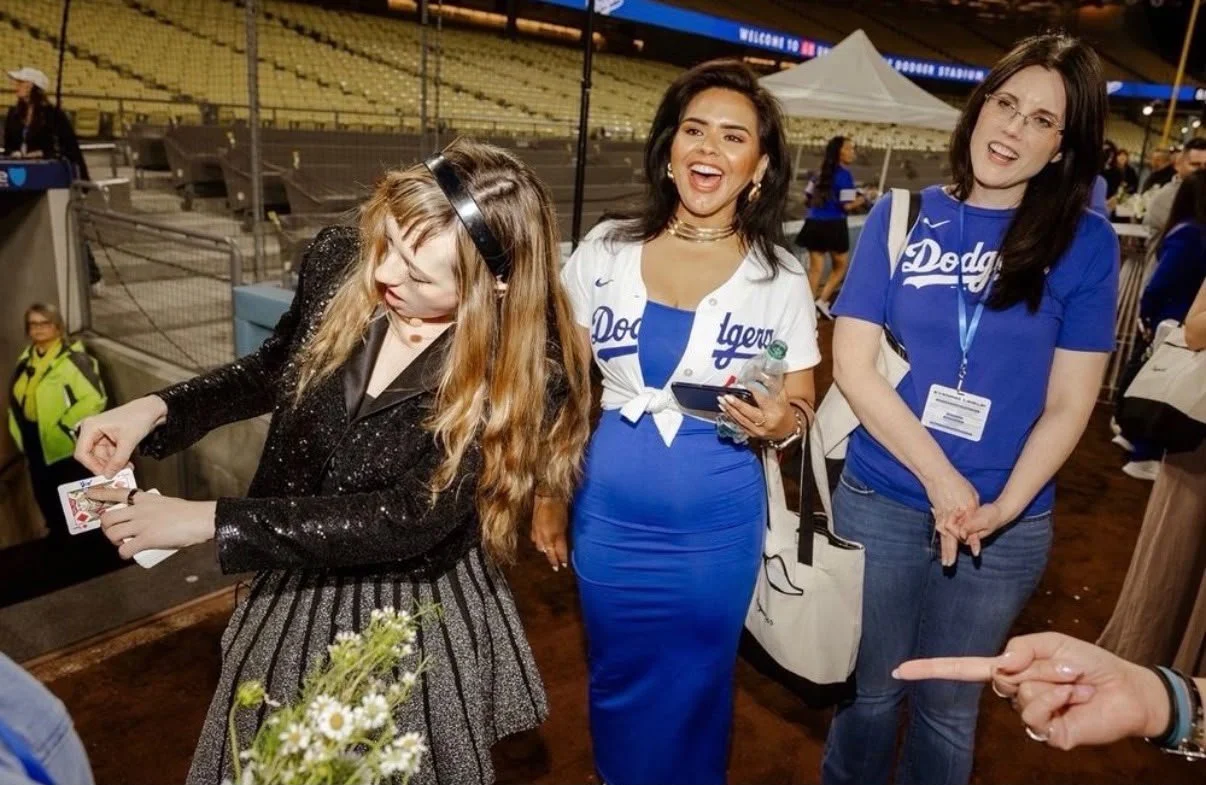
During healthcare and biotech week, your satellite event is one of four on your guests' schedule that day, and success is measured in who stayed and who your team actually spoke to. A San Francisco magician booking suits that week precisely: it works in a hotel suite with nothing installed, it's at its best in a room of thirty, it starts with the first arrivals, and it never asks the room to stop talking.
Book it in the autumn rather than in January, and ask whoever you're considering how they handle a confidential room.
Reach out with your date and venue, and I'll tell you how I'd work the evening