


Seattle Magician: A Venue Guide
Seattle Magician: A Venue Guide
Most people choose a venue first and think about entertainment afterwards, which is the right order and does mean the venue quietly decides what's possible. A room with no stage rules out a stage act, a space with noise restrictions rules out amplified music, and a beautiful converted warehouse with concrete everywhere will defeat anything that relies on being heard.
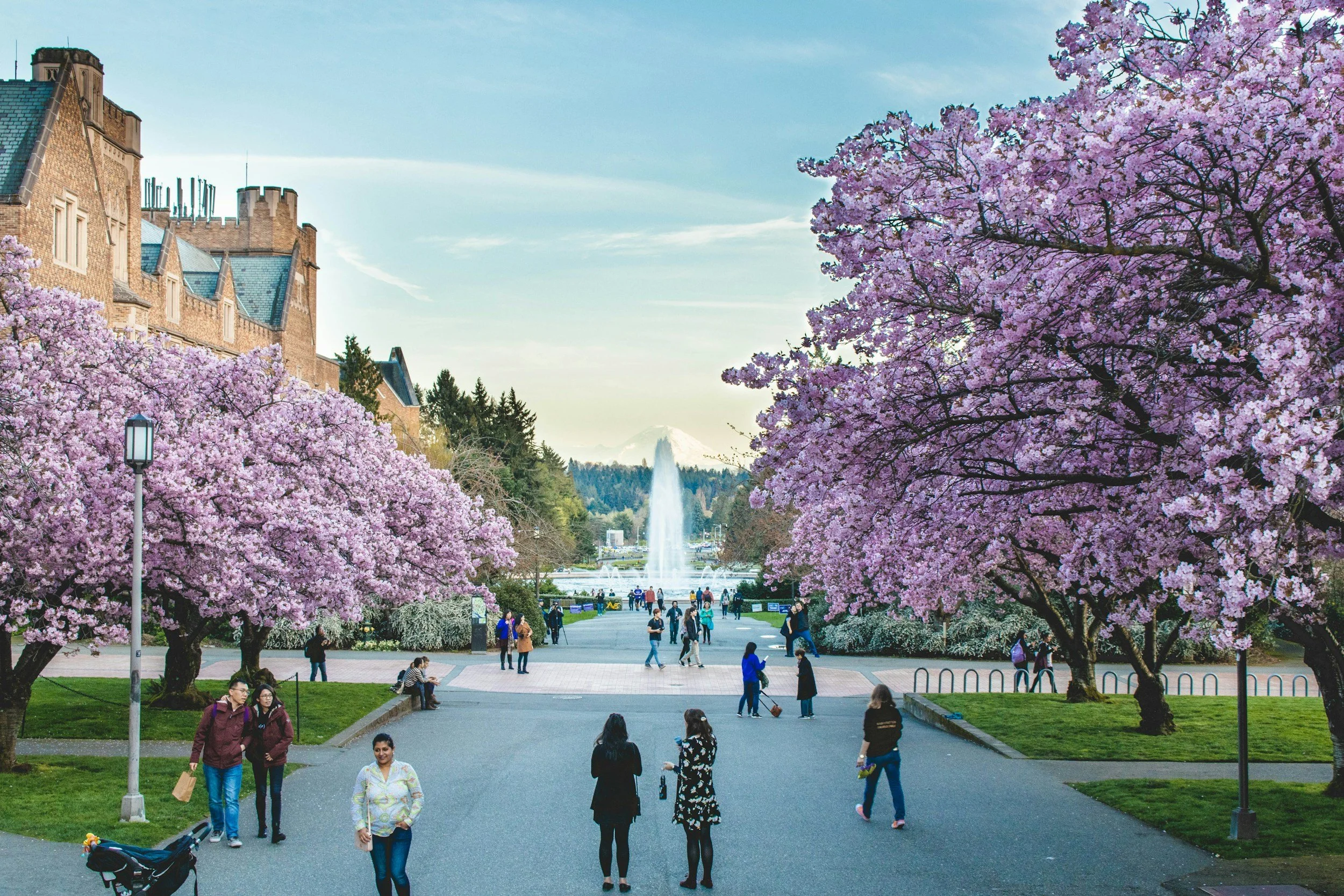
Worth knowing before you book rather than after. I'm Magical Katrina, an award winning magician and mentalist, and I want to go through Seattle's main venue types and what each means practically when you're booking a Seattle magician.
Hotel Ballrooms and Conference Facilities
The most flexible category and the one with fewest constraints. Downtown hotels and conference properties have staging, sound, lighting, and staff used to running events, which means almost any format is possible.
The tradeoffs are cost and character, since these rooms are neutral by design and look like every other ballroom. They also carry production pricing at convention scale, so anything with technical requirements adds to an invoice that's already substantial. A Seattle magician performing close up magic works here as anywhere and has the incidental advantage of needing none of the production you're being quoted for.
Waterfront and View Venues
A genuine Seattle strength, and they come with a specific consideration. Rooms chosen for the water and the light are oriented outward, with seating and layout designed so guests face the windows rather than a focal point.
That works against anything requiring an audience to face one direction, since you're asking people to turn away from the reason you chose the venue. Entertainment that moves among guests suits these spaces considerably better than a stage format, because it reaches people wherever they've settled and nobody has to give up the view. Worth factoring in before committing to a format.
Converted Industrial and Warehouse Spaces
Popular in Seattle and visually excellent, with the acoustic properties you'd expect from concrete, brick, and high ceilings. Sound bounces, speech is hard to follow at distance, and amplified music becomes a wash.
That's a genuine constraint on anything spoken or musical from a stage. Close up magic sidesteps it entirely, since it operates at conversational distance where acoustics barely matter. Also check power, since these buildings frequently have limited supply, and heating, since they can be cold in a Seattle winter in a way that affects how long guests stay in a large open space.
Tech Campuses and Office Floors
A substantial share of Seattle corporate events happen on company premises, which is convenient, free, and comes with real limitations. Offices are designed for work: no stage, hard surfaces, strip lighting, and no space that isn't already in use.
They also come with access procedures, since campus venues frequently require visitor registration or escorting for suppliers, which is a process with a lead time rather than a formality. Ask early what your performer needs to get in. A Seattle magician performing close up needs nothing installed, which matters in a building where installing anything requires permission you may not get.
Museums and Cultural Venues
Distinctive, popular for galas and receptions, and the most restrictive category. Expect rules about what can be brought in, where guests can stand, proximity to exhibits, and what may be fixed to anything.
Those restrictions eliminate most production and leave entertainment that requires nothing at all. Close up magic works in a gallery exactly as in a ballroom, moving among guests who are already circulating, without any conversation with the venue about permissions. For an organization using a cultural venue precisely because it's characterful, entertainment that adds no requirements is genuinely useful rather than merely convenient.
Wine Country and Rural Venues East of the City
A real category here, particularly for weddings and private events, and one with practical constraints that resemble wine country anywhere. Venues chosen for setting frequently mean partly outdoor spaces, limited or generator power, gravel access, and sometimes local noise curfews.
Entertainment requiring nothing is worth a great deal in that context, since there's no power load, nothing to transport over difficult access, and no adjustment when an evening cools and the party moves inside, which in this region it reliably will. Travel is also a genuine factor for suppliers and should be discussed openly rather than assumed.
Restaurants and Private Dining
Common for smaller corporate dinners and private celebrations, and among the most constrained spaces in practical terms. A private dining room is a table in a room with no stage, no available sound system, and service running throughout.
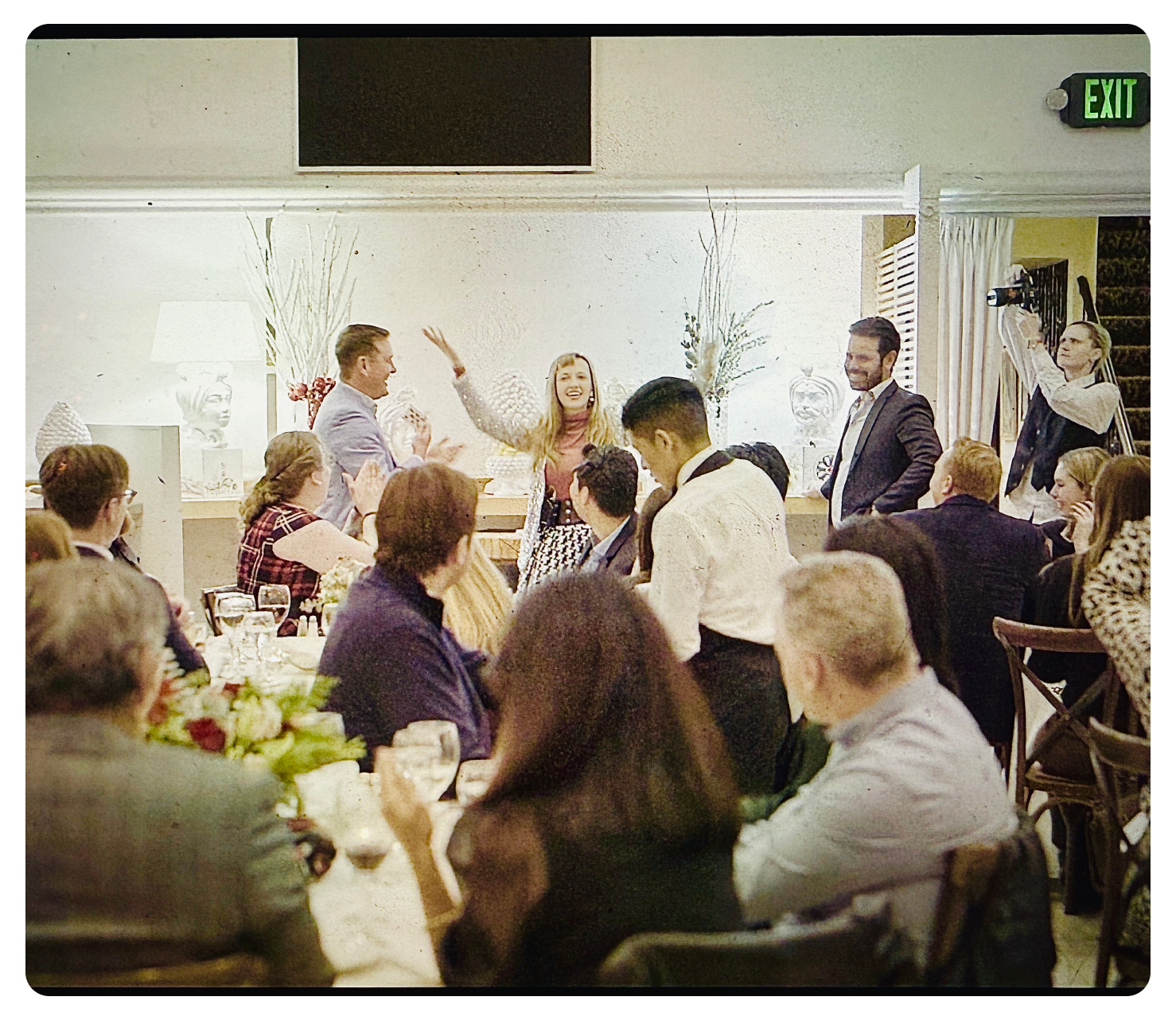
That eliminates almost everything except table magic between courses, which works inside the meal without asking the restaurant to alter anything. It also solves the specific problem of a long table fragmenting into three separate conversations, giving a group of fourteen a shared focus without anybody making a speech. For dinners, a Seattle magician is frequently the only entertainment the room can accommodate.
Outdoor and Partly Outdoor Spaces
Seattle rewards optimism about weather for about four months and punishes it the rest of the year. Rooftops, terraces, gardens, and courtyards are genuinely lovely between June and September and provisional at every other point.
The practical requirement is a format that moves indoors without adjustment, since your event probably will. Anything needing power, staging, or a sound setup becomes a problem when the plan changes at short notice, whereas close up magic relocates with your guests and nobody notices. Tell your performer that both spaces are in play so they work the whole event rather than half of it.
Two Questions to Ask Any Venue
Whatever category you're considering, these two answers tell you most of what you need. Is there a stage or usable sound system available, and are there noise restrictions or a curfew.
A yes to the first opens up stage formats and a no narrows your options considerably. Restrictions on volume or finishing time rule out amplified entertainment and affect your whole running order. Ask before you commit rather than afterwards, since venue choice determines entertainment far more often than the reverse, and discovering the constraint late means choosing from what fits rather than what you wanted.
A Note on "Local vs. Traveling In"
Worth knowing: the right performer for your venue needn't be Seattle based. Many travel in, with travel discussed openly, factored into the quote, and handled by the performer rather than by you. I'm based in the Los Angeles area and travel to Seattle for events. Judge on skill and format fit rather than location, particularly for specialisms where the local pool is smaller.
Why Book Magical Katrina
Whatever venue you've chosen, here's my case. I'm a member of the Magic Circle in London and the Academy of Magical Arts in Hollywood, I've earned multiple magic awards, and I've performed for clients including Formula 1, the Olympics, Porsche, Zapier, and the Ritz Carlton, with appearances on Penn & Teller: Fool Us and Masters of Illusion. I need no stage, power, sound, or setup, so a gallery, a warehouse, an office floor, a private dining room, and a terrace all work exactly as they are, and I'm fully insured with a COI available for venues that require one.
Frequently Asked Questions
Which Seattle venues are easiest for entertainment?
Hotel ballrooms and conference facilities, since they have staging, sound, lighting, and staff used to running events, making almost any format possible. The tradeoffs are cost and character, as those rooms are neutral by design and carry production pricing at convention scale, so anything with technical requirements adds to an already substantial invoice.
What's the catch with waterfront venues?
They're oriented outward, with seating and layout designed so guests face the windows rather than a focal point, which works against anything requiring an audience to face one direction. Entertainment moving among guests suits them considerably better, since it reaches people wherever they've settled and nobody has to turn away from the view you chose the venue for.
Are warehouse spaces a problem?
Acoustically, yes, since concrete, brick, and high ceilings mean sound bounces and speech is hard to follow at distance, which constrains anything spoken or musical from a stage. Close up magic sidesteps that entirely by operating at conversational distance. Also check power, which is frequently limited, and heating, which affects how long guests stay.
What should we know about events on a tech campus?
That access is a process rather than a formality, since campus venues frequently require visitor registration or escorting for suppliers, with a lead time. Ask early what your performer needs to get in. Also expect no stage, hard surfaces, and no spare space, since offices are designed for work, so anything requiring installation may need permission you won't get.
Will a museum let us bring entertainment in?
Usually, provided it requires nothing, since cultural venues have rules about what can be brought in, where guests may stand, proximity to exhibits, and what can be fixed to anything. Close up magic works in a gallery exactly as in a ballroom, moving among circulating guests, with no conversation needed about permissions.
What about a private dining room?
It's among the most constrained spaces, being a table in a room with no stage, no available sound, and service running throughout, which eliminates almost everything except table magic between courses. That works inside the meal without the restaurant altering anything, and it stops a long table fragmenting into separate conversations.
Our event is partly outdoors. Is that risky?
In Seattle, provisional outside the summer months, so the practical requirement is a format that moves indoors without adjustment. Anything needing power, staging, or sound becomes a problem when plans change at short notice, whereas close up magic relocates with your guests unnoticed. Tell your performer both spaces are in play so they work the whole event.
How do I check you'll work at our venue?
Reach out with the venue name and your event details and I'll confirm, though the answer is almost always yes, since I need no stage, power, sound, or setup. If your venue requires a certificate of insurance or has supplier access procedures, tell me at booking and I'll handle the paperwork rather than leaving it to the final week.
Choose the Room, Then the Format
Seattle's venues range from fully equipped ballrooms to galleries where you may not fix anything to a wall, and the space you choose determines what entertainment is genuinely possible. Ask about staging, sound, noise restrictions, and supplier access before committing, and be realistic about weather if any part of your event is outdoors.
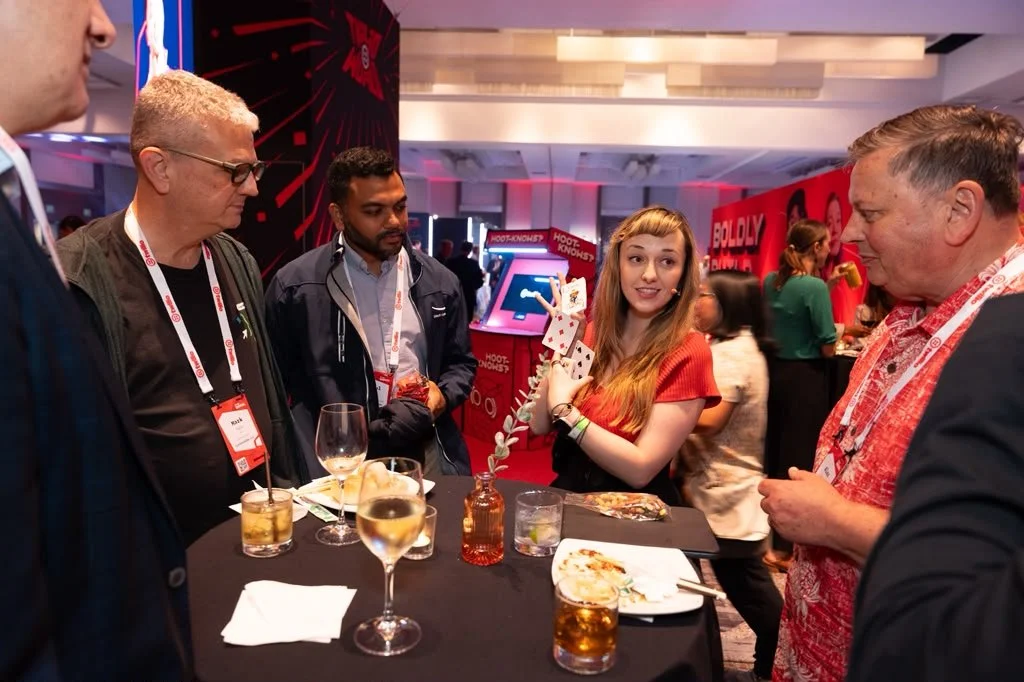
Then choose a format that fits. For most of these venues that points to a Seattle magician working close up, since it's the option that needs nothing from a room and works equally in all of them.
Reach out with your venue and date, and I'll confirm it works.