


Magicians New York: Matching Entertainment to Your Venue
Magicians New York: Matching Entertainment to Your Venue
Most advice about event entertainment assumes you're choosing in a vacuum. In New York you almost never are, because the venue comes first, it costs a great deal, and by the time you're thinking about entertainment the room is already booked, along with all of its limitations.
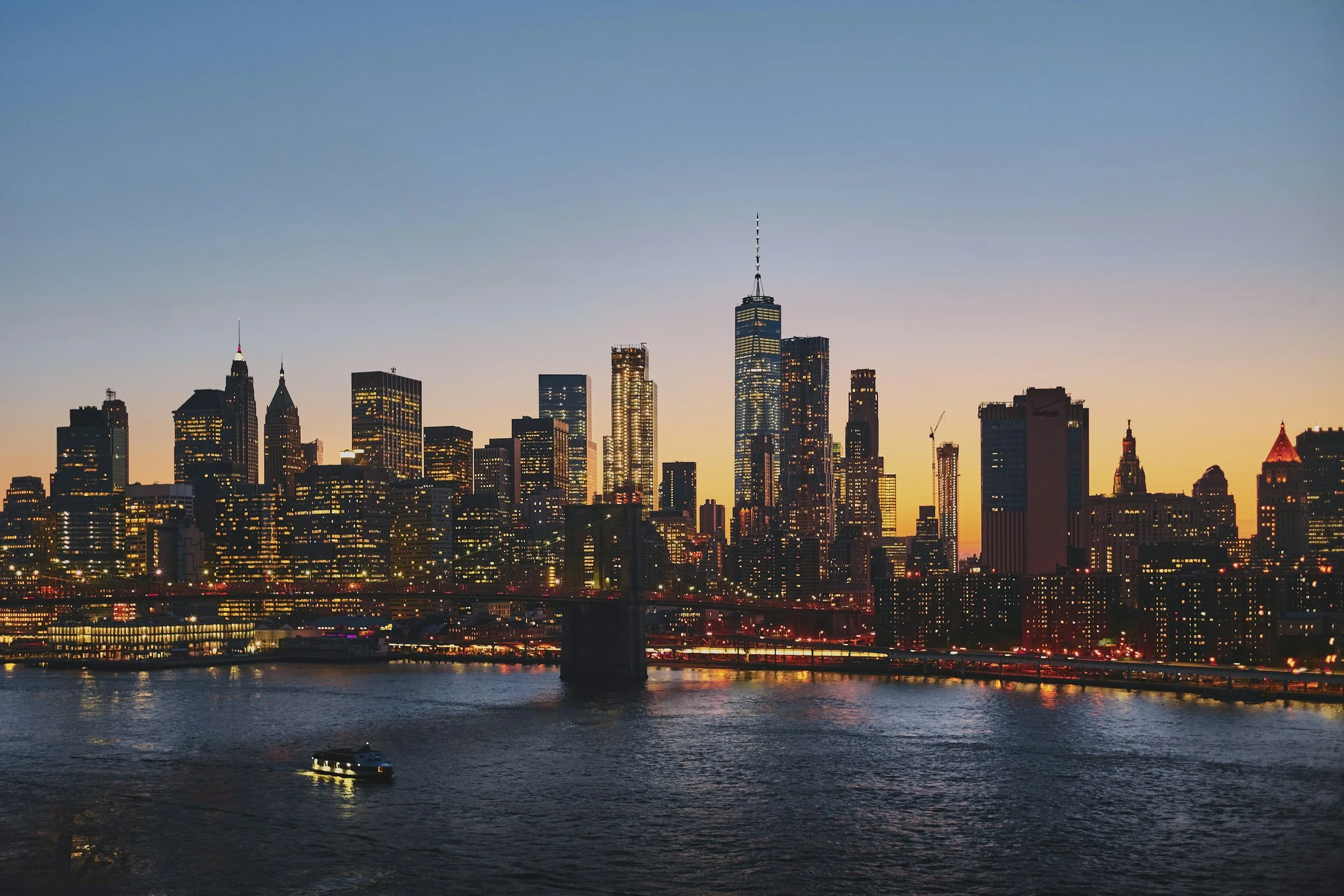
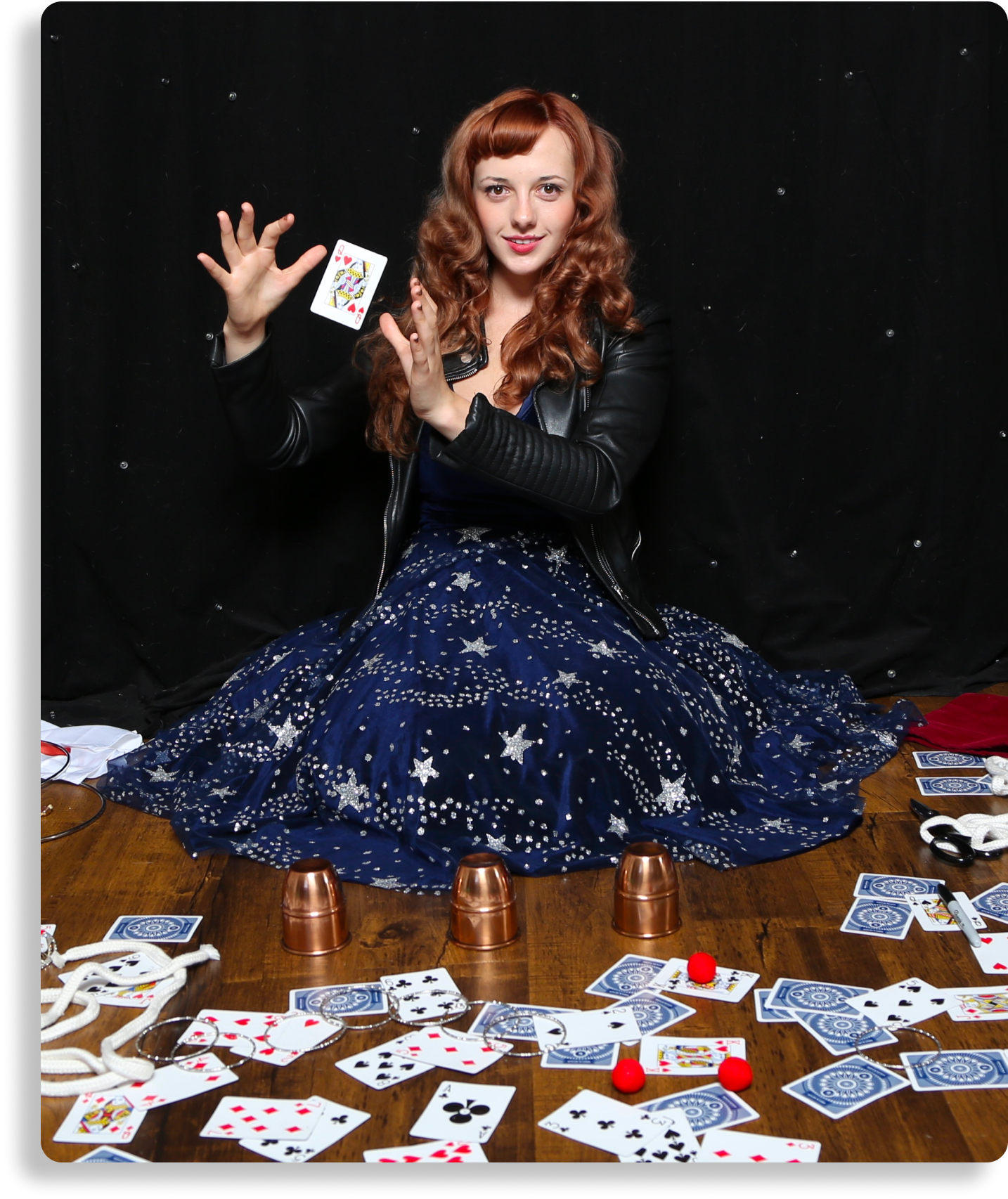
That order matters, since the venue quietly eliminates most of your options before you've compared any of them. I'm Magical Katrina, an award winning magician and mentalist, and I want to go through what New York's various venue types actually permit, so you can choose entertainment that fits the room you have rather than the room you imagined.
Ask the Venue Four Questions First
Before comparing performers, get four answers from your venue: is there a stage or would one need building, is there house sound or must it be hired, where is the power and how much is available, and are there noise restrictions or a curfew.
Those four answers determine what's possible more than your budget does. A great many entertainment options require some combination of staging, sound, and power, and in New York providing them can cost more than the entertainment itself. Among magicians New York offers, close up performers require none of the four, which is why they end up in so many rooms where nothing else would fit.
Lofts and Converted Spaces
Downtown lofts and converted industrial rooms are popular precisely because they have character, and they come with a specific set of problems. Freight elevators with booking windows, load in restrictions, limited power on old wiring, and building rules about noise after certain hours.
Anything requiring equipment has to physically get up there, within an allotted window, and be removed the same way. That rules out a great deal. Close up magic arrives in a jacket pocket, which sounds trivial until you've tried to coordinate a band's load in through a single freight elevator shared with two other events in the building.
Rooftops
Wonderful for two hours in June and constrained in every other respect. Power is frequently limited, noise restrictions are stricter because of neighboring buildings, wind affects anything light or amplified, and there is usually no shelter if weather turns.
Entertainment for a rooftop needs to work without power, cope with wind, and move indoors at short notice without any adjustment. That's a short list, and magicians New York hosts book for rooftop events tend to be close up performers for exactly those reasons. If your rooftop plan has an indoor backup room, check that whatever you book works equally well in both, since many things don't.
Private Dining Rooms
The most common New York venue for corporate dinners and private celebrations, and one of the most restrictive. A private dining room is a room with a table in it, usually with no stage, no sound system available to you, minimal spare space, and a restaurant's service running through the whole evening.
That eliminates nearly everything except entertainment that works at a table. Close up magic performed between courses is one of the few options that fits without asking the restaurant to change anything, and it's arguably better in that setting than in a large room, since everyone at the table sees everything from a few feet away and shares each reaction.
Historic Clubs and Landmark Buildings
Beautiful, prestigious, and heavily restricted. Landmark status frequently means nothing can be fixed to walls or floors, amplified sound is limited, and there are rules about what may be brought in and where it may go.
Venues like these often have a house policy list that arrives after you've booked. Anything requiring rigging, stands, or fixings is likely to be refused. Among magicians New York clients book for these rooms, close up performers are usually the only entertainment approved without a conversation, since there is genuinely nothing to install and nothing to attach to a listed surface.
Hotel Ballrooms
The most accommodating option, and the one where you have real choice. Stage, house sound, power, load in access, and staff who do this weekly.
If you have a ballroom, the venue isn't your constraint, so choose on what suits your audience and format rather than on what's physically possible. Worth noting the opposite risk: ballrooms are large, and a group of eighty in a room built for three hundred feels sparse regardless of what you book. Entertainment that moves among guests can help make a large room feel populated in a way something on a distant stage doesn't.
Galleries and Museum Spaces
Increasingly popular and quietly restrictive. Conservation requirements govern lighting, humidity, food and drink placement, and proximity to works, and staff will be watching enforcement rather than trusting your suppliers.
Anything with equipment, cabling, or a footprint invites scrutiny and often refusal. Close up magic passes easily because there is nothing to place, plug in, or set up, and a performer simply moves among guests as they would at any reception. If you're using a space like this, check the restrictions before you compare magicians New York options, since the list is usually longer than expected.
Restaurants and Bar Buyouts
A full or partial buyout is a common New York solution for parties of forty to a hundred, and the constraints are the restaurant's operation rather than the building's. Service continues, the space is designed for eating rather than performance, acoustics are usually poor, and there's rarely a natural focal point.
Entertainment competing with the room's noise will lose. Something working in small groups at conversational distance doesn't have to compete, since it operates within the ambient level rather than above it. That's why close up work suits buyouts particularly well, whereas anything amplified struggles in a room built to be full of conversation.
The Square Foot Argument
Worth stating plainly because it applies everywhere in this city. New York venues are expensive per square foot, and any entertainment requiring a stage, equipment, or a footprint is consuming space you're paying premium rates for.
Entertainment that occupies no space beyond where guests already stand is not just practically convenient, it's financially sensible. When you're comparing magicians New York offers against other options, factor in whether each requires you to buy or reserve room, since that cost is frequently invisible in the quote and very visible in the venue invoice.
A Note on "Local vs. Traveling In"
Worth knowing: the right performer for your venue needn't be based in New York. Many travel in, with travel discussed openly, factored into the quote, and handled by the performer rather than by you. I'm based in the Los Angeles area and travel to New York for events. Judge on skill and venue fit rather than location, and tell whoever you approach what your room actually allows.
Why Book Magical Katrina
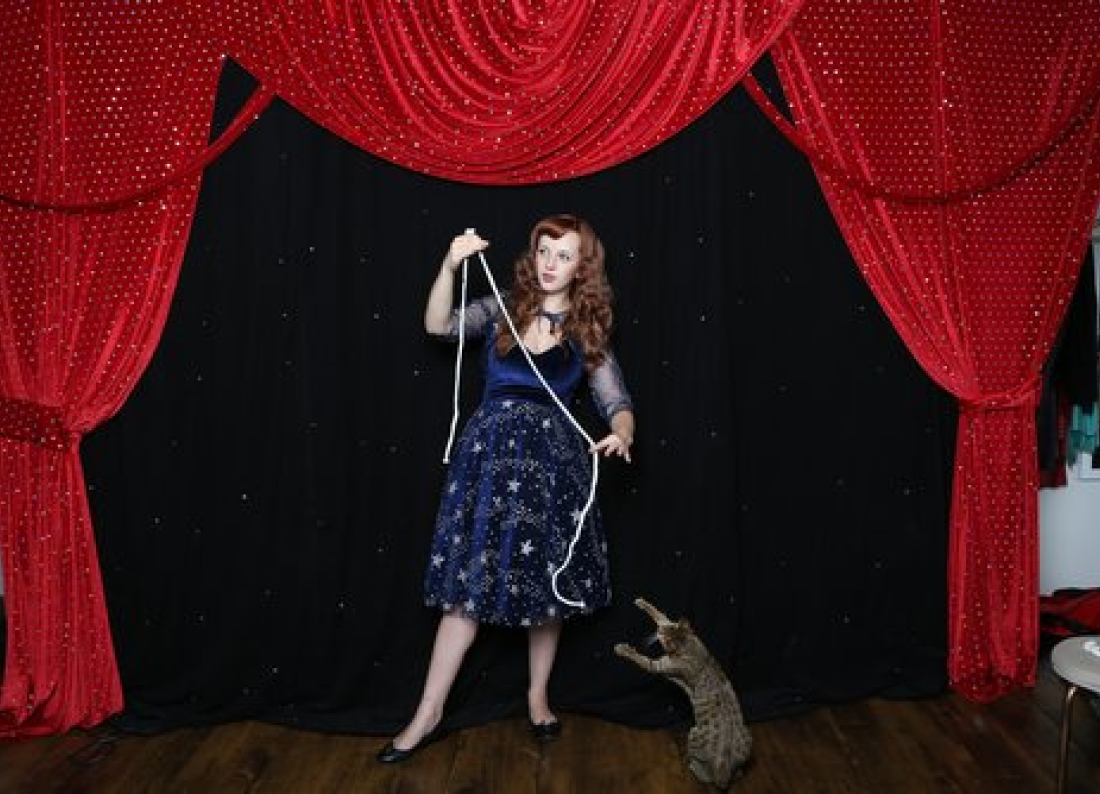
If your venue is constrained, here's my case. I'm a member of the Magic Circle in London and the Academy of Magical Arts in Hollywood, I've earned multiple magic awards, and I've performed for clients including Formula 1, the Olympics, Porsche, Prada, and the Ritz Carlton, with appearances on Penn & Teller: Fool Us and Masters of Illusion. I need no stage, sound, power, rigging, or setup time, and nothing to load in beyond what fits in a case, so I work in lofts, rooftops, private dining rooms, landmark buildings, galleries, and restaurant buyouts without your venue having to accommodate anything. I'm fully insured with a COI available.
Frequently Asked Questions
What should I ask my venue before choosing entertainment?
Four things: is there a stage or would one need building, is there house sound or must it be hired, where is the power and how much is available, and are there noise restrictions or a curfew. Those answers determine what's possible more than your budget does, since providing staging and sound in New York can cost more than the entertainment itself.
We've booked a loft. What works there?
Something that arrives without equipment. Downtown lofts and converted spaces have freight elevators with booking windows, load in restrictions, limited power on old wiring, and building noise rules. Anything requiring equipment has to physically get up there within an allotted window and come back down the same way. Close up magic arrives in a pocket, which is why it suits these buildings.
What about a rooftop?
It needs entertainment that works without power, copes with wind, and moves indoors at short notice without adjustment, which is a short list. Rooftops have limited power, stricter noise rules because of neighboring buildings, and no shelter if weather turns. If you have an indoor backup room, check that whatever you book works equally well in both, since many options don't.
Our event is in a private dining room. Is that too small?
It's restrictive but well suited to the right format. A private dining room has a table, no stage, no available sound system, minimal spare space, and restaurant service running through the evening, which eliminates nearly everything except entertainment that works at a table. Close up magic between courses fits without asking the restaurant to change anything, and arguably works better there than in a large room.
Why are historic and landmark venues difficult?
Because landmark status frequently means nothing can be fixed to walls or floors, amplified sound is limited, and there are rules about what may be brought in. House policy lists often arrive after you've booked, and anything requiring rigging, stands, or fixings is likely refused. Among magicians New York clients use in these rooms, close up performers are usually approved without discussion, since there's nothing to install.
Does venue choice affect cost as well as options?
Yes, and it's frequently invisible until the venue invoice. New York space is expensive per square foot, so entertainment requiring a stage, equipment, or a footprint consumes room you're paying premium rates for. When comparing options, factor in whether each requires you to buy or reserve space, since that cost sits in a different line from the performer's quote but is very real.
How do I book you, and what do you need to get started?
Reach out with your event date, the venue, event type, and rough guest count, plus anything you know about the room's restrictions. That's enough for me to confirm it works, check availability, and send a quote. Since I need no stage, sound, power, rigging, or setup, the answer for New York venues is almost always that it works, including in rooms where most options don't.
Choose for the Room You Booked
In New York the venue comes first and quietly decides most of your entertainment options before you've compared any of them. Ask about staging, sound, power, and noise before shortlisting anything, then match your choice to what the room genuinely permits rather than to what you'd pictured.
Do that and you'll avoid the common and expensive discovery that your chosen option requires production your venue can't accommodate, in a city where every square foot and every load in window carries a cost.
Reach out with your venue and event details, and I'll confirm it works.