


Fun Conference Ideas for a Small or First Time Conference
Fun Conference Ideas for a Small or First Time Conference
Most conference advice assumes a production budget, a professional organizer, a venue with breakout rooms, and enough delegates that the failure of any single element goes unnoticed. If you're running something for eighty people, organized by a committee doing it around their actual jobs, almost none of it applies.
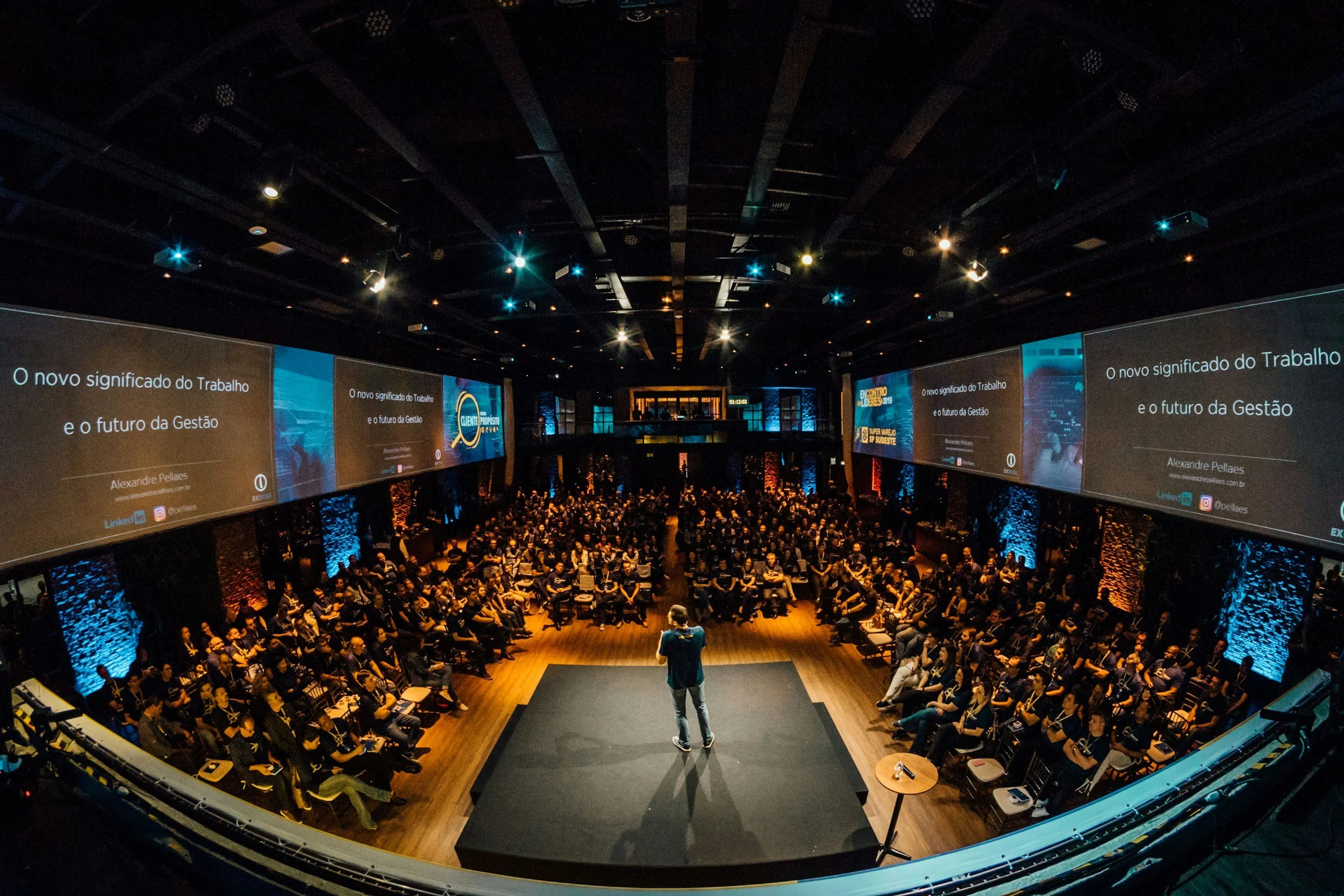
Small conferences also have genuine advantages that larger ones can't buy. I'm Magical Katrina, an award winning magician and mentalist who works conferences, and I want to offer fun conference ideas for events at that scale, starting with what to stop imitating.
Don't Run a Small Version of a Big Conference
The commonest mistake, and it makes everything harder. A large conference has parallel tracks, a main stage, an exhibition hall, an app, and a production company, and reproducing that at eighty delegates produces a thin imitation rather than a smaller equivalent.
Two parallel sessions for eighty people means forty in each room, which feels sparse and forces delegates to miss half the program they paid for. A main stage in a room that size is unnecessary. Among fun conference ideas for a small event, the first is to stop borrowing a format designed for a problem you don't have and design for the one you do.
Everyone Fitting in One Room Is an Advantage
The thing a large conference cannot replicate, and it's worth building around rather than apologizing for. At eighty delegates, everybody can be in one room, hear the same thing, and react together.
That produces a shared experience across the entire event, which at a thousand delegates is impossible. It also means your whole audience has the same reference points by the second session, which makes conversation between strangers considerably easier. Program for togetherness rather than choice: a single track everyone attends beats parallel sessions that split a room too small to be split.
Networking Is Actually Achievable
The other genuine advantage. At a large conference, a delegate meets a handful of people and leaves; at eighty, it's realistic for someone to have spoken to a substantial proportion of the room by the end.
That only happens if you design for it. Seat people at round tables rather than in rows, assign seating and mix organizations, use table hosts to include anyone attending alone, and place the social element early on the first day before groups form. Among fun conference ideas at this scale, the ones that get delegates talking deliver more than any speaker will, because the conversations are the thing a small event can genuinely offer.
Spend on People, Not Production
The budget principle. A small conference cannot afford staging, lighting, and an AV crew, and it doesn't need them, because a room of eighty doesn't require production to be seen or heard.
What that money buys instead is a better speaker, decent food, a nicer venue, or something genuinely memorable in the program. Delegates notice all of those and notice production only when it's poor. For an event where every pound is visible, spending it on what people experience directly rather than on what makes it look like a bigger conference is the better allocation.
Choose a Venue, Not a Conference Centre
Related and worth stating. Conference centers are built for scale and feel empty at eighty people, with rooms sized for three times your number and a corridor atmosphere that makes a small event feel underattended.
A characterful venue at the right size does the opposite: a room that's comfortably full reads as successful, whereas the same group in a cavernous hall reads as disappointing regardless of how good the program is. Among fun conference ideas that cost nothing, matching the room size to your actual numbers is the one that most affects how the day feels.
Fewer Sessions, Longer Breaks
Counterintuitive and consistently right at small scale. First time organizers tend to over program, filling every hour because empty space feels like poor value.
Delegates experience it differently. Long breaks are consistently what people rate highest, because that's when the conversations happen, and at a small conference those conversations are the product. Cut a session, extend the breaks, and give people somewhere comfortable to sit. It also reduces your workload, which for a committee doing this alongside their jobs is not a trivial consideration.
One Memorable Thing Beats Several Adequate Ones
The programming principle for a limited budget. A small conference can't do everything well, and attempting a full program of good elements produces a uniformly adequate day.
Choose one thing to be genuinely memorable: a speaker worth the fee, an unusual venue, something in the program people won't have seen elsewhere, or a dinner that's properly good. Delegates remember events by their peaks rather than their averages, and a day with one outstanding element and several ordinary ones is recalled far better than a uniformly competent one.
Don't Neglect the First Thirty Minutes
The part first time organizers most often spend on housekeeping, and the point at which delegates decide what kind of event this is.
Fire exits and the WIFI code are necessary and take two minutes. What follows should establish that this is worth attending rather than describing the agenda everyone is holding. At a small conference that matters more, because there's no exhibition hall or parallel track to absorb a poor start, and a room that decides early this is going to be dull will be harder to recover than a larger crowd would.
Ask Delegates Afterwards, Properly
The thing that improves the second one. Most feedback forms ask about satisfaction, which tells you little and is answered mainly by people who enjoyed it.
Ask specific questions instead: which session they'd tell a colleague about, whether they met anyone useful, what they'd cut, and whether they'd come again. Those answers are actionable in a way ratings aren't, and for a first time conference they're the difference between repeating the format and improving it. Among fun conference ideas, the most valuable are frequently the ones a delegate suggests after the first event.
Where Entertainment Fits at This Scale
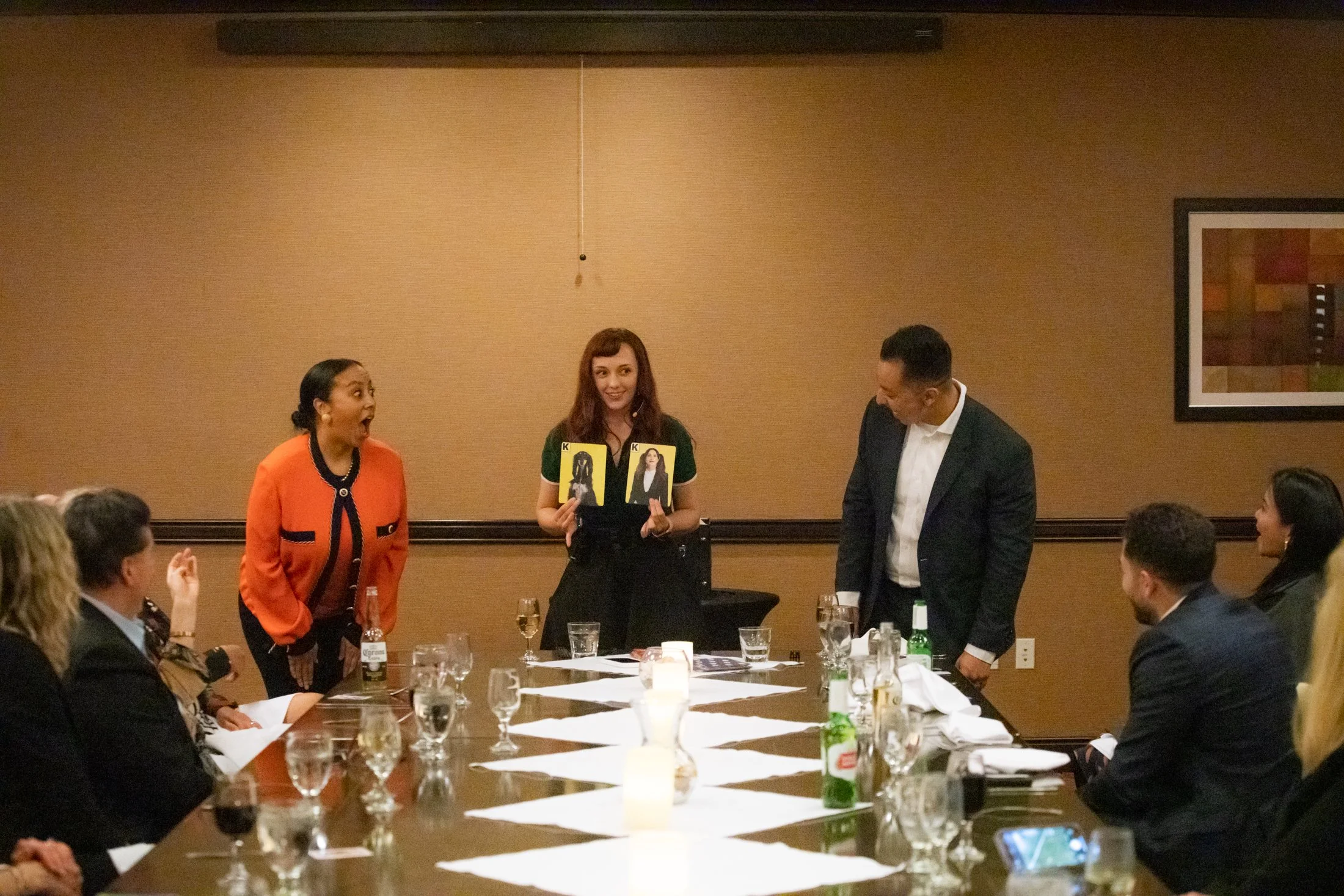
Since it's my area, briefly. A small conference can't stage a production and doesn't need to, and the formats that work are the ones that need nothing from a room and operate among people rather than at them.
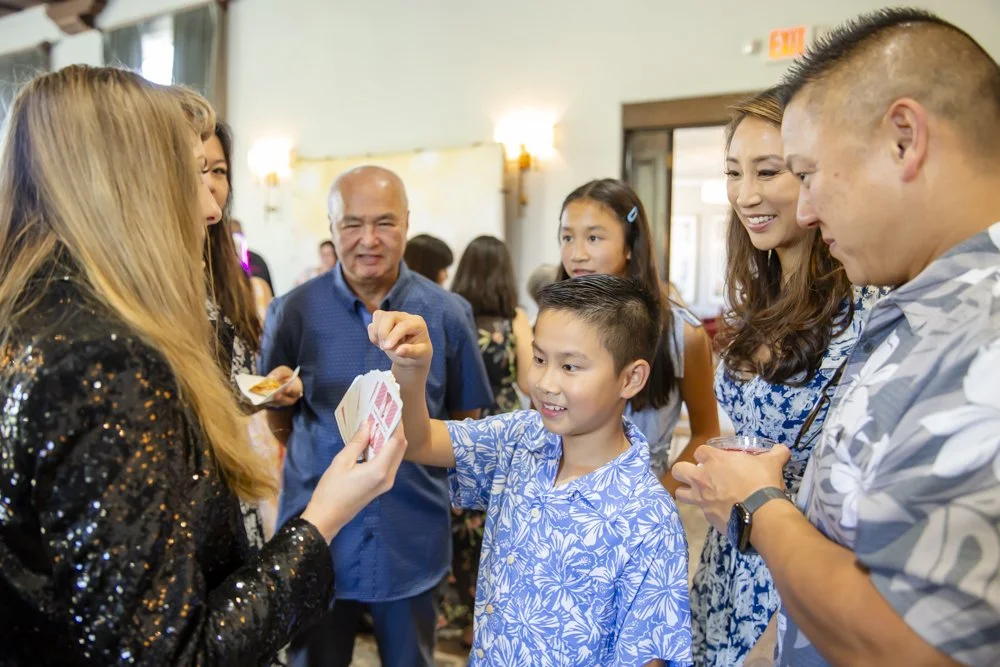
Close up magic suits that particularly, since it requires no stage, sound, or slot, works in a room of eighty better than a room of eight hundred, and can move through a reception or the gaps in a program without consuming time you don't have. For an event where everybody is together anyway, something everybody experiences at once is worth more than it would be at scale.
Frequently Asked Questions
What's the biggest mistake at a small conference?
Running a small version of a big one. Parallel tracks, a main stage, an exhibition hall, and heavy production are designed for problems you don't have, and reproducing them at eighty delegates produces a thin imitation. Two parallel sessions for eighty means forty in each room, which feels sparse and makes delegates miss half the program they paid for.
What can a small conference do that a large one can't?
Put everybody in one room reacting to the same thing, which produces a shared experience across the entire event and gives your whole audience the same reference points by the second session. It also makes genuine networking achievable, since at eighty delegates it's realistic for someone to have spoken to a substantial proportion of the room.
Where should a limited budget go?
On what delegates experience directly rather than on production. A room of eighty doesn't need staging, lighting, or an AV crew to be seen and heard, and that money buys a better speaker, decent food, a nicer venue, or something genuinely memorable instead. Delegates notice all of those and notice production only when it's poor.
Should we book a conference center?
Usually not, since they're built for scale and feel empty at small numbers, with rooms sized for three times your group. A characterful venue at the right size does the opposite, because a room that's comfortably full reads as successful while the same group in a cavernous hall reads as underattended regardless of the program.
Are we programming too much?
Probably, since first time organizers tend to fill every hour because empty space feels like poor value. Delegates consistently rate long breaks highest, because that's when the conversations happen, and at a small conference those conversations are the product. Cut a session, extend the breaks, and reduce your own workload at the same time.
How do we make it memorable on a small budget?
Choose one thing to be genuinely outstanding rather than several to be adequate, since delegates remember events by their peaks rather than their averages. A speaker worth the fee, an unusual venue, something in the program people won't have seen elsewhere, or a properly good dinner will be recalled long after a uniformly competent day is forgotten.
What should we ask in feedback?
Specific questions rather than satisfaction ratings, which tell you little and are answered mainly by people who enjoyed it. Ask which session they'd tell a colleague about, whether they met anyone useful, what they'd cut, and whether they'd come again. Those are actionable, and for a first conference they're the difference between repeating and improving.
Design for Eighty, Not Eight Hundred
The most useful fun conference ideas for a small or first time event aren't scaled down versions of what large conferences do. They follow from what a small event actually is: everybody in one room, genuine conversation between people who can realistically all meet, a budget spent on what delegates experience rather than on looking bigger, fewer sessions with longer breaks, and one thing done outstandingly rather than several done adequately.
Do that and your delegates will have a better day than they'd have at an event ten times the size, which is the advantage worth using.
Reach out with your dates and delegate numbers, and let's talk about the program.