


San Francisco Magician: What Out of Town Planners Should Know
San Francisco Magician: What Out of Town Planners Should Know
Planning an event in the Bay Area from somewhere else is unlike planning one in most cities, and the surprises tend to arrive after commitments have been made. The region is expensive, geographically spread, and operates on a calendar distorted by a handful of enormous conferences.
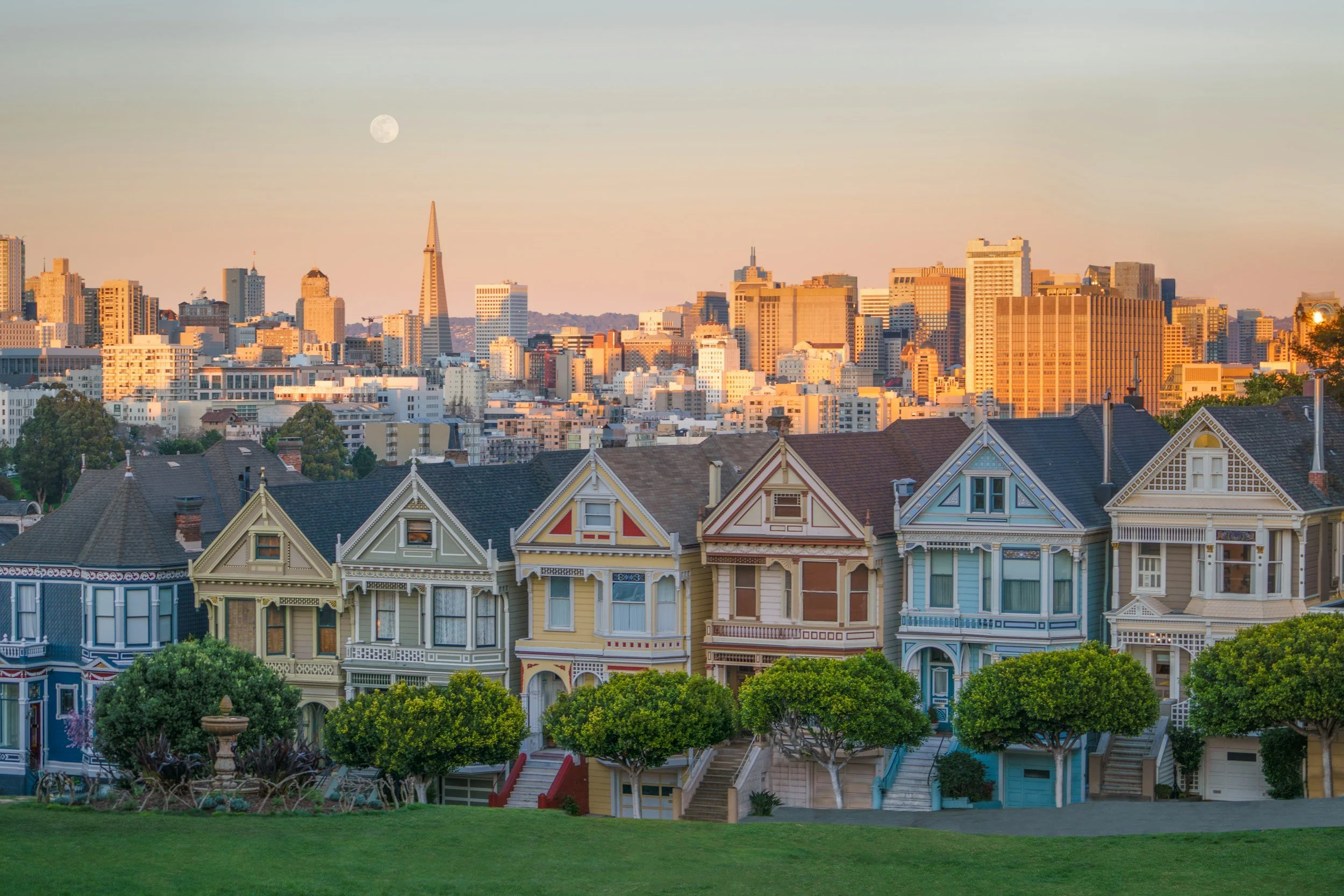
None of it is difficult once you know, and some of it is costly if you don't. I'm Magical Katrina, an award winning magician and mentalist who performs in San Francisco and the wider Bay Area, and I want to set out what visiting planners should know, and where San Francisco magician options fit around those constraints.
Everything Costs More Than You Budgeted
The first thing to internalize. Venues, catering, staffing, and hotels all price higher here than in most comparable markets, and a budget built on experience elsewhere will be short.
That matters most for the elements with fixed requirements. Anything needing a stage, a build, or dedicated floor space is consuming room you're paying premium rates for, and that cost sits in your venue invoice rather than the supplier's quote. Among San Francisco magician options, close up performers need no space beyond where guests already stand, which is worth understanding as a budget consideration rather than a convenience.
The Conference Weeks Distort Everything
The genuinely local factor that catches visiting planners. When one of the major technology conferences is in town, hotel rates multiply, venues book out, and every supplier in the region is committed, frequently months ahead.
If your dates fall in one of those weeks, plan considerably further ahead and expect higher prices across everything. If your dates are flexible, checking the conference calendar before fixing them can save a substantial amount and improve availability across the board. It's the single most useful thing a visiting planner can do early, and it's the check people most often skip.
The Region Is Bigger Than It Looks
A practical reality that affects schedules. The Bay Area functions as one metropolitan region and spans considerable distances, with traffic and bridge crossings that make journey times unpredictable at exactly the hours your event needs them not to be.
An attendee travelling from the Peninsula to the city, or across to the East Bay, is exposed to that. Build genuine slack into your run of show, expect guests to arrive across a longer window than elsewhere, and ask suppliers to arrive earlier than seems necessary. Any professional working here does that as standard, because the alternative is arriving as your event starts.
Office and Campus Venues Have Their Own Rules
Particular to this market, since a great many Bay Area corporate events happen on company premises rather than at hired venues. Those come with security, access procedures, visitor registration, and sometimes badge requirements for suppliers.
Ask early what your suppliers will need to get in, since it's frequently a process rather than a formality and it can take longer than you'd expect. Also confirm what the space actually provides, since offices are designed for work rather than events and typically have no stage, hard acoustics, and no spare room. Entertainment requiring production is difficult in that context and frequently impossible.
Certificates of Insurance Are Standard
Worth raising at booking rather than the week before. Most venues here require a certificate of insurance from outside suppliers, sometimes naming the venue specifically, and campus venues occasionally require more.
Any professional carries this and provides it without fuss, and chasing it late is an avoidable irritation during the week you're busiest. Ask your performer for one when you confirm the booking, along with anything your venue's own documentation requires. A San Francisco magician who is vague about insurance is telling you something about how often they work at venues that ask.
Catering Quotes Are Not Final
Worth checking carefully. Bay Area catering typically carries service charges and tax that add meaningfully to a headline figure, and some venues add administrative fees on top.
That's standard rather than sharp practice, and planners from markets with more inclusive quoting get caught by it. Ask for a fully loaded figure early so your entertainment line isn't the one that gets cut when the catering invoice arrives higher than the one you approved. It's a common sequence and entirely avoidable with one question at the right moment.
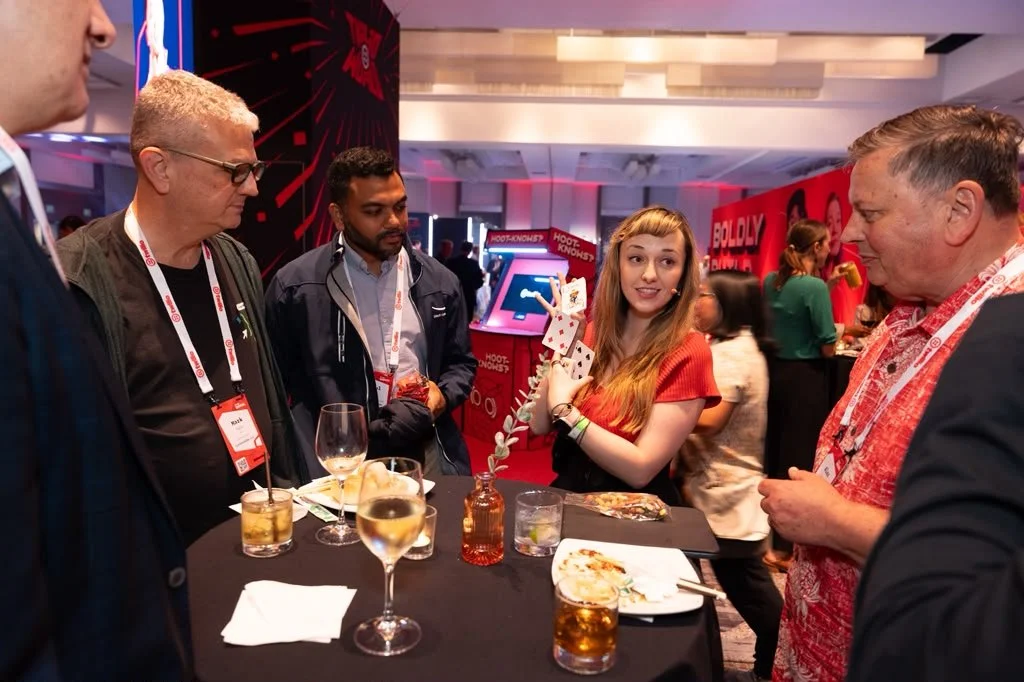
Your Audience Is Analytical
Worth knowing when planning content rather than logistics. Bay Area rooms are frequently full of engineers, researchers, product people, and founders, whose instinct is to work out how something functions rather than simply enjoy it.
That's an advantage rather than an obstacle for the right entertainment. Someone applying genuine scrutiny who still cannot account for what happened is more astonished than a casual observer, because their certainty was better founded. A San Francisco magicianblending close up magic with mentalism tends to get the strongest reaction from precisely the guest who arrived determined to catch the method.
Entertainment Is the Straightforward Part
Worth ending the practical section on, since it's true. Compared with venue costs, conference week pricing, campus access procedures, regional travel times, and catering surcharges, booking a performer is simple: a date, a room, a guest count, a quote, and a deposit.
That's especially true of close up magic, which requires nothing from your venue, adds nothing to your production plan, needs no security clearance for equipment, and doesn't care how long the drive from the Peninsula took. Among the things that will complicate your first Bay Area event, a San Francisco magician booking is unlikely to be one of them.
A Note on "Local vs. Traveling In"
Worth knowing: performers who travel to the Bay Area work from a different calendar than those based there, so a date that's impossible locally is sometimes straightforward for someone travelling, particularly during conference weeks. I'm based in the Los Angeles area and travel to San Francisco and the wider Bay Area, with travel discussed openly and factored into the quote rather than appearing later.
Why Book Magical Katrina
If you're planning a Bay Area event from elsewhere, here's my case. I'm a member of the Magic Circle in London and the Academy of Magical Arts in Hollywood, I've earned multiple magic awards, and I've performed for clients including Formula 1, the Olympics, Porsche, Zapier, and the Ritz Carlton, with appearances on Penn & Teller: Fool Us and Masters of Illusion. I need no stage, sound, power, or setup, so nothing lands on your production plan or your venue's access process, I provide a COI without being chased, and I arrive early because journey times here are unpredictable.
Frequently Asked Questions
What surprises visiting planners most?
The cost of everything, since venues, catering, staffing, and hotels price higher here than in most comparable markets and a budget built on experience elsewhere will be short. It matters most for elements with fixed requirements, since anything needing a stage or dedicated floor space consumes premium room and that cost sits in your venue invoice rather than a supplier's quote.
How much do the big conference weeks matter?
Enormously. Hotel rates multiply, venues book out, and every supplier is committed months ahead. If your dates fall in one, plan considerably further ahead and expect higher prices across everything. If your dates are flexible, checking the conference calendar before fixing them is the single most useful thing a visiting planner can do, and the check most often skipped.
Why does the schedule keep slipping?
Because the region spans considerable distances with traffic and bridge crossings that make journey times unpredictable at exactly the hours you need them not to be. Attendees travelling from the Peninsula or the East Bay are exposed to that, so build genuine slack into your run of show and ask suppliers to arrive earlier than seems necessary.
Our event is at a company office. What should we check?
What your suppliers need to get in, since campus and office venues have security, access procedures, visitor registration, and sometimes badge requirements that are a process rather than a formality. Also confirm what the space provides, since offices are built for work with no stage, hard acoustics, and no spare room, which makes entertainment requiring production difficult or impossible.
What paperwork will we need from suppliers?
A certificate of insurance, usually, and sometimes one naming the venue specifically, with campus venues occasionally requiring more. Any professional carries this and provides it without fuss, so ask at booking rather than the week before. Vagueness about insurance tells you something about how often a supplier works at venues that ask.
Are catering quotes what we'll actually pay?
Usually not, since Bay Area catering typically carries service charges and tax that add meaningfully to a headline figure, with some venues adding administrative fees. That's standard rather than sharp practice, and planners from markets with more inclusive quoting get caught. Ask for a fully loaded figure early so entertainment isn't the line that gets cut.
Will our technical audience enjoy entertainment?
More than most audiences. Bay Area rooms are full of people whose instinct is to work out how something functions, and someone applying genuine scrutiny who still cannot account for what happened is more astonished than a casual observer, because their certainty was better founded. The guest determined to catch the method is usually the one still discussing it.
How do I book you, and what do you need to get started?
Reach out with your dates, the venue, event type, and rough guest count. That's enough for me to check availability and send a quote including travel. I'll send a COI without being asked, and since I need nothing from your venue or its access process, there's nothing to coordinate beyond agreeing a time that fits your run of show.

Plan for How the Region Works
The Bay Area is an excellent place to hold an event and it operates on its own terms, most of which are invisible until you've committed. Check the conference calendar before fixing dates, budget above what the same event would cost elsewhere, establish supplier access requirements at campus venues early, allow considerably more slack for travel than feels necessary, and get fully loaded catering figures rather than headline ones.
Do that and the rest becomes straightforward, including choosing among San Francisco magician options, which is one of the few parts of a Bay Area event that stays simple.
Reach out with your dates and venue, and I'll tell you exactly what I need, which is very little.