


Fun Conference Ideas for Day Two and Day Three
Fun Conference Ideas for Day Two and Day Three
Most conference programs are built as though delegates experience every day equally. They don't. Day one runs on novelty and good intentions, and by the second morning a measurable proportion of your attendees are still in bed, in the hotel gym, or having a meeting they arranged instead.
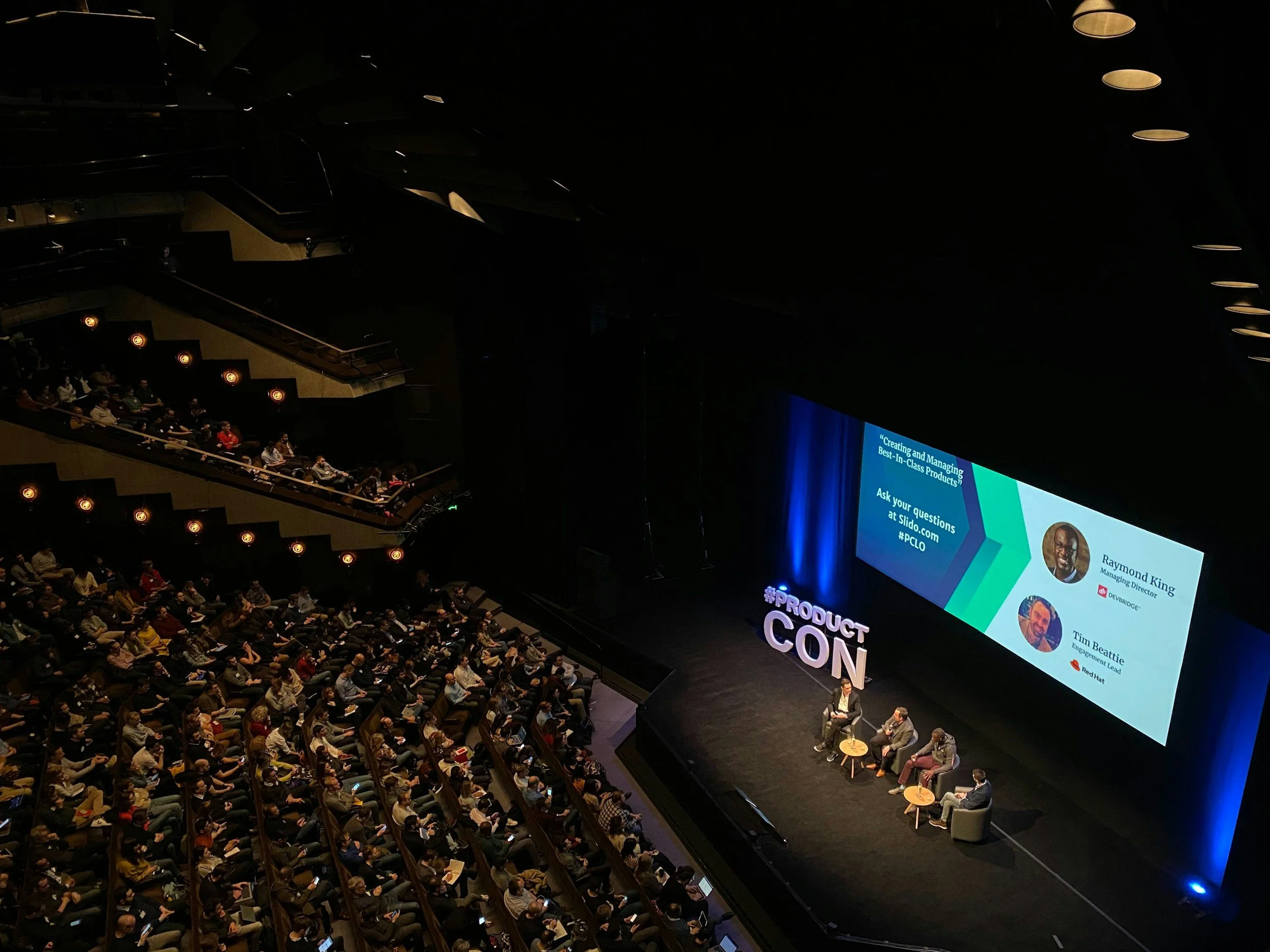
That gap between the program you planned and the room you get is where multi day conferences lose their value. I'm Magical Katrina, an award winning magician and mentalist who works conferences, and I want to offer fun conference ideas aimed specifically at the days when attendance quietly declines.
The Second Morning Is the Hardest Slot
Start with the honest assessment. Day one has arrival energy, an opening keynote, and delegates who haven't yet worked out which sessions they can skip.
By the second morning they have. They also went to a reception, possibly a dinner, and quite possibly somewhere afterwards, and nothing about the schedule acknowledges that. A program that places its weakest content there guarantees a thin room, and a program that places genuinely good content there wastes it on the people who showed up rather than everybody. Among fun conference ideas for a multi day event, deciding what goes in that slot is the most consequential choice.
Put Something Worth Attending There
The direct answer, and it goes against the instinct to front load. Organizers naturally schedule their strongest content on day one, which is when attendance is guaranteed and therefore when it's least needed.
Moving something people don't want to miss to the second morning does more work: it improves attendance in the slot where attendance is lowest, and it signals that the program doesn't decline after the opening. That might be a headline speaker, a session delegates specifically asked for, or something genuinely enjoyable, and the last is frequently the most effective since it's the hardest to skip without regret.
Acknowledge the Night Before
Practical and rarely done. If your delegates were out until late, a nine o'clock start is a decision to have a half empty room, and pretending otherwise doesn't change that.
Start the second day later if you can, even by thirty minutes, and schedule something forgiving first. Delegates notice when a program has been built by someone who understands how conferences actually go, and a later start on day two costs you very little while materially improving the room. It's also considerably cheaper than trying to compensate with content.
Day Three Needs a Different Approach
Worth separating, since the problem changes. Day two is about energy and day three is about departures, with delegates checking out, watching flights, and mentally back at work.
That means anything important has to happen before lunch, and anything after it is playing to whoever hasn't left. Be realistic rather than aspirational: a shorter final day that finishes properly is better than a full one that empties through the afternoon. If you can't shorten it, put the genuinely valuable content in the morning and let the afternoon be lighter.

The Closing Session Is Usually Wasted
Worth stating plainly, since organizers keep programming them. A closing keynote at four on the final day reaches the people who stayed, who are the delegates who were already engaged.
If you want a proper ending, either move it to before lunch on the final day or accept that it's a gesture for the committed rather than a moment for everyone. Among fun conference ideas, a closing element placed where people actually still are frequently means moving it considerably earlier than tradition suggests, which is an easier decision than it sounds once you've watched a room drain.
Build in Genuine Downtime
Counterintuitive and consistently right on longer events. Organizers fill days to justify the ticket price, and delegates experience a packed program as exhausting rather than valuable.
A longer break, a free afternoon, or a genuinely unhurried lunch on day two does more for how delegates rate the event than another session would. It's also when the conversations happen, which is what most of them came for. Cutting a session to extend a break feels like reducing value and reliably increases it.
Vary the Format, Not Just the Topic
Worth considering, since three days of the same shape is tiring regardless of content quality. If everything is a person on a stage with slides, delegates experience the third day as the ninth iteration of the same experience.
Changing the format across the days helps: a different room arrangement, a session with no slides, something participatory, something that isn't a talk at all. That variation costs nothing and noticeably affects how long the program sustains attention. Among the levers available to an organizer, format variety is underused compared with topic variety.
Where a Performer Fits
Briefly, since it's my area. Entertainment placed on day two rather than day one is more useful, since day one doesn't need help and day two does.
A performer working a second morning reception, a break before a difficult session, or the exhibition area on the day footfall drops addresses attendance rather than supplementing atmosphere. It also needs no program slot, which matters on a day when your schedule is already trying to compensate for a thin room. If you're planning a multi day program, that's where I'd suggest placing it.
Frequently Asked Questions
Why does day two attendance drop?
Because day one runs on arrival energy and delegates who haven't yet worked out which sessions they can skip. By the second morning they have, and they went to a reception, possibly a dinner, and possibly somewhere afterwards. Nothing about a standard schedule acknowledges that, so a nine o'clock start guarantees a thin room.
Shouldn't our best content be on day one?
That's the instinct and it's backwards, since day one has guaranteed attendance and therefore needs help least. Moving something people don't want to miss to the second morning improves the slot where attendance is lowest and signals that the program doesn't decline after the opening, which is the impression a thin day two creates.
Should we start later on day two?
If you can, even by thirty minutes, and schedule something forgiving first. If delegates were out until late, a nine o'clock start is a decision to have a half empty room, and pretending otherwise doesn't change it. A later start costs very little and materially improves the room, and delegates notice a program built by someone who understands how conferences go.
How is day three different?
It's about departures rather than energy, with delegates checking out, watching flights, and mentally back at work. Anything important has to happen before lunch, and anything after plays to whoever hasn't left. A shorter final day that finishes properly beats a full one that empties through the afternoon.
What about the closing keynote?
A closing session at four on the final day reaches the people who stayed, who were already the engaged ones. If you want a proper ending, move it to before lunch or accept it's a gesture for the committed rather than a moment for everyone. That's an easier decision than it sounds once you've watched a room drain.
Are we programming too much?
Probably, since organizers fill days to justify the ticket price and delegates experience a packed program as exhausting rather than valuable. A longer break or an unhurried lunch on day two does more for how delegates rate the event than another session, and it's when the conversations they came for actually happen.
Does format variety matter?
More than organizers assume, since three days of a person on a stage with slides means delegates experience day three as the ninth iteration of the same thing regardless of topic quality. A different room arrangement, a session without slides, or something participatory costs nothing and noticeably extends how long a program holds attention.

Program for the Room You'll Actually Have
The most useful fun conference ideas for a multi day event start from an honest assessment of who will be there. Day one looks after itself, the second morning is the hardest slot in your program, and day three is governed by departures rather than by content.
Move something worth attending to day two, start later if you can, put the valuable material on day three before lunch, cut a session to extend a break, and vary the format rather than only the topics. Those decisions cost nothing and they're the difference between a program that holds and one that quietly empties.
Reach out with your agenda, and let's look at where the difficult slots are.