

San Francisco Magician: Planning an Outdoor or Summer Event
San Francisco Magician: Planning an Outdoor or Summer Event
People planning their first San Francisco event book an outdoor summer party and discover that a July evening in this city is colder than an October one. The fog arrives around six, the temperature drops noticeably, and a courtyard that was lovely at four is being abandoned by seven.

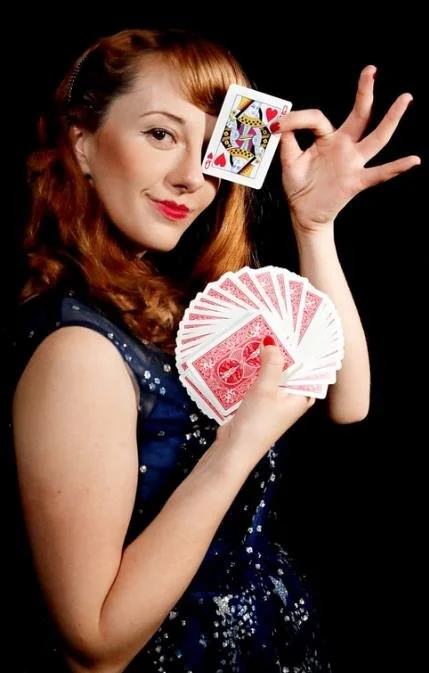
It catches out visitors and a surprising number of locals. I'm Magical Katrina, an award winning magician and mentalist who performs across the Bay Area, and I want to set out what the city's climate means for outdoor events and what that implies when you're booking a San Francisco magician.
Summer Is Not the Warm Season Here
Start with the fact that governs everything. July and August in the city are frequently cool, grey, and windy in the evenings, while September and October are genuinely warm.
That means a summer party outdoors is a riskier proposition than an autumn one, which is the opposite of how most people plan. If your event is flexible and you want outdoor space to be usable into the evening, the early autumn months are the safer choice. It's a straightforward planning decision that costs nothing and materially changes whether your terrace gets used.
The Evening Is the Problem, Not the Day
Worth being precise about, since the daytime frequently looks fine. Afternoons can be pleasant, and the fog and wind arrive in the late afternoon and evening, which is exactly when your reception starts.
That's why so many outdoor plans fail here: people assess the venue at two in the afternoon and book it for seven. If you're viewing a space with a view to evening use, visit at the hour your event will actually run. And plan on the assumption that guests will move indoors at some point, because they usually do.
Microclimates Are Real
Specific to this region and genuinely useful. Conditions vary considerably across short distances: a venue in one neighborhood can be windy and grey while somewhere twenty minutes away is warm and still.
The East Bay and the Peninsula are reliably warmer than the city, and wine country to the north is warmer again, frequently by a considerable margin. If outdoor use matters to your event, that's an argument for looking beyond the city rather than accepting a fogbound terrace. It's also worth asking any venue directly how their outdoor space behaves in the evening, since they'll know.
Plan for Both Spaces
The practical requirement whatever you decide. Nearly every viable outdoor venue here has indoor space as well, and your event will probably use both, frequently moving between them mid evening without anybody announcing it.
That's the single most useful thing to plan around. A format requiring power, staging, or a sound setup becomes a problem when the plan changes at short notice, whereas a San Francisco magician performing close up relocates with your guests and nobody notices. Tell your performer both spaces are in play and they'll work the whole event rather than half of it.
Practical Measures That Help
Small things that materially extend how long outdoor space is usable. Patio heaters, which most venues can supply or hire, make a genuine difference in the hour when people would otherwise go inside.
Wraps or blankets, which sounds fussy and is consistently appreciated, particularly at weddings where guests dressed for a summer evening. Windbreaks where the venue allows them. And an honest word in the invitation suggesting a layer, since guests who packed for California summer routinely arrive in nothing warm enough. None of that is expensive and all of it buys you outdoor hours.
Weddings Deserve Special Care
Worth a note, since outdoor weddings here are popular and frequently planned by people from elsewhere. A ceremony at four is usually fine and a drinks reception at six is where the trouble starts.
Build the timeline around the weather rather than around the photographs: earlier outdoor elements, indoor space genuinely available for the evening, and heaters ready rather than requested on the night. Guests at a wedding will stay outside politely while being cold, which looks fine in photographs and isn't what you wanted for them.

Wine Country and the Peninsula Are Different
Worth knowing if your event is outside the city. Napa, Sonoma, and the Peninsula are meaningfully warmer, and the planning problem reverses: the risk there is afternoon heat rather than evening cold.
That affects timing, shade, and how long guests will stand in an unshaded courtyard. It also affects performers, since standing in direct sun for two hours is a genuine consideration. Different problem, same principle: ask the venue how the space behaves at the hour your event runs, and plan for what actually happens rather than what the photographs suggest.
Choose a Format That Doesn't Care
The conclusion underneath all of this. The more your entertainment depends on setup, power, sound, or a fixed position, the more exposed your event is to a weather decision made at six o'clock.
Close up magic needs none of it and works on a terrace, in a courtyard, or inside without any adjustment, moving with your guests as they move. Among practical arguments for booking a San Francisco magician working close up, weather independence is one that only becomes obvious when you've watched a plan change an hour before an event.
A Note on "Local vs. Traveling In"
Worth knowing: the right performer needn't be Bay Area based, and many travel in, with travel discussed openly and factored into the quote. I'm based in the Los Angeles area and travel to San Francisco and the wider Bay Area for events, and I've worked enough outdoor evenings here to plan for the fog rather than be surprised by it.
Why Book Magical Katrina
If your event has outdoor space in play, here's my case. I'm a member of the Magic Circle in London and the Academy of Magical Arts in Hollywood, I've earned multiple magic awards, and I've performed for clients including Formula 1, the Olympics, Porsche, Zapier, and the Ritz Carlton, with appearances on Penn & Teller: Fool Us and Masters of Illusion. I need no stage, power, sound, or setup, so a terrace, a courtyard, and an indoor room all work identically, and I move with your guests when the evening cools without anything needing to be relocated.
Frequently Asked Questions
Is summer the wrong time for an outdoor event here?
Frequently, since July and August in the city are often cool, grey, and windy in the evenings while September and October are genuinely warm. That makes a summer party outdoors riskier than an autumn one, which is the opposite of how most people plan. If your date is flexible and outdoor use matters, early autumn is the safer choice.
The venue looked lovely when we visited. What went wrong?
You probably visited in the afternoon. Days can be pleasant here while the fog and wind arrive in the late afternoon and evening, which is exactly when a reception starts. Visit at the hour your event will actually run, and plan on the assumption that guests will move indoors at some point, because they usually do.
Do conditions really vary that much across the region?
Considerably, since a venue in one neighborhood can be windy and grey while somewhere twenty minutes away is warm and still. The East Bay and Peninsula are reliably warmer than the city and wine country warmer again, frequently by a margin. If outdoor use matters, that's an argument for looking beyond the city.
What should we plan for?
Both spaces, since nearly every viable outdoor venue has indoor space too and your event will probably use both, frequently moving mid evening without anybody announcing it. A format requiring power, staging, or sound becomes a problem when that happens, whereas close up magic relocates with your guests unnoticed.
What practical measures actually help?
Patio heaters, which most venues can supply or hire and which genuinely extend how long people stay outside. Wraps or blankets, which sounds fussy and is consistently appreciated. Windbreaks where permitted. And a line in the invitation suggesting a layer, since guests who packed for California summer routinely arrive in nothing warm enough.
We're planning an outdoor wedding. Any specific advice?
Build the timeline around the weather rather than the photographs: earlier outdoor elements, indoor space genuinely available for the evening, and heaters ready rather than requested on the night. A ceremony at four is usually fine and a drinks reception at six is where trouble starts, and guests will stay outside politely while being cold.
Our event is in wine country. Same issues?
Reversed, since Napa, Sonoma, and the Peninsula are meaningfully warmer and the risk becomes afternoon heat rather than evening cold. That affects timing, shade, and how long guests will stand in an unshaded courtyard, and it affects performers too. Same principle: ask how the space behaves at the hour your event runs.
How do I book you, and what do you need to know?
Reach out with your date, venue, guest numbers, and whether outdoor space is in play. That's enough for me to check availability and send a quote, and I'll plan for both spaces as a matter of course since I need no stage, power, or setup and can move with your guests when the evening cools.

Plan for the Evening You'll Actually Get
San Francisco rewards outdoor events and punishes optimism about them, since the city's summer evenings are cool and its autumn ones aren't, and the fog arrives at precisely the hour your reception starts. Choose your date with that in mind, view venues at the hour you'll use them, look beyond the city if outdoor space genuinely matters, and plan for guests moving inside because they will.
Then book a format that doesn't care which space they're in, which for most events means a San Francisco magician working close up.
Reach out with your date and venue, and I'll plan for both spaces.