


Halloween Magician for Shopping Centers and Retail Events
Halloween Magician for Shopping Centres and Retail Events
Shopping centres and retail districts programme Halloween for one reason: families who come for an event stay longer, spend more, and choose your centre over the one fifteen minutes away. The entertainment is a footfall instrument rather than a party.

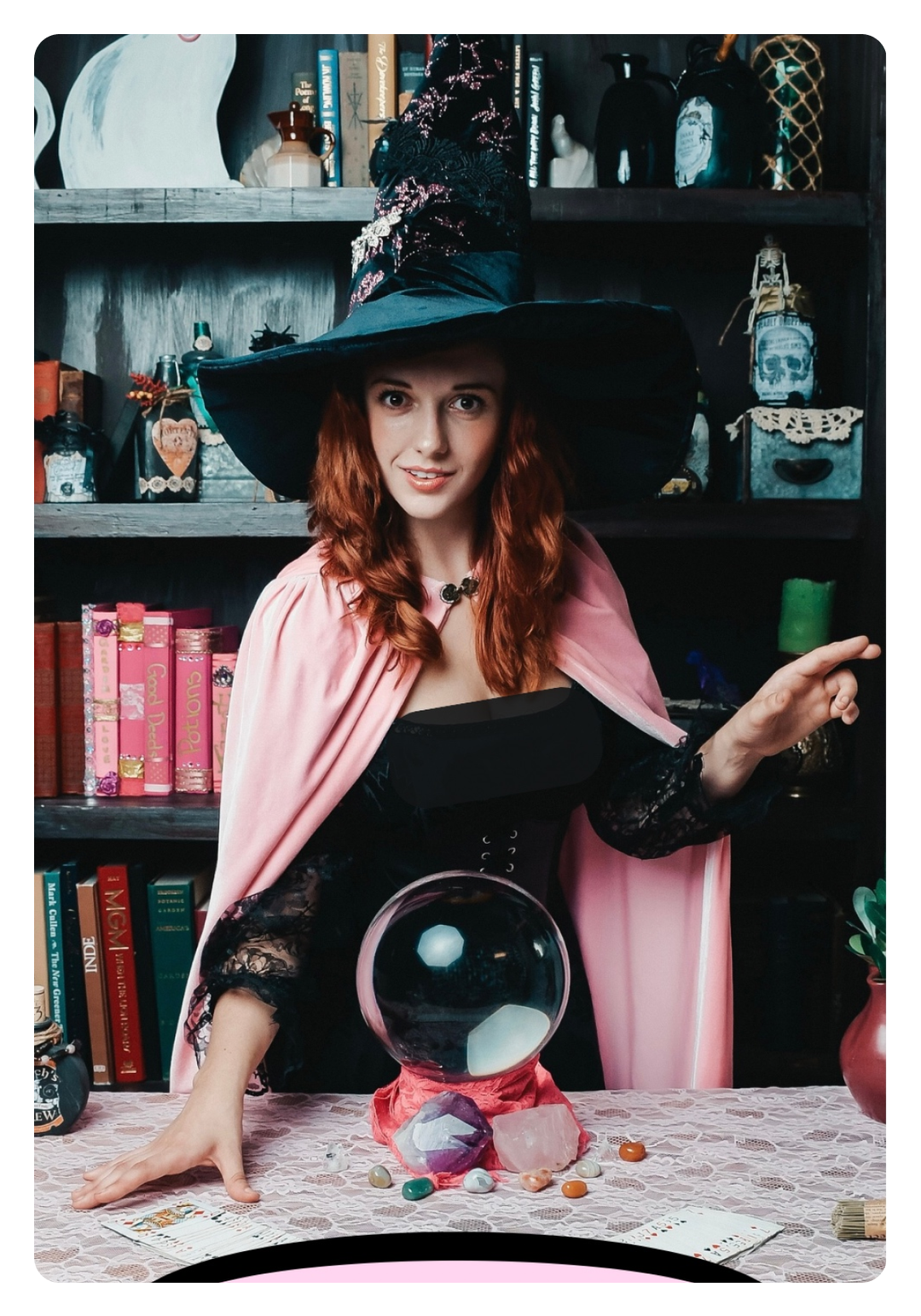
That changes what good looks like. I'm Magical Katrina, an award winning magician and mentalist, and I want to set out what a Halloween magician does in a retail setting, and how to program October so it actually moves the numbers.
Dwell Time Is the Metric
Start with what you're buying. A family who comes for a trick or treat trail, collects their sweets, and leaves after twenty five minutes has cost you money. A family who stays ninety minutes has lunch, buys something, and visits three stores they weren't planning to.
Everything in your October program should be judged on whether it extends that stay. Activities that complete quickly, however popular, work against you, while anything families encounter repeatedly across a visit keeps them in the building. That's the specific job this kind of booking does.
Families Arrive All Day, Not at a Showtime
Practically the governing constraint in retail. Your visitors come when it suits them across six or seven hours, and a scheduled performance at two o'clock serves whoever happens to be there and nobody else.
Something that works continuously reaches far more of your footfall for the same spend. Shoppers encounter it rather than attending it, which suits a center where nobody consults a program, and it means the family who arrived at eleven and the family who arrived at four both got something.
Spread It, Don't Centre It
Worth planning deliberately. The instinct is to put everything in the main atrium, and the result is a crowded central space and quiet malls at either end where the retailers are wondering what they're paying service charge for.
Moving entertainment through the center pulls families past stores they'd otherwise not reach. If you have tenants in a weaker mall, that's where to route it, and it's an easy thing to show them you did. Retail entertainment that stays in one place is decoration; entertainment that moves is distribution.
Queues Are Your Biggest Risk
Worth managing, since Halloween retail events generate them. A free grotto, a trail, or a photo opportunity produces lines of small children in costume, and a twenty minute wait with a four year old is how a family decides to leave.
Entertainment that works the queues addresses exactly that, reaching the people at their least patient at the moment it matters. A line that's enjoyable isn't a line families abandon, and that directly protects the dwell time you're trying to build.
Keep It Entirely Gentle
Worth being firm about for this audience. A shopping centre has no door policy: your audience includes toddlers, older shoppers who came to buy socks, and people who did not opt into a Halloween experience at all.
Nothing can be frightening, and nothing should be unavoidable. Intriguing and light suits a public space, and a performer who works these settings reads the difference between a family who wants to engage and a shopper trying to get to the bank. That judgment matters more in retail than in almost any other setting.
Your Marketing Team Needs Content
Worth planning for, since the event has a second audience. Your social channels need material through October, and a trail of decorations photographs much the same as last year's.
Something happening with real reactions gives your team footage worth posting, and it gives visitors something to film and share themselves, which is the cheapest reach your center will get all month. Agree in advance who's filming and what's permitted, since that's easier settled beforehand than negotiated on the day.
Retailers Should Know What's Happening
Practically useful and routinely skipped. Your tenants are the people who judge whether the marketing spend worked, and a retailer who didn't know there was an event can't staff for it or capitalize on it.
Tell them what's on, when, and where it will be moving. A store manager who knows families will be passing at two can put somebody on the door with an offer. That costs you an email and it's the difference between retailers who support next year's programme and retailers who complain about the service charge.
October Books Out Early
The seasonal reality. A season's demand compresses into a few weekends, and the weekend closest to Halloween is the most contested date of the autumn across every sector.
Centers that program annually should book the following year as soon as the current one finishes, since that's how you get your first choice rather than whoever remained. If you're arranging late, ask about weekdays and the weekends either side, which are considerably more available and frequently suit families with younger children better anyway.
A Note on "Local vs. Traveling In"
Worth knowing: I'm based in the Los Angeles area and travel for events through the season. Travel is discussed openly and factored into the quote rather than being your problem to arrange, and for multi day retail programs it's usually straightforward to cover several dates in one arrangement.
Why Book Magical Katrina
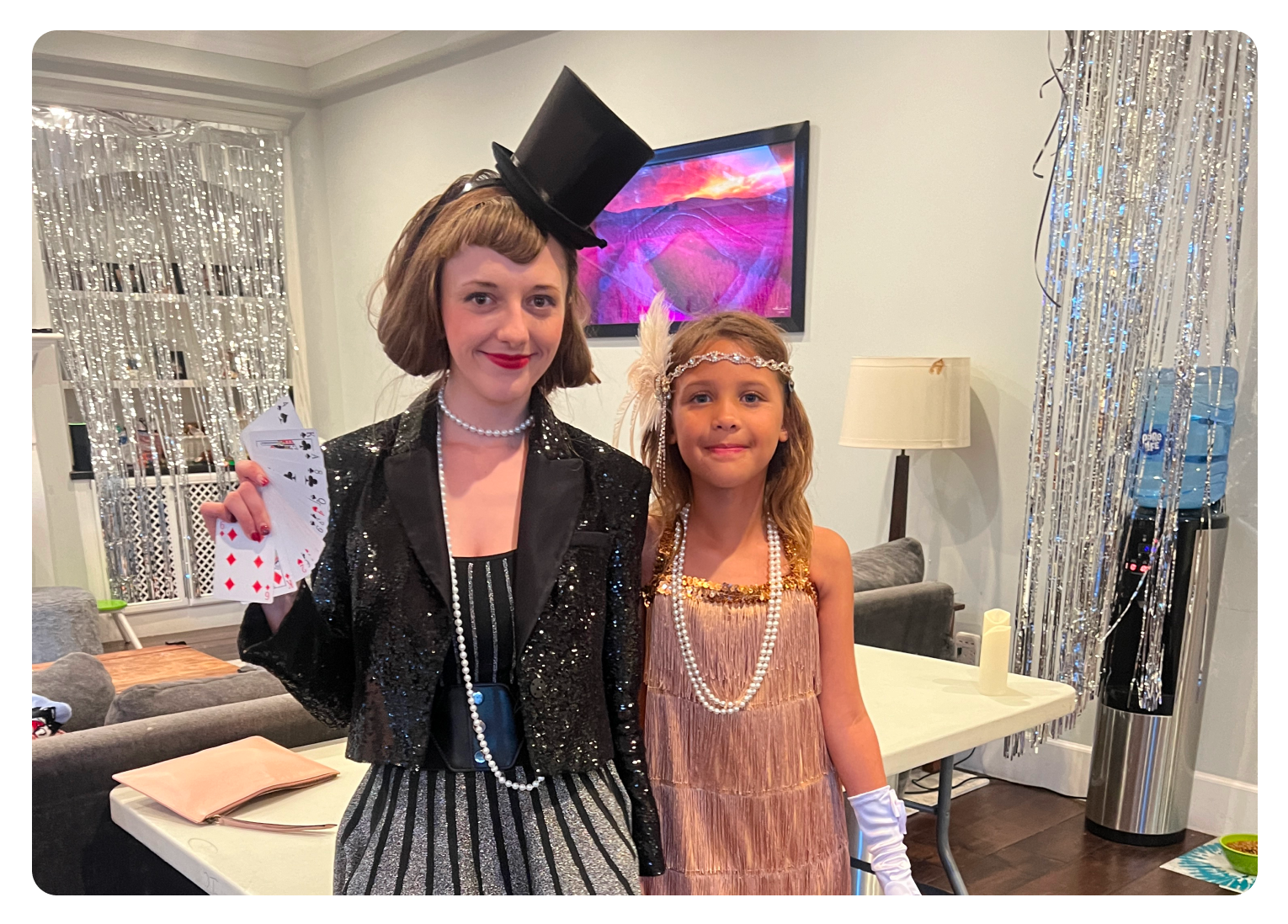
If you're programming a center, here's my case. I've earned multiple magic awards including a Family Entertainer of the Year honour, I've appeared on Blippi as a performer and magic consultant, and I've been seen on Penn & Teller: Fool Us and Masters of Illusion, with brand and corporate clients including Prada, Porsche, and the Ritz Carlton. I work continuously across a day rather than at showtimes, I move through the centre rather than staying in the atrium, I need no stage, power, or sound so no unit or space is taken out of use, and nothing in what I do will frighten a small child or inconvenience a shopper.
Frequently Asked Questions
What should we actually be measuring?
Dwell time, since a family who collects sweets and leaves after twenty five minutes has cost you money while one who stays ninety has lunch and visits stores they weren't planning to. Judge every element on whether it extends the stay.
Should we schedule performances?
No, since visitors arrive across six or seven hours and a two o'clock showtime serves whoever happened to be there. Something continuous reaches far more of your footfall for the same spend, and shoppers encounter it rather than attending it.
Where should it happen?
Through the center rather than in the atrium, since concentrating everything centrally leaves quiet malls where tenants wonder what the service charge buys. Route it past weaker units, and it's an easy thing to demonstrate to those retailers.
What's the biggest risk to the event?
Queues, since trails and grottos generate lines of small children and a twenty minute wait with a four year old is how a family decides to leave. Entertainment that works the queues protects exactly the dwell time you're building.
How frightening should it be?
Not at all, since a shopping center has no door policy and your audience includes toddlers, older shoppers, and people who didn't opt into Halloween. It also shouldn't be unavoidable, and a performer who works public space reads who wants to engage.
Does it help our marketing?
Yes, since your channels need material through October and a trail of decorations photographs like last year's. Real reactions give your team footage worth posting and give visitors something to share, which is the cheapest reach you'll get.
What about our retailers?
Tell them what's on, when, and where it'll be moving, since a store manager who knows families pass at two can put somebody on the door with an offer. It costs an email and decides whether tenants support next year's program.
When should we book?
As soon as this year's event finishes, since October compresses a season into a few weekends and the one nearest Halloween is the most contested date of the autumn. Late bookers should ask about weekdays and the surrounding weekends.
Program for the Stay, Not the Show
A retail Halloween event succeeds if families stayed longer and reached more of the centre, which means the best programming is continuous, mobile, and placed where your quieter tenants are.
A Halloween magician suits that precisely: it runs across the day rather than at a showtime, moves through the malls pulling families past stores, makes the queues bearable, needs no unit or power, and gives your marketing team something to film that doesn't look like last October.
Reach out with your dates and centre, and I'll tell you how I'd route the day.