


Women's History Month for Kids at Youth Groups and After School Clubs
Women's History Month for Kids at Youth Groups and After School Clubs
Youth groups, uniformed organisations, and after school clubs mark March differently from schools, and most of the advice available is written for classrooms. A club leader has one hour, mixed ages in the same room, volunteers rather than staff, no curriculum to hang anything on, and children who came to do something rather than to learn something.

Those constraints point to a different kind of session. I'm Magical Katrina, an award winning magician and mentalist, and I want to offer ideas for Women's history month for kids that suit a club rather than a classroom.
They Came to Do, Not to Sit
Start with the thing that decides success. Children arrive at a club having already been at school all day, and anything that resembles another lesson will be received as one.
That rules out most March material, which is written for a classroom where sitting and listening is normal. A club session needs to be active, or at minimum something happening rather than something explained. Get that right and the content can be as substantial as you like; get it wrong and the best material in the world lands on a room that's already switched off.
Mixed Ages Is the Hard Part
The structural problem clubs have and schools mostly don't. A single group may hold a six year old and an eleven year old, or a wider spread again, and almost nothing is pitched at both.
Activities aimed at the youngest bore the oldest, and anything aimed at the oldest loses the youngest entirely. What works across the range is doing rather than discussing: making something, trying something, or watching something that doesn't depend on reading level or vocabulary. Astonishment is one of the few things that works identically at six and at eleven, which is why it suits a club room.
Your Leaders Are Volunteers With Day Jobs
Worth planning around honestly. A club session is prepared by somebody in the evening after work, and a plan requiring three hours of preparation, printed materials, and a complicated setup simply won't happen.
Choose something with almost no preparation. One activity done properly beats four half prepared ones, and a leader who isn't exhausted runs a better session than one who stayed up assembling resource packs. If your plan assumes a teaching assistant and a laminator, it isn't a club plan.
You Have No Budget, and That's Fine
Practically relevant for every club I've encountered. Subscriptions cover the hall and the biscuits, and anything else comes out of somebody's pocket or a small fund that has to last the year.
The strongest options cost nothing: inviting a woman from your own community to come and talk about her job for twenty minutes, using the parents in your group, or asking the children what they want to know. If you do have a little money or can pool with neighboring groups, pooling is usually how clubs afford anything worth booking.
Local Women Beat Famous Ones
Worth knowing, since it's both cheaper and better. A historical figure in a book is interesting and finished, whereas a woman from your own town who does a job a child can picture suggests something that child could actually do.
Clubs are unusually well placed for this, because your parent group almost certainly contains an engineer, a paramedic, a mechanic, a scientist, or a business owner. Ask. People say yes far more often than leaders expect, and twenty minutes of somebody showing what they do beats an hour of anything you could prepare.
Don't Make It a Lecture About Fairness
Worth being careful with, particularly in mixed groups. Sessions framed as being about unfairness invite children to sort themselves into whether it applies to them, and in a club setting where attendance is voluntary that costs you the room.
Teach what the women did, not primarily what stood in their way. Children find the work more interesting than the obstacles, boys stay engaged rather than feeling accused, and girls come away with a picture of the job rather than of the barriers. The point still lands, and it lands on a room that stayed with you.
Badge Work Can Carry It
Worth checking if you're in a uniformed organization. Most have badges or awards that this material fits into naturally, which means the session counts toward something the children are already working on rather than sitting outside the program.
That solves two problems at once: it justifies the time to anybody who asks, and it gives the children a reason to be invested. Check your own organization's requirements before planning, since fitting the session to an existing badge is considerably easier than inventing something freestanding.
It Doesn't Have to Be March
Worth saying, since clubs run on their own calendars. March may clash with a camp, a competition, half term, or whatever your group is already building toward, and a session squeezed in badly is worse than one held properly in May.
Nothing about this material expires. Use March as a prompt to plan it rather than a deadline to meet, and run it when your group actually has an hour to give it.
Why Book Magical Katrina
If you're planning a session for a club, here's my case. I've earned multiple magic awards including a Family Entertainer of the Year honour, I've appeared on Blippi as a performer and magic consultant, and I've been seen on Penn & Teller: Fool Us and Masters of Illusion. I work for every age in the room at once, I need no stage, power, or setup so a church hall or a scout hut works exactly as it is, there's nothing for your leaders to prepare, and I'm happy to talk about how I got here as well as perform.
Frequently Asked Questions
Why doesn't classroom material work at a club?
Because children arrive having already been at school all day and anything resembling another lesson is received as one. Most March material assumes a classroom where sitting and listening is normal, so a club session needs to be active or at least something happening rather than explained.
How do we handle mixed ages?
Choose doing over discussing, since activities aimed at the youngest bore the oldest and the reverse loses the youngest entirely. Making, trying, or watching something that doesn't depend on reading level works across the range.
Our leaders are volunteers. What's realistic?
Something with almost no preparation, since a plan needing three hours, printed materials, and a complicated setup won't happen. One activity done properly beats four half prepared ones, and a plan assuming a teaching assistant and a laminator isn't a club plan.
What can we do with no budget?
Invite a woman from your own community to talk about her job for twenty minutes, use the parents in your group, or ask the children what they want to know. If you have a little money, pooling with neighboring groups is usually how clubs afford anything worth booking.
Why local women rather than famous ones?
Because a historical figure is interesting and finished, whereas a woman from your town doing a job a child can picture suggests something that child could do. Your parent group almost certainly contains one, and people say yes more often than leaders expect.
Should we talk about unfairness?
Lightly. Sessions framed around unfairness invite children to sort themselves into whether it applies, which in a voluntary setting costs you the room. Teach what the women did rather than what stood in their way, and the point still lands.
Can this count toward a badge?
Usually yes, and it's worth checking your organization's requirements first. Fitting the session to an existing badge justifies the time and gives children a reason to be invested, and it's far easier than inventing something freestanding.
Does it have to happen in March?
No, since clubs run on their own calendars and March may clash with a camp, a competition, or half term. Nothing about this material expires, so use March as a prompt to plan it and run it when your group has an hour to give it.
Plan for the Room You Actually Have
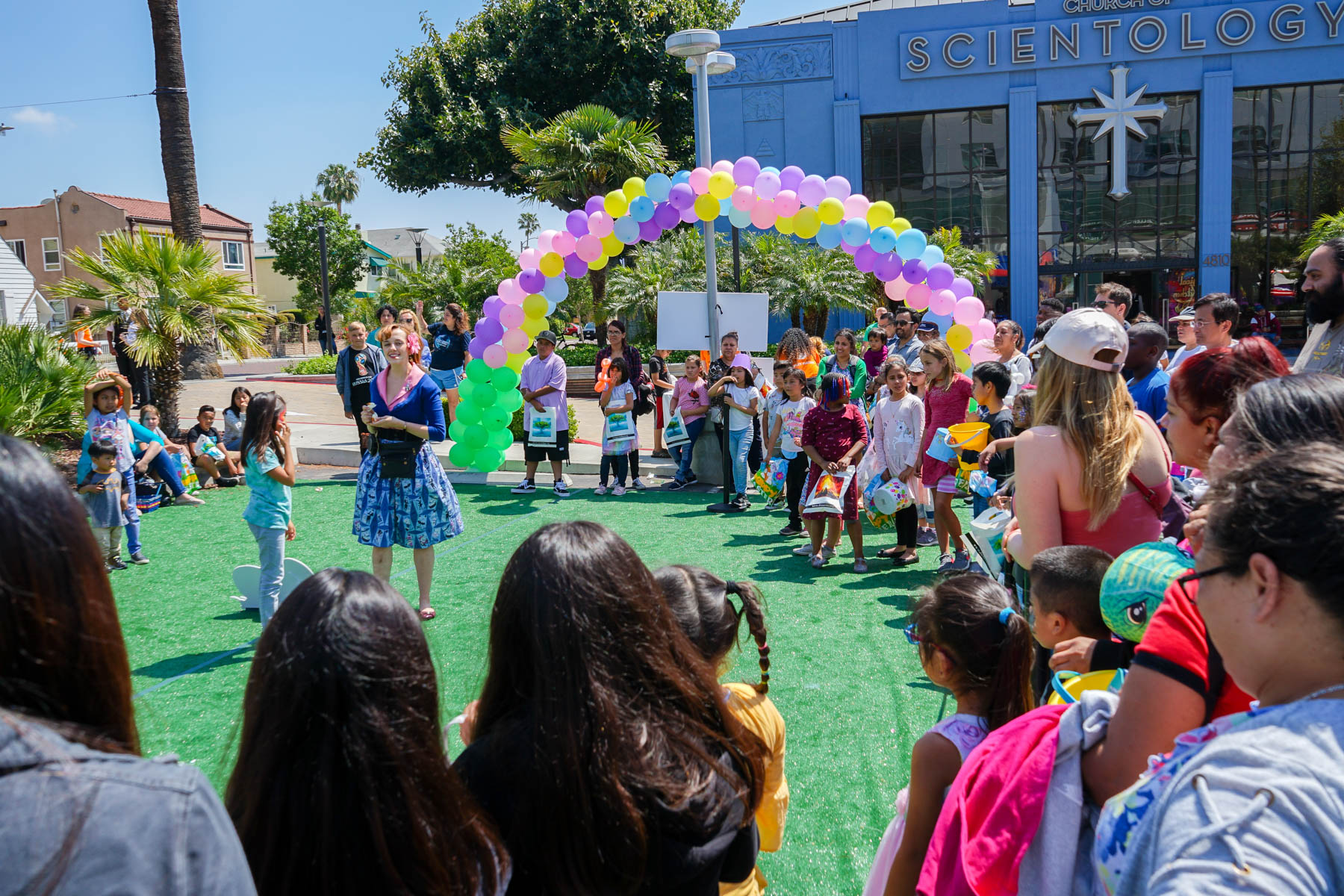
A club is not a classroom, and the most useful Women's history month for kids sessions in that setting are active, cost nothing, need no preparation, and work for a six year old and an eleven year old at the same time.
Invite somebody local who does a job the children can picture, teach the work rather than the obstacles, tie it to a badge if your organization has one, and run it whenever your group actually has the hour rather than forcing it into March.
Reach out if you're planning something for a club, and I'm glad to talk about what works in a hall.