


Halloween Magic Show for Hotels and Resorts
Halloween Magic Show for Hotels and Resorts
Hotels and resorts sell Halloween weekends on the promise that something will be happening. Families book a stay expecting a program, arrive with children who've been told there will be activities, and form their view of the whole stay partly on whether the schedule delivered.

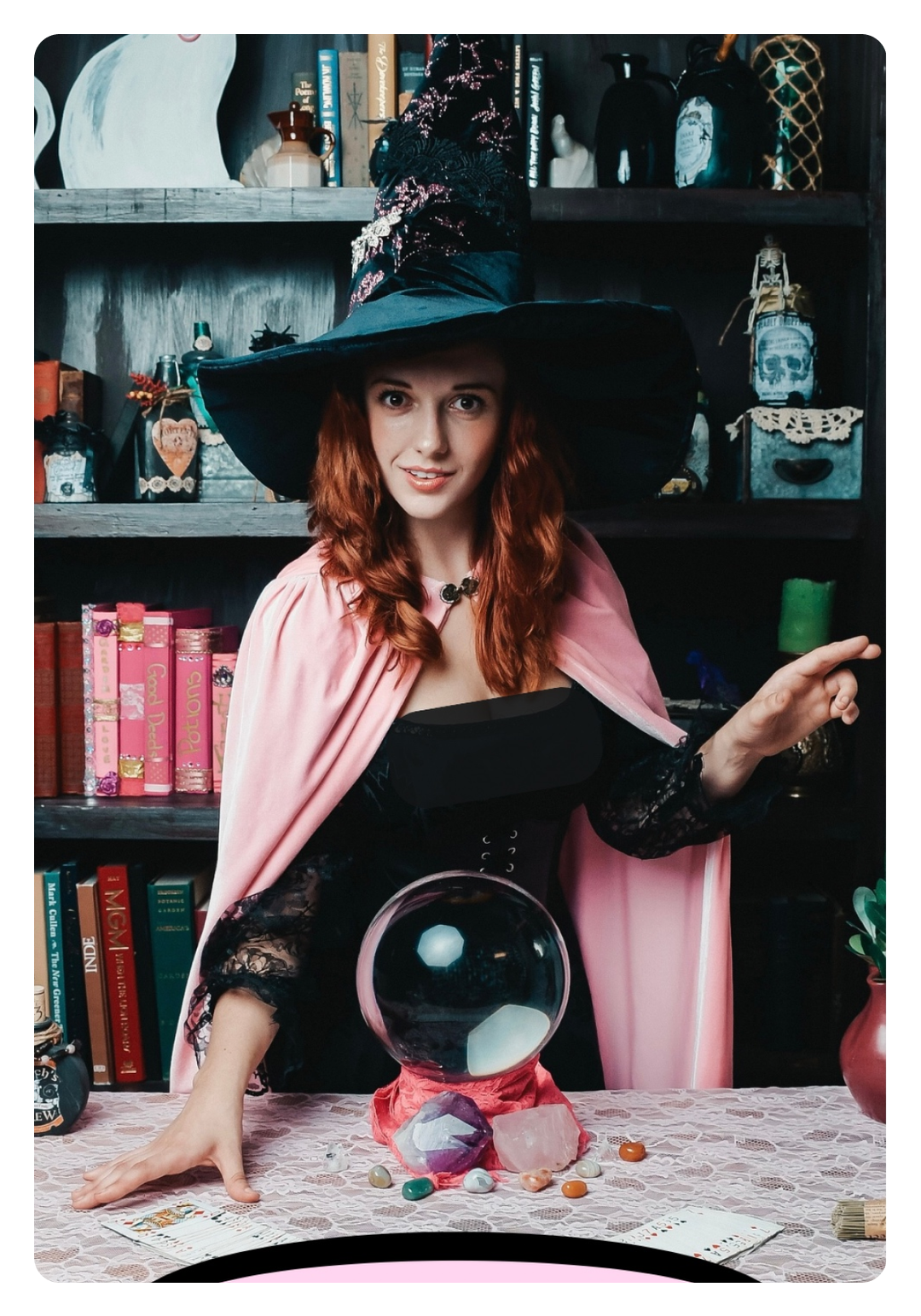
That's a different proposition from a ticketed event. I'm Magical Katrina, an award winning magician and mentalist, and I want to set out how a Halloween magic show works as resort programming, where the audience is already staying with you and the stakes are guest satisfaction rather than footfall.
Your Audience Is Already Paying
Start with what distinguishes this from other Halloween bookings. A ticketed event has to attract an audience, whereas your guests are already there, already paid, and already expecting the program they were sold.
That makes the risk different. You aren't trying to fill a room, you're trying to avoid a family who booked a Halloween weekend concluding that the activities were thin. Among reasons to program a Halloween magic show at a resort, protecting the promise you made at the point of booking is the commercial one.
Guests Arrive and Leave Across the Weekend
The scheduling reality. Families check in from the afternoon onwards, leave at different times, and don't all overlap, which means a single event on one evening reaches whoever happens to be staying that night.
Programming across the weekend reaches considerably more of your guests. Two or three shorter sessions across Friday, Saturday, and Sunday cover the changing population, and they cost less per session than separate bookings. Ask about multi day rates when you enquire, since most performers price a block more favorably than single days and a resort weekend is exactly that.
Families Come as Mixed Groups
Worth planning around, since resort families aren't a single age band. A booking party frequently includes a toddler, a nine year old, teenagers, parents, and occasionally grandparents who came along for a family weekend.
Entertainment pitched at children entertains a third of them while everyone else waits, which at a resort matters because the adults are your guests too and are forming a view of the stay. Good magic works across the whole range, and it's worth asking any performer specifically how they handle mixed family groups rather than accepting a claim that it suits everyone.
Atmospheric, Not Frightening
Worth being clear about tone, since a resort has no control over who wanders into a communal space. A family Halloween program wants intrigue rather than genuine fright, particularly where young children are present and their parents didn't opt into a scare experience.
That's straightforward for a performer used to family audiences and worth confirming at booking. If you also run a separate scare event for older guests, keep the two clearly distinct in your program so families know which is which, and let the general programming be the part everybody can attend without preparation.
The Weather Will Interfere
Practical and worth planning for, since Halloween sits in a season where outdoor programming is provisional in most markets. A trail, a lawn activity, or an outdoor screening is a fine plan until it rains.
Entertainment that works indoors without adjustment is a genuine contingency rather than only a program item. Close up magic needs no stage, power, sound, or setup, works in a lobby, a function room, a restaurant, or a lounge exactly as it is, and can be relocated at an hour's notice. For a resort with an outdoor program and a weather risk, having something that doesn't care is worth more than it appears on the schedule.
Lobbies and Lounges Work
Worth knowing when planning where. Resort programming frequently defaults to a function room, and roaming through the spaces guests are already occupying reaches considerably more of them.
A performer working a lobby during the arrival period, a restaurant during dinner service, or a lounge in the early evening meets families where they are rather than requiring them to attend something scheduled. That suits a resort audience particularly, since guests on holiday resist timetables and respond well to things that simply happen around them.
It Reaches the Adults Too
Worth noting for guest satisfaction. A resort Halloween program aimed entirely at children leaves the paying adults supervising rather than enjoying anything, which is a common complaint in feedback that hotels rarely address.
Entertainment that genuinely reaches both means parents have a good time rather than watching their children have one. For a property measured on guest scores and repeat bookings, that distinction is worth more than an additional children's activity, since the adults are the ones filling in the review.
Book Earlier Than You'd Expect
The seasonal constraint. October concentrates a season's demand into a few weeks, and the weekend nearest Halloween absorbs most of it, with private and corporate bookings taken months ahead.
Resort programming is frequently decided later, which is how activity managers find nobody available. If Halloween matters to your bookings, treat it like December and arrange it in the summer. If you're reading this in October, ask about weekdays and the weekends either side, which are considerably more available.
A Note on "Local vs. Traveling In"
Worth knowing: performers who travel often have availability when local ones are booked, and October fills early everywhere. Travel is discussed openly and factored into the quote rather than being your problem. I'm based in the Los Angeles area and travel for events, and a defined block of dates across a weekend suits travelling in well.
Why Book Magical Katrina
If you're programming a resort weekend, here's my case. I'm a member of the Magic Circle in London and the Academy of Magical Arts in Hollywood, I've earned multiple magic awards including a Family Entertainer of the Year honor, and I've appeared on Blippi as a performer and magic consultant, along with Penn & Teller: Fool Us and Masters of Illusion. I perform for mixed family groups without pitching at one age, I work roaming or as a set piece, I need no stage or power, and I can be moved indoors at short notice when the weather turns.
Frequently Asked Questions
How is this different from a ticketed Halloween event?
Your audience is already there, already paid, and already expecting the program they were sold, so you aren't filling a room, you're avoiding a family concluding that the activities were thin. Protecting the promise made at the point of booking is the commercial reason to program a Halloween magic show at a resort.
Should we program one event or several?
Several, since guests check in from the afternoon onwards, leave at different times, and don't all overlap, which means a single evening event reaches whoever happens to be staying that night. Two or three shorter sessions across the weekend reach considerably more guests and cost less per session than separate bookings.
Our guests come as mixed family groups. Does that work?
It's the normal situation, with a toddler, a nine year old, teenagers, parents, and sometimes grandparents in one party. Entertainment pitched at children entertains a third of them while everyone else waits, which matters because the adults are your guests too. Ask performers specifically how they handle mixed groups.
How frightening should it be?
Atmospheric rather than genuinely frightening, since a resort has no control over who wanders into a communal space and young children may be present whose parents didn't opt into a scare experience. If you run a separate scare event for older guests, keep the two clearly distinct in your program.
What if the weather turns?
That's an argument for this format, since Halloween sits in a season where outdoor programming is provisional and a trail or lawn activity is a fine plan until it rains. Close up magic needs no stage, power, sound, or setup, works in a lobby or lounge exactly as it is, and can be relocated at an hour's notice.
Where should it happen?
In the spaces guests already occupy rather than only a function room, since a performer roaming a lobby during arrivals, a restaurant at dinner, or a lounge in the early evening reaches considerably more people. Guests on holiday resist timetables and respond well to things that simply happen around them.
Does it matter that adults enjoy it too?
Considerably, since a program aimed entirely at children leaves paying adults supervising rather than enjoying anything, which is a common complaint hotels rarely address. Entertainment reaching both means parents have a good time rather than watching their children have one, and the adults are the ones filling in the review.
How early should we book?
Treat it like December and arrange it in the summer, since October concentrates a season's demand into a few weeks with the weekend nearest Halloween absorbing most of it. Resort programming is frequently decided later, which is how activity managers find nobody available. If it's already October, ask about weekdays and the surrounding weekends.

Deliver the Weekend You Sold
Families book a Halloween stay expecting something to happen, and a thin program is remembered in the review rather than at the time. A Halloween magic shosuits resort programming because it reaches the mixed family groups you actually have, works in the lobby and lounge rather than requiring attendance at a scheduled slot, includes the adults rather than occupying the children, and moves indoors the moment the weather turns.
Program it across the weekend rather than on one evening, and your guests encounter it whenever they happen to be there.
Reach out with your dates and property, and let's talk about the weekend.