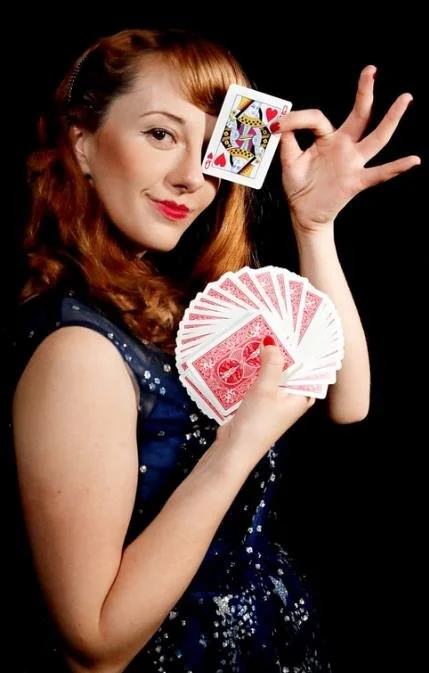


Illusionist NYC for Property Launches and Broker Events
Illusionist NYC for Property Launches and Broker Events
Property marketing in New York runs on events. Sales galleries open with a reception, buildings launch to brokers before they launch to buyers, and agents are invited to something most weeks by developers who all want the same thing: attendance, attention, and the building remembered when a client asks what's available.

Brokers, meanwhile, have a great many invitations. I'm Magical Katrina, an award winning magician and mentalist, and I want to explain what an illusionist NYC developers book brings to a launch or broker event, which is about dwell time rather than entertainment.
Brokers Attend a Lot of These
Start with the competitive reality. An agent working a Manhattan market is invited to launches, previews, and broker breakfasts constantly, frequently with comparable catering in comparable spaces.
That makes differentiation genuinely hard, and it means attendance is a decision rather than a given. Something happening that isn't happening at the other three launches that week gives brokers a reason to choose yours, and gives them something to mention to colleagues afterwards, which is how a building enters conversation in a market where word of mouth between agents matters considerably.
The Objective Is Dwell Time
Worth being clear about what you're buying. A launch event succeeds when people stay long enough to look properly at the space, talk to your sales team, and form an impression that lasts beyond the evening.
A guest who arrives, takes a drink, walks through, and leaves in twenty minutes has attended without absorbing anything. An illusionist NYC working the room extends that: people stop, engage, and remain in the space considerably longer than they'd planned, which is precisely the condition under which your sales team can have a genuine conversation rather than a handshake.
Sales Galleries Have No Facilities
Practically decisive. A sales gallery, a model apartment, or an unfinished floor has no stage, no sound system, frequently limited power, and a layout designed for showing property rather than hosting events.
That eliminates nearly every form of entertainment. Close up magic needs no stage, power, sound, or floor space beyond where guests already stand, works in a model kitchen or an empty living room exactly as it is, and leaves nothing behind. For a space you're presenting as a finished product, entertainment requiring no equipment or cabling is worth a great deal.
It Doesn't Compete With the Space
Worth noting, since it's a real risk with launch events. Anything that becomes the center of the room draws attention away from the building, which is the opposite of what a launch is for.
A performer working small groups keeps people circulating, engaged, and moving through the space rather than gathering in one place watching something. That's a genuine distinction: the entertainment supports the viewing rather than replacing it, and guests leave having actually seen the property rather than having enjoyed an evening in it.
Your Sales Team Needs Openings
The practical benefit for the people working the room. Approaching a broker or a prospective buyer cold at a launch is awkward for both parties, and your team spends the evening looking for openings.
A group that has just reacted to something together is considerably easier to join, and the conversation starts from a shared moment rather than from a pitch. Brief your team on that, since the value isn't the entertainment itself but what it makes possible, and a sales team standing at the side watching a performer is wasting the thing they were given.
Discretion With Prospective Buyers
Worth establishing, since high value residential sales involve privacy expectations. Prospective buyers at a private viewing or an invitation only preview may not want to be photographed, named, or noticed.
Any supplier at that event should treat that as a condition rather than a courtesy: no photographs, no social media, and no mention of who attended. A performer who works this kind of event understands it without being asked. It's worth confirming explicitly at booking alongside insurance and terms, particularly if your event includes buyers rather than only agents.
Measure Conversations, Not Attendance
Worth deciding in advance, since it determines whether this gets judged fairly. Attendance at a launch tells you about your invitation list, and what matters is whether your team had substantive conversations and whether brokers left with the building in mind.
Ask your sales team afterwards how many genuine conversations they had compared with a typical launch, which is a more useful measure than a headcount and is the thing the entertainment actually affects. A room of forty people who stayed an hour beats eighty who passed through in twenty minutes.
New York Specifics Worth Checking
Practically relevant. Building access, freight elevator availability, and residential rules apply to sales galleries and model units as they do to any New York venue, and a supplier arriving with a case avoids nearly all of it.
Certificates of insurance are frequently required by the building rather than only by you, so ask what the building's requirements are and pass them on at booking. For events in occupied buildings, noise and timing restrictions may apply, which affects amplified entertainment and doesn't affect a illusionist NYC working at conversational volume.
A Note on "Local vs. Traveling In"
Worth knowing: performers who travel to New York work from a different calendar than those based there, so a date that's impossible locally is sometimes straightforward for someone travelling. I'm based in the Los Angeles area and travel to New York for corporate and marketing events, with travel discussed openly and factored into the quote.
Why Book Magical Katrina
If you're launching something, here's my case. I'm a member of the Magic Circle in London and the Academy of Magical Arts in Hollywood, I've earned multiple magic awards, and I've performed for clients including Formula 1, the Olympics, Porsche, Prada, and the Ritz Carlton, with appearances on Penn & Teller: Fool Us and Masters of Illusion. I work small groups so people keep circulating rather than gathering, I need no stage, power, or sound, so a sales gallery or an unfinished floor works exactly as it is, and I understand discretion as a condition rather than a courtesy.
Frequently Asked Questions
Why do we need entertainment at a launch?
Because brokers are invited to launches, previews, and breakfasts constantly, frequently with comparable catering in comparable spaces, which makes attendance a decision rather than a given. Something happening that isn't happening at the other three launches that week gives them a reason to choose yours and something to mention to colleagues.
What are we actually buying?
Dwell time. A launch succeeds when people stay long enough to look properly at the space, talk to your team, and form a lasting impression, whereas a guest who arrives, takes a drink, and leaves in twenty minutes has attended without absorbing anything. An illusionist NYC extends that considerably.
Won't it distract from the property?
Not if it's the right format, and it's a real risk with anything that becomes the center of the room. A performer working small groups keeps people circulating and moving through the space rather than gathering to watch, so the entertainment supports the viewing rather than replacing it and guests leave having actually seen the property.
Our sales gallery has no facilities. Does that matter?
No, and it's the usual situation, since a gallery, model apartment, or unfinished floor has no stage, no sound, limited power, and a layout designed for showing property. Close up magic needs none of it, works in a model kitchen or empty living room exactly as it is, and leaves nothing behind.
How does it help our sales team?
By creating openings, since approaching a broker or prospective buyer cold is awkward for both parties and your team spends the evening looking for them. A group that has just reacted to something together is far easier to join, and the conversation starts from a shared moment rather than a pitch. Brief your team accordingly.
What about privacy for prospective buyers?
Treat it as a condition of the booking rather than a courtesy, since buyers at a private viewing may not want to be photographed, named, or noticed. No photographs, no social media, and no mention of who attended. Confirm it explicitly at booking, particularly if your event includes buyers rather than only agents.
How should we judge whether it worked?
On conversations rather than attendance, since a headcount tells you about your invitation list. Ask your sales team how many substantive conversations they had compared with a typical launch, which is what the entertainment actually affects. Forty people who stayed an hour beats eighty who passed through in twenty minutes.
How do I book you, and what do you need to get started?
Reach out with your date, the address, expected numbers, whether it's a broker event or includes prospective buyers, and any building requirements such as insurance wording. That's enough for me to check availability and send a quote including travel, and I'll supply a COI for the building without being chased.
Keep Them in the Room
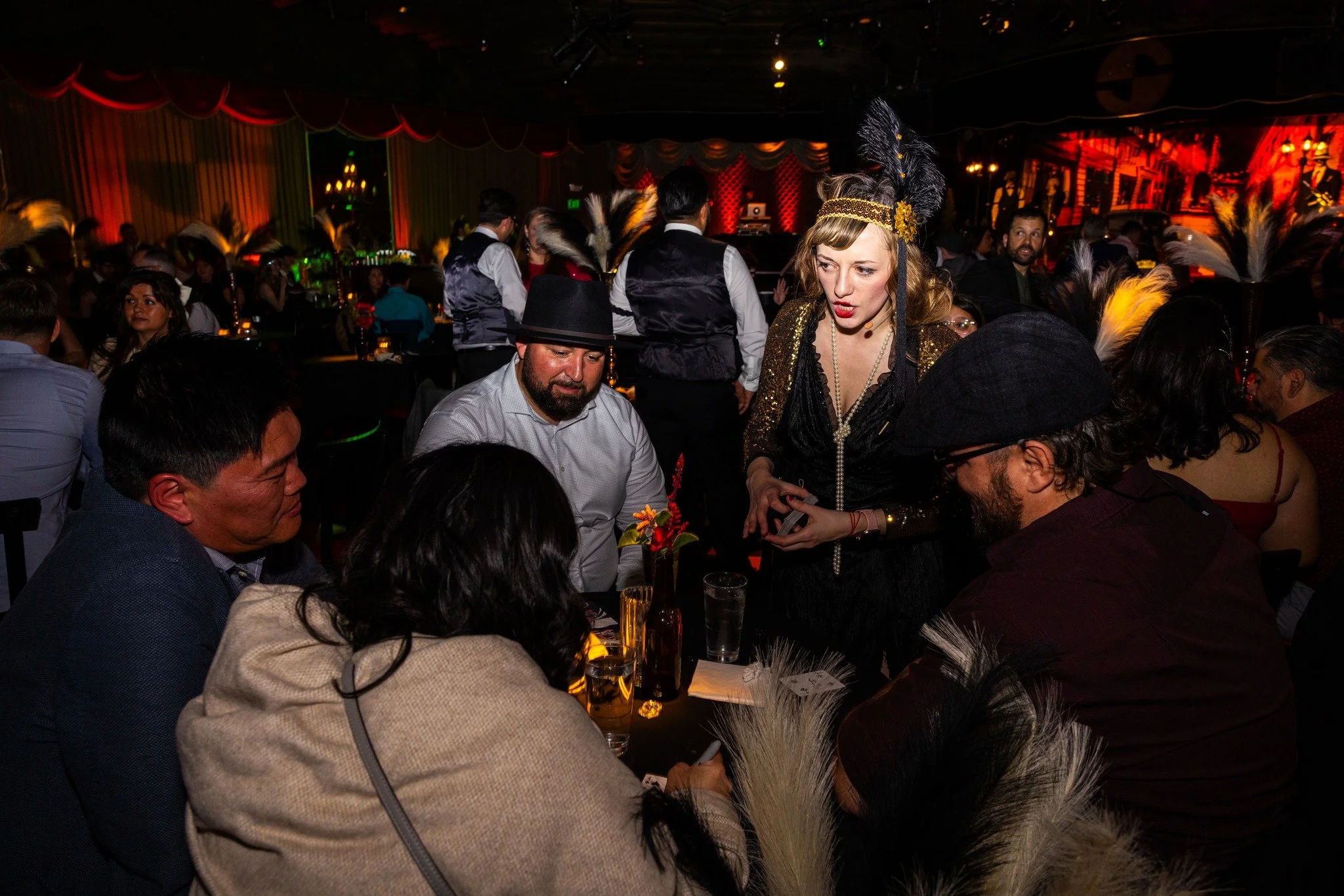
A property launch is an expensive way to get people through a door, and most of what happens next is out of your hands once they've taken a drink and looked around. An illusionist NYC changes the part you can influence: guests who stay considerably longer, circulate rather than cluster, give your sales team openings that don't require a cold approach, and leave with something to mention when a colleague asks what they saw this week.
And it works in an unfinished space with no power, which most entertainment doesn't.
Reach out with your date and address, and let's talk about the evening.