

Halloween Magic Show for Workplaces That Can't Close
Halloween Magic Show for Workplaces That Can't Close
Most Halloween programming assumes people are free to attend something. A great many workplaces aren't: hospitals, care settings, warehouses, distribution centers, retail floors, and call centers all run through the day regardless of the date, and the staff there get a decorated break room at best.
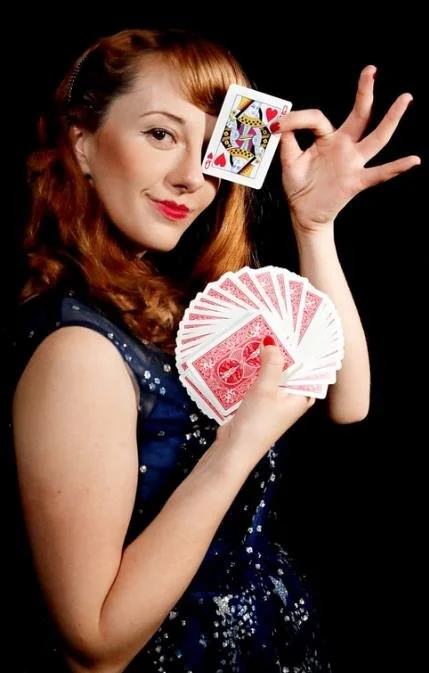
That's a gap worth filling and it needs a different shape. I'm Magical Katrina, an award winning magician and mentalist, and I want to set out what a Halloween magic show looks like for a workplace that can't stop, which is brief, repeated, and taken to where people are.
The Usual Format Doesn't Reach Them
Start with why this gets missed. Organizations mark Halloween with an evening event, a party, or an afternoon gathering, all of which assume staff can leave their post.
On a ward, a floor, or a line, they can't. So the people who work the least flexible hours receive the least, which is the same pattern that governs Christmas parties and summer events and is noticed just as clearly. Among reasons to arrange a Halloween magic show differently, reaching the staff who are always left out is the whole exercise.
Go to Them
The structural answer. Rather than one event somewhere people must travel to, several short appearances in the places people actually are: a break room, a staff area, a canteen, a ward corridor where appropriate.
That reaches considerably more people than an event ever will, since attendance requires nothing of them. It also means staff on shift get something during their working day rather than being asked to give up personal time for a workplace occasion, which for people already working antisocial hours is a meaningful distinction.
Keep Each Session Short
Practical and non negotiable. A break is fifteen or twenty minutes and it belongs to the person having it, so anything arranged should fit inside it rather than extending it.
Ten or fifteen minutes in a break room, repeated across the day as different groups come off the floor, works considerably better than one longer session. Nobody should feel their break was taken up by a work activity, which means it has to be genuinely enjoyable and genuinely optional, and anybody who'd rather sit quietly should be able to.
Repeat Across Shifts
The part that determines whether this reaches the workforce or part of it. A single session reaches whoever was in the break room at that moment, whereas several across a day reaches considerably more people.
Schedule around actual shift patterns rather than around convenience, and include at least one option for people finishing late. If you're running multiple sites, the same performer covering several sessions in a day is considerably cheaper than separate bookings, which makes covering a workforce properly more affordable than most organizations assume.
Nights Are Always Forgotten
Worth naming specifically, since night staff are the group most consistently excluded from everything. They can't attend anything scheduled in the day or the evening, they're frequently overlooked in planning, and they know it.
Something at the start or end of a night shift is unusual enough to register enormously with a group used to being an afterthought. It's also easier to arrange than people assume, since a quiet building at six in the morning is a perfectly workable setting for something that needs no stage or power.
Nothing Should Disrupt the Operation
The constraint that governs everything. A ward, a warehouse, or a call center floor cannot accommodate anything that pulls people away from work, occupies space, requires setup, or generates noise.
Close up magic needs no stage, power, sound, or floor area, sets up in a minute, and happens at conversational volume in a break room without anybody outside noticing. For an operations manager whose first question is what this does to the service, the honest answer being "nothing" is what makes it approvable.
Judge the Appetite for Halloween Itself
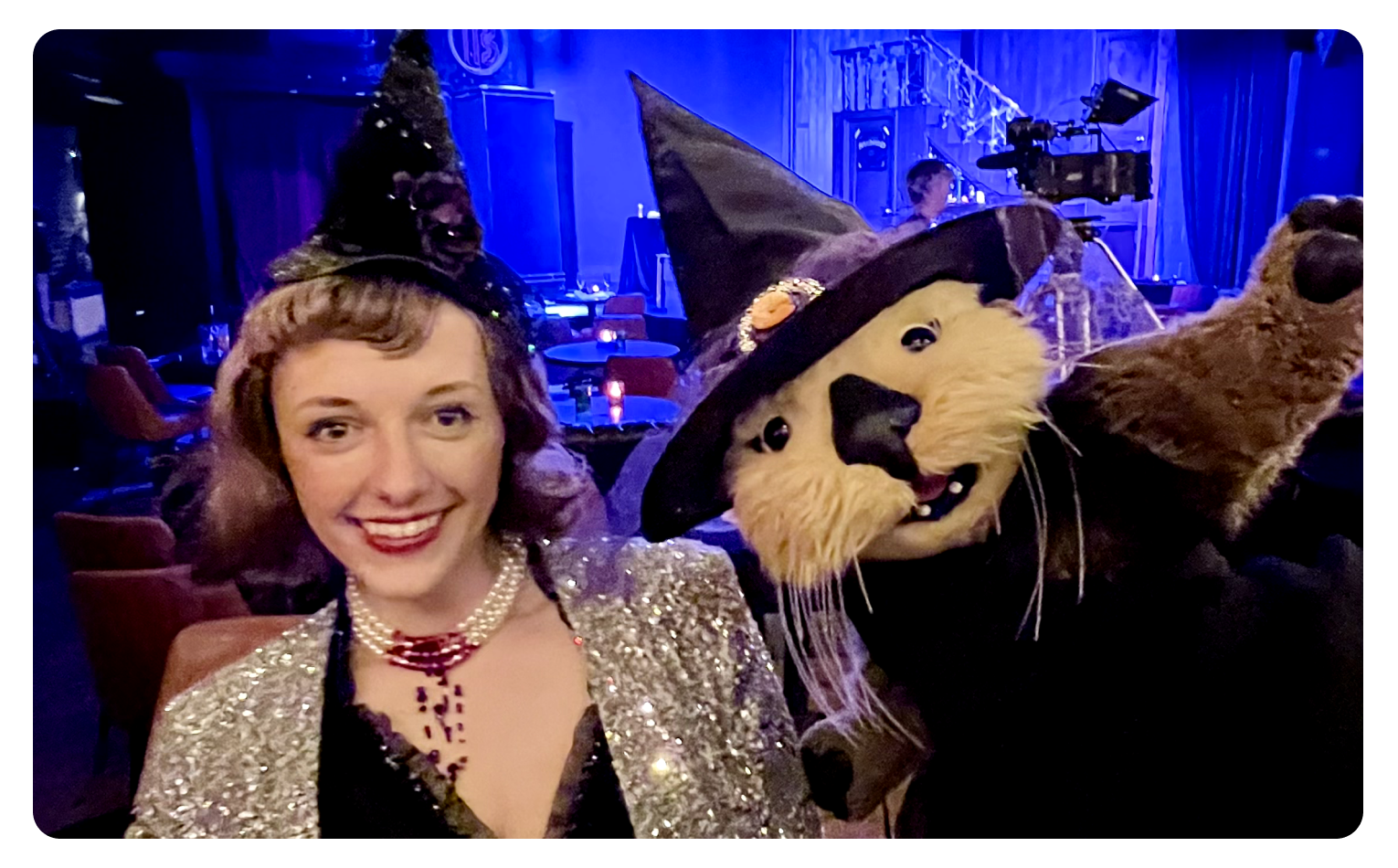
Worth checking rather than assuming, since it varies by setting. Some workplaces enjoy the occasion thoroughly and some have staff who'd rather it passed quietly, and clinical or care settings have their own considerations about atmosphere and content.
Ask what suits, and expect a performer to adjust rather than delivering the same thing everywhere. Atmospheric and light works nearly everywhere, and anything startling or frightening belongs nowhere in a workplace where people are mid shift and can't choose to leave.
It's Recognition as Much as Entertainment
Worth understanding about the purpose. For staff who routinely receive nothing, the message of somebody arranging something that comes to them is larger than the thing itself.
That's why brief and modest works here, and why the effort of repeating it across shifts matters more than the quality of any single session. The people who'll remember it are the ones who've spent years watching head office have a party while they covered the floor, and the arrangement itself is the point.
A Note on "Local vs. Traveling In"
Worth knowing: performers who travel often have availability in October when local ones are committed, and travel is discussed openly and factored into the quote rather than being your problem. I'm based in the Los Angeles area and travel for events, and a block of short sessions across one day suits travelling in well.
Why Book Magical Katrina
If you're arranging something for staff on shift, here's my case. I'm a member of the Magic Circle in London and the Academy of Magical Arts in Hollywood, I've earned multiple magic awards including a Family Entertainer of the Year honor, and I've appeared on Penn & Teller: Fool Us and Masters of Illusion. I need no stage, power, or setup, I'll do several short sessions across a day rather than one long one, I work at conversational volume in a break room, and I'll keep the content light rather than frightening.
Frequently Asked Questions
Why doesn't our usual approach reach these staff?
Because organizations mark Halloween with an evening event or an afternoon gathering, all of which assume people can leave their post, and on a ward, floor, or line they can't. The staff working the least flexible hours receive the least, which is the same pattern that governs Christmas parties and is noticed just as clearly.
What's the right format?
Several short appearances where people actually are, such as a break room, staff area, or canteen, rather than one event people must travel to. That reaches considerably more people since attendance requires nothing of them, and staff get something during their working day rather than giving up personal time.
How long should each session be?
Ten or fifteen minutes, since a break is short and belongs to the person having it, so anything arranged should fit inside it rather than extending it. Nobody should feel their break was taken by a work activity, which means it has to be genuinely enjoyable, genuinely optional, and easy to sit out.
How do we cover the whole workforce?
By repeating across actual shift patterns rather than around convenience, with at least one option for people finishing late. A single session reaches whoever was in the break room at that moment. The same performer covering several sessions in a day is considerably cheaper than separate bookings.
What about night staff?
Include them deliberately, since they're the group most consistently excluded, can't attend anything scheduled in the day or evening, and know it. Something at the start or end of a night shift registers enormously with people used to being an afterthought, and a quiet building at six in the morning works fine for something needing no stage.
Will it disrupt the operation?
It shouldn't, and that's the governing constraint. Close up magic needs no stage, power, sound, or floor area, sets up in a minute, and happens at conversational volume in a break room without anybody outside noticing. For an operations manager asking what this does to the service, the answer being nothing is what makes it approvable.
How frightening should the content be?
Not at all in a workplace, since people are mid shift and can't choose to leave, and clinical or care settings have their own considerations about atmosphere. Atmospheric and light works nearly everywhere, and it's worth asking what suits your setting rather than assuming every workplace wants the same thing.
How do I book you, and what do you need to get started?
Reach out with your date, the sites involved, your shift patterns, and roughly how many staff you'd like to reach. That's enough for me to suggest a schedule of short sessions and send a quote, with a block across one day priced considerably better than separate bookings.
Take It to the Floor
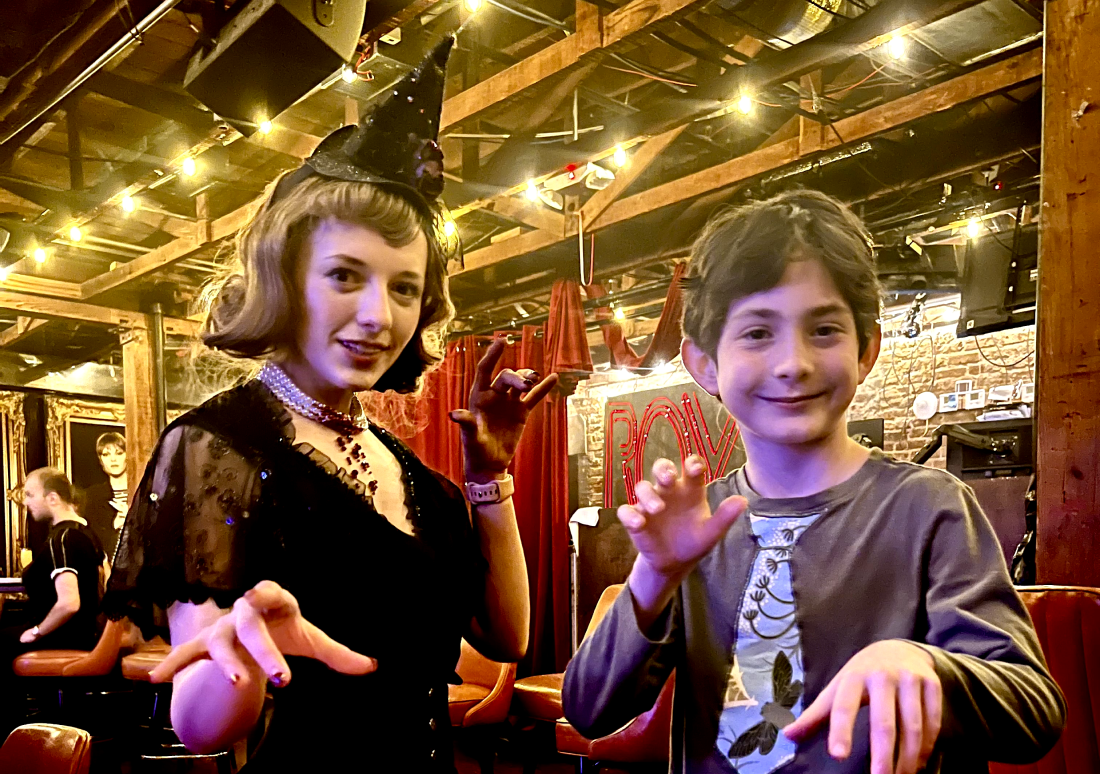
Halloween in a workplace that can't close isn't a party, it's a series of short, optional, genuinely enjoyable moments delivered where people already are, repeated across shifts so the coverage is real rather than nominal. A Halloween magic show in that shape works because it needs nothing from the operation, fits inside a break, and reaches the night team as readily as the day one.
The arrangement itself carries most of the message, which is why doing it properly matters more than doing it elaborately.
Reach out with your sites and shift patterns, and I'll suggest a schedule that reaches people.