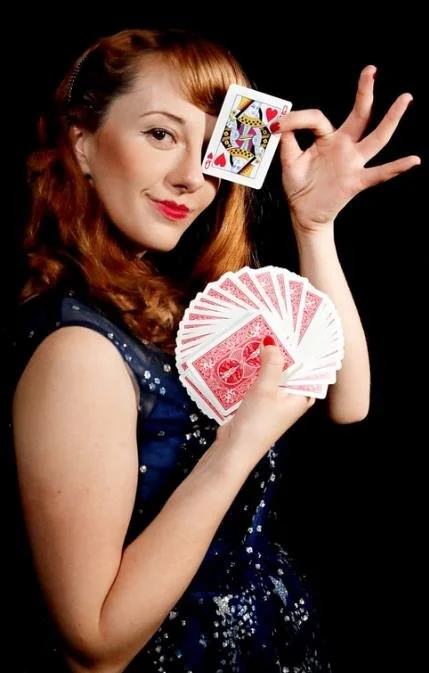


Illusionist NYC for Awards Ceremonies and Industry Dinners
Illusionist NYC for Awards Ceremonies and Industry Dinners
An awards ceremony has a structural problem that organisers can't design away. Most of the room will not win anything, the programme is long, and once a table's category has been announced they have an hour and a half left with nothing at stake.

That stretch is where awards evenings lose their atmosphere. I'm Magical Katrina, an award winning magician and mentalist, and I want to set out where an illusionist NYC organizers book fits into an awards night, which is around a program nobody can shorten.
Most of the Room Will Lose
Start with the arithmetic. If you have twelve categories with five nominees each, fifty five nominees leave without an award, and everyone else at their tables came to support them.
That's not a failure of the event, it's what a competitive evening is, and it means the room's mood is not uniformly celebratory. Planning as though everybody is having a triumphant night produces an evening that works for the winners' tables and drags for everyone else, which is most of the room.
The Post Category Stretch Is the Problem
The specific point where evenings sag. Once a table's category has been announced, whatever happens next is somebody else's news, and attention declines sharply for the remainder of the program.
If your awards run in a single block, that means tables disengaging progressively through the evening. Spacing categories across courses helps, and so does something happening between them that isn't another announcement. Among reasons to book an illusionist NYC for an awards night, holding the room through the back half of the program is the practical one.
The Reception Sets the Evening
Worth planning deliberately, since it's the only part where everybody is still hopeful. Guests arrive, find their tables, and spend forty minutes standing with people they came with.
A performer working that hour means guests are animated before they sit down rather than settling into a long evening from a standing start. It also mixes tables who'd otherwise never speak, which at an industry awards evening is a genuine benefit since half the room is there partly to see who else is. That hour does more for the atmosphere than the running order does.
Seated Guests Can't Circulate
The constraint that shapes what's possible. Once people are at tables, they stay there, which means anything social has to come to them rather than the other way round.
Close up magic between courses works exactly that way: a performer moves from table to table during service gaps that exist anyway, without requiring the room's attention or a slot in the program. For an evening where guests are seated for three hours with a fixed group of eight, something arriving at the table is considerably more welcome than it would be at a standing reception.
Your Evening Will Overrun
The near certainty. Awards ceremonies run long, because presenters talk, winners talk, a video takes longer than scheduled, and the host improvises.
That rules out anything needing a precise slot, and it's another argument for a format working inside the gaps. If you've booked a stage element, build genuine slack in and accept that it may move. If you've booked table magic, a program running forty minutes late changes nothing at all, which is one fewer thing for a nervous organizer to track.
Don't Add Another Stage Item
Worth saying, since the instinct is to program against the sag. A room that has sat through eight categories does not want a further stage segment, however good, because the problem is the format rather than the content.
What helps is something that isn't from the stage: a change of register, something happening at their table, something they participate in rather than watch. That distinction matters more at an awards evening than almost anywhere, since the room's fatigue is specifically with being an audience.
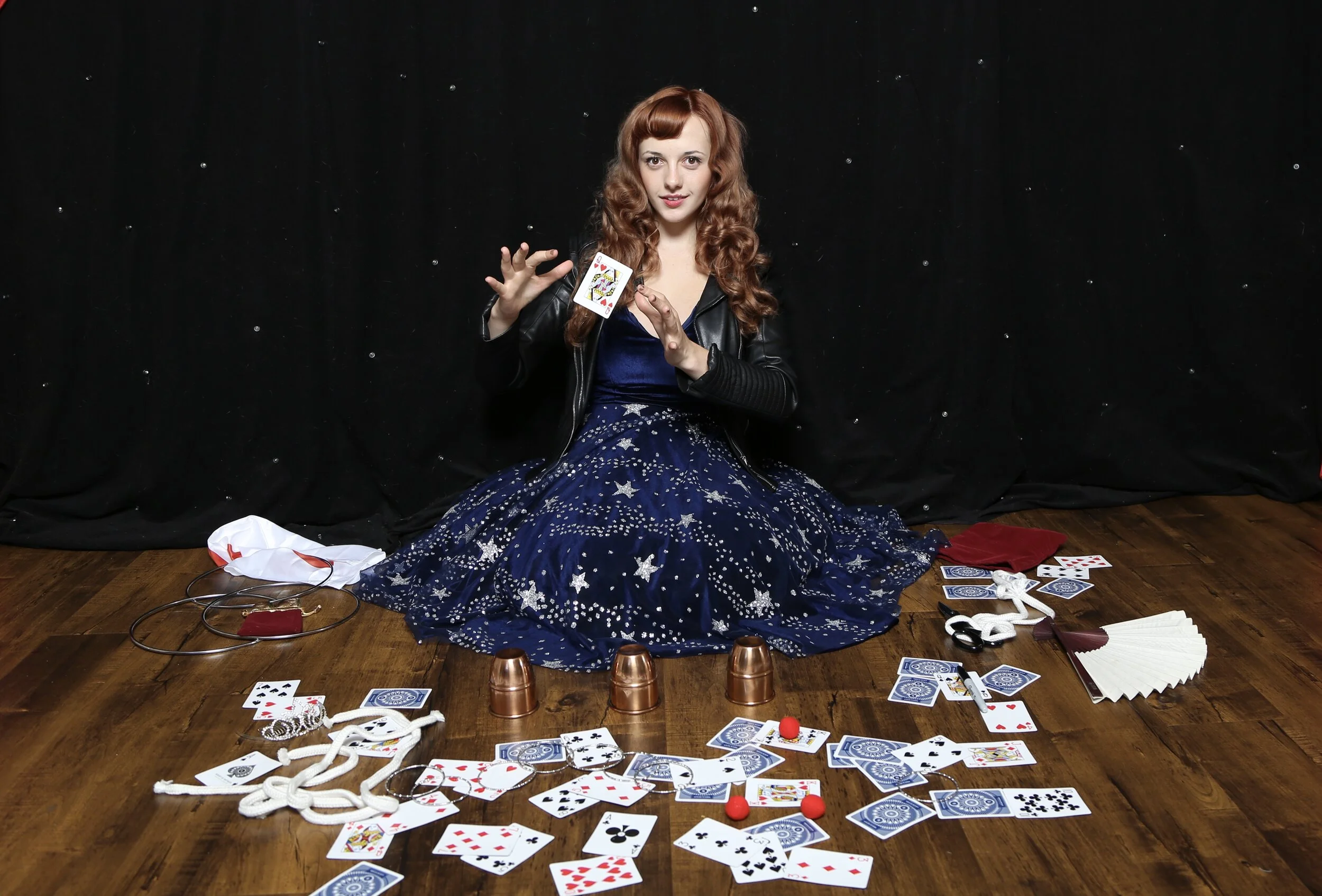
New York Ballrooms Are Expensive Rooms
Worth noting practically. Awards evenings here happen in hotel ballrooms and event spaces priced at a premium, with production packages sized accordingly.
Close up magic requires no stage time, no additional AV, no rigging, and no floor space, which means it adds nothing to a production quote that's already the largest line on your budget. For an organizer being asked to trim costs, entertainment that sits outside the production package entirely is worth understanding as a budget decision rather than only an atmospheric one.
Tell the Performer Who's Nominated
Worth doing, since it affects the evening. A performer who knows which tables are nominated in which categories can work the room accordingly, and can avoid being at a table at the moment its category is announced.
Also mention anything sensitive: a table having a difficult year, a person everyone expects to win who won't, or a guest of honor. It takes two minutes and it's the difference between a performer working the room intelligently and working it randomly.
A Note on "Local vs. Traveling In"
Worth knowing: performers who travel to New York work from a different calendar than those based there, which matters in awards season when local performers are heavily committed. Travel is discussed openly and factored into the quote. I'm based in the Los Angeles area and travel to New York for corporate events and awards evenings.
Why Book Magical Katrina
If you're planning an awards night, here's my case. I'm a member of the Magic Circle in London and the Academy of Magical Arts in Hollywood, I've earned multiple magic awards, and I've performed for clients including Formula 1, the Olympics, Porsche, Prada, and the Ritz Carlton, with appearances on Penn & Teller: Fool Us and Masters of Illusion. I work the reception and the table gaps without touching your run of show, I need no stage time or AV, and a program running late changes nothing about what I do.
Frequently Asked Questions
What's the main problem with an awards evening?
Most of the room won't win, so with twelve categories and five nominees each, fifty five nominees leave empty handed and their tables came to support them. Planning as though everybody is having a triumphant night produces an evening that works for the winners' tables and drags for everyone else, which is most of the room.
Where does the evening sag?
After a table's category is announced, since whatever follows is somebody else's news and attention declines sharply for the rest of the program. Spacing categories across courses helps, and so does something between them that isn't another announcement, since the issue is progressive disengagement rather than a single dip.
Why does the reception matter?
It's the only part where everybody is still hopeful, and left alone it's forty minutes of guests standing with the people they arrived with. A performer working it means the room is animated before sitting down rather than starting a long evening cold, and it mixes tables who'd otherwise never speak.
Our guests will be seated all night. Does that work?
It suits this format, since once people are at tables they stay there and anything social has to come to them. Close up magic between courses moves table to table during service gaps that exist anyway, without requiring the room's attention or a slot, which is welcome when guests are seated for three hours with a fixed group.
Our program always overruns. Is that a problem?
Not for table work, since a program running forty minutes late changes nothing about it, which is one fewer thing to track. It rules out anything needing a precise slot, so if you've booked a stage element, build genuine slack in and accept that it may move.
Should we add another stage segment?
No, since a room that has sat through eight categories doesn't want more stage time however good it is, because the problem is the format rather than the content. What helps is a change of register: something at their table, something they participate in rather than watch.
Does it affect our production budget?
It sits outside it, since close up magic requires no stage time, additional AV, rigging, or floor space, and adds nothing to a production quote that's already your largest line. For an organizer being asked to trim costs, that's worth understanding as a budget decision rather than only an atmospheric one.
What should we tell the performer?
Which tables are nominated in which categories, so they can work the room accordingly and avoid being at a table when its category is announced. Also anything sensitive, such as a table having a difficult year or somebody expected to win who won't. Two minutes, and it changes how intelligently the room gets worked.
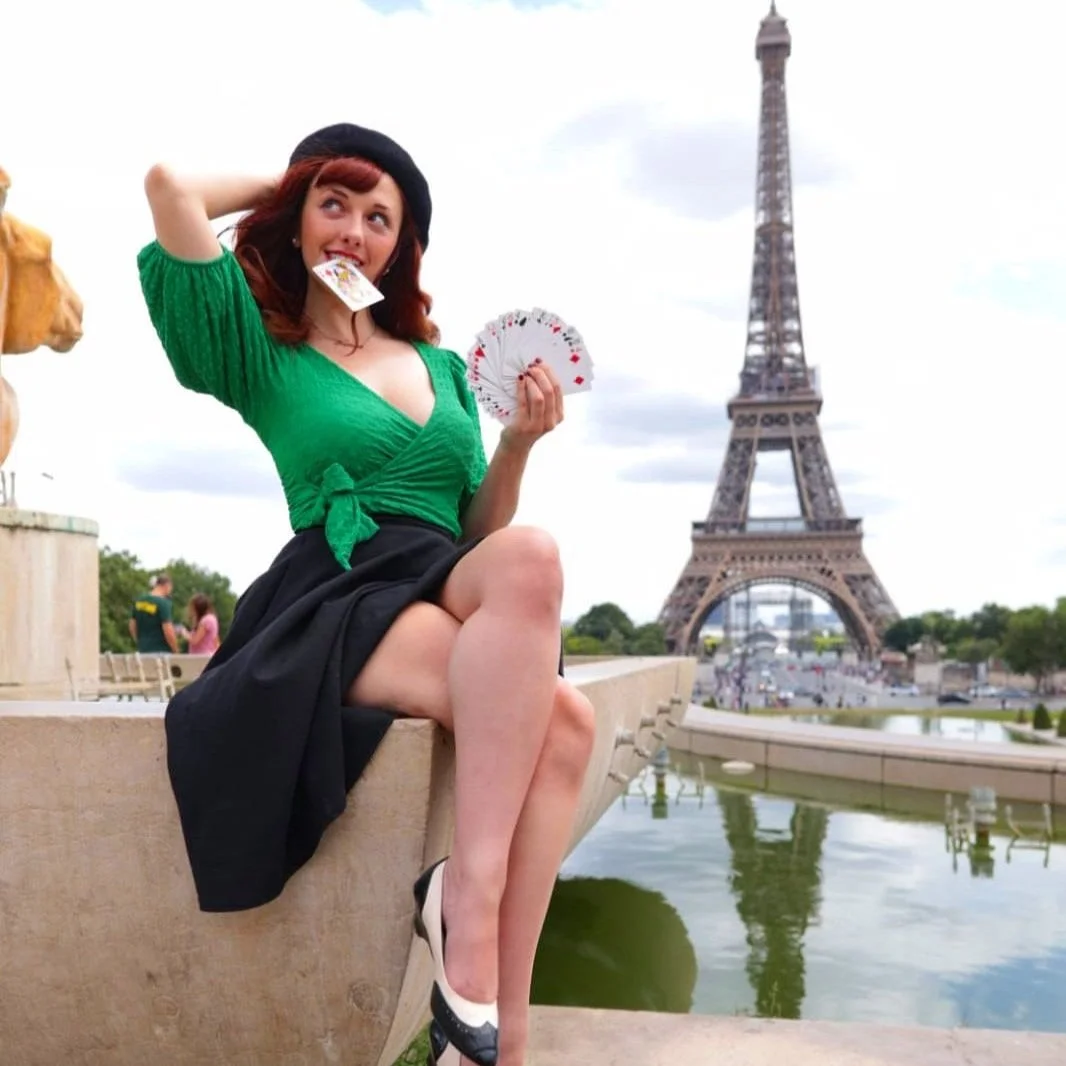
Hold the Room Through the Back Half
An awards evening is designed around the people who win and experienced by the far larger number who don't, which is why the second half drags and why adding more stage content makes it worse. An illusionist NYC working the reception and the gaps between courses addresses exactly that: a room animated before it sits down, tables reached where they are, nothing added to a program that will overrun anyway, and nothing added to a production quote that's already too large.
Tell your performer who's nominated, and the room gets worked intelligently rather than randomly.
Reach out with your date and running order, and let's talk about placement.