


Magic Show Las Vegas for Community and Nonprofit Events
Magic Show Las Vegas for Community and Nonprofit Events
Community organisations book entertainment differently from companies. The budget is small and accountable, the event is run by volunteers alongside their actual jobs, the venue is a multipurpose hall, and the audience spans every age in the neighbourhood.

None of that makes it harder to do well, and it does change what works. I'm Magical Katrina, an award winning magician and mentalist, and I want to set out what a magic show Las Vegas organizations book looks like for a community event, and how to approach it.
Say Your Budget Plainly
Start with the approach that saves everybody time. Community organizers frequently open with a vague enquiry, receive a corporate quote, and go away without replying.
Saying what you can spend, in your first message, produces a useful answer immediately. The performer will confirm it works, propose something shorter that fits, or tell you honestly that it doesn't. All three are better than silence, and many performers do reduce rates for community and charitable work but can't offer what they haven't been asked for.
Be Specific About Who You Are
Worth doing, since it frequently affects the answer. "We're a nonprofit" covers an enormous range, and a performer's response depends on what your organization actually does and who the event is for.
A neighborhood association fundraiser, a community center's family program, a religious organization's annual event, and a charity's beneficiary day are genuinely different propositions. Say which you are, who attends, and what the event is for. That's two sentences and it gets you a considered reply rather than a standard quote.
Your Hall Has No Facilities
The practical reality. Community venues are multipurpose rooms with hard floors, high ceilings, folding chairs, and either no sound system or one that predates everybody involved.
That matters for anything spoken or musical at a distance, since the acoustics are genuinely difficult. Close up magic operates at conversational distance where acoustics barely matter, and needs no stage, power, or sound at all. For a hall with nothing in it, entertainment requiring nothing is frequently the only option that will actually work rather than technically fit.
The Audience Spans Everybody
Worth planning around, since a community event isn't a segmented audience. Small children, teenagers, parents, and older residents, many of whom came because it's a community event rather than because of the program.
Entertainment pitched at one band serves a fraction of the room and leaves everybody else waiting. Magic crosses it, since astonishment needs no shared reference and a performer adjusts between a group of children and a group of adults without changing what they're doing. Tell your performer the actual spread rather than assuming a family audience means children.
Decide Whether It's Fundraising or Programming
Worth settling early, since it changes the sums. If the event is raising money, entertainment is a cost against a return and you should be able to say roughly what you expect it to produce.
If it's programming for your community, it's a service you're providing and the question is whether it reaches enough people to justify the spend. Both are legitimate and they lead to different decisions about length, timing, and cost. Conflating them is how community organizations end up with an event that neither raised money nor served many people.
Ask Whether a Show Is the Right Spend
The honest question, and worth asking yourselves before enquiring. For some events, entertainment transforms the afternoon. For others, the money would do more on food, on publicity, or on the thing the event exists to fund.
A performer worth booking will tell you if your situation is the second kind. If your attendance is low because nobody knows about the event, spending on a show reaches the same small group, whereas spending on publicity changes the number. Fix the reach before you fix the program.

Volunteers Can't Manage a Supplier
Practically important and frequently overlooked. The person organizing is doing it alongside a job and family, and cannot spend the afternoon coordinating an entertainer, finding equipment, or solving a problem with the sound.
That argues strongly for someone who arrives with everything, needs nothing, sets up in a minute, and leaves nothing behind. Ask directly what a performer requires from you, and be cautious about anybody whose list is longer than a chair and somewhere to leave a case. A magic show Las Vegas performed close up should be the easiest item on a volunteer's day.
Keep the Content Broad
Worth confirming when you book. Community events attract an unpredictable audience, including young children, people who brought their parents, and occasionally somebody who wandered in.
That means content should be entirely appropriate without anybody needing to check, and participation should be easy to decline. Ask how a performer handles someone who'd rather not take part, since at a community event you have less control over who's in the room than at a private party. Any experienced performer treats that as standard.
A Note on "Local vs. Traveling In"
Worth knowing: performers who travel to Las Vegas often have availability when local ones are booked, and travel is discussed openly and factored into the quote rather than being your problem to arrange. I'm based in the Los Angeles area and travel to Las Vegas regularly, including for community and family events.
Why Book Magical Katrina
If you're planning a community event, here's my case. I'm a member of the Magic Circle in London and the Academy of Magical Arts in Hollywood, I've earned multiple magic awards including a Family Entertainer of the Year honor, and I've appeared on Blippi as a performer and magic consultant, along with Penn & Teller: Fool Us and Masters of Illusion. I perform for every age at once, I need no stage, power, or sound, so a community hall works exactly as it is, and I'll tell you honestly if your budget would do more elsewhere.
Frequently Asked Questions
How should we approach a performer on a small budget?
Say what you can spend in your first message, since a vague enquiry produces a standard quote and most organizers then go away without replying. The performer will confirm it works, propose something shorter, or tell you honestly it doesn't, and many reduce rates for community work but can't offer what they haven't been asked for.
Does it help to say what kind of organization we are?
Considerably, since "nonprofit" covers an enormous range and the answer depends on what you do and who the event is for. A neighborhood fundraiser, a community center's family program, and a charity's beneficiary day are different propositions. Two sentences gets you a considered reply rather than a standard quote.
Our hall has no sound system. Is that a problem?
Not for close up work, which operates at conversational distance where acoustics barely matter and needs no stage, power, or sound at all. That matters in a multipurpose room with hard floors and high ceilings, where anything spoken or musical at a distance struggles regardless of how good it is.
Our audience is all ages. What works?
Magic crosses the range, since astonishment needs no shared reference and a performer adjusts between children and adults without changing what they're doing. Entertainment pitched at one band serves a fraction of the room, so tell your performer the actual spread rather than assuming a family audience means children.
Is entertainment the right use of our money?
Sometimes not, and it's worth asking before you enquire. If attendance is low because nobody knows about the event, a show reaches the same small group whereas publicity changes the number. A performer worth booking will tell you if your money would do more elsewhere, and fixing reach comes before fixing the program.
We're all volunteers. How much will this take?
It should take almost nothing, since the organizer is doing this alongside a job and family and can't spend the afternoon coordinating a supplier. Ask directly what a performer requires from you, and be cautious about anybody whose list is longer than a chair and somewhere to leave a case.
How do we make sure the content suits everybody?
Confirm it when you book, since community events attract an unpredictable audience including young children and people who wandered in. Content should be appropriate without anybody checking, and participation easy to decline. Ask how a performer handles someone who'd rather not take part.
How do I book you, and what do you need to get started?
Reach out with your date, the venue, expected numbers, the age range, what the event is for, and what you can spend. That's enough for me to check availability and reply honestly, including whether a shorter format would suit or whether your budget would genuinely do more somewhere else.
Ask Plainly and Expect an Honest Answer
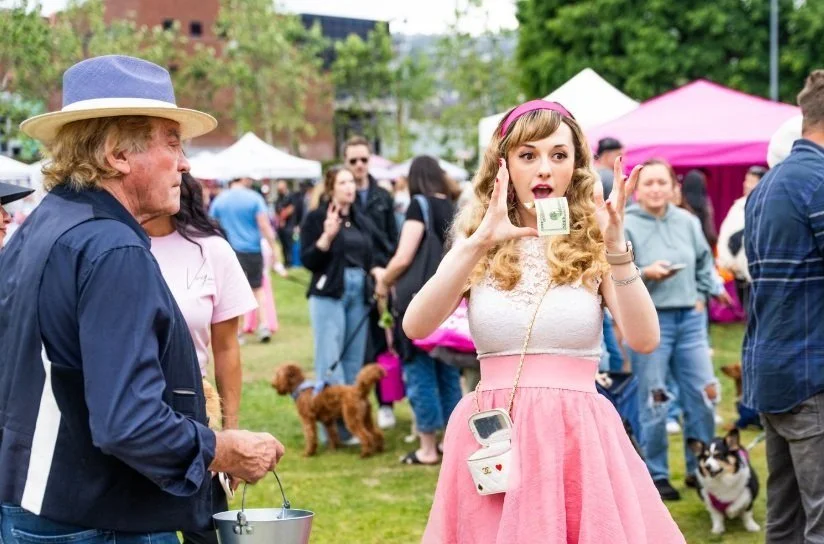
Community organizations get better results from being direct: say the budget, say what your organization does and who attends, and ask what the performer actually needs from you. A magic show Las Vegas performed close up suits a community hall precisely because it requires nothing from a room with nothing in it and reaches an audience spanning every age in the neighborhood.
And if the honest answer is that your money would do more on publicity or on the cause itself, a performer worth booking will say so.
Reach out with your event and your budget, and I'll tell you plainly what's possible.