


Magician Rental Near Me: When You Need More Than One Performer
Magician Rental Near Me: When You Need More Than One Performer
Most people booking entertainment assume one performer is one booking, and for the majority of events that's right. Above a certain size it stops being right, and the result is an evening where a third of your guests watched everybody else have a good time.

Worth understanding before the night rather than afterwards. I'm Magical Katrina, an award winning magician and mentalist, and I want to explain how coverage works when you're arranging a magician rental near me, and when one performer genuinely isn't enough.
The Arithmetic Is Simpler Than You'd Think
Start with the number, since everything follows from it. One performer working close up magic reaches roughly thirty to forty guests properly per hour, allowing for moving between groups, the time each group takes, and the fact that people are also eating, talking, and wandering off.
That's a real figure rather than a conservative one. A two hour booking therefore covers somewhere around sixty to eighty guests with genuine attention. Above that, you're either extending the time or adding a performer, and the arithmetic doesn't bend just because the budget would prefer it to.
What Happens When You Under Book
Worth describing, since it's the specific failure. A performer booked for two hours at an event of a hundred and fifty reaches perhaps half the room.
The guests who were reached had a wonderful time and mention it. The guests who weren't either don't know anything happened or, worse, watched a group across the room reacting to something and never found out what. That second group is the problem, because they know they missed something at an event you paid for. Among ways a magician rental near me booking disappoints, under booking coverage is the most common and the most preventable.
Longer Sometimes Beats a Second Performer
Worth considering before you assume you need two. If your event runs across a long evening, extending one performer's time frequently covers the room more economically than adding another.
That works when guests are in one space across a long window. It doesn't work when your reception is ninety minutes and then everyone sits down, since no amount of additional hours helps if the window itself is short. The test is whether your guests are available for longer, not whether your event is longer, and those are different things.
Multiple Rooms Need Multiple Performers
The situation where a second is genuinely required rather than merely helpful. If your event spreads across a marquee and a house, two floors, an indoor and outdoor space, or separate reception and dining rooms running simultaneously, one performer can only be in one of them.
Moving between spaces sounds like a solution and usually isn't, since half the room gets attention while the other half doesn't, then it reverses. If your venue has genuinely separate spaces in use at the same time, budget for a performer in each or accept that one area is being served properly and the other isn't.
Simultaneous Receptions Are the Classic Case
Worth flagging, since it catches people out. Large weddings and corporate events frequently have two things happening at once: a reception in one space while photographs happen elsewhere, or a drinks area and a separate lounge both occupied.
That's two rooms whatever the floor plan says. Tell your performer the actual shape of your event rather than the venue's description, and they'll tell you honestly whether one can cover it. A magician rental near me who says two are needed when one would do is worth being skeptical about, and one who says one is fine for three hundred guests across two floors is worth being more skeptical about.
How Two Performers Actually Work
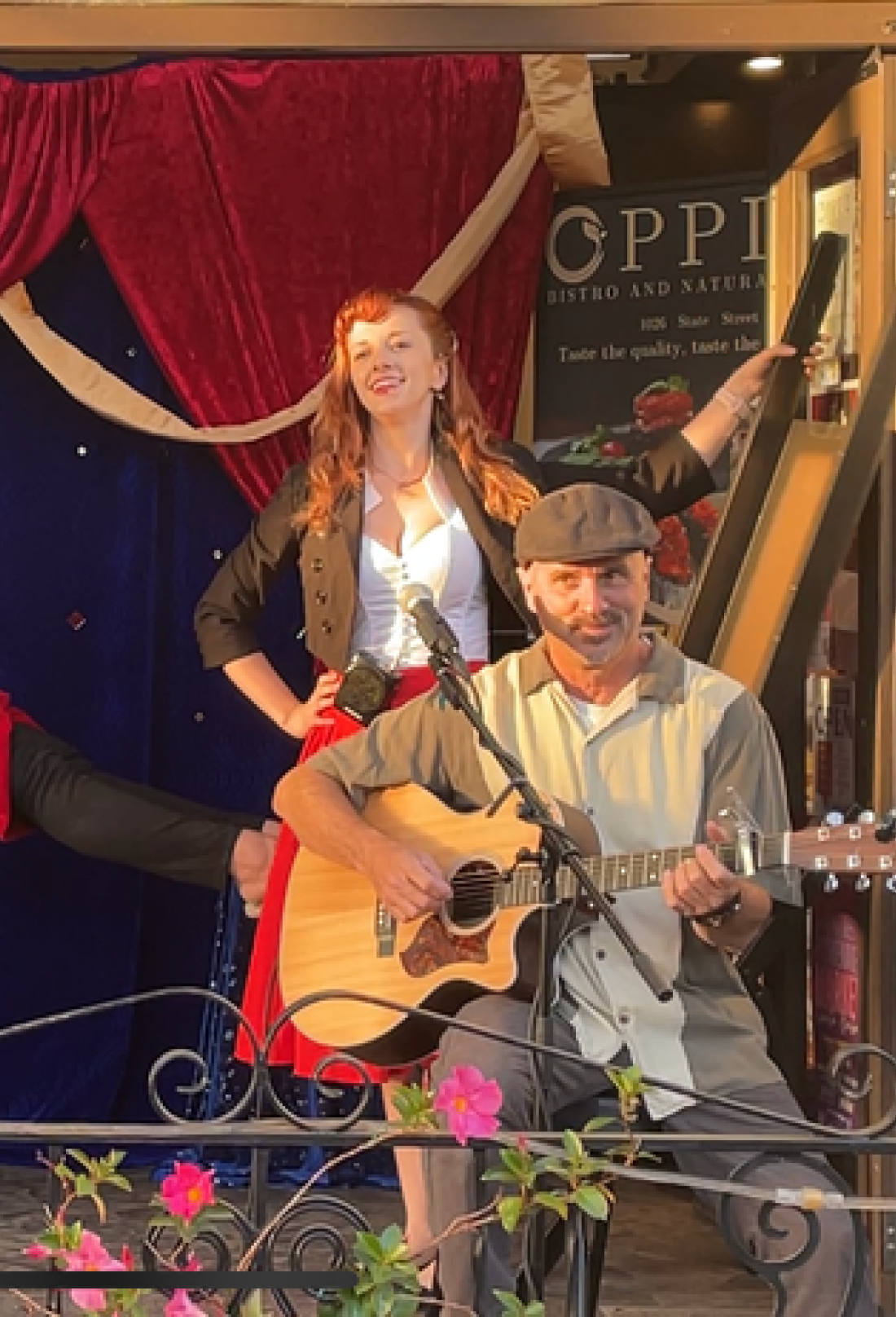
Practically, since people imagine it's awkward. Two performers divide the room, agree who takes which area or which half, and work independently without overlapping.
They don't perform together, they don't need to know each other beforehand, and guests rarely realize there are two unless they see both. What matters is that they coordinate on arrival, which takes five minutes, and that somebody has told them both the same things about your event. It's considerably less complicated than booking one performer twice would be.
Book Them Through One Person
The practical recommendation. If you need two, ask your first choice performer whether they can bring someone, since working performers know who's good and would rather recommend a colleague they trust than have you find someone unknown.
That also means one point of contact, one brief, and one invoice in many cases, which removes coordination from your plate. It's usually easier than booking two independently and hoping they're compatible. Among things to ask when you enquire, whether they can cover a larger event with a second performer is worth raising early.
The Cost Isn't Always Double
Worth knowing when you're budgeting. Two performers for the same event isn't necessarily twice the price of one, since arrangements vary and a performer bringing a colleague may quote differently from two separate bookings.
Ask rather than assuming. It's also worth comparing against extending one performer's time, since for some events that's cheaper and produces similar coverage. The honest answer depends on your numbers and your timings, and any performer worth booking will work it out with you rather than selling you the larger option by default.
Tell Them Your Real Numbers
The thing that makes all of this work. A booking made for sixty that turns into a hundred and forty on the night can't be fixed at eight o'clock, and the performer will do what they can while a substantial portion of your guests see nothing.
Be honest and slightly pessimistic about attendance when you book, and tell your performer immediately if the numbers grow. Told weeks ahead, you can add time or a second performer. Told on the night, it's a disappointment nobody can prevent. It's the single most useful piece of information you can give a magician rental near me.
Why Book Magical Katrina
If you're planning something larger, here's my case. I'm a member of the Magic Circle in London and the Academy of Magical Arts in Hollywood, I've earned multiple magic awards, and I've performed for clients including Formula 1, the Olympics, Porsche, and Prada, with appearances on Penn & Teller: Fool Us and Masters of Illusion. I'll tell you honestly whether your event needs one performer or two rather than defaulting to the larger booking, and if it needs two I can usually arrange a colleague I'd trust with your event.
Frequently Asked Questions
How many guests can one performer cover?
Roughly thirty to forty per hour with genuine attention, allowing for moving between groups, the time each takes, and guests eating, talking, and wandering off. A two hour booking therefore covers somewhere around sixty to eighty people properly. Above that you're extending the time or adding a performer, and the arithmetic doesn't bend for a budget.
What actually happens if we under book?
A performer booked for two hours at an event of a hundred and fifty reaches perhaps half the room. Those guests had a wonderful time, and the others either don't know anything happened or watched a group across the room reacting and never found out what. That second group knows they missed something at an event you paid for.
Could we just book one performer for longer?
Sometimes, and it's worth considering before assuming you need two. Extending one performer's time works when guests are in one space across a long window, and doesn't when your reception is ninety minutes before everyone sits down. The test is whether your guests are available for longer rather than whether your event is longer.
When do we definitely need two?
When your event uses genuinely separate spaces at the same time: a marquee and a house, two floors, indoor and outdoor areas, or simultaneous reception and lounge spaces. One performer can only be in one of them, and moving between sounds like a solution but means half the room is served while the other isn't, then reversed.
How do two performers work together?
They divide the room, agree who takes which area, and work independently without overlapping. They don't perform together, don't need to know each other beforehand, and guests rarely realize there are two. What matters is a five minute coordination on arrival and somebody having told them both the same things about your event.
Should we book them separately?
Usually not. Ask your first choice whether they can bring someone, since working performers know who's good and would rather recommend a colleague they trust than have you find someone unknown. That gives you one point of contact, one brief, and frequently one invoice, which removes coordination from your plate.
Is it twice the price?
Not necessarily, since arrangements vary and a performer bringing a colleague may quote differently from two separate bookings. Ask rather than assuming, and compare it against extending one performer's time, which for some events is cheaper with similar coverage. Any performer worth booking will work it out with you rather than defaulting to the larger option.
What's the most important thing to tell you?
Your real guest numbers, honestly and slightly pessimistically, and any change as soon as it happens. A booking made for sixty that becomes a hundred and forty on the night can't be fixed at eight o'clock. Told weeks ahead, we add time or a second performer. Told on the night, it's a disappointment nobody can prevent.

Match the Coverage to the Room
The most avoidable disappointment in entertainment is an event where half the guests didn't see anything, and it's almost always an arithmetic problem rather than a performance one. One performer covers thirty to forty guests an hour, which sets the ceiling, and above it you either extend the booking, add a performer, or accept partial coverage.
Tell any magician rental near me your genuine numbers and the real shape of your spaces, and you'll get an honest answer about which of those you need.
Reach out with your guest count and venue layout, and I'll tell you what your event actually requires.