


Women's History Month Event Ideas for Professional Associations
Women's History Month Event Ideas for Professional Associations
A professional association runs events under a constraint an employer doesn't face: nobody has to come. Members attend on their own time, frequently after a full working day, and they're choosing your event over their families, their evenings, and everything else competing for a Tuesday.

That changes what works. I'm Magical Katrina, an award winning magician and mentalist who speaks at women's events, and I want to set out Women's History Month event ideas designed for member bodies rather than for workplaces, where the invitation has to earn its way.
Voluntary Attendance Changes Everything
Start with the difference. A workplace event has a captive audience and can be mediocre without consequence, since people attend because it's during work hours and declining is conspicuous.
A member event has no such protection. If your session isn't worth an evening, members simply don't come, and attendance is the honest feedback your feedback forms never give you. That's uncomfortable and it's also useful, since it forces a higher standard. Among Women's History Month event ideas for associations, anything that would only work with a captive audience isn't worth programming.
Members Come for Each Other
The thing associations sometimes forget when planning content. Members join and attend largely to meet peers doing the same job at other organizations, which is the one thing their employer cannot provide.
A panel discussion they could watch online doesn't deliver that. An evening where they actually talk to twelve people in their field does. Program for contact rather than content, and build the format around people meeting each other rather than around a speaker with a room facing forward. The content is the reason they came and the conversations are what they'll remember.
Career Stage Mixing Is Your Real Asset
Worth drawing out, since it's genuinely valuable and rarely engineered. Your membership spans people two years into their careers and people running departments, and in most workplaces those groups never speak informally.
An association event can put them in the same room, which is worth more than any speaker. It requires deliberate effort, since left alone people cluster by seniority as reliably as they cluster by employer. Seating, table hosts, and anything that reshuffles a room address that directly, and the junior member who had a genuine conversation with someone senior is the one who renews.
Members Are Spread Out
The practical constraint for most associations. Your membership isn't in one city, and a central event in the capital serves the people who live there while excluding everyone else.
Options: regional chapters running their own events with material supplied centrally, a virtual session that reaches everyone equally, or a hybrid with the caveat that remote attendees consistently get the worse experience. Among Women's History Month event ideas for a dispersed membership, several regional events supported centrally usually beat one flagship that most members can't attend.
Decide Whether to Charge
Worth thinking about deliberately rather than defaulting. Free events get higher registration and considerably worse attendance, since a free ticket costs nothing to abandon on a wet evening.
A modest charge, even a nominal one, improves turnout markedly and filters for people who genuinely intend to come, which matters when you're catering. It also funds the event. If your association wants free access as a principle, consider a small refundable deposit or a waiting list, since the no show rate on free professional events is the single biggest planning problem associations face.
The Committee Is Doing This Unpaid
Worth naming, since it governs what's realistic. Association events are typically organized by members volunteering alongside their actual jobs, frequently the same few people year after year.
Ambitious programming that exhausts that group is a poor trade, since the committee burning out costs you more than a modest event does. Choose formats that can be repeated without reinventing them, supply regional chapters with something ready to run rather than asking each to invent its own, and recognize the people organizing publicly, which costs nothing and is rarer than it should be.
Give Them Something They Can't Get at Work
The programming principle that follows from voluntary attendance. Members can attend a panel about barriers at their own employer, and many of them already have, which makes another one a poor reason to give up an evening.
What their workplace can't offer is peers, candor, and something genuinely enjoyable rather than instructive. Sessions where members speak frankly because nobody from their organization is present are valuable for exactly that reason. So is an evening that's simply good, which draws the members who've stopped attending earnest programming and are the ones you most want back.
Promote It Properly and Early
Practical and frequently the weak point. Members receive a great deal from associations and skim most of it, so an event announced once in a newsletter reaches a fraction of the people who'd have come.
Announce it early, repeat it, use whatever channel members actually read rather than the one you prefer, and ask committee members to invite people personally, which outperforms any broadcast. A named, specific attraction helps here too, since "a Women's History Month event" competes poorly against a described evening with something concrete in it.
Where a Live Performance Fits
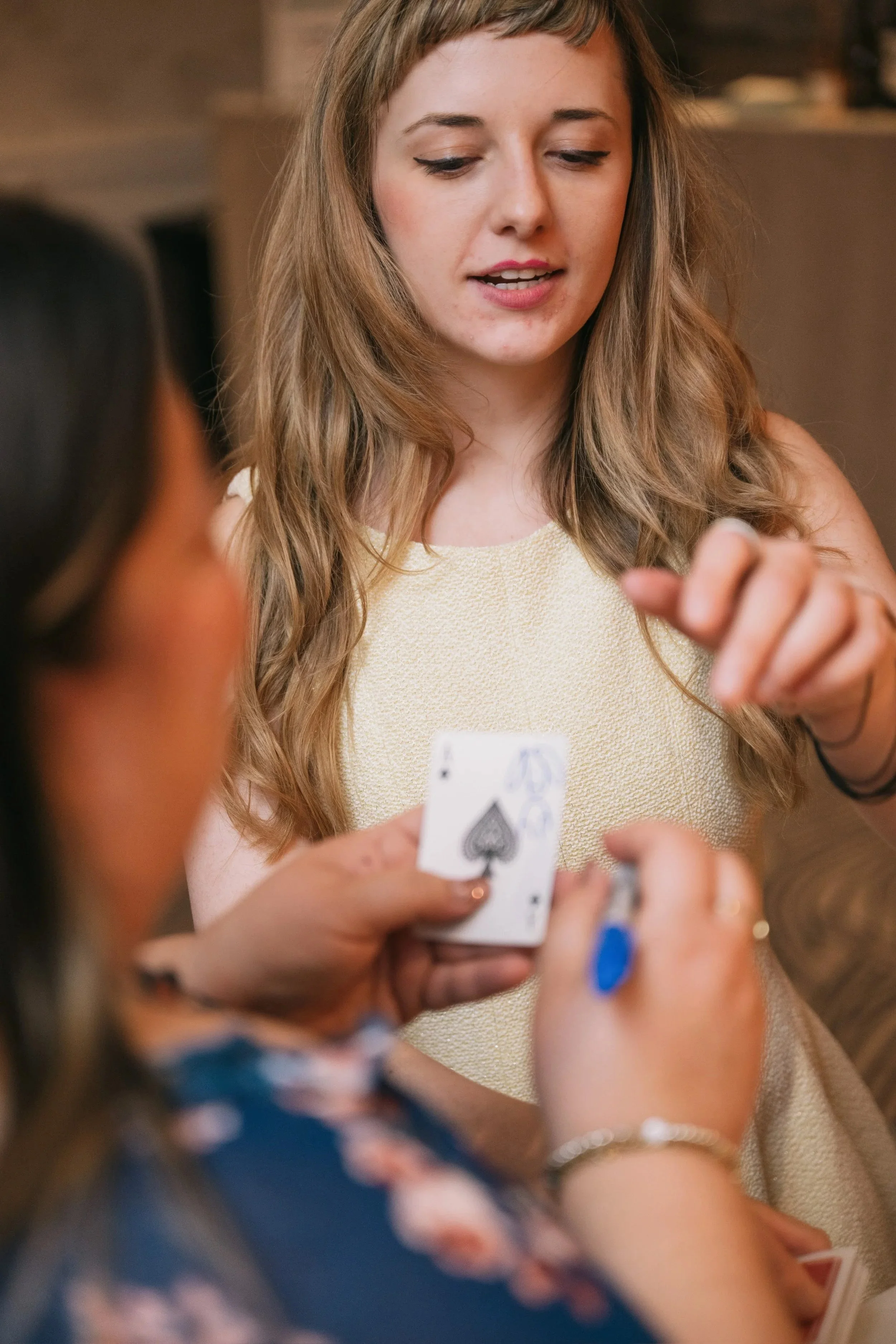
Briefly, since it's my corner. I perform magic and mentalism and speak about building a career in a field, magic, that has been overwhelmingly male, as a performance, a talk woven with magic, or both, in person or virtually.
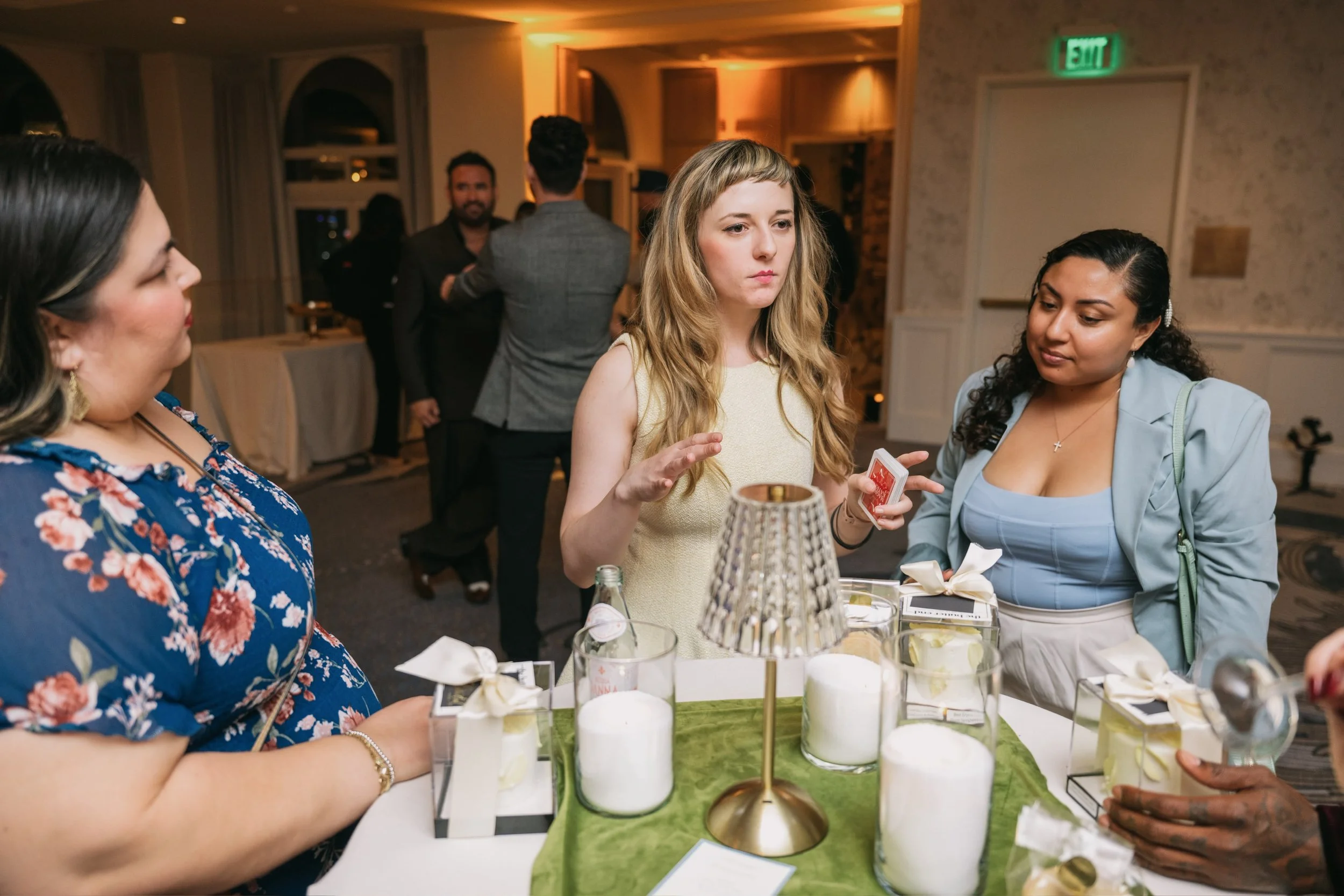
For an association it tends to work as the evening that draws members who don't attend panels, gives your committee something concrete to promote, and gets a room of people who arrived alone talking to each other. It also works at any point in the year rather than only March, which matters when March is heavily oversubscribed. If you're planning, I'm glad to talk it through.
Frequently Asked Questions
Why is a member event harder than a workplace one?
Because nobody has to come. A workplace event has a captive audience during work hours and can be mediocre without consequence, whereas members attend on their own time after a full day, choosing your event over their families and everything else competing for a Tuesday. Attendance is the honest feedback your forms never give you.
What do members actually want?
Each other. Members join and attend largely to meet peers doing the same job at other organizations, which is the one thing their employer cannot provide. A panel they could watch online doesn't deliver that, whereas an evening where they talk to twelve people in their field does. Program for contact rather than content.
What's our biggest untapped asset?
Career stage mixing, since your membership spans people two years in and people running departments, who never speak informally in most workplaces. Putting them in the same room is worth more than any speaker, and it requires deliberate effort, since people cluster by seniority as reliably as by employer if left alone.
Our members are spread across the country. What then?
Regional chapters running their own events with material supplied centrally usually beat one flagship most members can't attend. A virtual session reaches everyone equally, and a hybrid works with the caveat that remote attendees consistently get the worse experience unless you design against it deliberately.
Should we charge?
Worth considering, since free events get higher registration and considerably worse attendance, because a free ticket costs nothing to abandon on a wet evening. A modest charge improves turnout markedly, filters for genuine intent, and helps with catering numbers. If free access is a principle, consider a refundable deposit or a waiting list.
How do we avoid burning out the committee?
Choose formats repeatable without reinventing them, supply regional chapters with something ready to run rather than asking each to invent its own, and recognize organizers publicly. Association events are typically run by the same few members volunteering alongside their jobs, and a committee burning out costs you more than a modest event does.
What should we program?
Something members can't get at work. They can attend a panel about barriers at their own employer and many already have, so another one is a poor reason to give up an evening. Peers, candor because nobody from their organization is present, and something genuinely enjoyable all qualify, and the last draws members who've stopped attending earnest programming.
How do we get people to actually turn up?
Announce early and repeat it, use the channel members actually read rather than the one you prefer, and have committee members invite people personally, which outperforms any broadcast. A named, specific attraction helps, since a generically described event competes poorly against one with something concrete in it.
Earn the Evening
Programming March for a membership means earning an evening people didn't have to give you, which is a higher bar than a workplace event faces and a clarifying one. The Women's History Month event ideas that work for associations follow from it: program for contact rather than content, engineer career stage mixing deliberately, support regional events rather than centralizing, consider charging to protect attendance, and choose something members can't get from their own employer.
And look after the committee, since the same handful of volunteers will be doing this again next year.
Reach out if you're planning something, and I'm glad to talk about what would suit your members.