


Magicians New York: Planning an Outdoor or Rooftop Event
Magicians New York: Planning an Outdoor or Rooftop Event
New York's outdoor event season is short, expensive, and heavily booked, which is why a rooftop in June is secured in February and why everybody wants the same eight weeks. It's also less reliable than the photographs suggest.
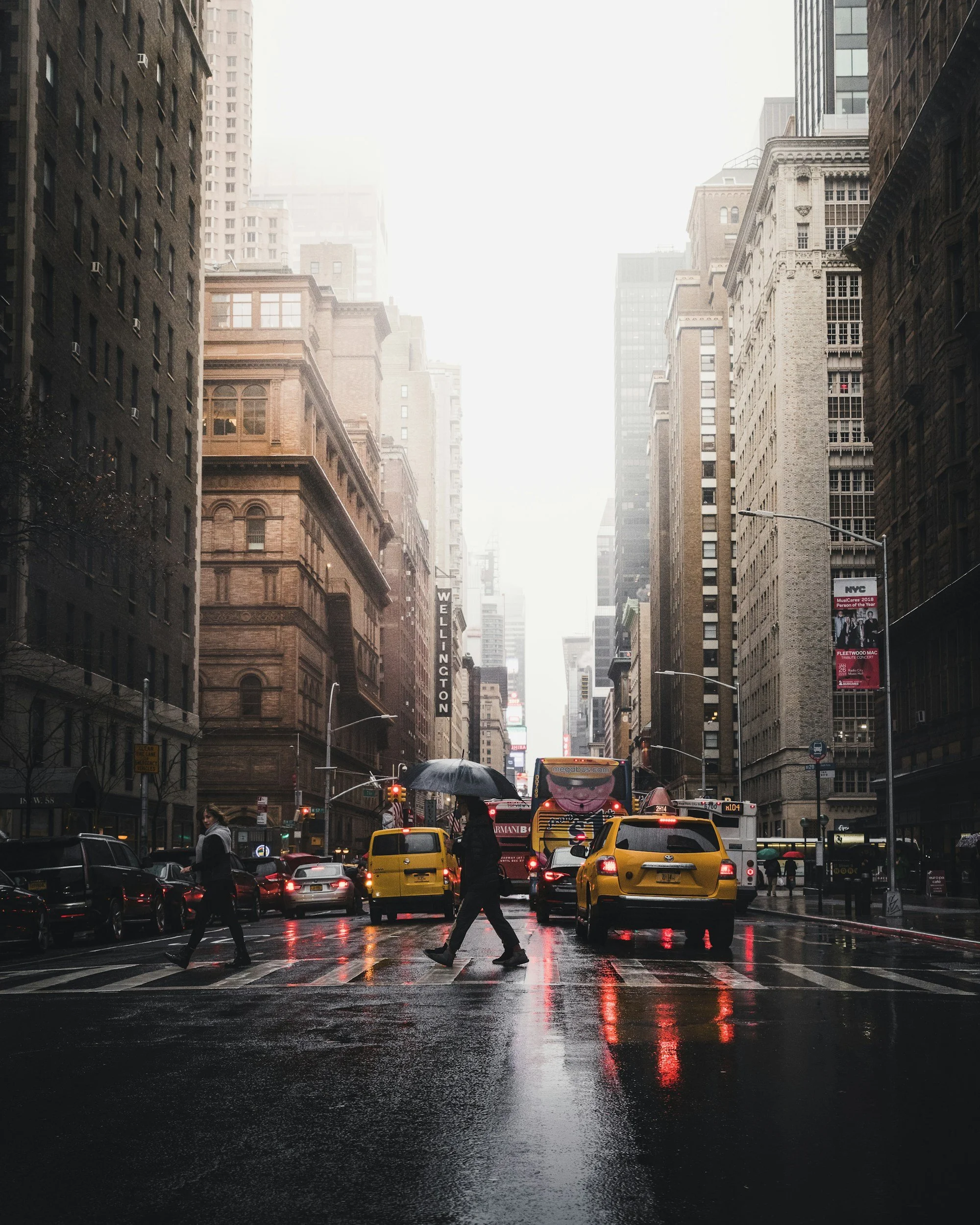
Heat, humidity, wind at height, and residential noise rules all shape what's possible. I'm Magical Katrina, an award winning magician and mentalist, and I want to set out what planning an outdoor event here actually involves, and where magicians New York hosts book fit around it.
The Usable Season Is Narrow
Start with the window. Genuinely comfortable outdoor evenings here run from late spring into early summer, and again from September into early October, with high summer frequently too hot and humid for a room full of people standing in formalwear.
That means the popular dates are concentrated, and venues know it. If your event is flexible, September is the most reliable month for an outdoor evening and considerably easier to book than June. If it isn't flexible, plan for the conditions you'll actually get rather than the ones the venue photographed in May.
Humidity Empties a Terrace
The specific problem in July and August, and it's underestimated. Heat alone is manageable, and heat with New York humidity at seven in the evening moves people indoors quickly regardless of how good the view is.
Guests in suits and dresses reach their limit faster than hosts expect, and a terrace that looked full at six is noticeably thinner by eight. Plan for that rather than hoping: shade, fans where permitted, cold drinks available outside rather than only at an indoor bar, and an indoor space genuinely open rather than nominally available.
Nearly Every Rooftop Has an Indoor Half
The structural reality and the most useful thing to plan around. Almost all New York rooftop and terrace venues include an interior space, and almost every outdoor event here uses both, frequently transitioning mid evening without any announcement.
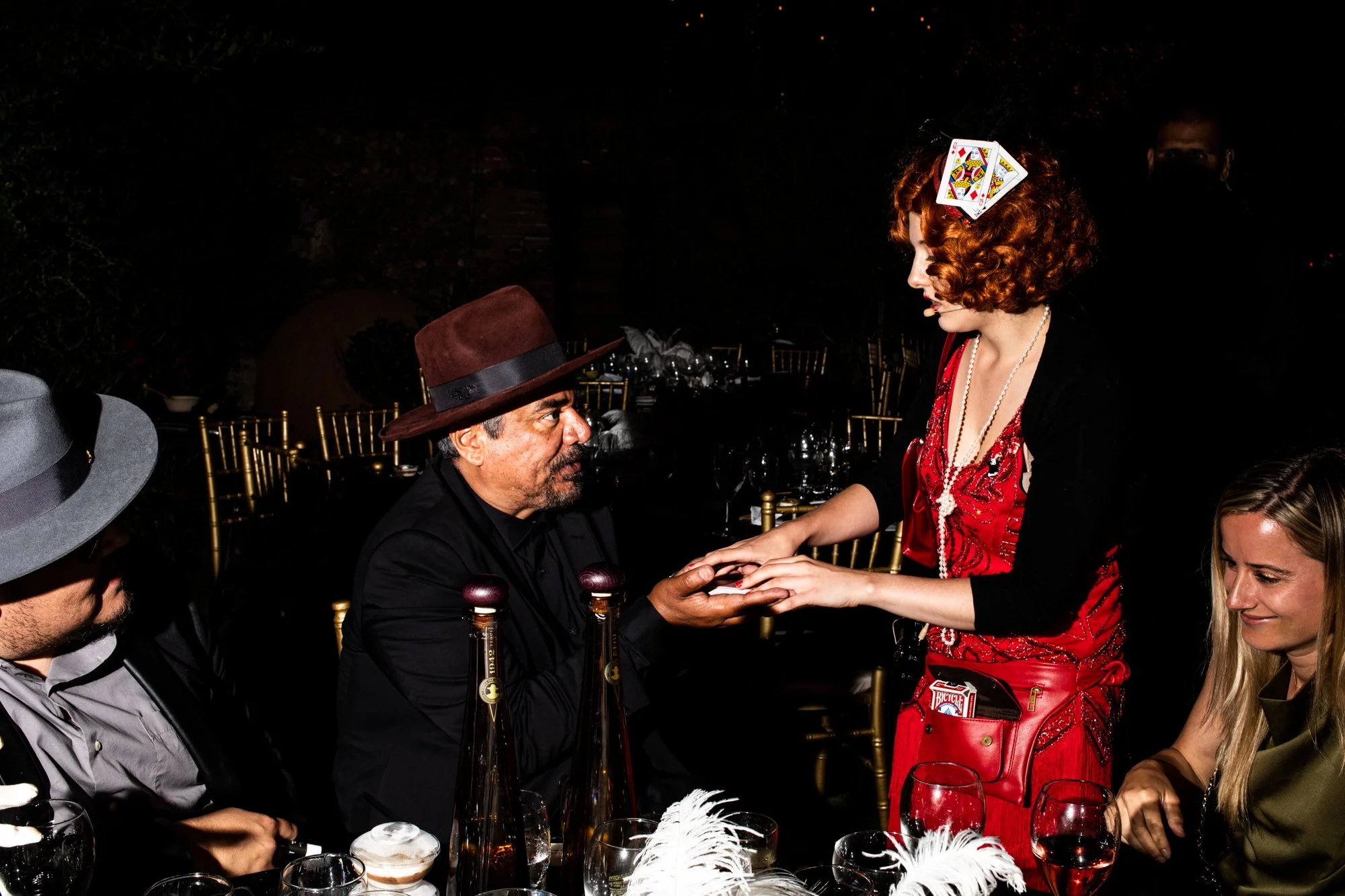
A format that can't move with your guests ends up performing to an empty terrace while the room is inside. A magicians New York booking for close up work relocates with people and nobody notices, since there's nothing to move, reconnect, or set up again. Tell your performer both spaces are in play and they'll work the whole event rather than half of it.
Noise Rules Are Real and Enforced
Practically important and frequently discovered late. Rooftops sit above residential neighbors, and many venues operate under conditions restricting amplified sound after a particular hour or limiting it entirely.
That can mean music ending earlier than your event does. Close up magic is unaffected, since it operates at conversational volume and doesn't register as amplified entertainment, which means it continues through the part of the evening when the music has had to stop. For a venue with a sound curfew, that's a genuinely useful property rather than a technicality.
Wind at Height Is a Factor
Worth knowing, since it catches people out. A terrace on the thirtieth floor behaves differently from a garden, and wind affects candles, light décor, signage, and anything on a table that isn't weighted.
It also affects performers: anything with cards, papers, or light objects is harder outdoors at height than indoors, which experienced performers plan around rather than discover. It's a minor consideration for close up work and a significant one for anything involving lightweight materials or amplified sound, which wind carries away from an audience rather than towards it.
Getting Anything Up There Is a Problem
The New York specific logistics point. Rooftop venues sit inside buildings with freight elevator booking windows, load in restrictions, and rules about what can be carried through a lobby.
Anything requiring equipment, staging, or a build is exposed to all of it, with time slots that are enforced rather than flexible. A supplier arriving with a case avoids the question entirely, which at a rooftop venue is worth more than it would be at ground level. Ask about building access early for every supplier, since it's a process rather than a formality.
Read Your Weather Clause
Practical and frequently skipped. Venue contracts for outdoor spaces usually specify who decides whether to move indoors, when that decision is made, and what happens if the weather turns after setup.
Read it before signing, since a venue that makes the call at noon for a seven o'clock event is a different proposition from one that decides at five. Also confirm that the indoor space is actually included rather than available for an additional fee, which is a distinction people discover on a rainy afternoon.
Tell Guests to Bring a Layer
Small and consistently appreciated. An evening that's warm at six is cooler at ten, particularly at height and near water, and guests dressed for a summer party feel it.
One line in the invitation prevents a terrace emptying earlier than it needs to, and heaters or wraps where the venue permits them extend your usable outdoor time by a genuine margin. None of it is expensive, and it's the difference between an outdoor space used all evening and one abandoned after two hours.
A Note on "Local vs. Traveling In"
Worth knowing: performers who travel to New York work from a different calendar than those based there, which matters in a season where the popular dates concentrate into a few weeks. Travel is discussed openly and factored into the quote. I'm based in the Los Angeles area and travel to New York for events throughout the year.
Why Book Magical Katrina
If your event has outdoor space in play, here's my case. I'm a member of the Magic Circle in London and the Academy of Magical Arts in Hollywood, I've earned multiple magic awards, and I've performed for clients including Formula 1, the Olympics, Porsche, Prada, and the Ritz Carlton, with appearances on Penn & Teller: Fool Us and Masters of Illusion. I need no stage, power, sound, or setup, so a terrace and an interior room work identically, I move with your guests when the evening turns, and I work at conversational volume, which continues after a sound curfew stops the music.
Frequently Asked Questions
When is the outdoor season here?
Narrower than people assume: genuinely comfortable evenings run from late spring into early summer and again from September into early October, with high summer frequently too hot and humid for a room of people in formalwear. September is the most reliable month and considerably easier to book than June if your date is flexible.
Is humidity really a problem?
More than heat alone, since New York humidity at seven in the evening moves people indoors quickly regardless of the view, and guests in suits and dresses reach their limit faster than hosts expect. Plan for shade, fans where permitted, cold drinks available outside, and an indoor space genuinely open rather than nominally available.
Should we plan for both spaces?
Yes, since almost all rooftop and terrace venues include an interior and almost every outdoor event here uses both, frequently transitioning mid evening without announcement. A format that can't move with your guests performs to an empty terrace, whereas close up magic relocates unnoticed with nothing to move or reconnect.
What about noise restrictions?
Real and enforced, since rooftops sit above residential neighbors and many venues operate under conditions restricting amplified sound after a particular hour. That can mean music ending before your event does. Close up magic is unaffected at conversational volume, so it continues through the part of the evening when the music has stopped.
Does wind matter at height?
Genuinely, since a terrace on the thirtieth floor behaves differently from a garden, affecting candles, light décor, signage, and anything unweighted. It also affects performers using cards or light objects, which experienced ones plan around, and it carries amplified sound away from an audience rather than towards it.
What about getting equipment up there?
It's a process rather than a formality, since rooftop venues sit inside buildings with freight elevator windows, load in restrictions, and lobby rules, all enforced rather than flexible. Anything requiring staging or a build is exposed to all of it, whereas a supplier arriving with a case avoids the question entirely.
What should we check in the venue contract?
The weather clause: who decides whether to move indoors, when that decision is made, and what happens if conditions turn after setup. A venue calling it at noon for a seven o'clock event is different from one deciding at five. Also confirm the indoor space is included rather than available for an additional fee.
How do I book you, and what should I tell you?
Reach out with your date, venue, guest numbers, and which spaces are in play. That's enough for me to check availability and send a quote, and I'll plan for both spaces as standard since I need no stage, power, or setup and can move with your guests the moment the evening turns.

Plan for the Evening, Not the Photograph
A New York rooftop is a genuinely lovely setting and a moving target, since the usable season is short, the humidity empties a terrace in high summer, the music stops before you'd like, and at some point half your event is indoors. A magicians New York booking for close up work suits all of that: nothing needed from a venue with a freight elevator schedule, conversational volume that outlasts a sound curfew, and relocation inside that nobody notices happening.
Book September if you can, read the weather clause, and tell your guests to bring a layer.
Reach out with your date and venue, and I'll plan for both spaces.